1.The Power of Storytelling
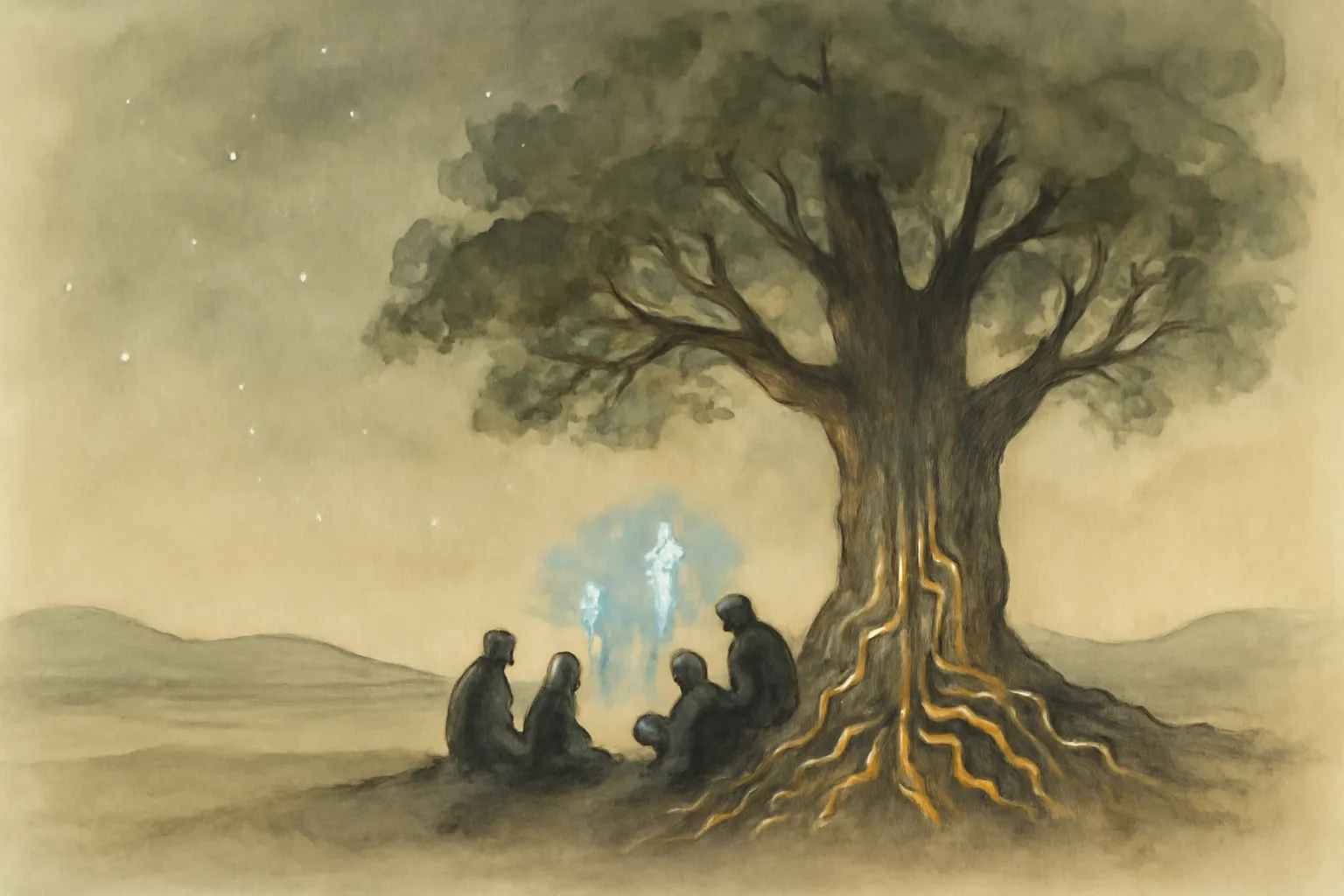
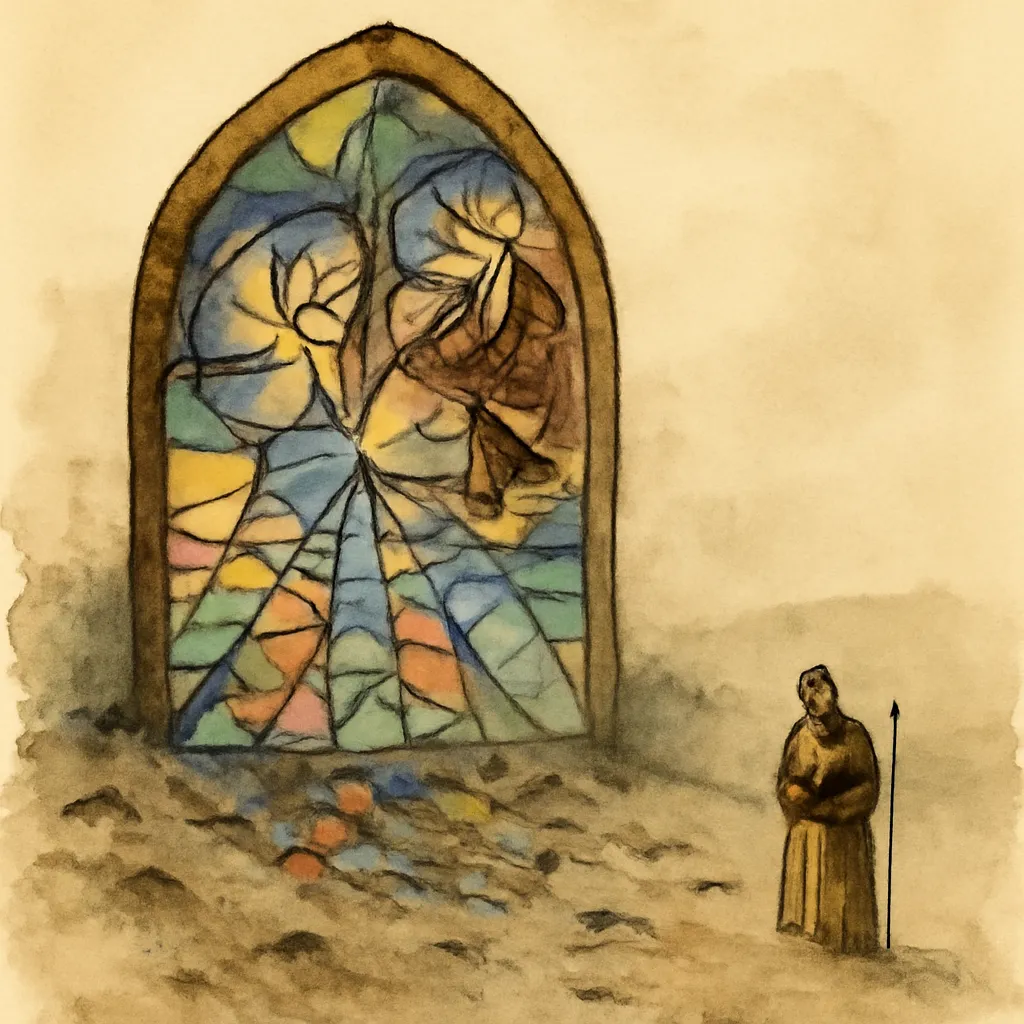
Hyperion’s structure is inspired by The Canterbury Tales, with each pilgrim sharing their personal narrative. This device not only deepens character development but also demonstrates how stories shape identity, memory, and meaning. Each tale is a lens on the universe’s mysteries, suggesting that truth is multifaceted and subjective. The act of storytelling becomes a survival mechanism and a means of forging connection in the face of cosmic uncertainty.
2.Humanity Versus Technology
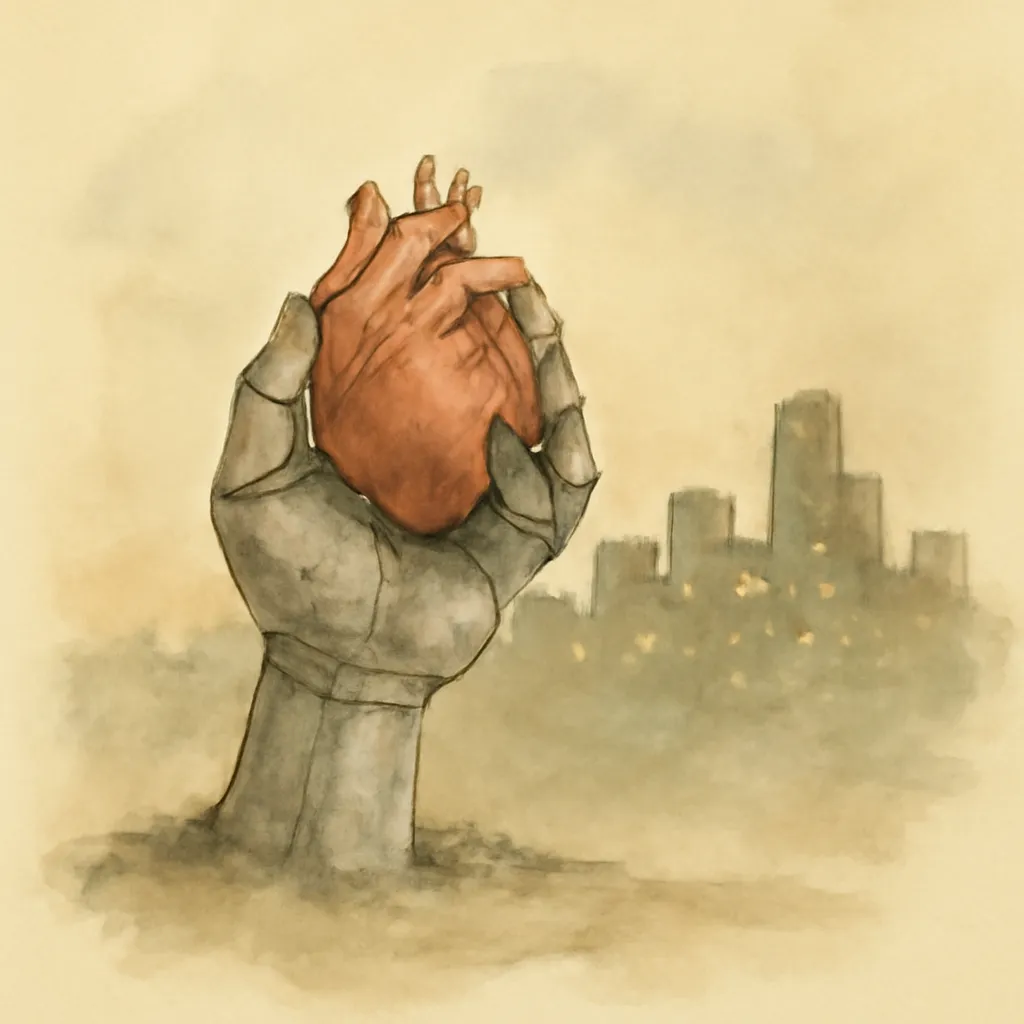
The uneasy alliance between the Hegemony and the TechnoCore (a civilization of AIs) raises questions about dependence on technology and the erosion of human autonomy. Simmons explores how technological progress can empower and endanger, blurring the line between creator and creation. The TechnoCore’s secretive motives and the threat of AI manipulation reflect anxieties about losing control over our inventions and the ethical dilemmas of artificial intelligence.
3.The Enigma of the Shrike
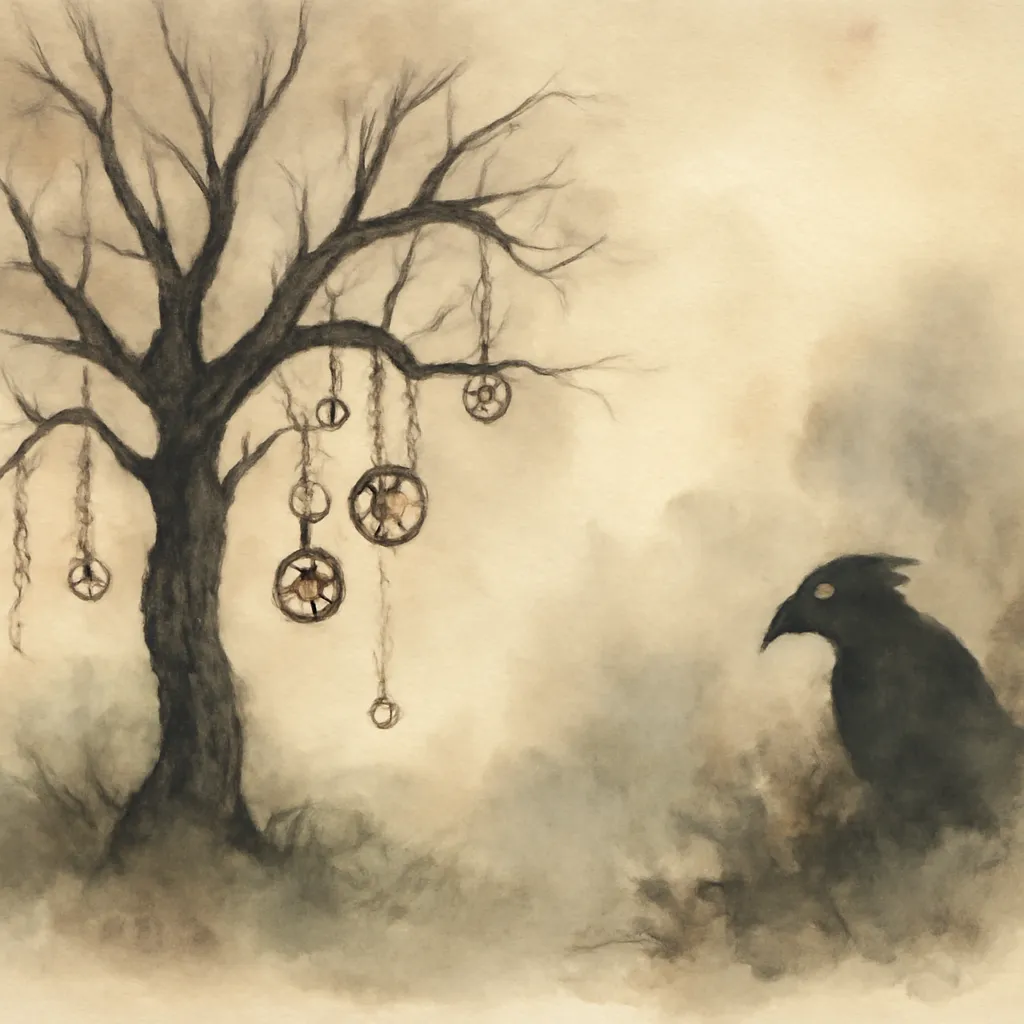
The Shrike, a terrifying and seemingly supernatural being, embodies the novel’s themes of fate, suffering, and the unknown. As both executioner and potential savior, the Shrike’s ambiguous nature forces characters—and readers—to confront the limits of understanding and the possibility that some forces are beyond human comprehension. It stands as a symbol of the universe’s indifference and the terror of encountering the truly alien.
4.Religion and Faith in a Futuristic World
Despite its advanced setting, Hyperion is deeply concerned with spiritual questions. Characters grapple with faith, doubt, and the search for meaning in a universe where miracles and horrors coexist. The presence of the Church of the Shrike and the pilgrims’ personal quests highlight the persistence of religious longing, suggesting that technology cannot erase the human need for transcendence or answers to existential mysteries.
5.Time, Memory, and Destiny
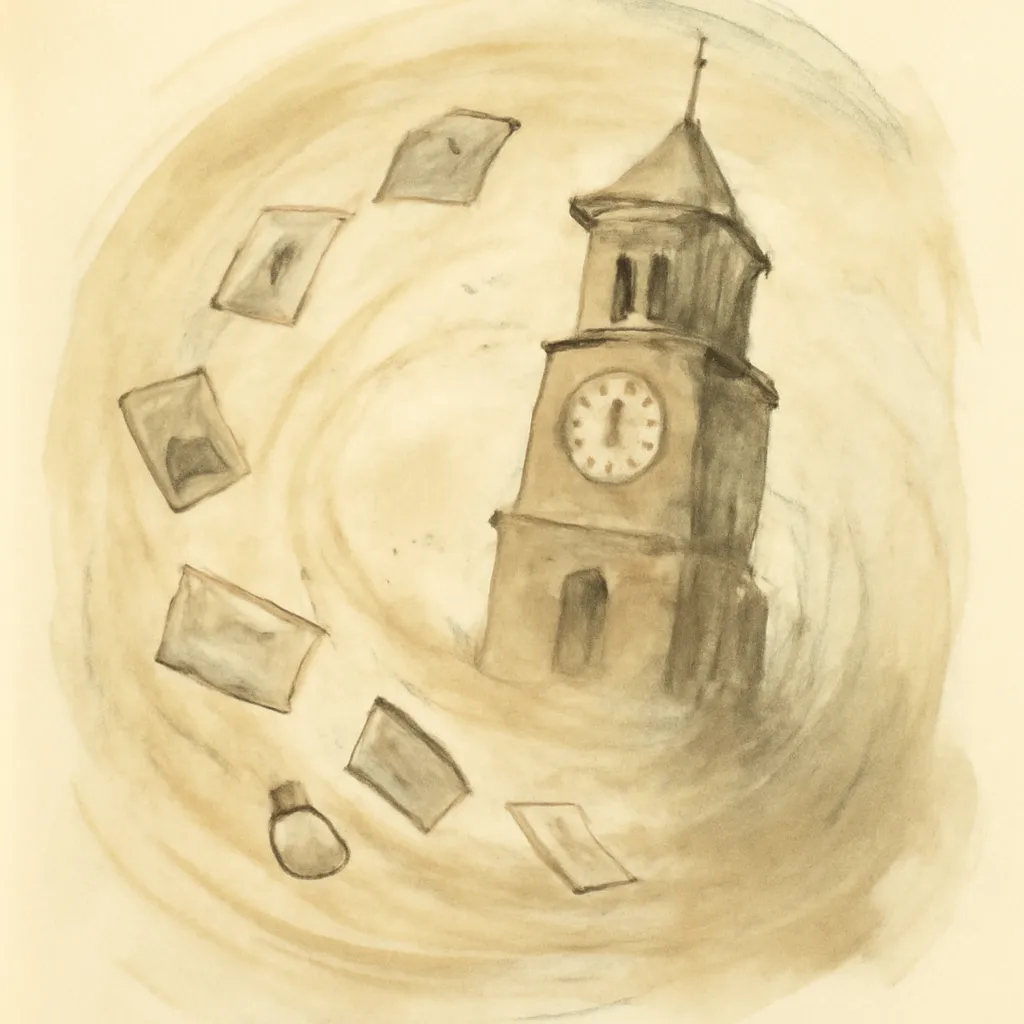
Time in Hyperion is fluid and mysterious, most notably in the Time Tombs, which move backward through time. The novel explores how memory shapes identity, how the past haunts the present, and whether destiny is fixed or malleable. The manipulation of time serves as both a plot device and a metaphor for the human struggle to understand and control one’s fate.
6.The Cost of Empire and Progress
The Hegemony’s expansion and its treatment of the Outback worlds raise questions about colonialism, exploitation, and the price of civilization. Simmons critiques the arrogance of empire and the consequences of sacrificing individuals or cultures for the illusion of progress. The looming Ouster invasion and the fate of Hyperion itself force characters to reckon with the costs of their society’s choices.