1.The Hyperspace Revolution
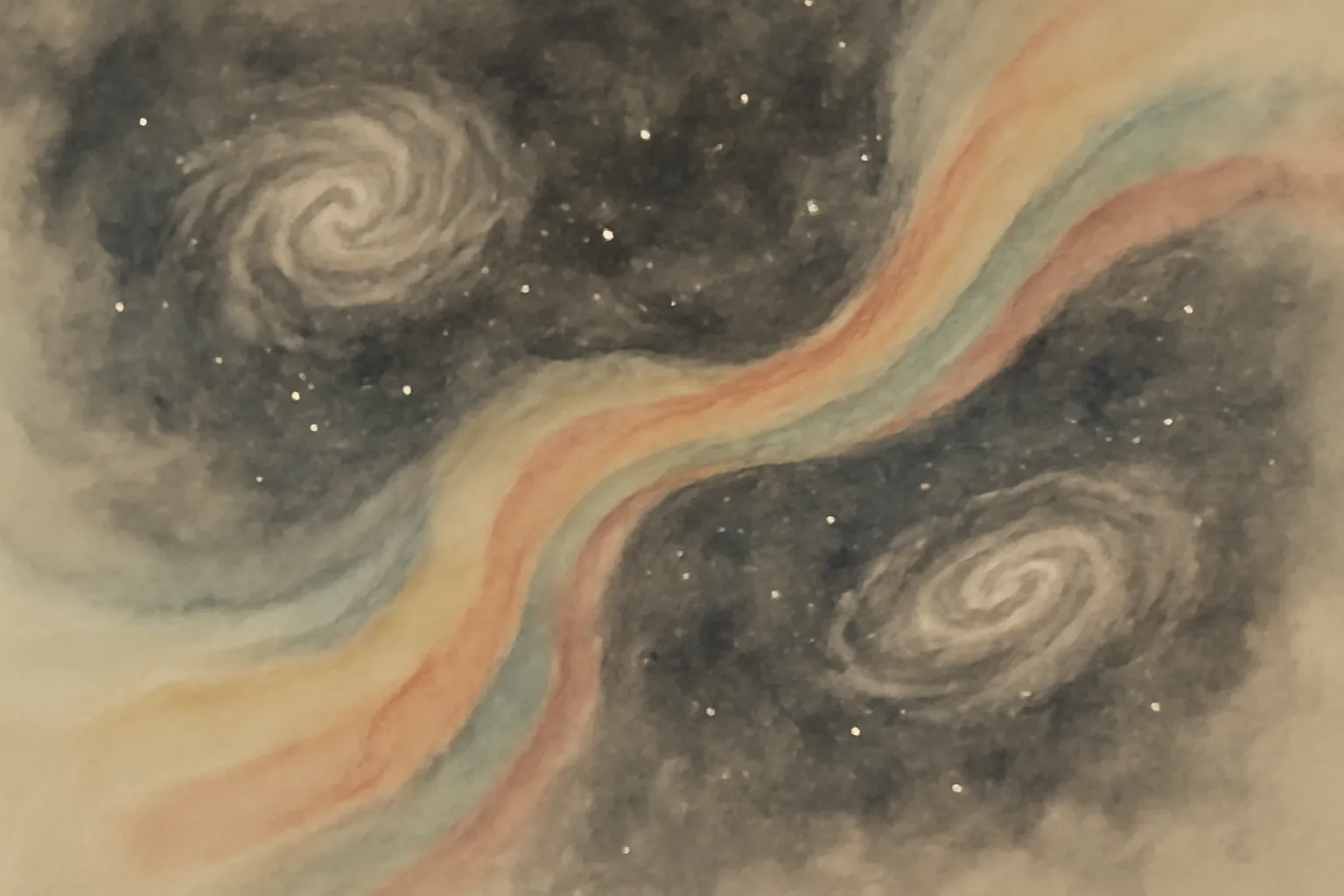
Kaku introduces the concept of hyperspace—spaces with more than three dimensions—as a framework for understanding the universe's deepest mysteries. He explains how adding extra dimensions can unify the forces of nature, a quest that has driven physics since Einstein. By visualizing higher dimensions, Kaku shows how seemingly impossible phenomena, like time travel or wormholes, become plausible within the mathematics of modern physics.
2.Unification Through Higher Dimensions
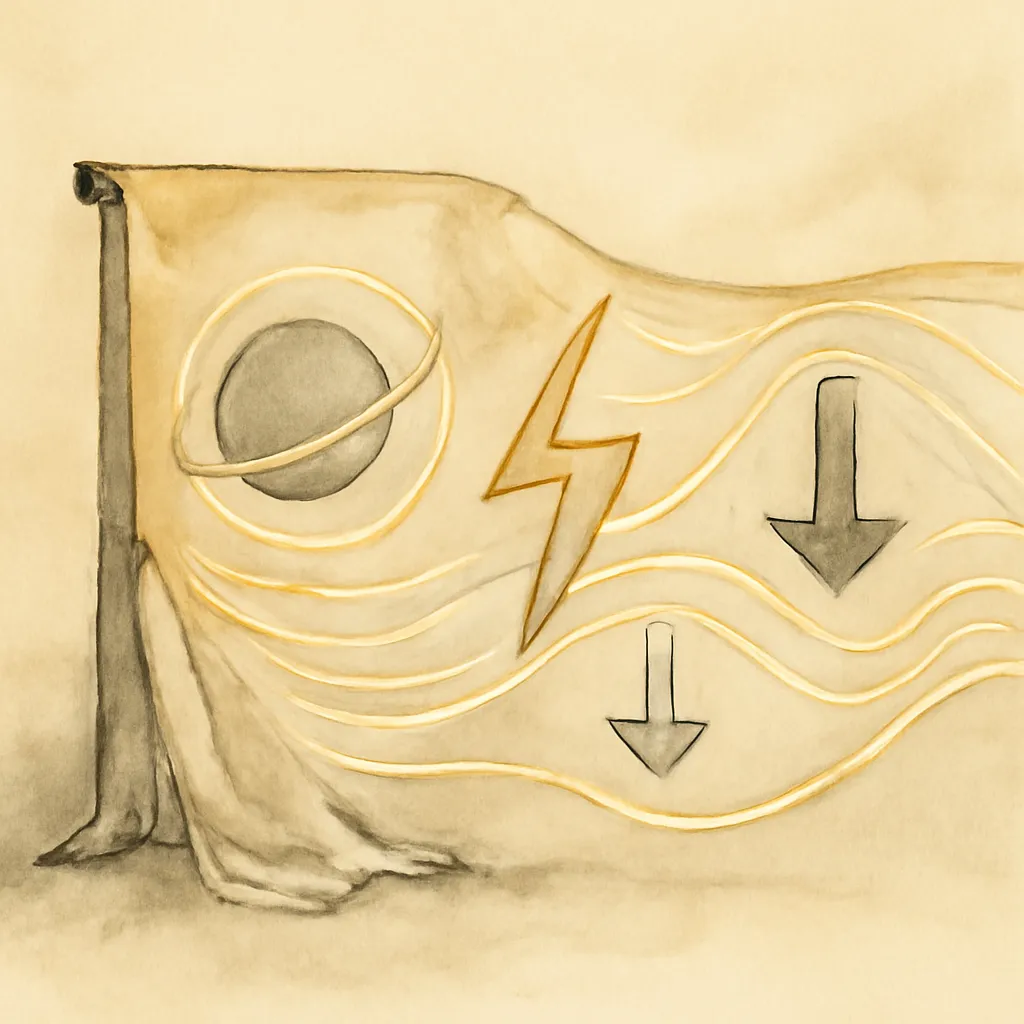
A central theme is the historical and ongoing search for a 'Theory of Everything.' Kaku traces how physicists have sought to unite gravity with electromagnetism and the other fundamental forces. He discusses how theories like Kaluza-Klein and, later, superstring theory, use extra spatial dimensions as the key to this unification, potentially resolving contradictions between quantum mechanics and general relativity.
3.Superstring Theory and the Tenth Dimension
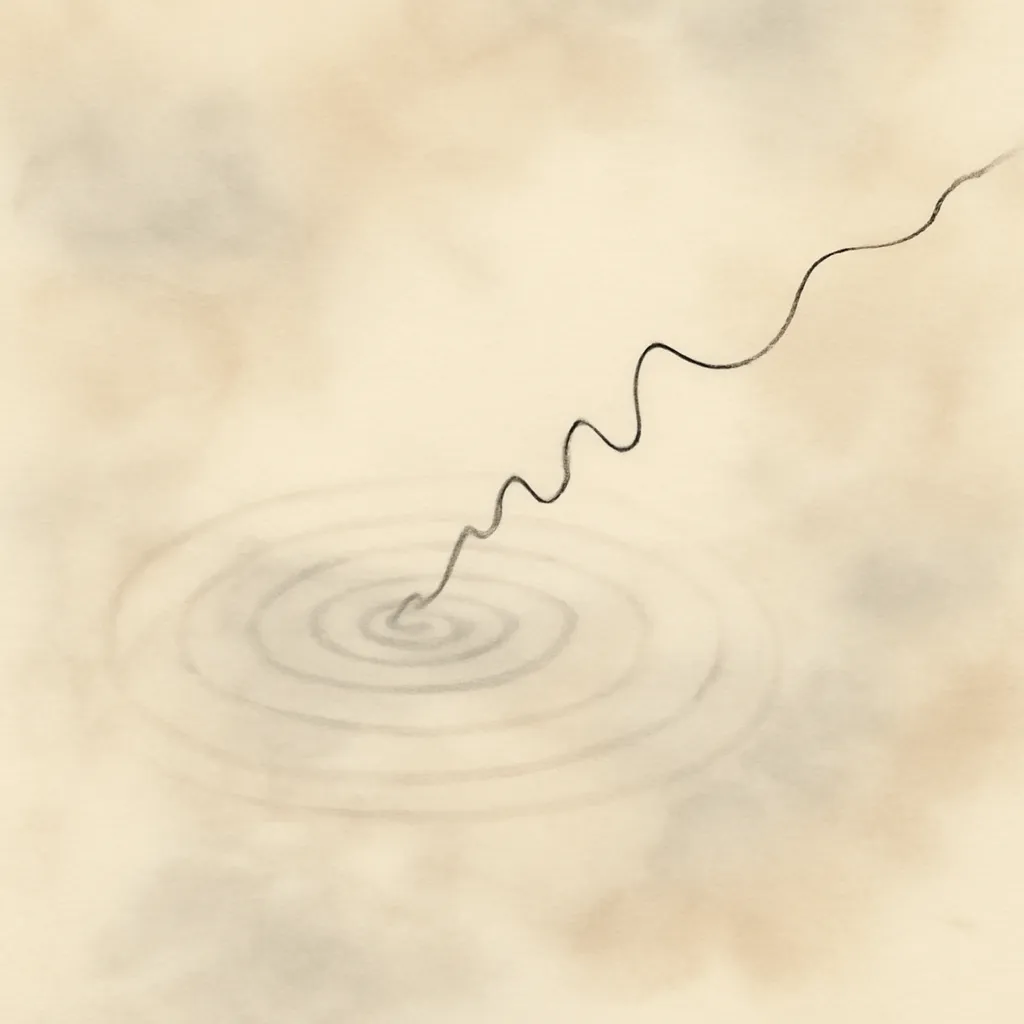
Kaku explores superstring theory, which posits that the fundamental constituents of reality are tiny vibrating strings existing in ten or more dimensions. He explains how string theory elegantly incorporates gravity and could explain all known particles and forces, but also why its predictions are so difficult to test. The idea that our familiar universe is a shadow of a much richer, multi-dimensional reality is both unsettling and inspiring.
4.Time Travel and Parallel Universes
Building on the mathematics of hyperspace, Kaku examines whether time travel and parallel universes are physically possible. He discusses wormholes, cosmic strings, and the implications of higher-dimensional space for causality and alternate histories. While careful to distinguish speculation from established science, he shows how these ideas are grounded in the equations of modern physics.
5.The Limits and Promise of Scientific Imagination
Kaku emphasizes that concepts once dismissed as fantasy—like extra dimensions or multiple universes—are now at the forefront of scientific research. He argues that the boundaries of science are constantly expanding, driven by both mathematical necessity and human imagination. Hyperspace becomes a metaphor for thinking beyond conventional limits, inspiring both scientists and lay readers to embrace the unknown.
6.Making the Abstract Accessible
A hallmark of the book is Kaku's use of analogies and historical anecdotes to make abstract physics tangible. He draws on everything from Flatland to science fiction, helping readers visualize and emotionally connect with ideas that defy everyday experience. This approach not only informs but also entertains, making complex science approachable without oversimplification.