1.We Are Ecosystems, Not Individuals
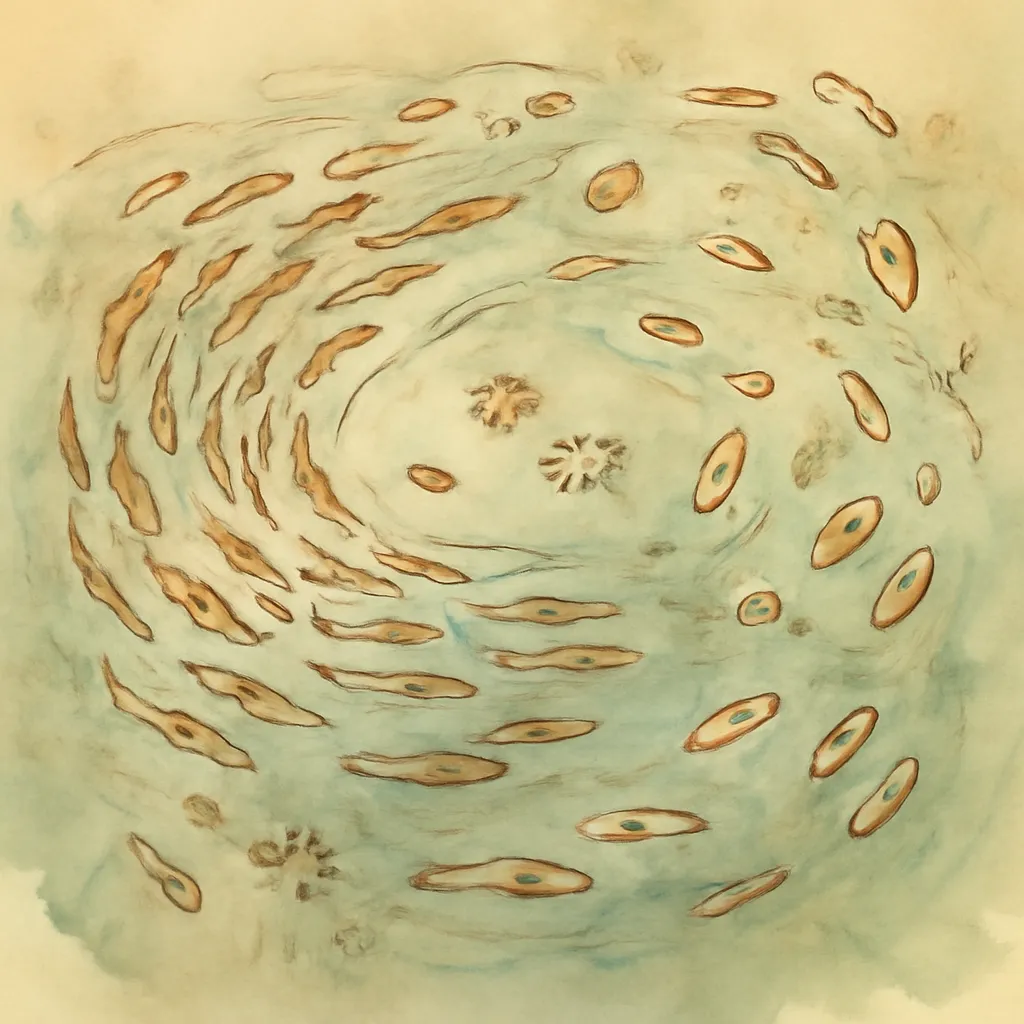
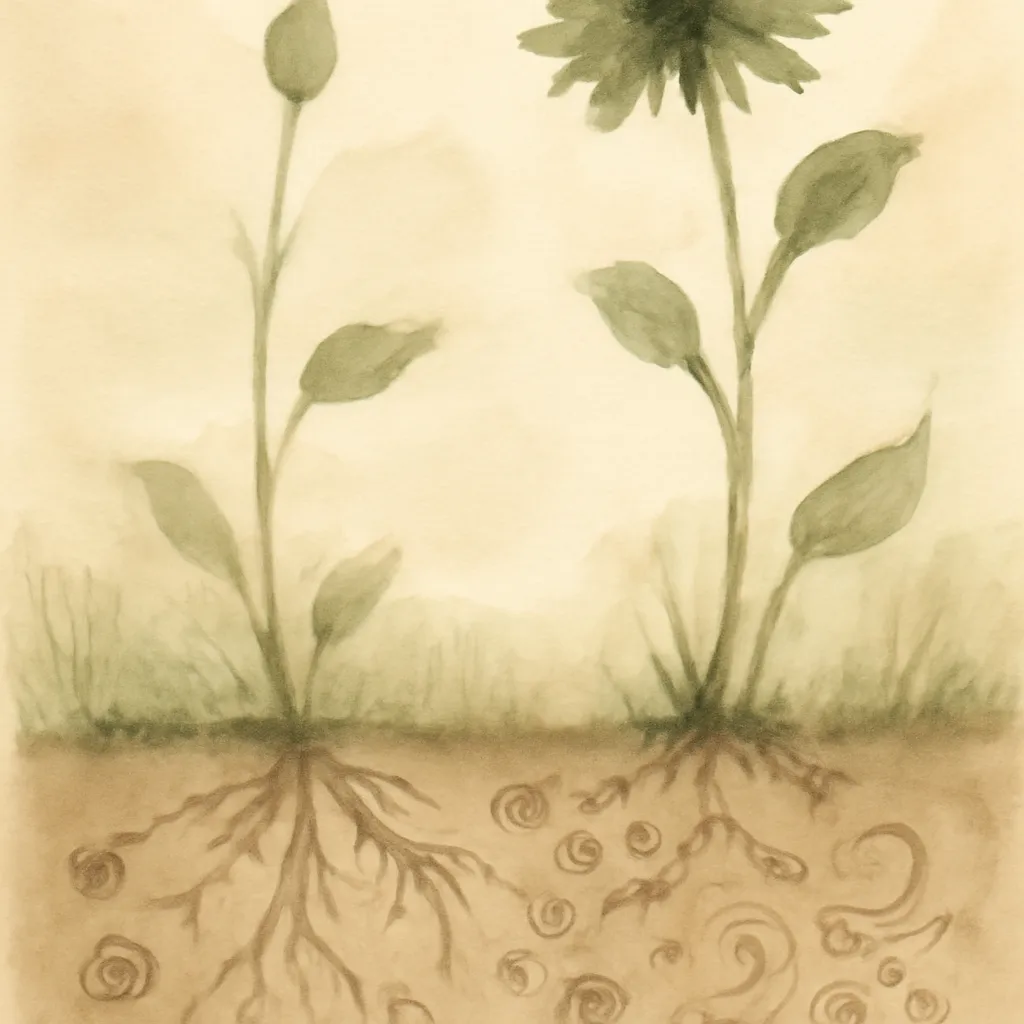
Yong challenges the traditional view of organisms as discrete individuals by demonstrating that all animals, including humans, are complex collectives—a host plus trillions of microbes. These microbial communities, or microbiomes, are integral to our development, immunity, and daily functioning. By seeing ourselves as ecosystems, we gain a deeper appreciation for the interconnectedness of life and the importance of maintaining microbial diversity for our own health.
2.Microbes: More Than Just Germs
The book dismantles the common misconception that microbes are simply harmful invaders. Yong shows that while some microbes cause disease, the vast majority are beneficial or even essential. Microbes help digest our food, train our immune systems, and protect us from pathogens. By understanding the positive roles of microbes, we can make more informed choices about health, hygiene, and medicine.
3.The Microbiome Shapes Health and Disease
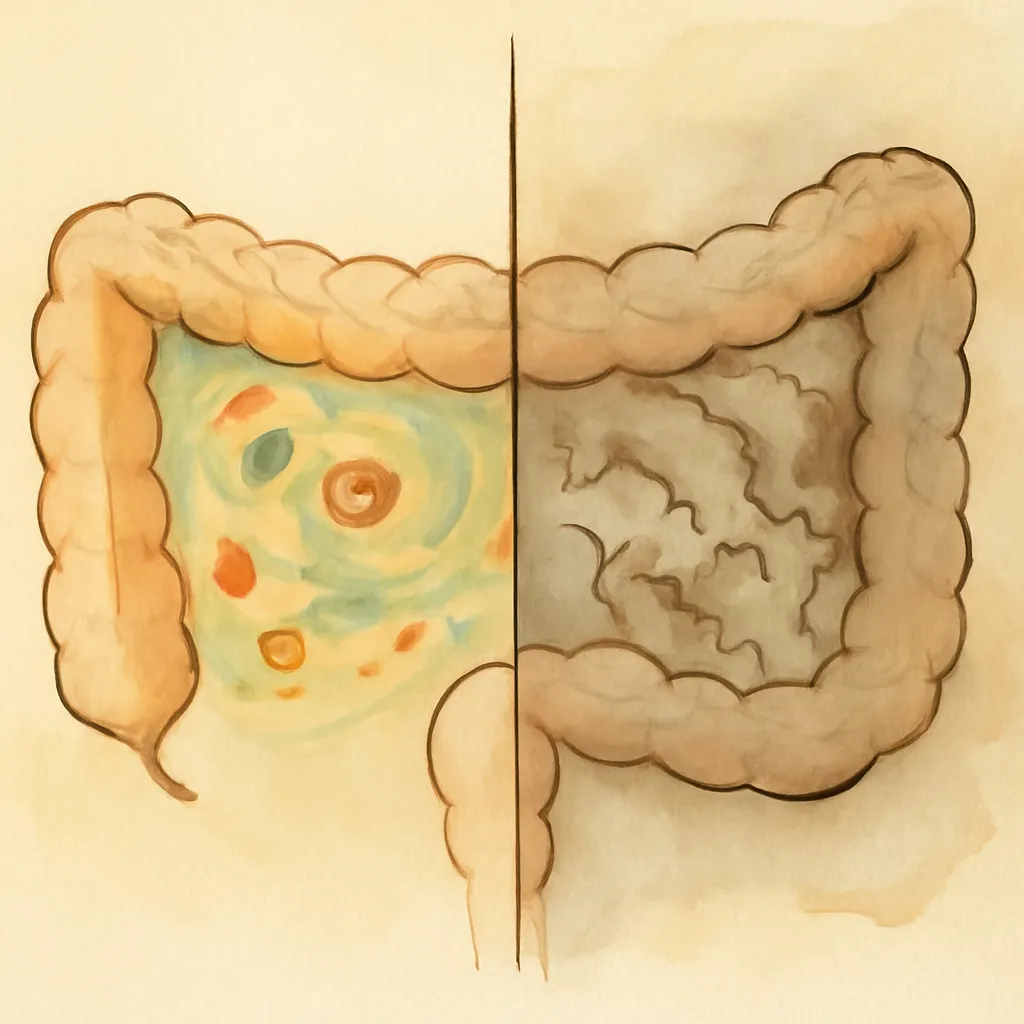
Yong explores how the composition of our microbiome can influence everything from allergies and obesity to mental health and autoimmune disorders. He discusses cutting-edge research on how disruptions to our microbial communities—through antibiotics, diet, or lifestyle—can have profound consequences. This insight opens up new avenues for treating disease by targeting or restoring the microbiome.
4.Symbiosis Drives Evolution
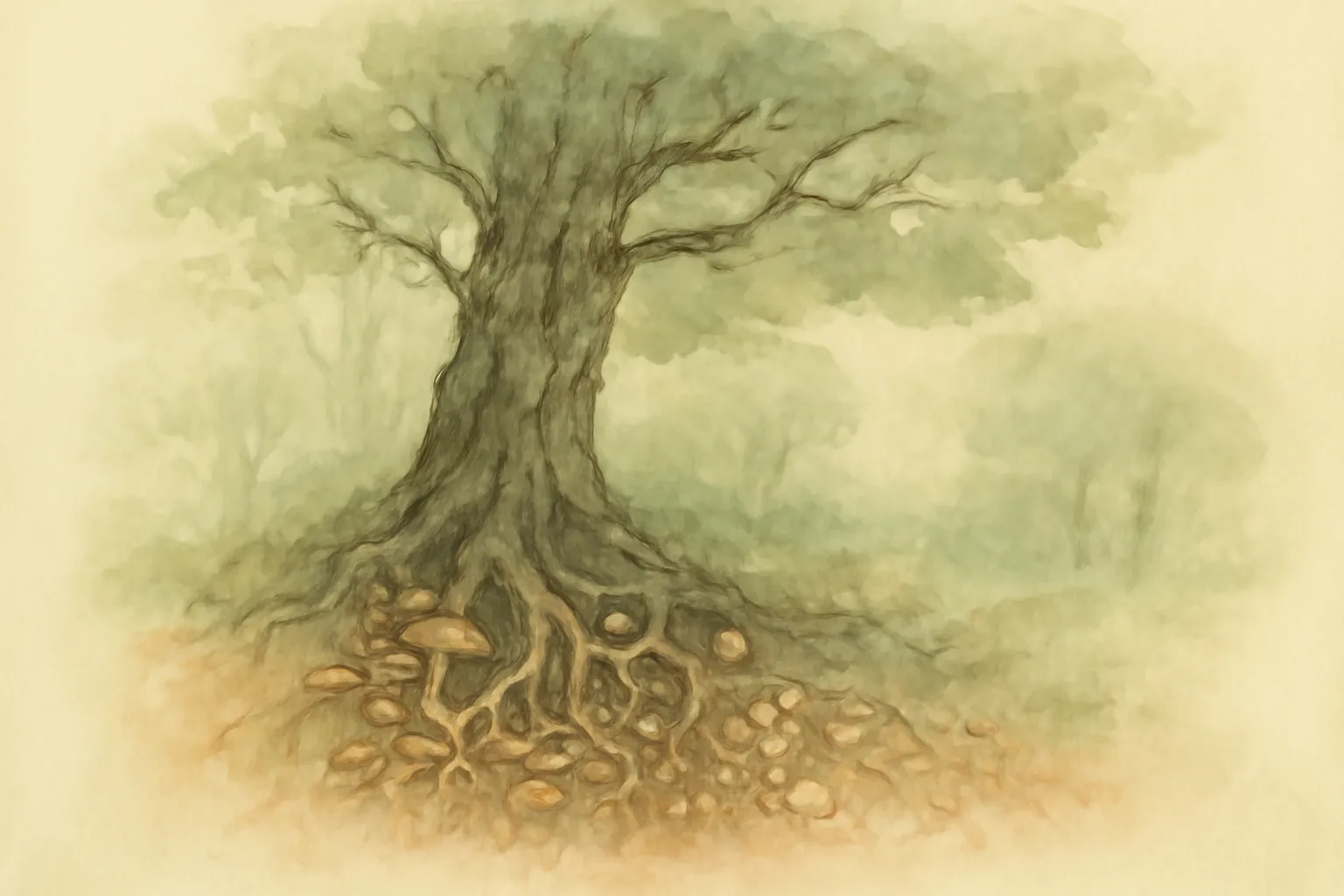
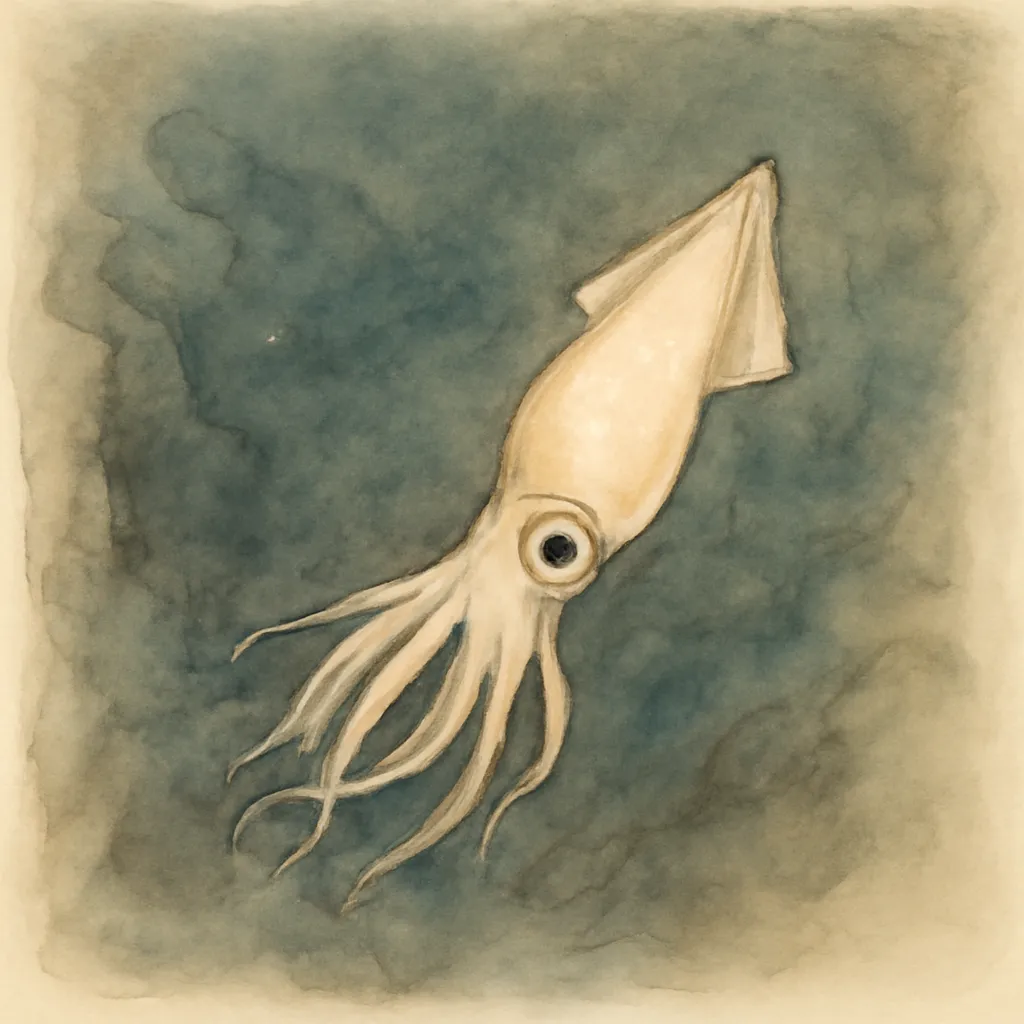
The book highlights how symbiotic relationships between microbes and hosts have driven evolutionary innovation across the animal kingdom. From glowing squid to termite digestion, Yong describes remarkable partnerships that have enabled species to exploit new environments and survive extreme conditions. Symbiosis is not an exception but a rule in nature, blurring the boundaries between 'self' and 'other.'
5.A Microbe’s-Eye View of the World
Yong encourages readers to adopt a 'microbe’s-eye view,' shifting perspective from the visible to the invisible. By doing so, we discover how microbes shape animal behavior, ecosystems, and even the planet’s chemistry. This expanded perspective fosters awe and humility, reminding us that much of what sustains life happens beyond our senses.
6.Rethinking Hygiene and Medicine
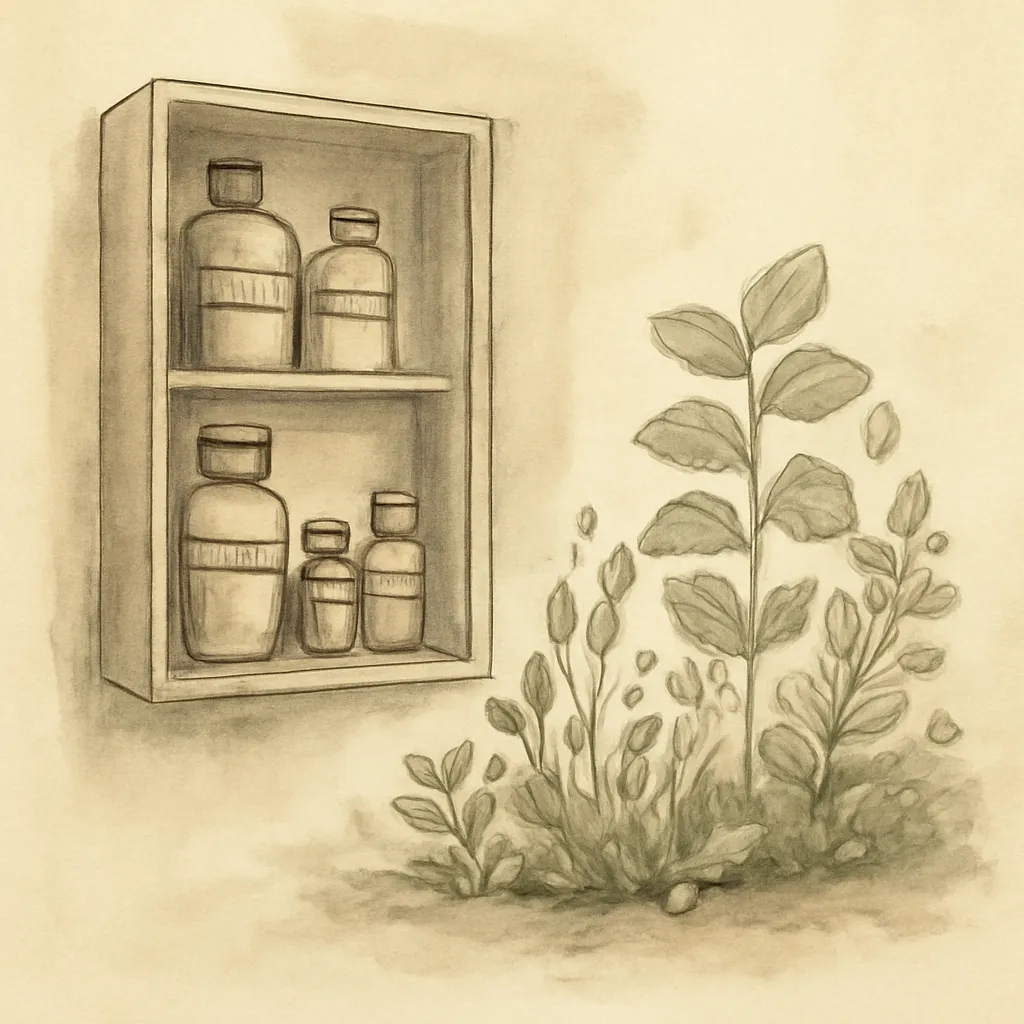
The book critiques simplistic approaches to cleanliness and disease prevention, warning against the overuse of antibiotics and antibacterial products. Yong argues for a more nuanced understanding of hygiene that preserves beneficial microbes while targeting harmful ones. This approach could lead to more effective, sustainable healthcare and a healthier relationship with our microbial partners.