1.The Impact of Racism and Segregation
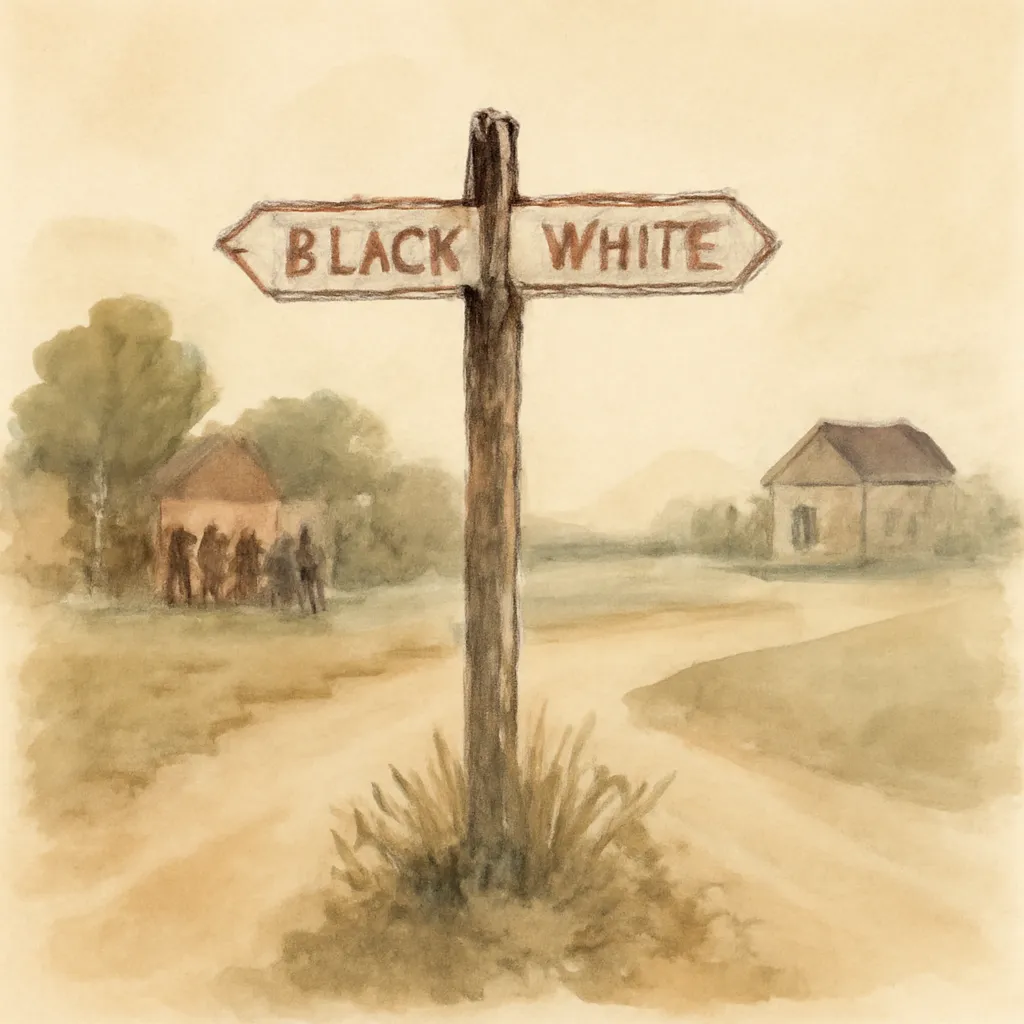
Angelou’s childhood unfolds in rural Arkansas, where the color line is stark and omnipresent. The book vividly depicts how institutional racism shapes daily life, from humiliations at the hands of white townspeople to the constant threat of violence and injustice. Angelou explores the psychological toll of growing up in a world where Black children are taught to fear, defer, and shrink themselves, yet she also highlights the subtle forms of resistance and pride that allow her community to endure. The memoir makes clear that racism is not only an external force but one that seeps into self-perception and possibility.
2.Family, Community, and Survival
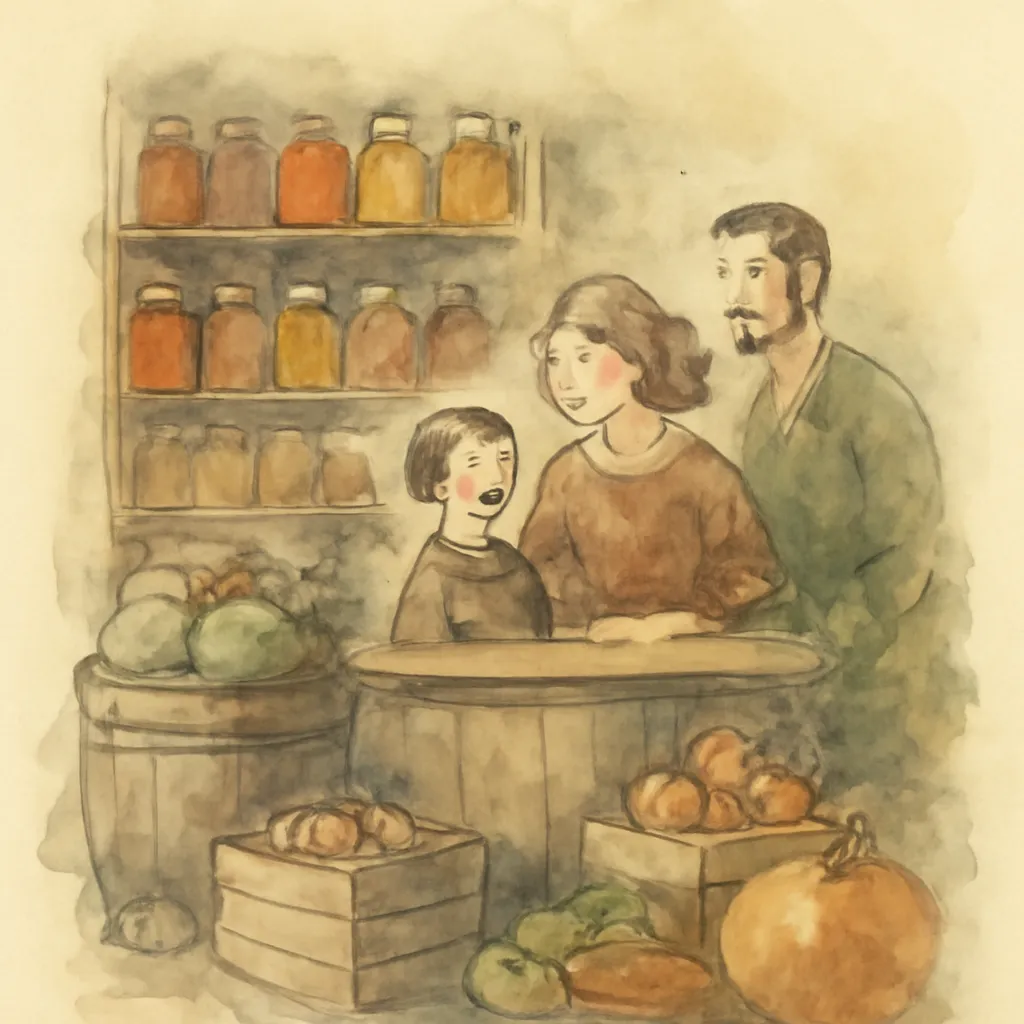
The Store, run by Maya’s grandmother, becomes both a literal and symbolic center of Black life in Stamps. Angelou’s family—her dignified grandmother, loving brother Bailey, and complicated parents—provide both stability and turbulence. The memoir examines how kinship and community offer protection and identity, even as they are tested by poverty, separation, and trauma. Angelou’s survival is inseparable from the support and expectations of those around her, showing how Black families and communities cultivated dignity and resilience under oppression.
3.The Trauma of Sexual Violence and Silence
A pivotal event in Angelou’s early life is her rape by her mother’s boyfriend, a trauma that leaves her mute for years. The memoir does not shy away from the horror and complexity of this experience, nor from the silence and shame that follow. Angelou’s refusal to speak becomes both a symptom of pain and a form of self-protection. The narrative explores how trauma can fracture identity and voice, but also how, through literature and caring mentors, Angelou slowly reclaims her ability to speak and be heard.
4.The Power of Language and Self-Expression
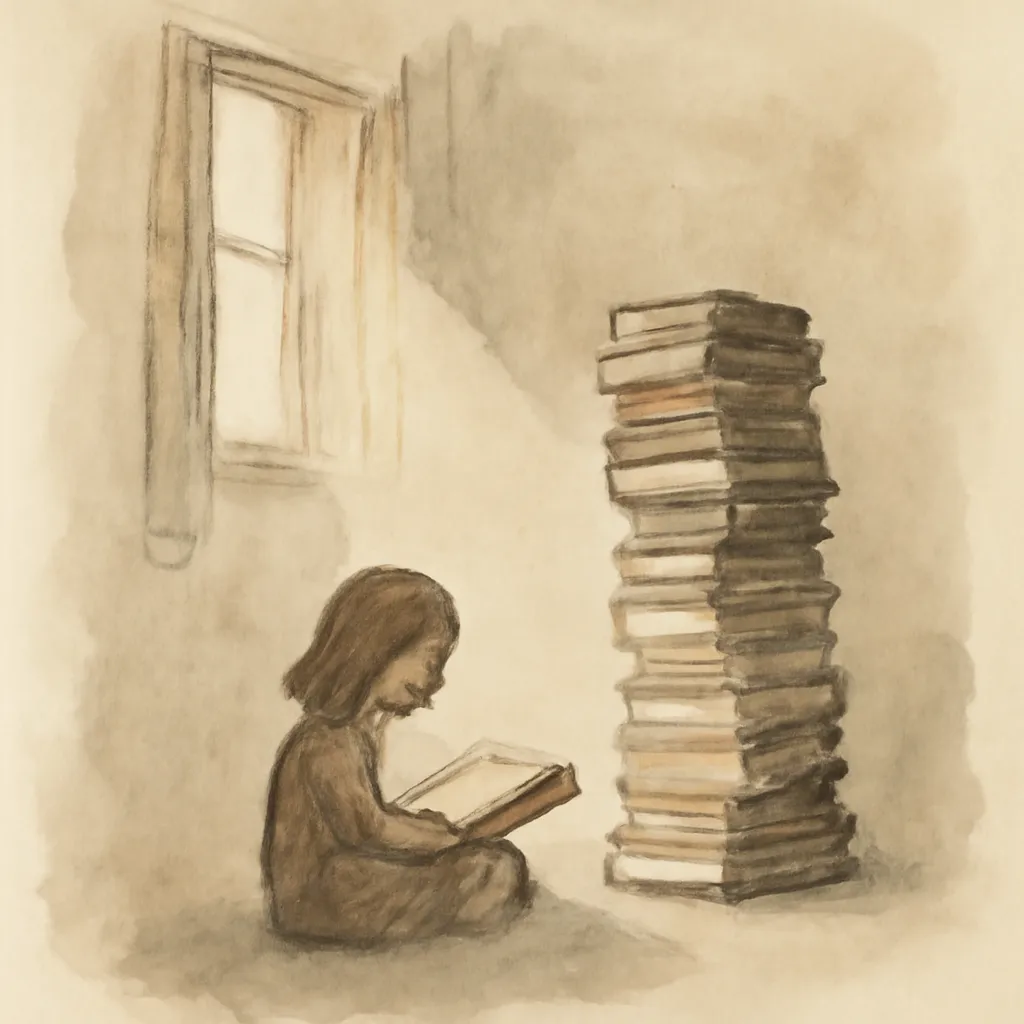
Books and words become Angelou’s refuge and salvation. Through reading and, eventually, speaking, she discovers a sense of agency and self-worth. The memoir is itself a testament to the transformative power of language: Angelou’s lyrical prose reimagines pain as art and asserts her humanity. This journey from silence to speech is both personal and political, suggesting that storytelling can be a form of resistance and liberation.
5.Coming of Age and Identity Formation
Angelou’s journey is marked by searching for belonging and self-understanding in a world that devalues her. The memoir traces her evolving sense of self as she navigates adolescence, sexuality, and shifting family dynamics. By the end, Angelou emerges with a hard-won sense of dignity and possibility, refusing to be defined by the limitations imposed on her. Her coming-of-age is both uniquely her own and emblematic of the struggles faced by many marginalized young people.
6.Dignity and Resistance in Everyday Life
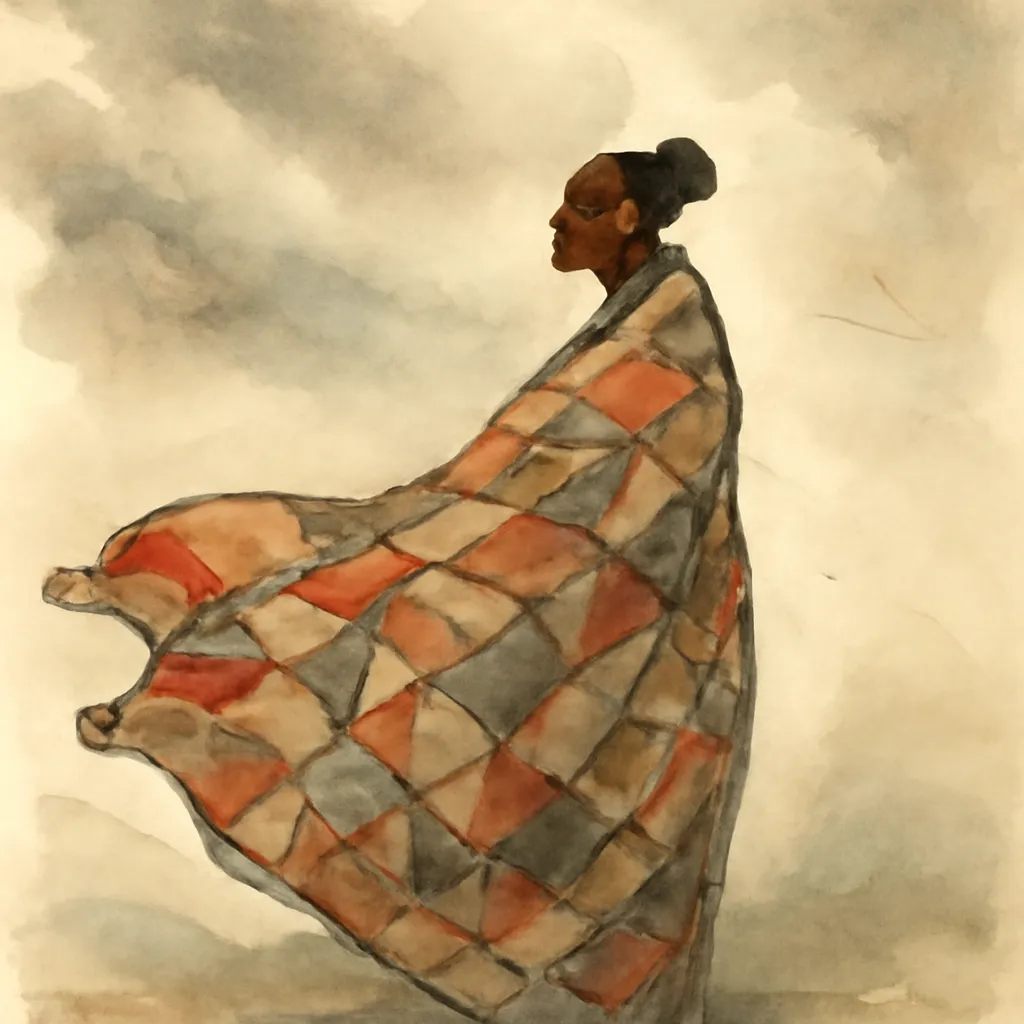
Throughout the memoir, Angelou highlights the quiet strength and dignity of Black women, especially her grandmother. Their ability to maintain self-respect and composure in the face of daily indignities is portrayed as a form of resistance. The book suggests that survival is not merely about endurance, but about asserting one’s worth, even when the world refuses to recognize it.