1.The Price of Child Stardom
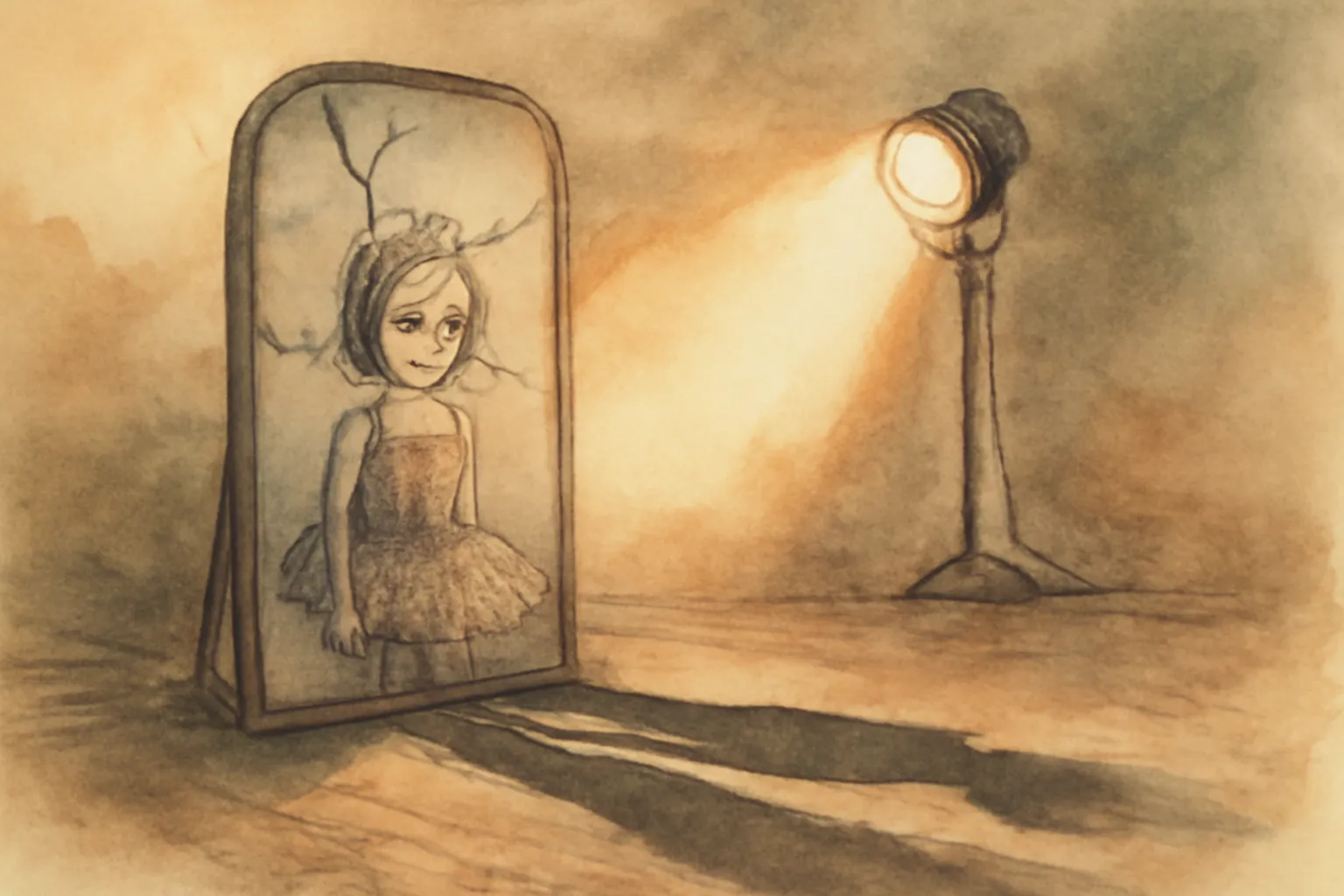
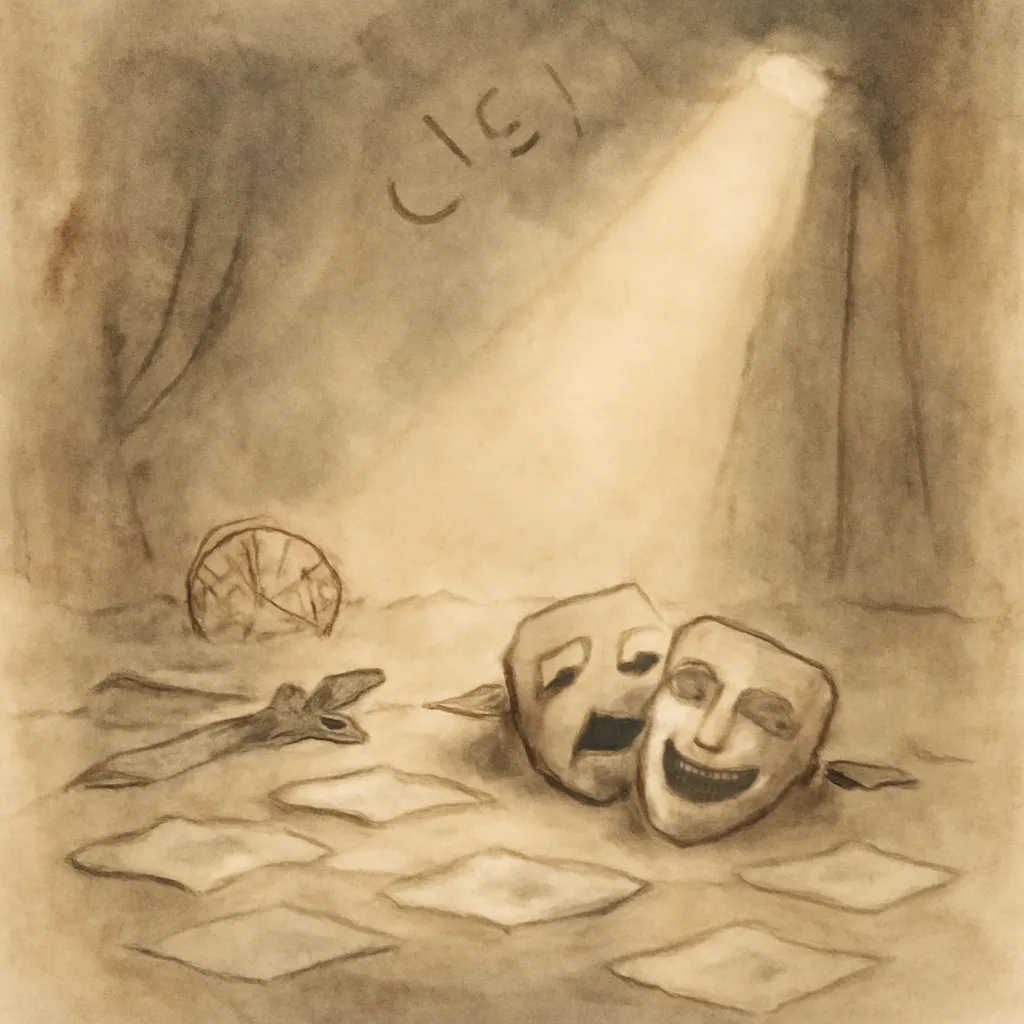
McCurdy exposes the hidden costs of growing up in the entertainment industry, especially for children. She details how her mother's ambitions led to relentless pressure, unhealthy routines, and a loss of normal childhood experiences. The book reveals the emotional toll of being forced into the spotlight and how the pursuit of fame can mask deeper dysfunctions at home. McCurdy’s story challenges the glamorized image of child actors and invites readers to question the systems that enable such exploitation.
2.Parental Control and Emotional Abuse
At its core, the memoir is about the damaging effects of parental control and emotional manipulation. McCurdy’s mother micromanaged every aspect of her life—from her diet and appearance to her privacy and finances. The narrative unpacks how love and abuse can be intertwined, and how children can be conditioned to accept harmful behaviors as normal. By sharing her experience, McCurdy gives voice to those who have felt trapped by a parent’s expectations or guilt.
3.Disordered Eating and Mental Health
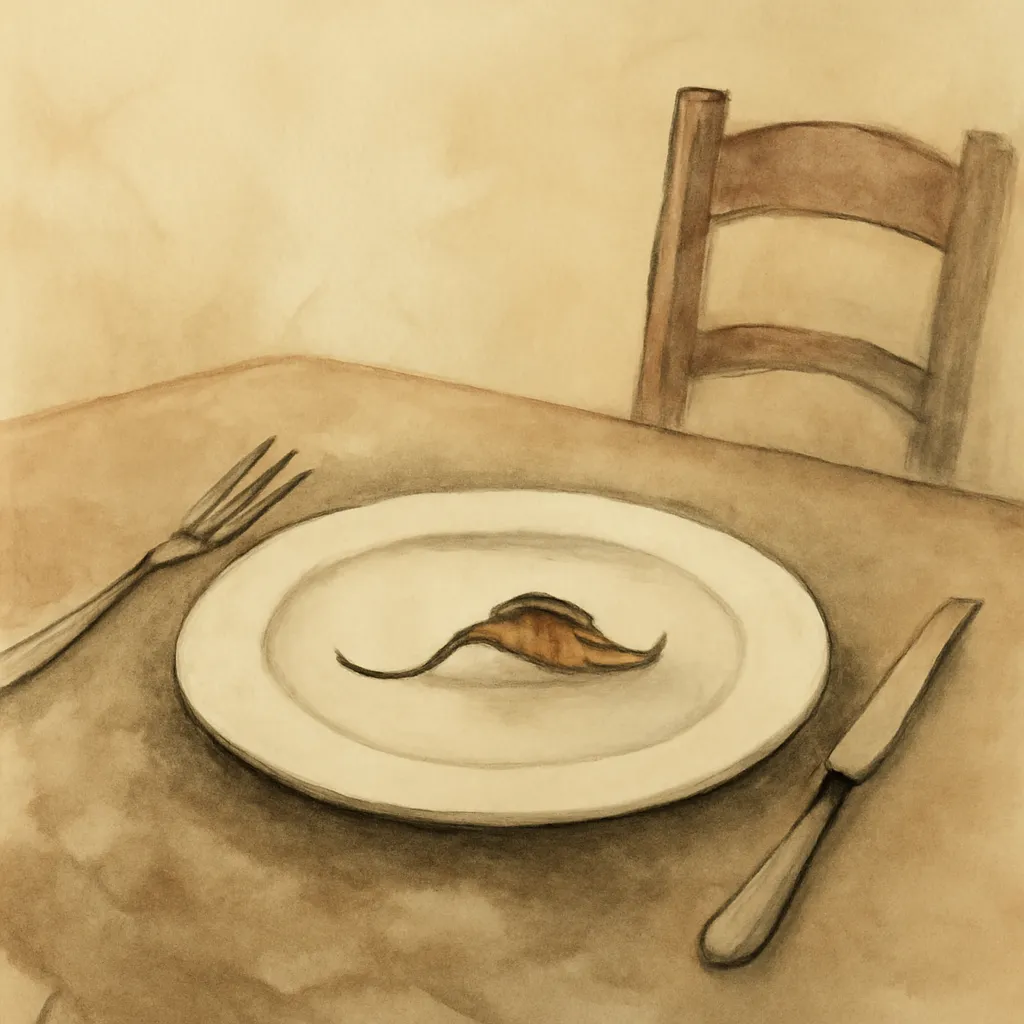
A major theme is McCurdy’s struggle with eating disorders, which were encouraged and even orchestrated by her mother. The memoir candidly explores the development of anorexia and bulimia, the shame and secrecy involved, and the long road to recovery. McCurdy’s frankness about mental health challenges—anxiety, addiction, and therapy—offers validation and hope to readers facing similar battles.
4.Grief, Guilt, and Ambivalence
The provocative title reflects McCurdy’s complicated feelings after her mother’s death. She explores the taboo of feeling relief alongside grief, and the guilt that comes with acknowledging both love and resentment. The memoir challenges readers to confront uncomfortable truths about family bonds and to accept that healing sometimes requires letting go of toxic relationships, even when they are foundational.
5.Reclaiming Identity and Agency
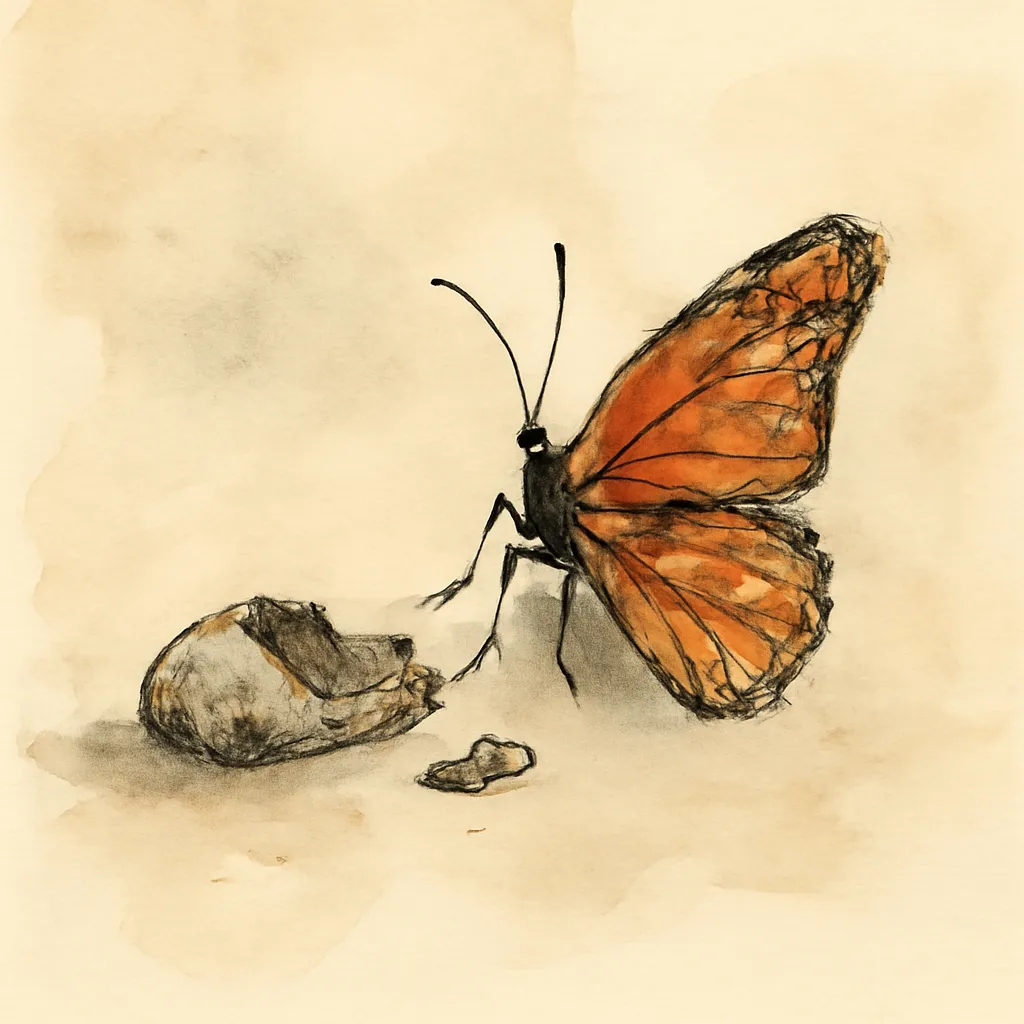
McCurdy’s journey is ultimately about reclaiming her own voice and autonomy. Breaking away from her mother’s influence, she learns to define herself outside of acting and familial obligation. The memoir traces her path to self-acceptance, creative expression, and healthier relationships. It’s a testament to the power of setting boundaries and rewriting one’s narrative, even after years of manipulation.
6.Dark Humor as Survival
Despite its heavy subject matter, the memoir is laced with sharp wit and dark humor. McCurdy uses comedy as both a coping mechanism and a storytelling tool, making her account engaging and relatable. The humor doesn’t trivialize her pain but instead highlights the absurdity and resilience required to survive and process trauma.