1.Quantum Weirdness and the Measurement Problem
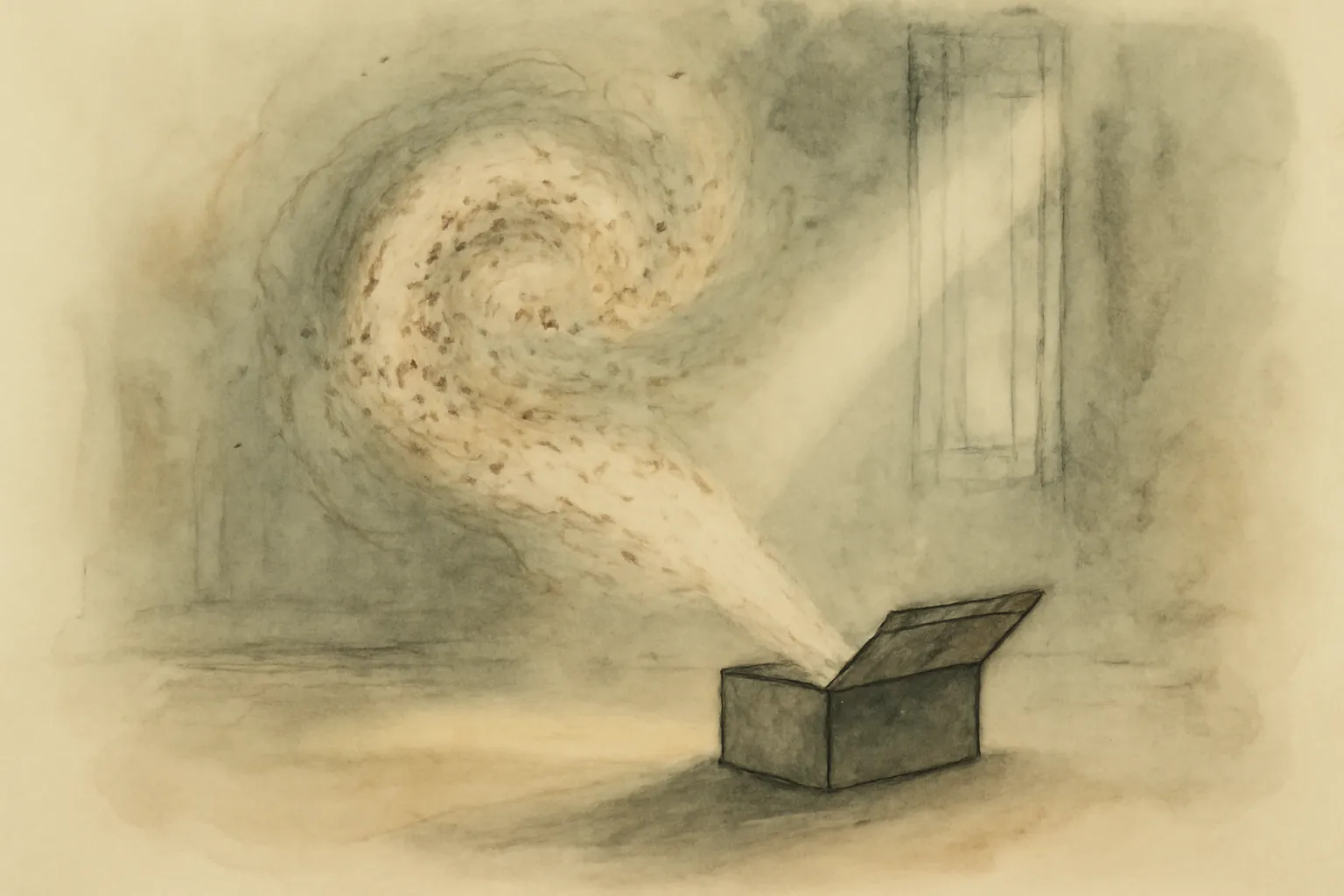
Gribbin delves into the heart of quantum mechanics by exploring its most unsettling feature: the idea that particles exist in multiple states at once until measured. The famous Schrödinger’s Cat thought experiment illustrates this, showing the clash between quantum superposition and our everyday experience. The 'measurement problem'—how and why observation collapses possibilities into a single outcome—remains unresolved, highlighting the philosophical depth and scientific challenge of quantum theory.
2.The Historical Quest for Quantum Theory
The book traces the development of quantum mechanics through the lives and struggles of pioneering scientists such as Planck, Einstein, Bohr, Heisenberg, and Schrödinger. Gribbin shows how their competing ideas, debates, and experiments led to a radical new framework that overthrew classical physics. This historical narrative emphasizes that quantum theory was not inevitable, but the result of intellectual daring and persistent questioning.
3.Quantum Reality: Competing Interpretations
Gribbin explores the various interpretations of quantum mechanics, from the Copenhagen interpretation (which emphasizes probability and measurement) to the Many Worlds hypothesis (where every quantum event spawns new universes). He presents the strengths and weaknesses of each, inviting readers to grapple with the unsettling implications for reality, causality, and the nature of existence itself.
4.Quantum Theory’s Impact on Modern Science and Technology
The book makes clear that quantum mechanics is not just philosophical speculation—it underpins much of modern technology and scientific progress. From semiconductors and lasers to DNA analysis and superconductors, Gribbin connects the abstract equations of quantum theory to the tangible innovations that shape our world, underscoring its practical as well as conceptual importance.
5.The Limits of Human Knowledge
Gribbin argues that quantum mechanics challenges our deepest assumptions about what can be known and how knowledge is acquired. The theory’s probabilistic nature and the role of the observer force us to reconsider the limits of objectivity and certainty in science. This theme resonates throughout the book, prompting readers to reflect on the boundaries between science, philosophy, and mystery.
6.Science as a Human Endeavor
By weaving in the personalities, rivalries, and philosophical debates of quantum physicists, Gribbin reminds us that science is a deeply human pursuit. The evolution of quantum theory is portrayed not as a linear march toward truth, but as a messy, creative, and sometimes contentious process shaped by individual insight and collective effort.