1.The Setting: A Town Steeped in History
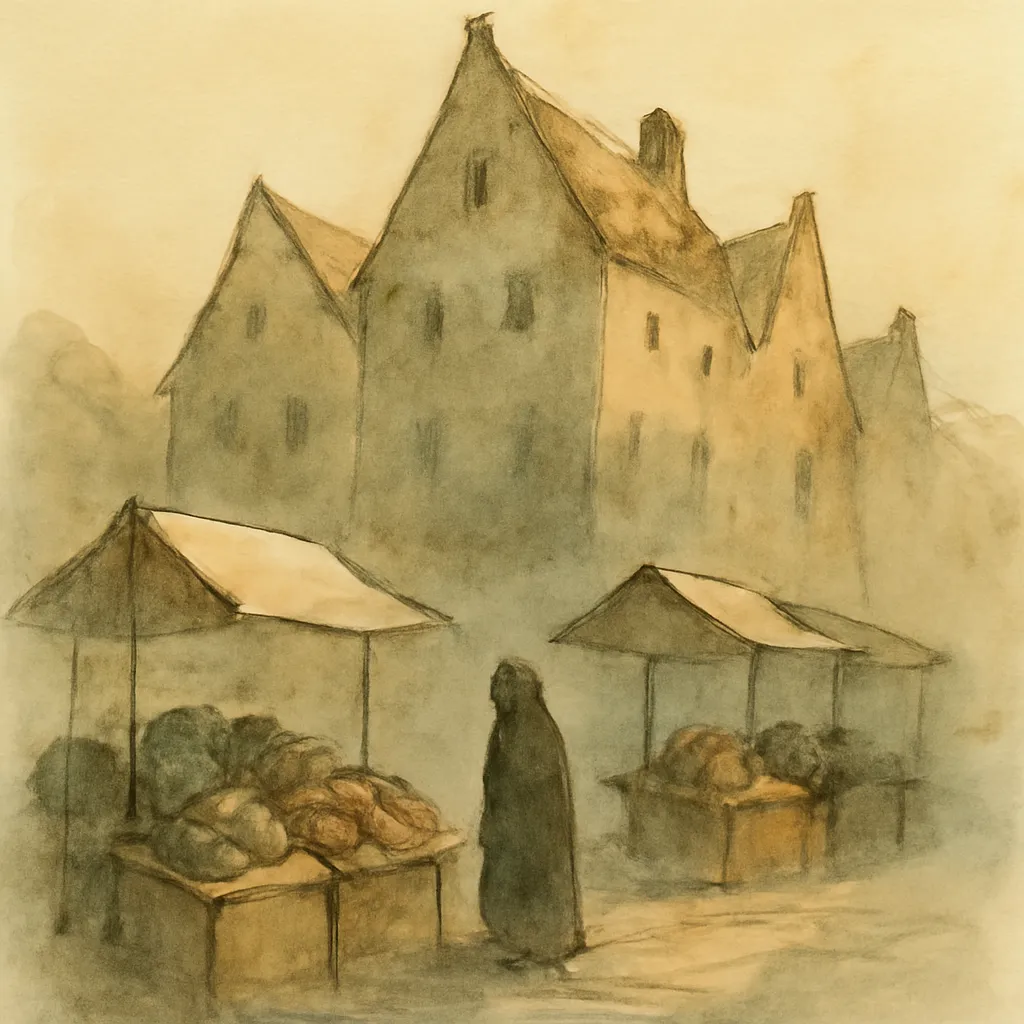
Hathelsborough serves as more than just a backdrop; it is a character in its own right. The market-place, with its cobblestones and ancient buildings, sets a picturesque scene that contrasts sharply with the dark events that unfold. The old gabled houses and the imposing parish church create an atmosphere thick with history, echoing the lives and stories of generations. Notably, the High Cross and Low Cross remain as symbols of community and tradition, where townsfolk gather to exchange news and gossip. This historical depth enriches the narrative, as it highlights the clash between the town's conservative spirit and the modern demands of governance, foreshadowing the tensions that will arise as Wallingford attempts to reform the corrupt municipal system. Fletcher's detailed descriptions invite readers to visualize a town that is both charming and fraught with underlying issues, making the murder all the more shocking against such a serene backdrop.
2.The Murder: A Catalyst for Unveiling Corruption

The abrupt murder of Mayor Wallingford is not just a plot device; it acts as a catalyst that reveals the deep-seated corruption within Hathelsborough. Wallingford, a reformist intent on cleaning up the town's financial affairs, had made enemies among those whose interests were threatened by his actions. His death raises immediate questions about who stood to gain from his removal. The murder scene, described in chilling detail, emphasizes the brutality of the act and suggests a personal motive behind the killing. The blood-stained evidence left behind, particularly the cambric handkerchief found at the crime scene, serves as a critical clue that leads the investigation into unexpected directions. This pivotal moment not only sets the stage for the ensuing investigation but also highlights the fragility of political power and the lengths individuals will go to protect their interests. The murder is a grim reminder that the fight for justice often uncovers more than just the truth behind a crime—it exposes the moral decay of the society surrounding it.
3.The Investigation: A Web of Suspects
As the investigation unfolds, a diverse cast of characters emerges, each with their own potential motives for wanting Wallingford dead. Characters such as Krevin Crood, a once-esteemed solicitor who has fallen from grace, and Simon Crood, a powerful town trustee, represent the entrenched interests that Wallingford threatened. The investigation is marked by its complexity, as each suspect brings their own secrets and histories into the fray. The interplay between these characters illustrates the intricate relationships and tensions within the town, as loyalties shift and alliances are tested. The police, led by Superintendent Hawthwaite, must navigate this labyrinth of lies and half-truths, piecing together evidence while contending with the town's clannish nature. The narrative cleverly reveals that in a small town, everyone is interconnected, making the search for the truth a daunting task. This exploration of character motivations highlights how personal ambitions can overshadow the greater good, complicating the pursuit of justice.
4.The Role of Women: Agents of Change or Victims of Circumstance?

Fletcher's portrayal of women in 'In the Mayor's Parlour' adds another layer of complexity to the narrative. Characters like Mrs. Saumarez and Louisa Speck navigate a male-dominated society, each representing different aspects of femininity and power. Mrs. Saumarez, a wealthy widow, is portrayed as both alluring and enigmatic; her interactions with Wallingford hint at deeper connections that may have influenced the mayor’s actions. Conversely, Louisa Speck, the parlour-maid, embodies the struggles of the working class, caught in the web of her employers’ affairs. The juxtaposition of these female characters illustrates the varying degrees of agency women possess in a patriarchal society, as well as the societal expectations placed upon them. Their actions and decisions become pivotal in the investigation, suggesting that women, often sidelined in discussions of power, can wield significant influence in shaping outcomes. This nuanced portrayal challenges traditional gender roles and invites readers to consider the impact of societal constraints on individual choices.
5.The Nature of Corruption: Personal and Political
At the heart of 'In the Mayor's Parlour' lies a critical examination of corruption, both personal and political. Wallingford's attempts to reform the town’s financial practices expose the entrenched interests that benefit from the status quo. The narrative reveals how corruption is not merely a matter of individual greed but is deeply woven into the fabric of the town’s governance. Characters like Simon Crood and his associates embody the resistance to change, willing to resort to extreme measures to protect their financial interests. The novel suggests that corruption breeds a culture of fear and silence, where individuals are reluctant to speak out against wrongdoing for fear of retribution. This exploration of corruption serves as a commentary on the broader implications for society, questioning the integrity of those in power and the moral compromises individuals make to maintain their positions. Fletcher's depiction of these themes resonates with contemporary issues of governance and accountability, making the story not just a historical mystery but a relevant critique of modern society.
6.The Power of Gossip: Truth and Rumor Intertwined
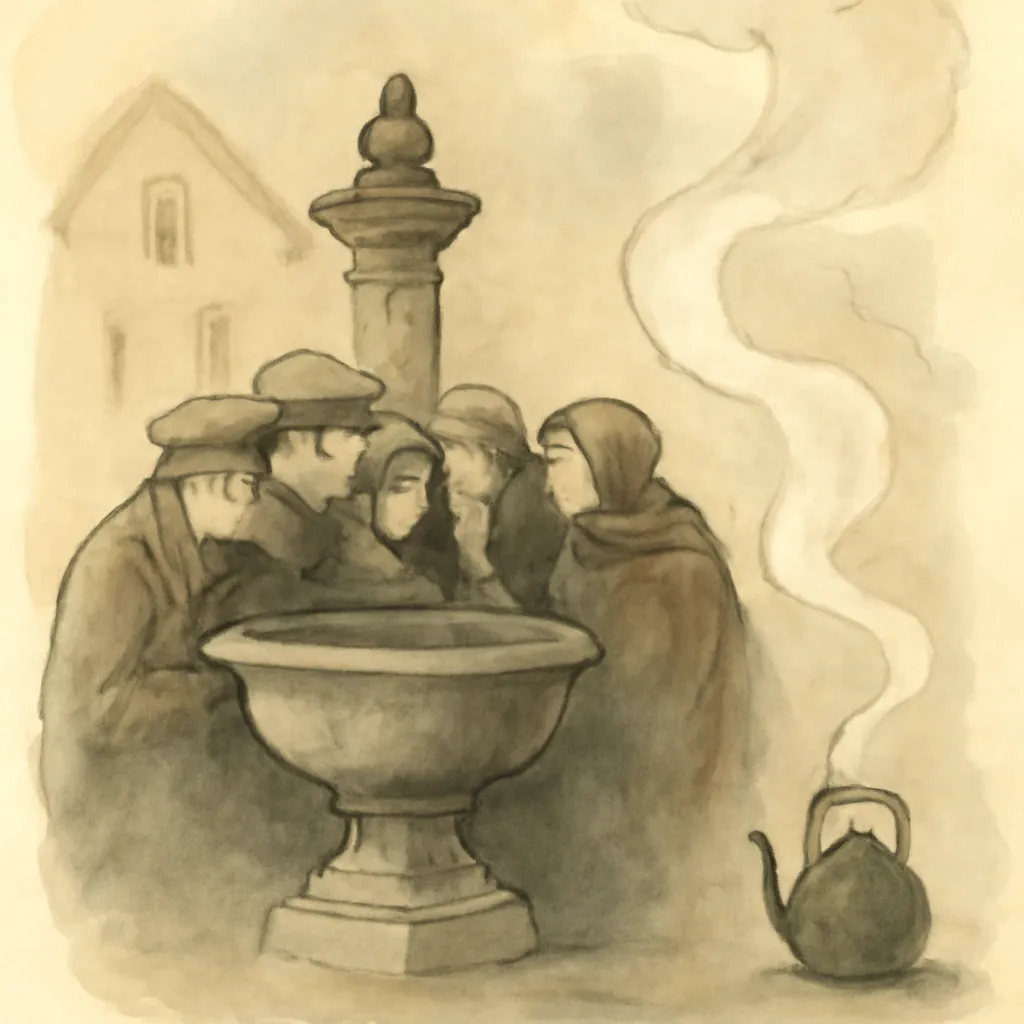
Gossip plays a pivotal role in shaping the narrative of Hathelsborough, illustrating how rumors can distort perceptions and influence public opinion. The townsfolk, drawn into the intrigue surrounding Wallingford's murder, engage in speculation that reflects their own fears and biases. The conversations overheard by Brent reveal how quickly misinformation can spread, often overshadowing the truth. This dynamic highlights the power of collective belief in shaping reality, as the community grapples with its interpretation of events. Fletcher deftly captures the tension between truth and rumor, suggesting that in a close-knit society, the lines between the two can become dangerously blurred. The impact of gossip extends beyond the individual, affecting the course of the investigation and the lives of those involved. This theme invites readers to reflect on the role of media and public discourse in contemporary society, where the rapid dissemination of information can have far-reaching consequences.
7.The Influence of Class: A Divided Society
Fletcher's narrative also delves into the class divisions that permeate Hathelsborough, highlighting the disparities between the wealthy elite and the working class. The characters represent a spectrum of social status, from the affluent town trustees to the struggling laborers. This class divide informs their perspectives on Wallingford’s murder and the subsequent investigation, as each group seeks to protect its own interests. For instance, the wealthy characters may prioritize their reputations and financial security, while the working-class characters express a desire for justice and accountability. This exploration of class dynamics adds depth to the narrative, illustrating how societal structures influence individual behaviors and decisions. The tensions between these classes reflect broader themes of inequality and privilege, prompting readers to consider the implications of class in shaping moral and ethical choices. Fletcher's nuanced portrayal of these dynamics enriches the story, making it a compelling commentary on the societal challenges of his time.
8.The Inquest: A Reflection of Justice and Accountability

The inquest into Wallingford's death serves as a critical juncture in the narrative, encapsulating the themes of justice and accountability. It brings together various characters, each with their own perspectives, to confront the reality of the murder. The proceedings highlight the complexities of the legal system and the challenges of uncovering the truth in a community rife with secrets. The responses of witnesses, particularly those who seem reluctant to share information, underscore the pervasive atmosphere of fear that hinders the pursuit of justice. Fletcher portrays the inquest as a microcosm of the town itself, reflecting the struggles between progress and tradition, transparency and secrecy. The outcome of the inquest ultimately reveals the limitations of the justice system in addressing the moral failings of the community. This exploration invites readers to reflect on the effectiveness of legal processes in achieving true accountability, raising questions about the reliability of institutions designed to uphold justice.
9.The Resolution: Closure Amidst Uncertainty

As the investigation reaches its climax, the resolution of Wallingford’s murder offers a sense of closure yet leaves lingering questions about the morality of the characters involved. The uncovering of the murderer provides a dramatic conclusion, but it does not fully address the systemic issues of corruption and complicity within Hathelsborough. Fletcher’s ending suggests that while the immediate threat may be neutralized, the underlying problems persist, leaving the town’s future uncertain. This ambiguous conclusion reflects the complexities of real-life justice, where solutions may come at a cost and the repercussions of actions extend far beyond the individual. Readers are left to ponder the implications of the events that transpired, questioning whether true reform can ever be achieved in a society steeped in tradition and corruption. The resolution invites contemplation on the cyclical nature of power and the challenges of enacting change, making the story resonate with contemporary struggles for justice and integrity in governance.