1.India's Unrest: A New Awakening
Despite its reputation for tranquility, India is currently engulfed in a wave of discontent and unrest. This spirit of unrest is not merely political; it permeates every aspect of life as Indians awaken to their potential and assert their rights in a changing world. The opposition to the partition of Bengal exemplified this burgeoning consciousness, as intellectuals and common citizens alike rallied against government decisions perceived as unjust. The Babu's boycott of foreign goods illustrates not just a political stance but a cultural resurgence, as people strive to reclaim their identity. This awakening reflects a broader trend seen in other Eastern nations, signaling a collective desire for autonomy and recognition on the global stage. The sentiment is underscored by the historical backdrop of invasions and colonization that have shaped India’s identity, instilling a sense of resilience in its people. This movement is, in essence, a reassertion of cultural pride and a quest for self-determination.
2.The Home of Many Faiths: India's Religious Diversity
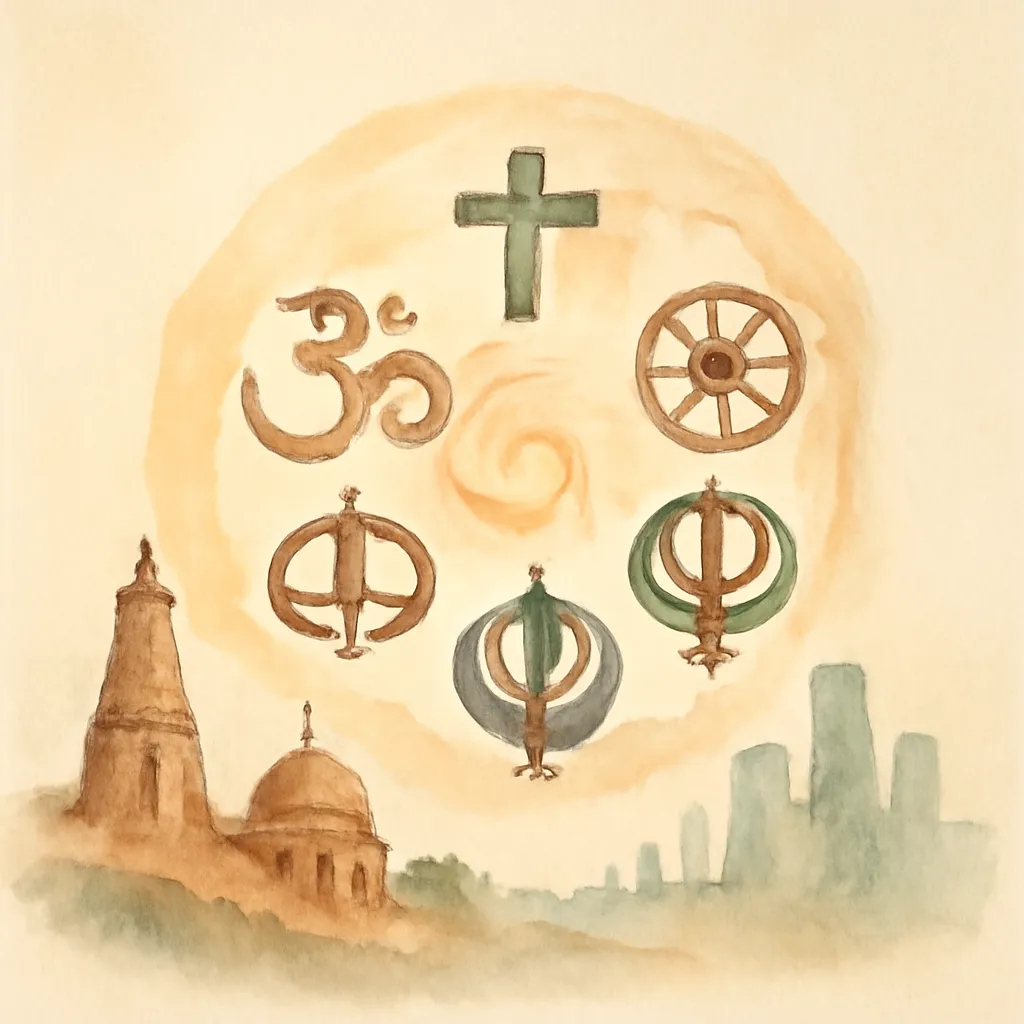
India is a crucible of religious thought, being the birthplace of nine major religions, including Hinduism and Buddhism, which collectively encompass over a third of the world's population. The historical and cultural significance of these religions cannot be overstated; Hinduism, with its myriad beliefs and practices, stands as the world's largest ethnic religion, while Buddhism represents one of the significant missionary faiths. The land also serves as a refuge for Islam and Christianity, further enriching its spiritual landscape. This diversity not only adds to the cultural richness of the country but also presents a complex interplay of beliefs that often coexist, compete, and influence one another. The coexistence of such varied faiths is visible in daily practices and festivals, where communal harmony and tensions coalesce. Traveling through India reveals a vibrant array of religious monuments and practices, showcasing the deep-rooted spirituality that permeates everyday life. The visual and experiential richness of places like Varanasi and Bodh Gaya allows visitors to engage with the profound legacy of these faiths and witness how they continue to shape individual and collective identities.
3.The Caste System: A Unique Social Structure

The caste system in India is a social framework unlike any other in the world, dictating the relationships and destinies of millions. Originating from ancient times, it has evolved into a rigid hierarchy that intertwines social and religious life. Caste is not merely a social label; it carries with it profound implications for one's spiritual standing, economic opportunities, and social interactions. Violating caste norms can result in severe penalties, both socially and religiously, reinforcing the system's grip on Hindu society. The persistent nature of caste demonstrates its deep integration into the cultural fabric of India, affecting everything from marriage to professional choices. The origins of the caste system are debated, with some tracing it back to Vedic times when society was more fluid. However, the codification of caste has led to a rigid and often oppressive social order that continues to affect millions today. It is essential to understand caste's complexities, including the struggles for reform and the emergence of movements that aim to dismantle these entrenched hierarchies. This exploration reveals the ongoing tensions within Indian society as modern aspirations clash with traditional norms.
4.The Bhagavad Gita: The Essence of Hindu Thought
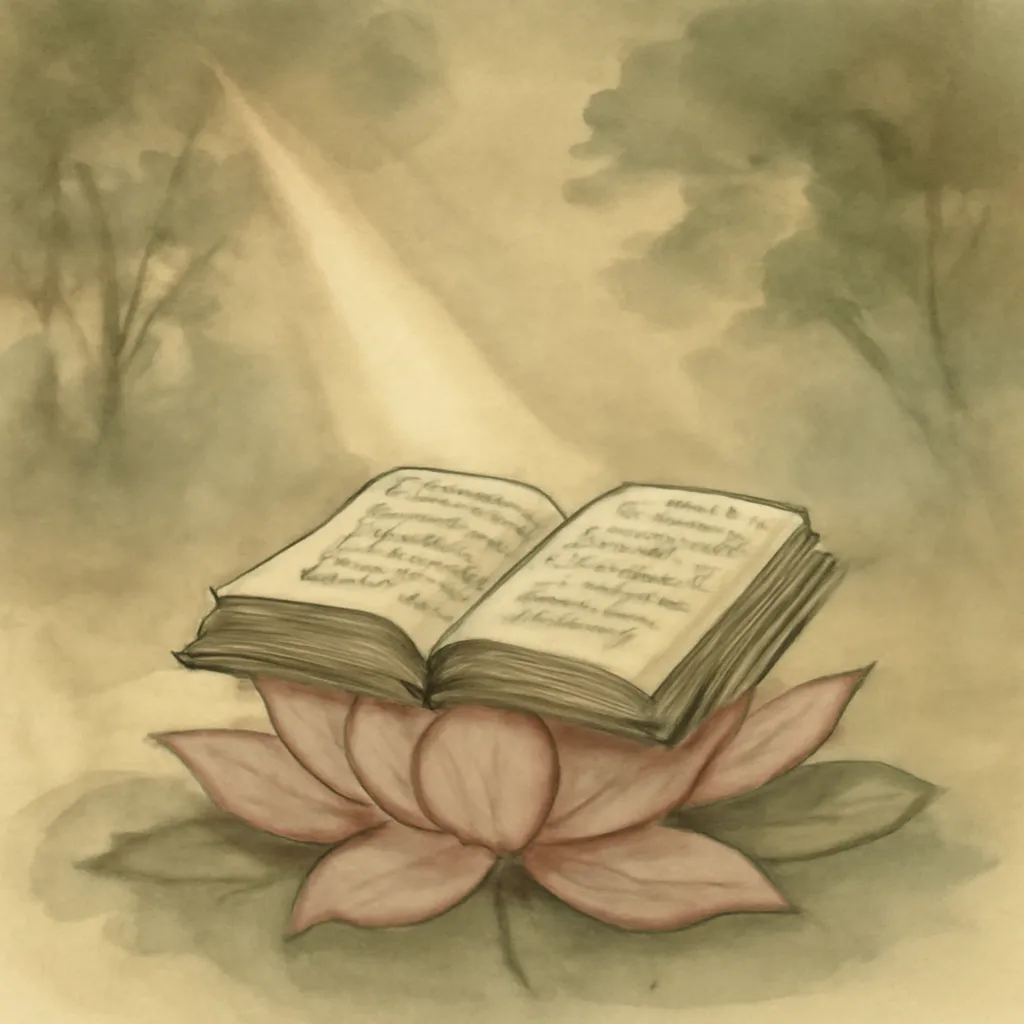
The Bhagavad Gita, often regarded as the 'Hindu Bible,' encapsulates the core of Hindu philosophy and spirituality. This text stands out for its profound insights into duty, righteousness, and the nature of reality, offering guidance that resonates with both the educated elite and the masses. Its compact form belies the depth of its teachings, which address the eternal conflict between personal desires and societal obligations. Central to the Gita is the idea of Dharma, or duty, which shapes individual actions and societal roles. The Gita's messages of devotion and selflessness continue to inspire millions, transcending cultural and geographical boundaries. The dialogues between Krishna and Arjuna serve as a metaphor for the moral dilemmas faced by individuals and societies alike, prompting readers to reflect on their responsibilities and ethical considerations. The Gita’s universal themes of love, compassion, and the pursuit of truth have made it a vital text not just for Hindus but for anyone seeking deeper understanding of life and existence.
5.Popular Hinduism vs. Higher Hinduism
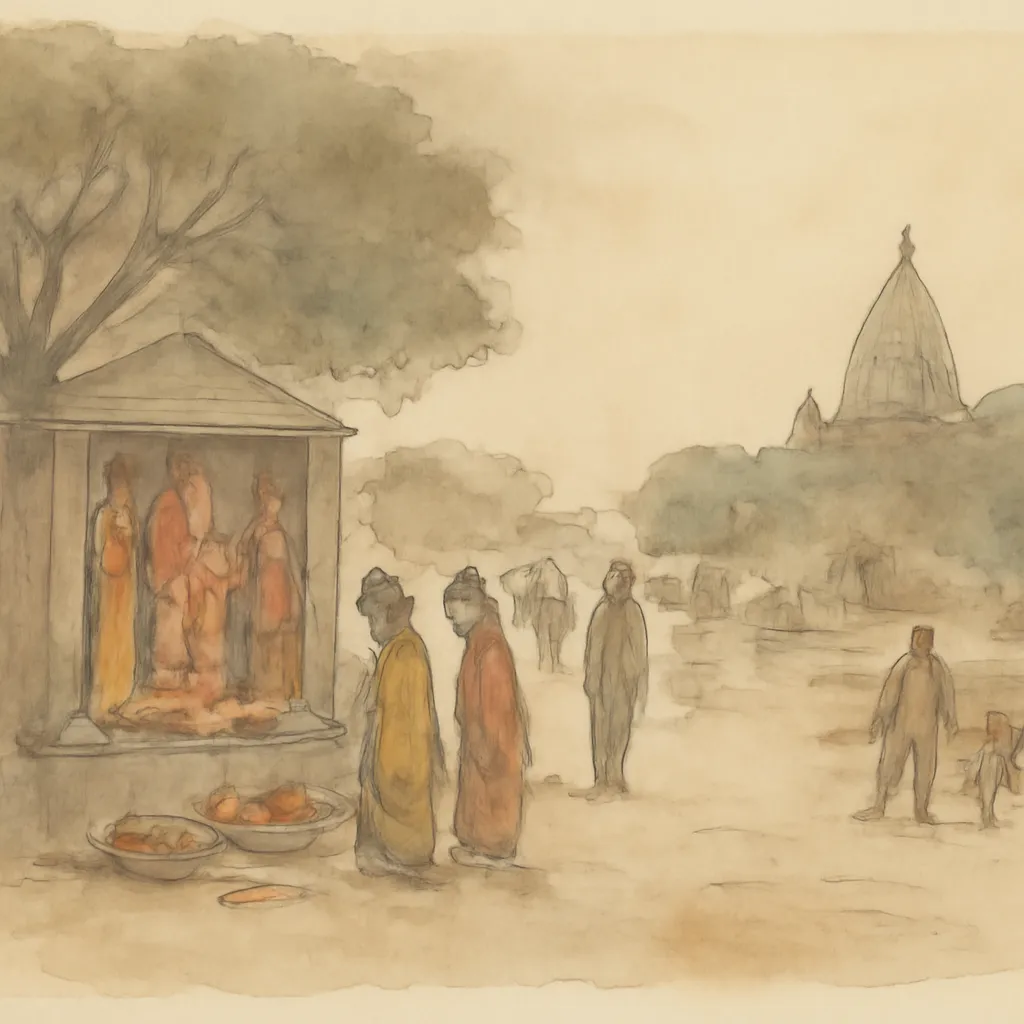
While the philosophical texts of Higher Hinduism present lofty ideals and profound spiritual aspirations, Popular Hinduism reflects a more accessible and often less sophisticated religious experience. The masses engage with a plethora of religious legends, rituals, and practices that may diverge significantly from the elevated thoughts of the Gita and other sacred texts. This divergence illustrates the vast chasm between the intellectual elite and the everyday believer in India. The popular texts, often filled with exaggerated tales and idolatrous practices, dominate the spiritual landscape for many, highlighting the challenges faced by reformers seeking to elevate the general understanding of Hinduism. The rituals and practices of Popular Hinduism can at times be superstitious and overly ritualistic, leading to a form of spirituality that may lack the philosophical depth of Higher Hinduism. This contrast raises critical questions about the nature of faith, spirituality, and the role of cultural practices in shaping religious identity. Understanding this divide is crucial for anyone aiming to engage with Indian culture, as it reveals the underlying complexities of belief systems that coexist within the same religion.
6.Islam in India: A Historical Perspective
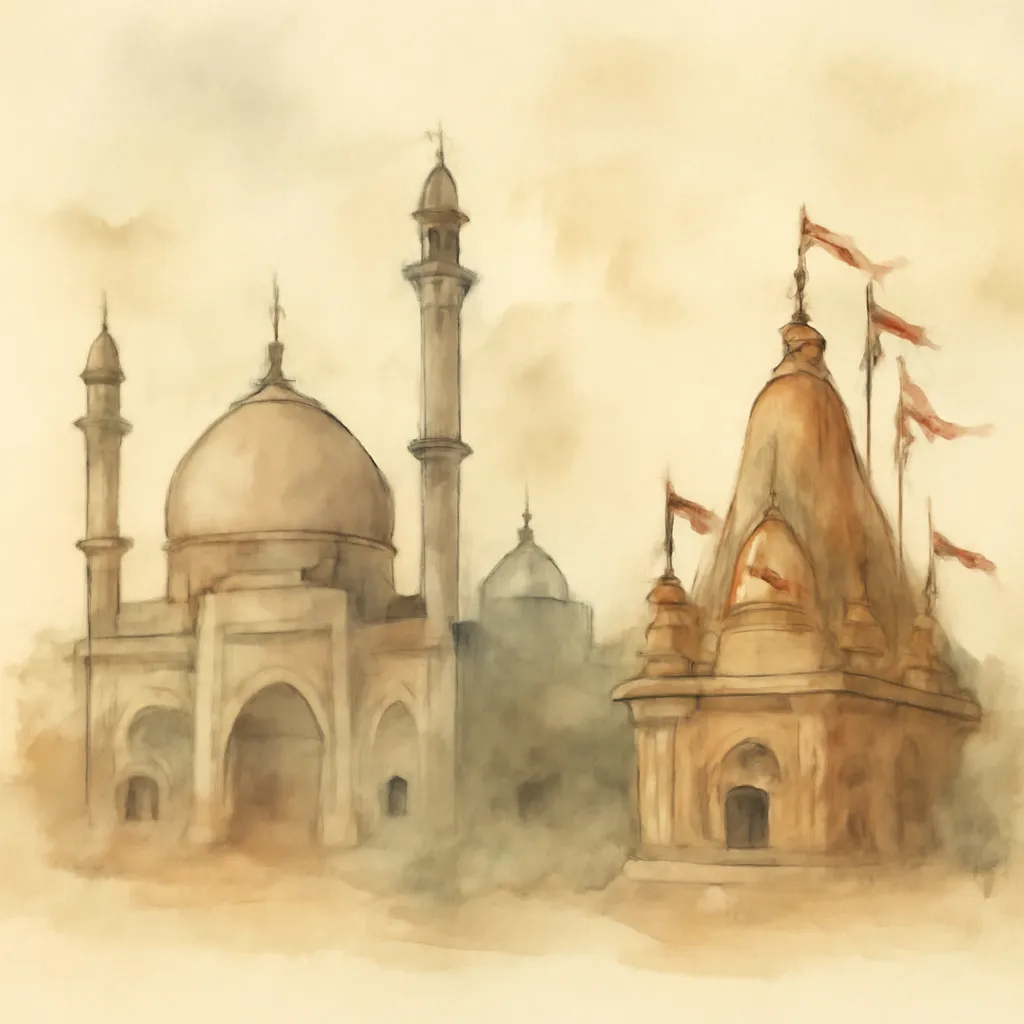
Islam's presence in India dates back over a millennium, marking a significant chapter in the country's history. With a population of over sixty-five million, Muslims represent a vital component of India's demographic tapestry. The history of Islam in India is marked by conquest and conversion, as the faith spread through military expeditions and the allure of its teachings. The initial military incursions were often violent, reflecting the tumultuous nature of its introduction to the subcontinent. However, Islam also found acceptance and adaptation among the Indian populace, leading to a unique cultural synthesis that has enriched Indian civilization. The interactions between Islam and Hinduism have led to both conflict and cooperation, creating a complex narrative of coexistence. This demographic reality underscores the importance of dialogue and understanding among religious communities, as well as the ongoing challenges faced by Muslims in contemporary India. Understanding the historical context of Islam in India is essential for grasping contemporary socio-political dynamics and the ongoing dialogue between different religious communities.
7.Kali Yuga: The Pessimistic View of Time

The concept of Kali Yuga, representing a dark age characterized by moral decline and spiritual degradation, profoundly influences the Indian psyche. This belief system imbues time with a sense of fatalism, as many view their current existence as a decline from a golden past. Such perceptions can hinder progress and reform, as they foster a sense of despair among the populace. The traditional views of time, intertwined with religious beliefs, shape societal attitudes towards change and development. Challenging these entrenched notions could lead to a more optimistic outlook, fostering a spirit of resilience and hope for the future. The cyclical nature of time in Hindu philosophy contrasts sharply with linear Western perceptions, impacting how individuals approach life, legacy, and the future. The implications of Kali Yuga on personal and communal levels illustrate the complex interplay between belief and reality, revealing how deeply ingrained views of time can shape aspirations and actions.
8.Home Life of Hindus: The Sanctuary of Daily Rituals
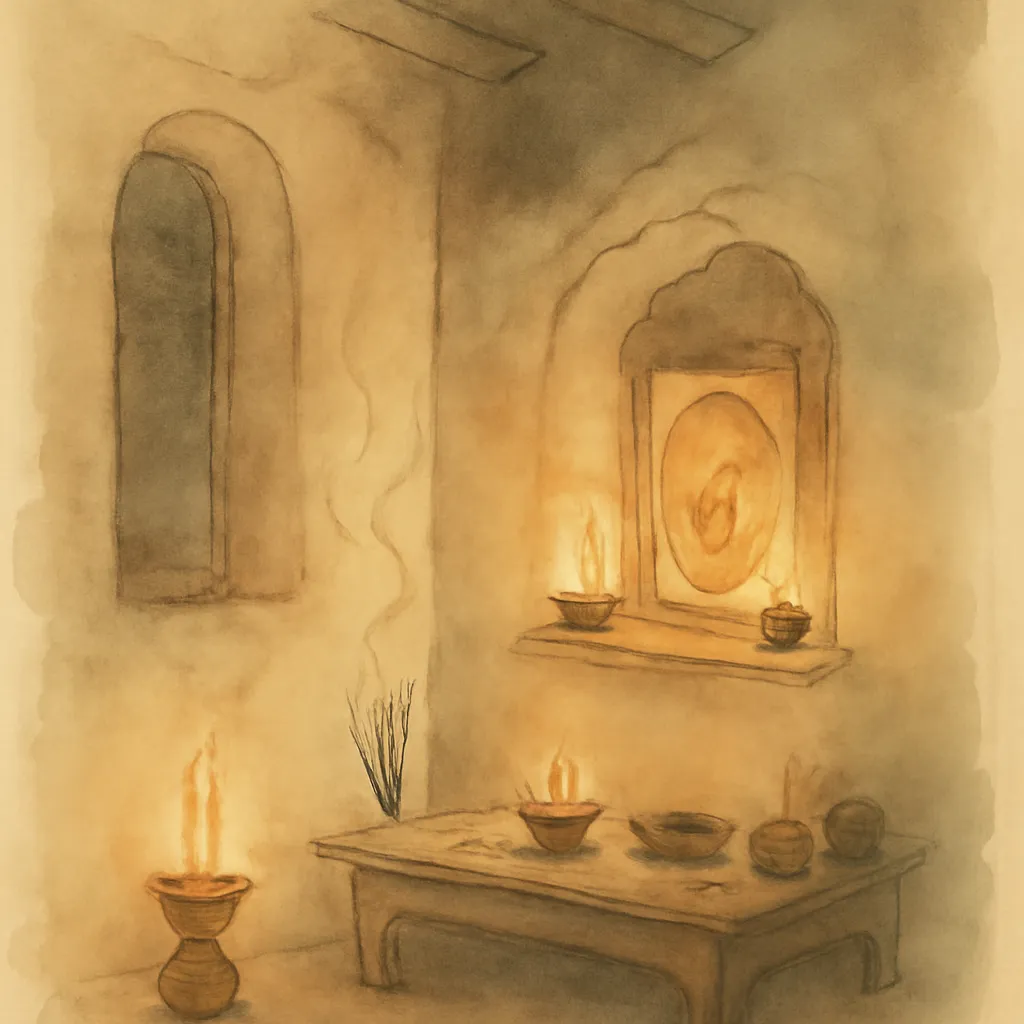
The home life of Hindus is deeply intertwined with spirituality, where domestic spaces are often viewed as sacred. Each household typically contains a shrine dedicated to family deities, and daily rituals are performed to honor these divine presences. From birth to death, every significant life event is approached with a religious lens, demonstrating the pervasive influence of spirituality in everyday life. The rituals, often facilitated by a family priest, reinforce familial bonds and cultural identity. These practices serve not only as expressions of devotion but also as mechanisms for social cohesion, binding families and communities together. The significance of these rituals extends beyond mere tradition; they are vital in maintaining a sense of continuity and belonging in a rapidly changing society. This sanctity of home life reflects broader societal values, illustrating how personal spirituality is embedded within the communal and cultural context of Indian life. Understanding the domestic religious practices of Hindus provides insights into their worldview and the integral role of faith in shaping their daily experiences.
9.Challenges and Progress of Christianity in India
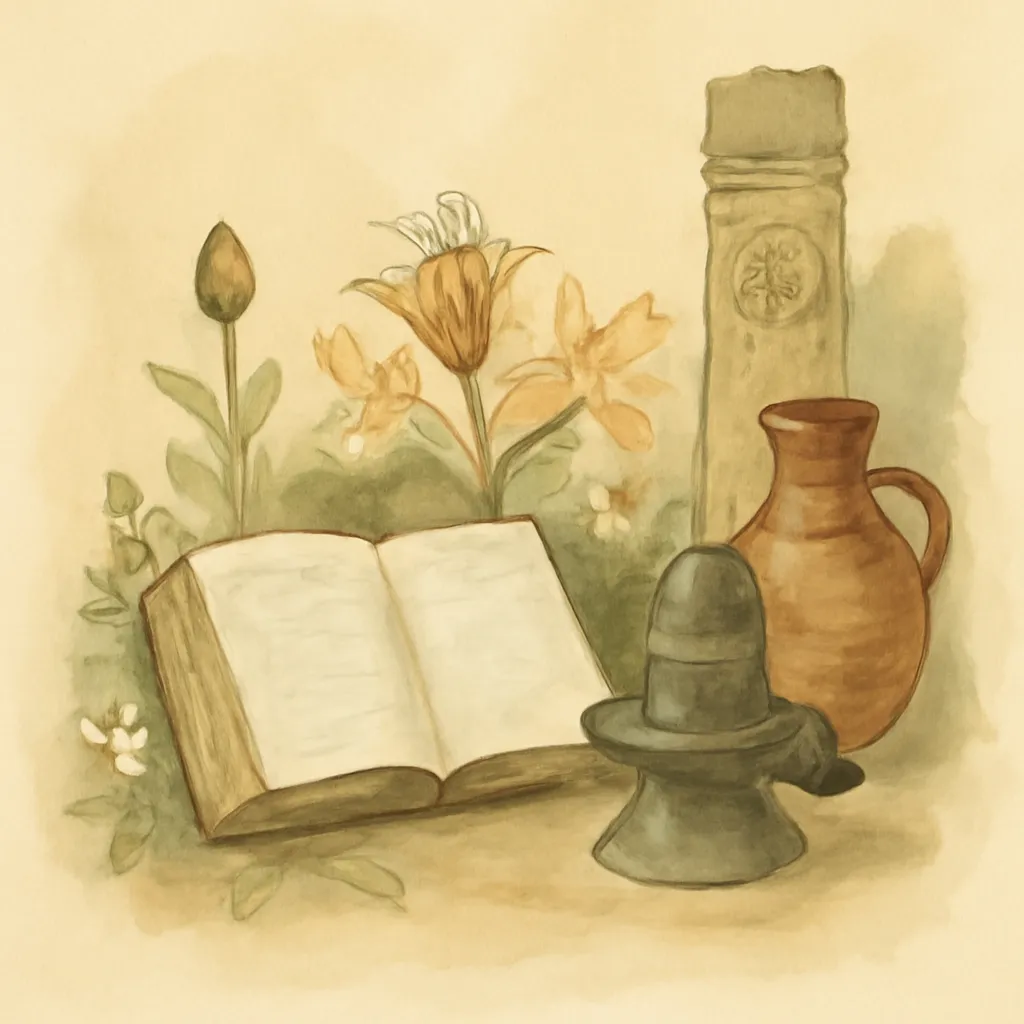
Christianity has a long and complex history in India, marked by both success and struggle. For centuries, missionaries have sought to engage with Indian society, translating the Bible into local languages and adapting their approaches to resonate with diverse cultural contexts. The impact of early missionaries, such as Ziegenbalg, set a precedent for future efforts, emphasizing the importance of vernacular engagement. The early attempts to evangelize were often hampered by cultural misunderstandings and the entrenched nature of Hindu and Islamic beliefs. However, significant progress has been made over the years, as Christianity has established a foothold in various regions, particularly in the South. The ongoing dialogue between these faiths reveals the complexities of religious coexistence in India, as well as the potential for mutual enrichment and understanding. This exploration of Christianity in India underscores the importance of cultural sensitivity and adaptability in fostering interfaith relations. The interplay of faiths continues to shape the spiritual landscape, offering opportunities for collaboration and shared values amid diversity.
10.The Influence of Christ and Buddha: A Comparative Study
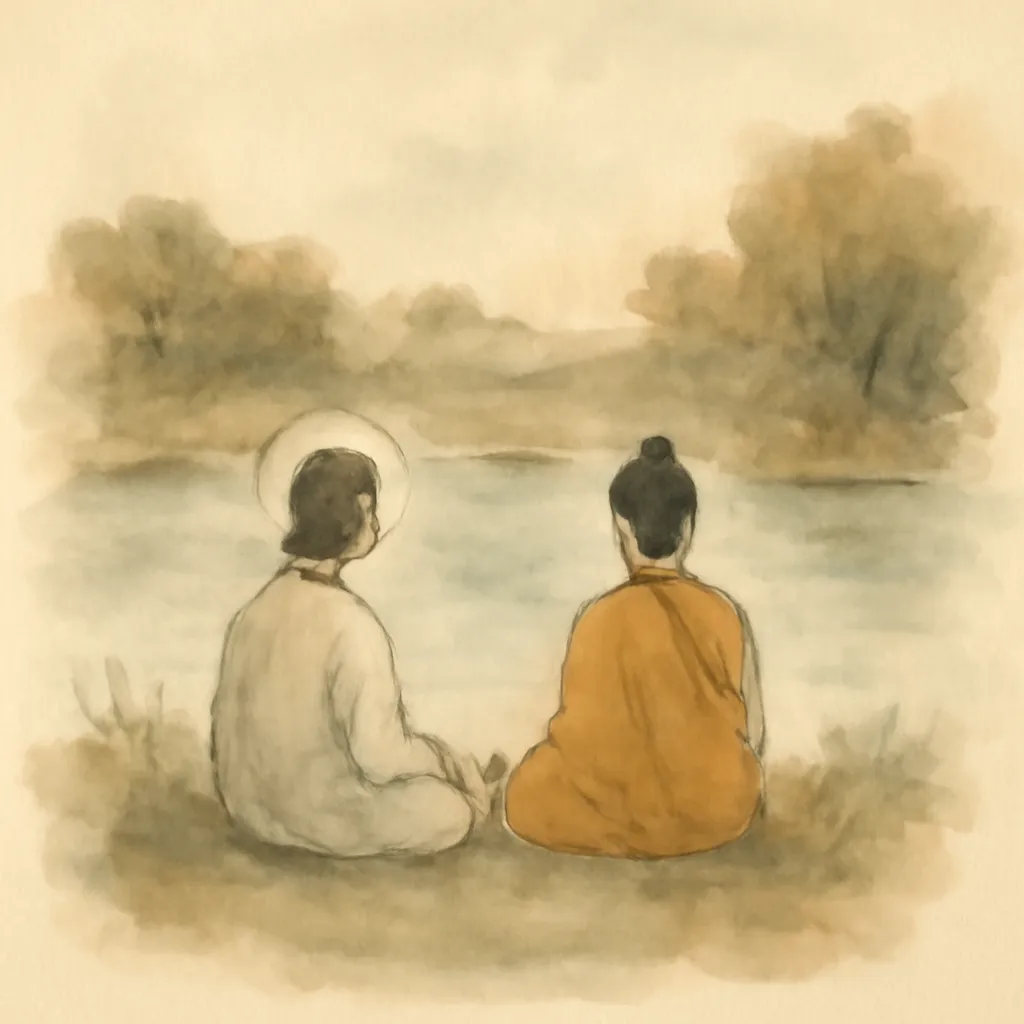
Christ and Buddha stand as towering figures in the spiritual landscape of the world, each embodying profound moral teachings and transformative philosophies. Their lives, while separated by geography and culture, share striking similarities in their messages of compassion, selflessness, and spiritual awakening. Both figures emphasized the importance of ethical living and the pursuit of higher truths, yet their paths diverged significantly in terms of rituals, beliefs, and community practices. The comparison of their teachings reveals both consonances and dissonances, particularly in how each faith addresses human suffering and the path to enlightenment. As their influences continue to resonate across cultures, the potential for dialogue and mutual understanding between Christianity and Buddhism grows, offering a rich field for exploration in comparative religion. This exploration highlights how the teachings of Christ and Buddha can inform one another and contribute to the development of a more compassionate and understanding world.