1.The Vastness and Diversity of India
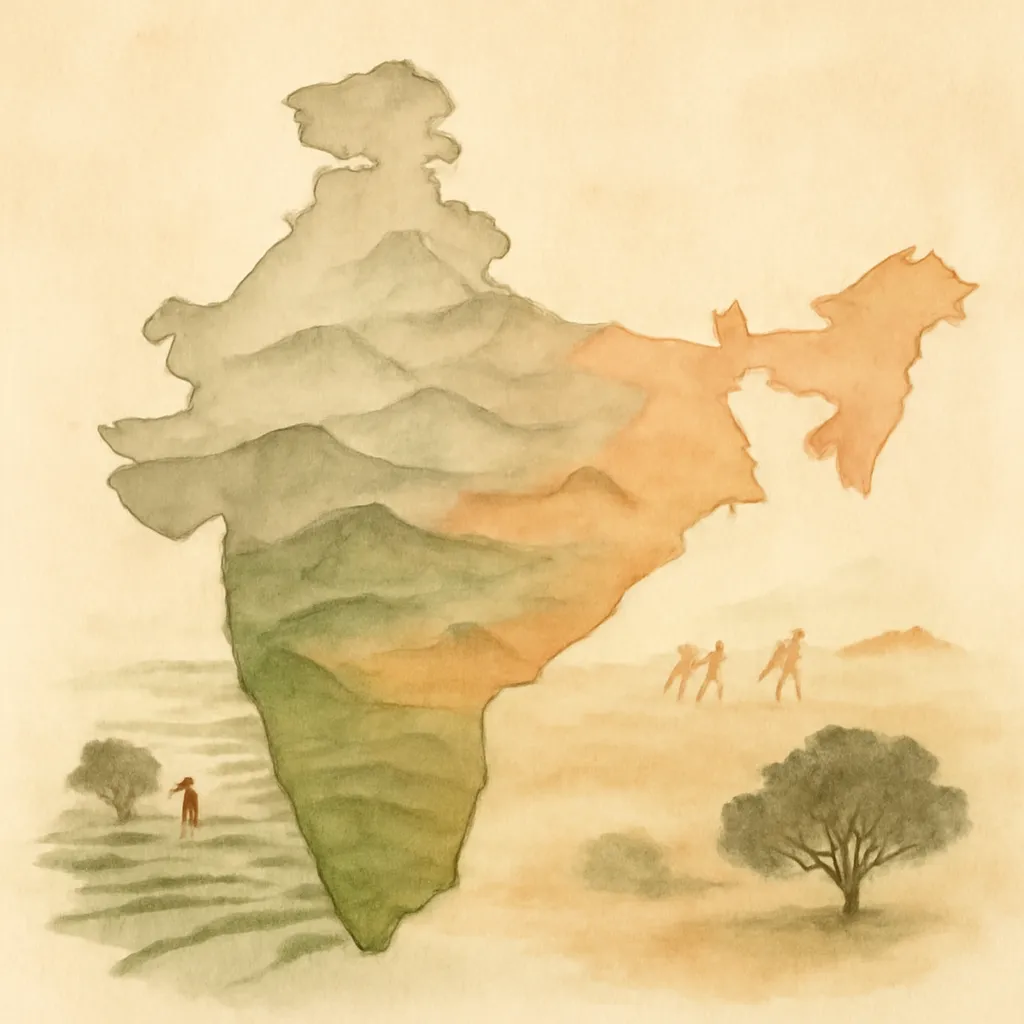
India is not merely a country; it is a vast subcontinent, rich in diversity and complexity. Stretching 1,900 miles from east to west and north to south, it encompasses a myriad of cultures, languages, and religions. This diversity is mirrored in its geography, with the majestic Himalayas to the north and the fertile plains of the Ganges serving as the lifeblood for millions. The sheer scale of India makes it a unique space for cultural and religious interactions, presenting both immense challenges and opportunities for understanding and engagement. Within its borders reside numerous ethnic groups, each with distinct customs and traditions. Jones underscores the significance of this diversity as essential for grasping the nature of the religious conflicts and dialogues that are central to India's identity, indicating that any approach to missionary work must be tailored to respect and incorporate this intricate cultural fabric.
2.India as the Mother of Religions
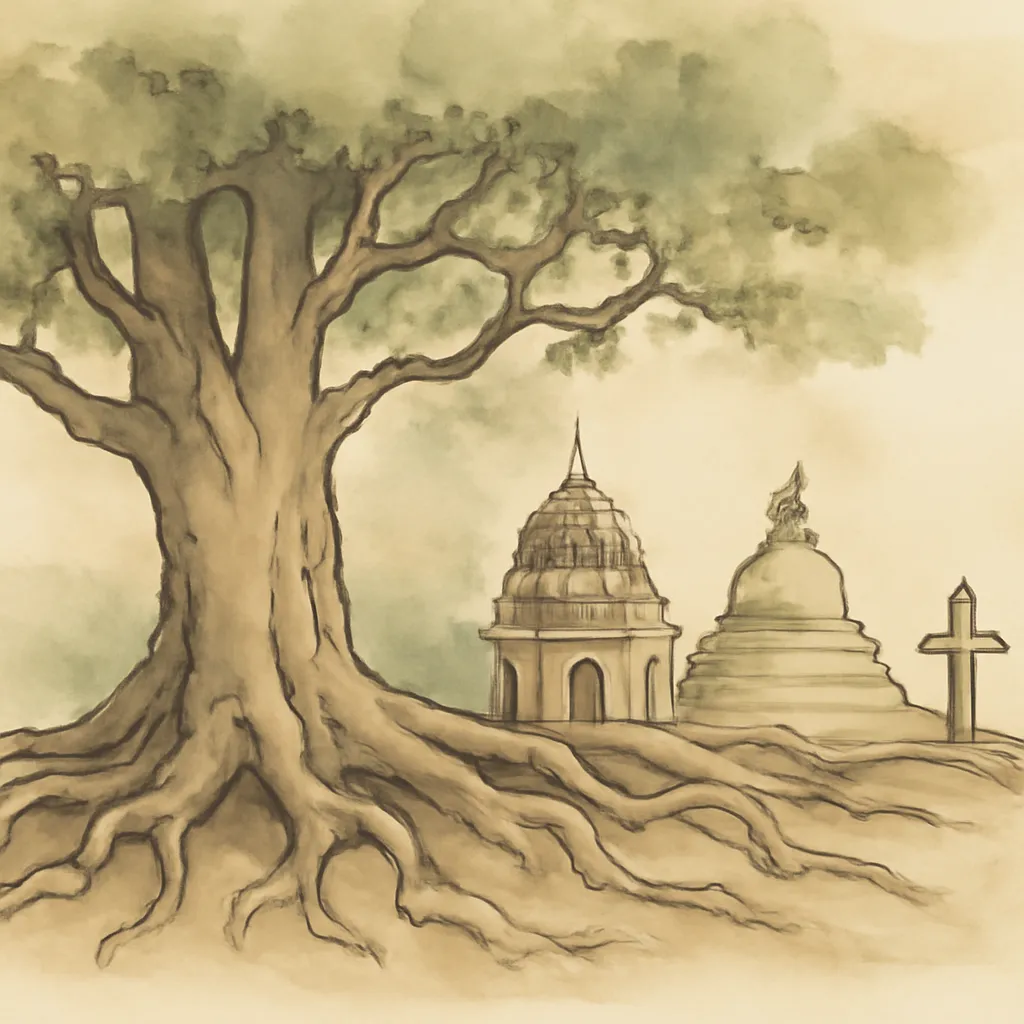
India has been a crucible for religious thought, producing major faiths such as Hinduism, Buddhism, Jainism, and Sikhism. This rich spiritual heritage has fostered a culture of tolerance, allowing various religions to coexist and flourish. Jones points out that while Christianity has a relatively small presence in India, comprising only one percent of the population, it must navigate a landscape dominated by these ancient traditions. In his analysis, he highlights the historical significance of these religions, noting how they have shaped not only the spiritual but also the social and cultural frameworks of Indian society. This historical context is crucial for understanding the various approaches and attitudes toward Christianity, as well as the potential for dialogue and mutual respect among different faiths. The author emphasizes that understanding this religious diversity is vital for any meaningful engagement with the Indian populace, and that Christian efforts must be sensitive to the nuances inherent in this pluralistic environment.
3.The Convergences and Divergences of Hinduism and Christianity

Jones meticulously outlines the fundamental differences between Hinduism and Christianity, particularly in their initial conceptions of faith. Christianity, rooted in the narrative of divine love and salvation, stands in contrast to Hinduism’s emphasis on individual aspiration and self-realization. The former presents a monotheistic framework with a clear personal God, while the latter often embraces a pantheistic view, where divine elements are perceived in the universe itself. This divergence extends to their respective approaches to scripture, ritual, and the nature of salvation, creating a complex terrain for dialogue. Jones emphasizes that the paths to understanding God in both faiths reflect distinct worldviews; Christianity’s focus on a loving, seeking God contrasts sharply with Hinduism’s portrayal of a more abstract, often impersonal divine reality. Furthermore, he discusses how these differences shape the ethical and moral outlooks of each faith, influencing community life and personal behavior. This contrast creates both barriers and opportunities for interfaith dialogue, calling for Christians to engage with Hindu beliefs while maintaining their own theological integrity.
4.The Evolution of the Native Christian Identity
The evolution of Christianity in India has been gradual, with native Christians developing their own identity over generations. While Protestant Christianity has been present for over a century, it has not yet produced a fully distinct Indian Christian character. Jones notes that the native Christian community today often reflects a blend of Western influence and local culture, resulting in a unique but still evolving identity. He emphasizes that this struggle for a clear identity highlights the challenges faced by Christianity in a land where cultural heritage is deeply intertwined with religious practice. The author suggests that for Christianity to thrive in India, it must move beyond being seen as a foreign religion and cultivate a more indigenous expression of faith. This includes embracing local languages, traditions, and social practices, while also addressing the needs and aspirations of the Indian people. As Jones observes, the future of Christianity in India lies in the ability to foster an authentic Christian identity that resonates with the cultural context, thus encouraging a genuine sense of belonging among native Christians.
5.The Condition of Women as a Reflection of Civilization

The status of women in India serves as a critical indicator of the overall health of Indian society. Jones emphasizes that the treatment of women reflects the broader social and religious dynamics at play. While ancient texts celebrated the role of women, modern practices often reveal a stark contrast, with many women facing significant social and educational barriers. The author contrasts the experiences of women across different communities, from the progressive Parsee community to the more conservative Hindu traditions. He discusses how cultural practices such as dowry and child marriage have historically marginalized women, leading to widespread inequality and oppression. Through this lens, Jones illustrates the urgent need for reform and empowerment, arguing that the elevation of women's status is essential for the advancement of Indian society as a whole. Furthermore, he draws attention to the role that Christianity can play in promoting gender equality, suggesting that Christian teachings can inspire positive changes in societal attitudes toward women and encourage their active participation in all spheres of life.
6.The Historical Context of Christianity in India
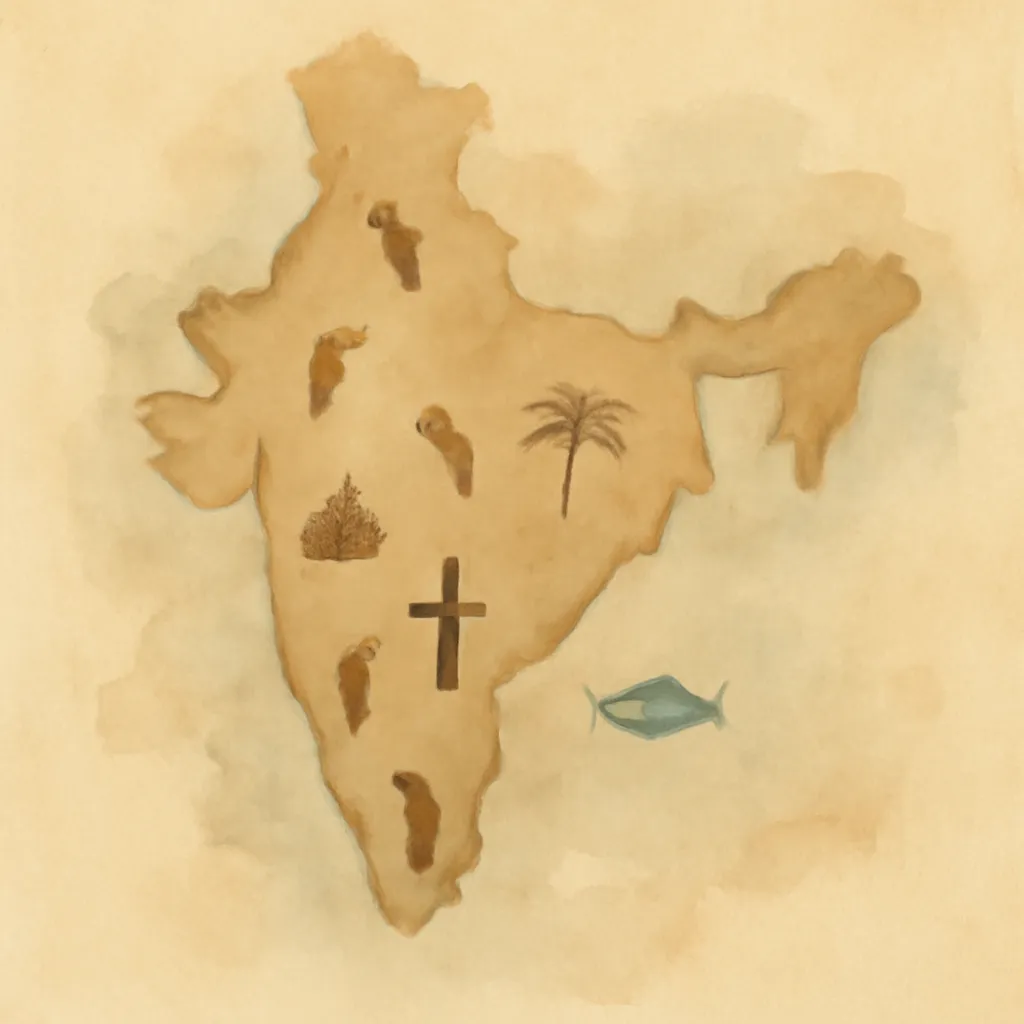
Christianity's introduction to India is steeped in legend and historical ambiguity. Jones explores the early claims of apostolic origins, particularly the association with St. Thomas, and how these narratives have shaped the perception of Christianity in India. He critically examines the historical evidence, suggesting that while there were early Christian influences, the organized missionary efforts began much later. By tracing the history of missionary activity in India, from the arrival of early missionaries to the establishment of mission societies in the 19th century, Jones provides insights into how these efforts have evolved over time. This historical context is vital for understanding the contemporary challenges and opportunities faced by Christian missionaries in India, as they navigate a landscape shaped by centuries of established religious traditions. Jones argues for a need to engage with this history to foster a more authentic and respectful dialogue with Indian society, allowing Christianity to be perceived as a collaborative partner in the spiritual and social development of the nation.
7.The Role of Missionaries in Modern India
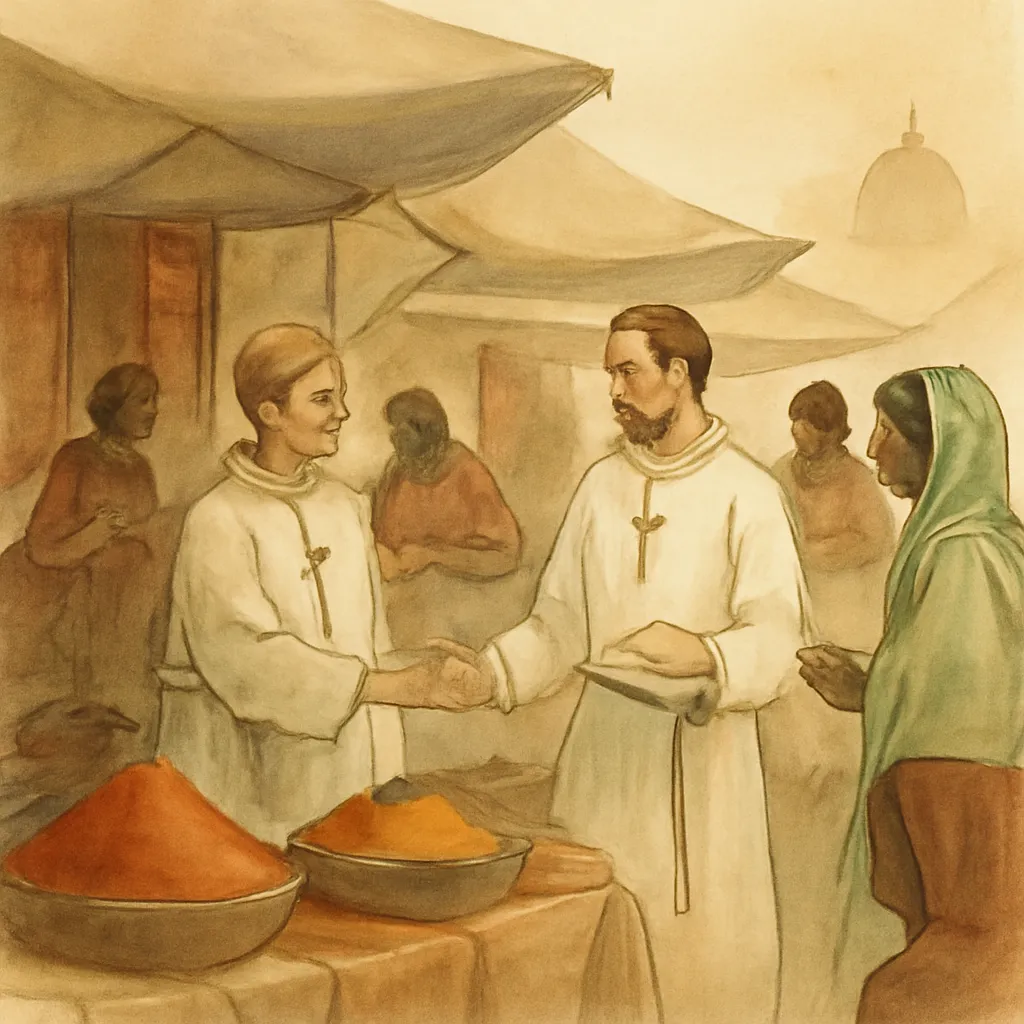
The modern missionary force in India comprises a diverse group of individuals committed to sharing their faith and fostering social change. Jones describes the evolving role of missionaries, highlighting the necessity for specialization in their efforts to be effective. He emphasizes the importance of sending well-trained, culturally sensitive missionaries who can engage meaningfully with the local context. The author also draws attention to the growing presence of female missionaries, who have made significant contributions to education and healthcare in India. Their work is not only about conversion but also about addressing social issues, thus intertwining faith with social justice. Missionaries today must navigate a complex landscape where they are often seen as representatives of Western culture, which necessitates a deeper understanding of Indian customs and beliefs. Jones argues that successful missionaries must build trust and rapport with local communities to create a sustainable impact, underscoring the need for a collaborative approach that respects and incorporates indigenous perspectives.
8.Organizational Efficiency in Missionary Work

Effective organization is critical for the success of missionary efforts, according to Jones. He stresses that a well-structured missionary organization is essential for sustaining long-term efforts and ensuring that resources are effectively utilized. This involves fostering strong connections between mission societies and local churches, enabling a collaborative approach to ministry. Jones argues that a cohesive strategy is crucial to avoid fragmentation and ensure that missionary work is aligned with the needs of the communities being served. He emphasizes the importance of training and equipping local leaders, who can carry on the work of the church in their own cultural context. The author highlights the need for continual evaluation and adaptation of missionary strategies to meet the changing dynamics of Indian society. By developing an efficient organizational framework, missionaries can maximize their impact and contribute meaningfully to the advancement of the Christian faith in India.
9.Addressing Present-Day Missionary Challenges

Jones identifies several contemporary challenges facing missionaries in India, particularly regarding the legitimacy of their presence and the effectiveness of their methods. He discusses the growing skepticism about the right of the Christian Church to evangelize in non-Christian contexts, fueled by a belief in the natural evolution of faiths. This presents a dilemma for missionaries who must balance their spiritual convictions with respect for indigenous beliefs. The author argues that a successful approach to these challenges requires deep cultural understanding and adaptation of missionary strategies to align more closely with local contexts. He stresses that the key to overcoming resistance lies in demonstrating genuine love and service to the communities in which missionaries work, rather than merely focusing on conversion. By engaging with local issues, such as education, healthcare, and social justice, missionaries can build credibility and foster goodwill, ultimately creating a more favorable environment for dialogue about faith.
10.The Indirect Impact of Christianity in India
The influence of Christianity in India extends beyond traditional metrics of conversion and church attendance. Jones points out that the 'leavening' effect of Christian principles can often be observed in social reforms and shifts in cultural attitudes, even among non-Christians. He notes that many movements towards education, women's rights, and social justice have roots in Christian initiatives, reflecting a broader transformation of societal norms. This indirect influence suggests that the impact of Christianity in India is profound and multifaceted, encouraging a more holistic view of missionary success that encompasses both spiritual and societal dimensions. Jones argues that the effects of Christian teaching are visible in the changing attitudes toward issues such as caste discrimination and the empowerment of marginalized communities. By fostering an understanding of Christianity as a force for good in society, missionaries can help pave the way for a more inclusive and equitable future.