1.The War as a Human Catastrophe
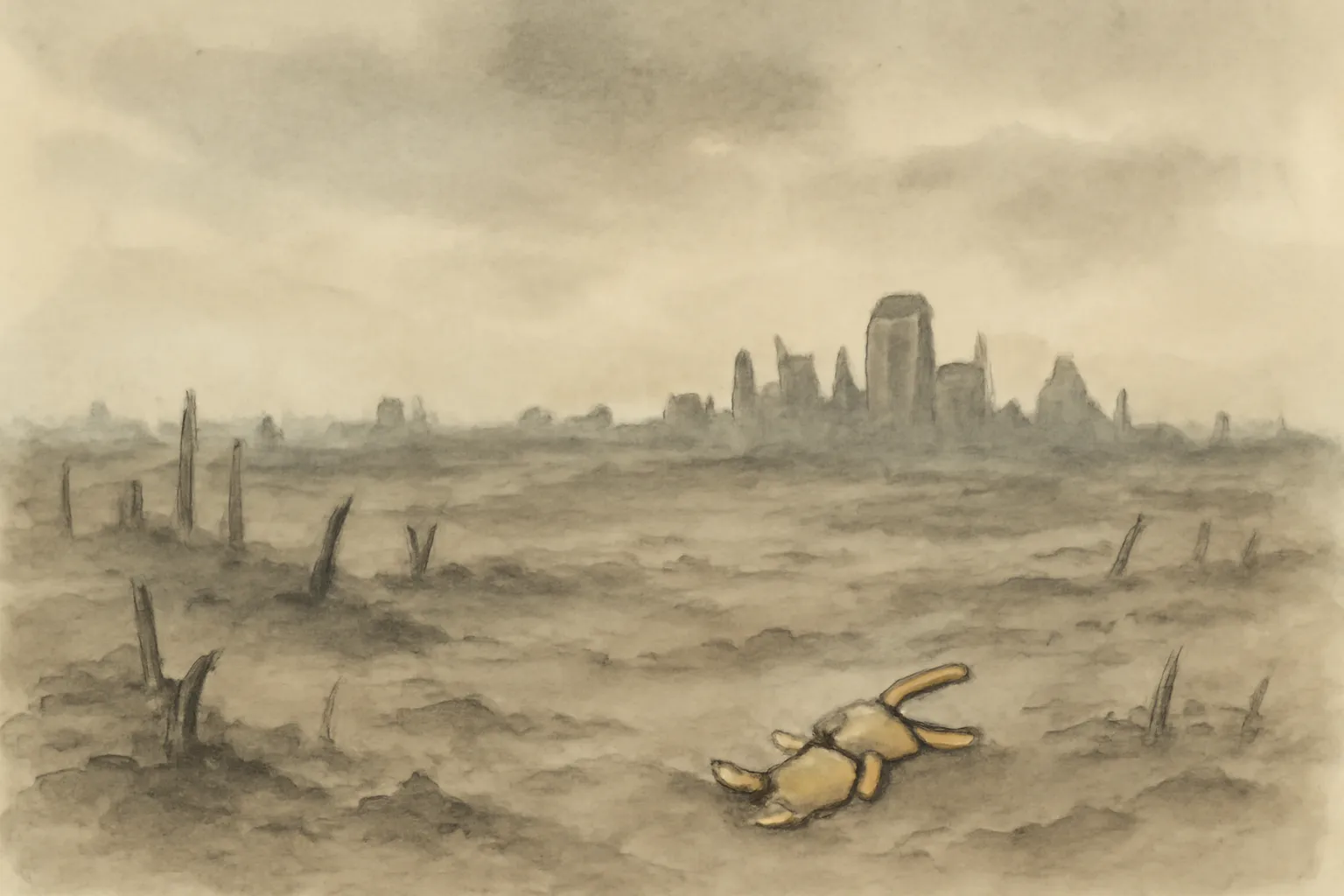
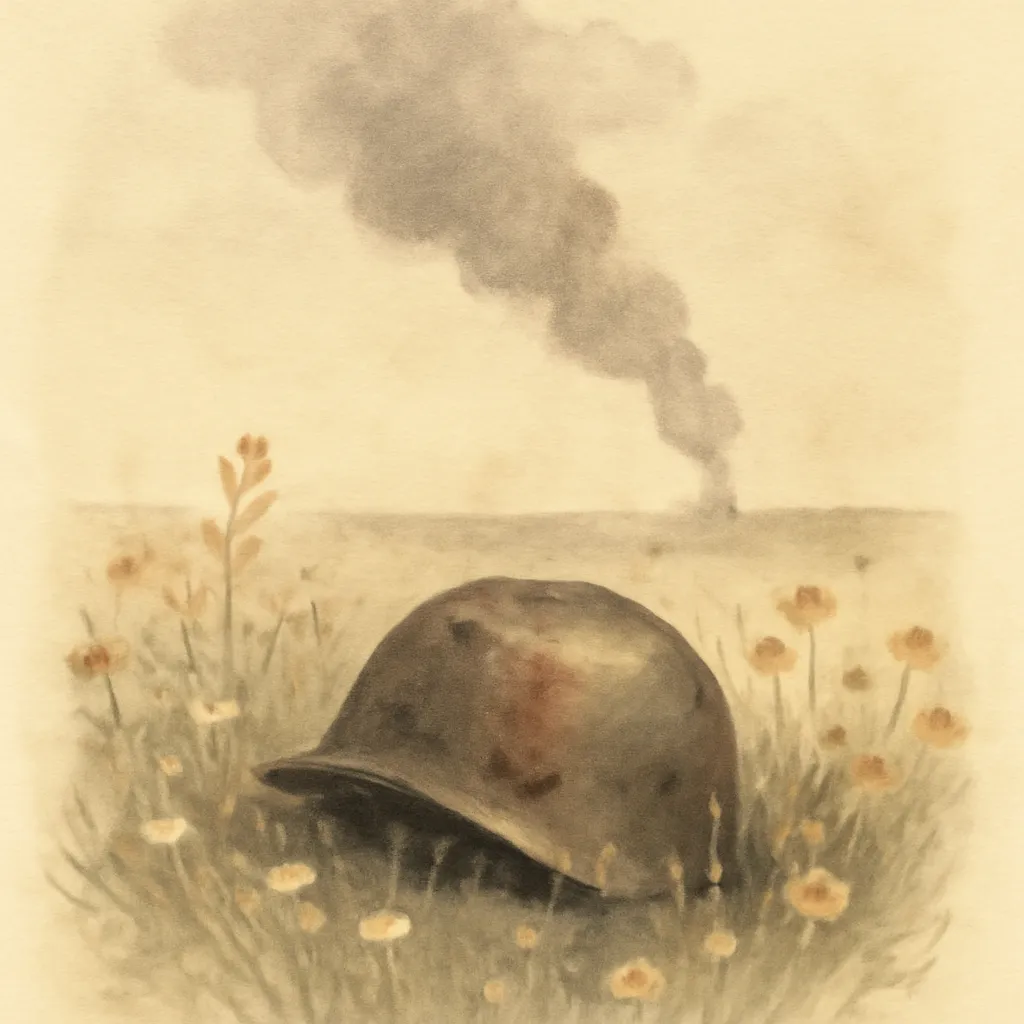
Hastings emphasizes that World War II was not just a clash of armies and ideologies, but a human tragedy on an unprecedented scale. He details the suffering of civilians—starvation, bombings, mass executions, and displacement—arguing that the war’s true horror lies in its impact on ordinary lives. The book is filled with firsthand accounts from a wide range of perspectives, making the reader confront the war’s brutality and the moral ambiguities faced by those caught in its path.
2.Global Scope, Local Realities
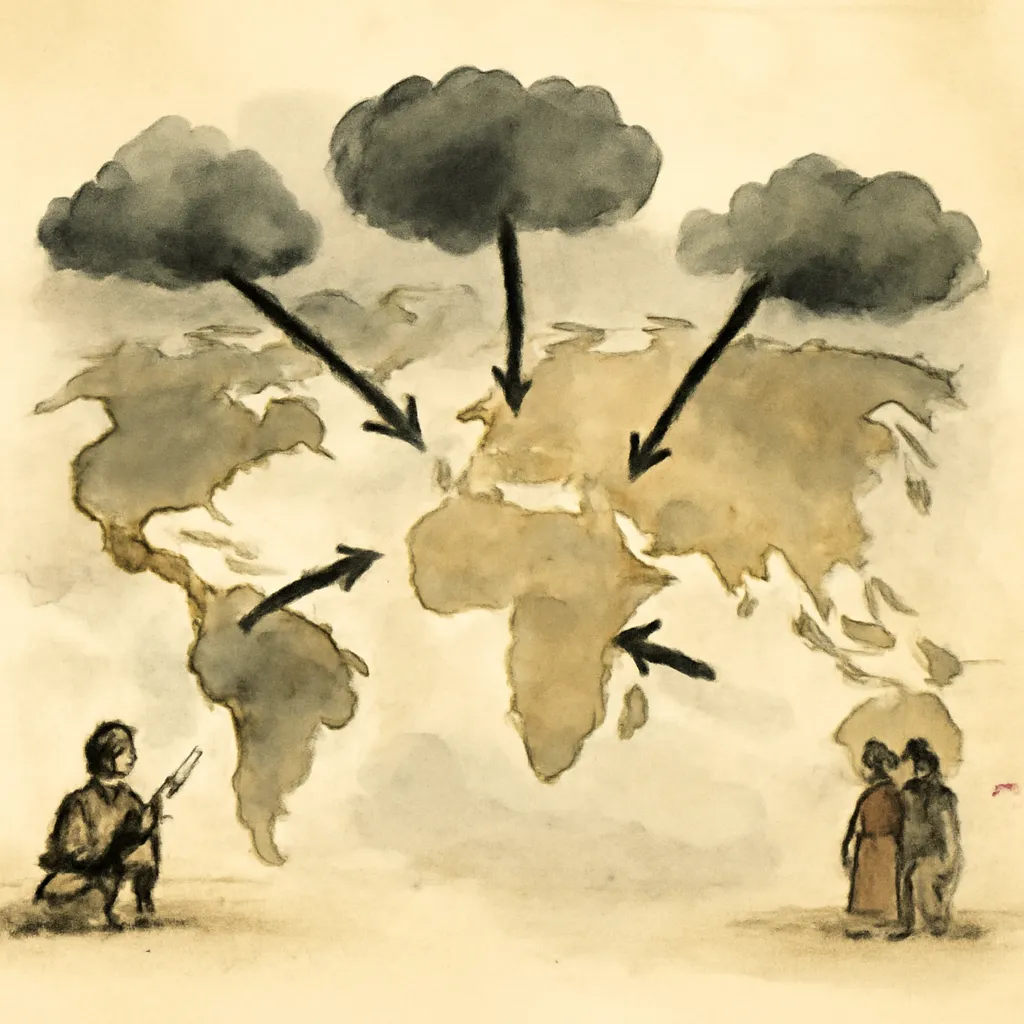
Inferno stands out for its insistence on the war’s truly global nature. Hastings moves beyond the familiar European and Pacific theaters to examine experiences in places like India, China, and North Africa. He shows how the conflict’s consequences rippled into every corner of the world, affecting societies in ways that still resonate. By weaving together diverse voices, he challenges Eurocentric narratives and reveals the interconnectedness of the global struggle.
3.Leadership and the Limits of Power
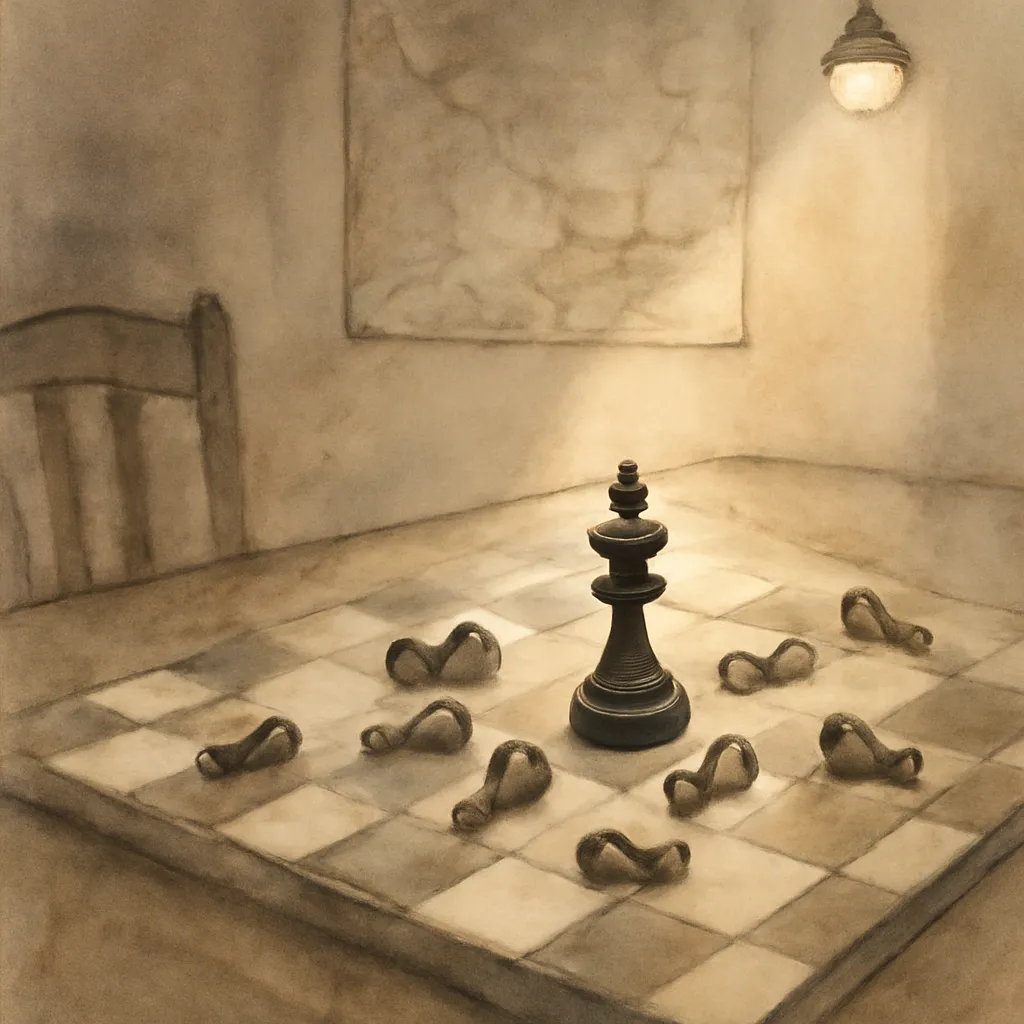
The book scrutinizes the decisions of leaders like Hitler, Stalin, Churchill, and Roosevelt, but Hastings avoids hagiography. He analyzes their strengths—such as Churchill’s resolve or Roosevelt’s pragmatism—while exposing their flaws and the tragic consequences of misjudgments, like Hitler’s refusal to retreat from Russia. Hastings argues that leadership in WWII was often as much about managing chaos and improvising as it was about grand vision.
4.Morality and Atrocity
Hastings refuses to romanticize the Allies, documenting atrocities and moral compromises on all sides. He explores uncomfortable truths: the bombing of civilian populations, reprisals, and the blurred lines between victim and perpetrator. The book asks readers to grapple with the ethical complexity of total war, where survival often trumped principle and every nation’s hands were stained.
5.The Ordinary Soldier’s War
A hallmark of Inferno is its focus on the experiences of common soldiers and civilians. Hastings draws on diaries, letters, and interviews to convey the terror, boredom, camaraderie, and trauma of life at the front and on the home front. He shows how individuals navigated fear, loss, and the randomness of survival, making the vast conflict personal and immediate.
6.The Aftermath and Memory
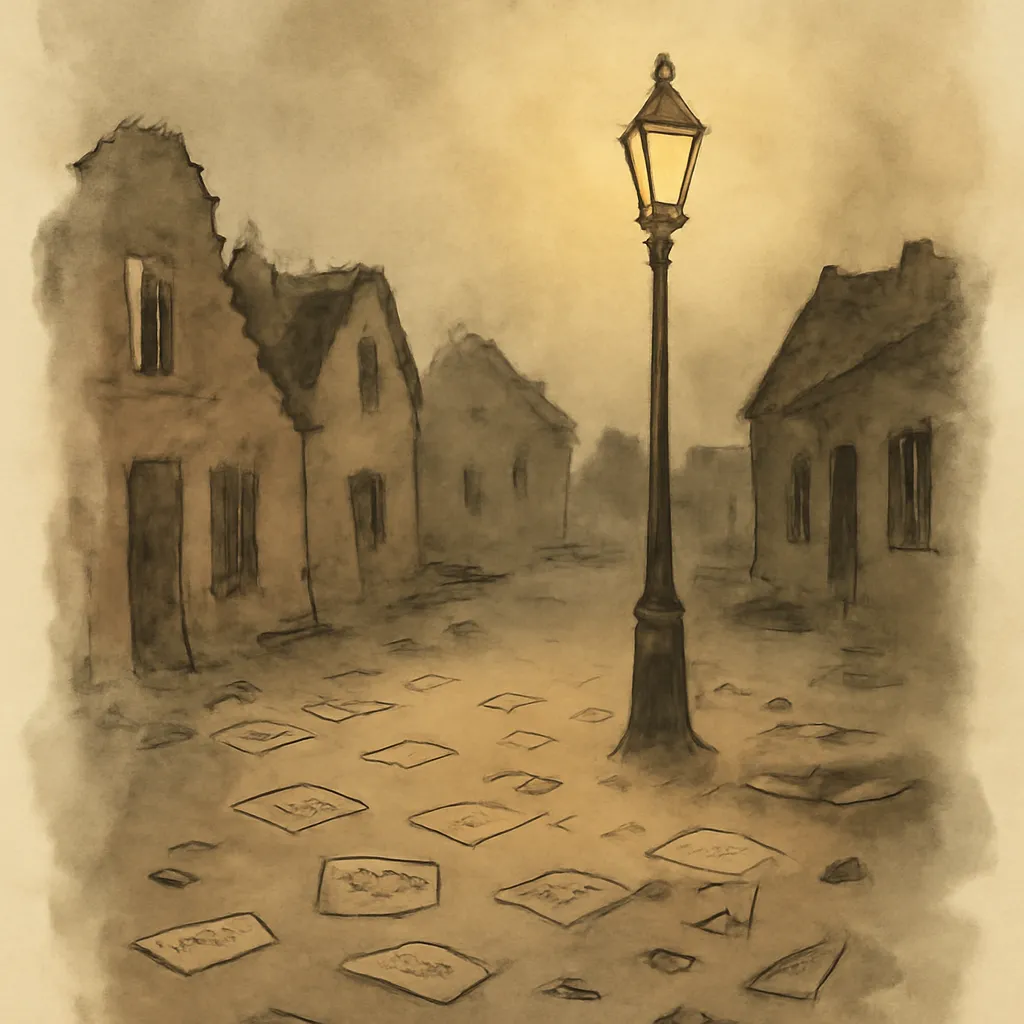
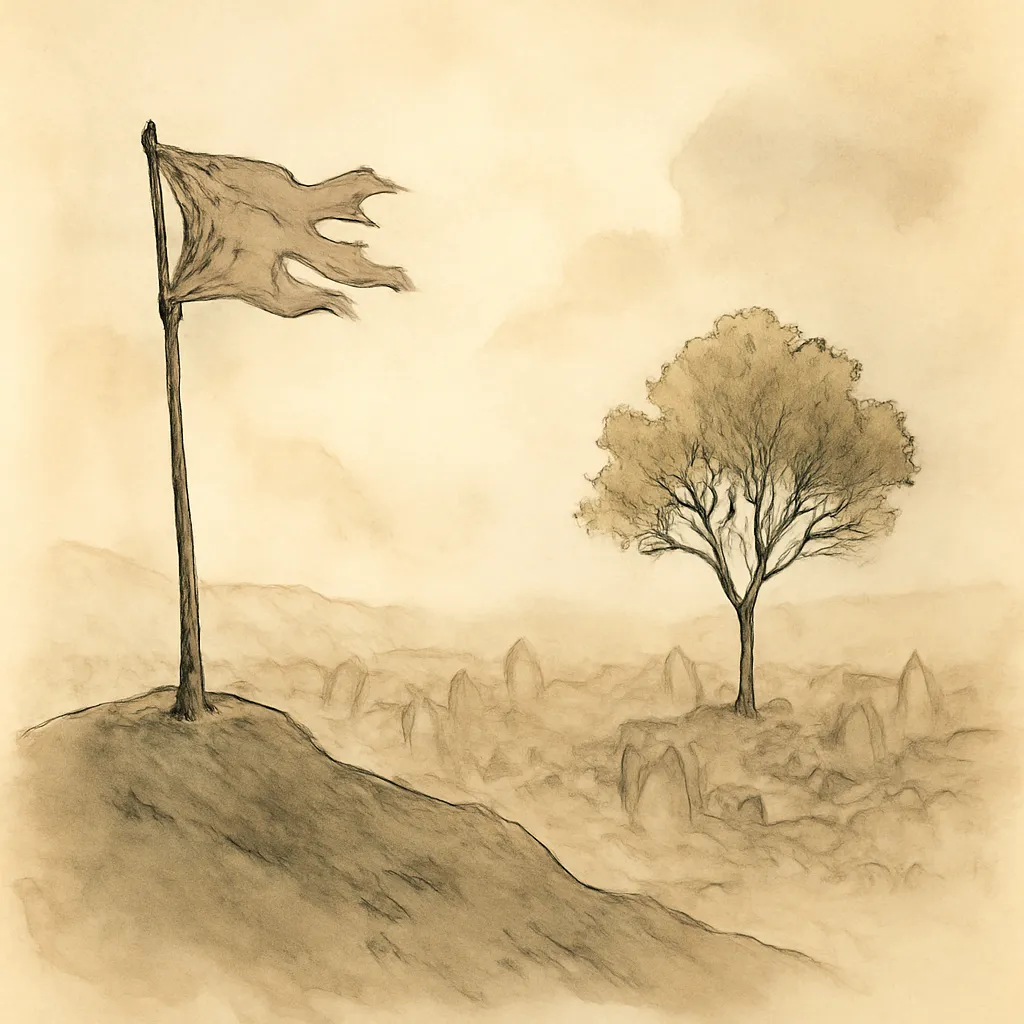
Hastings dedicates attention to the war’s aftermath: the shattered societies, the displacement of millions, and the psychological scars left behind. He discusses how different nations have remembered—or forgotten—their roles in the war, and how myths and selective memory have shaped postwar identities. The book suggests that the legacy of WWII is as much about how it is remembered as what actually happened.