1.The Harsh Realities of Medical Training
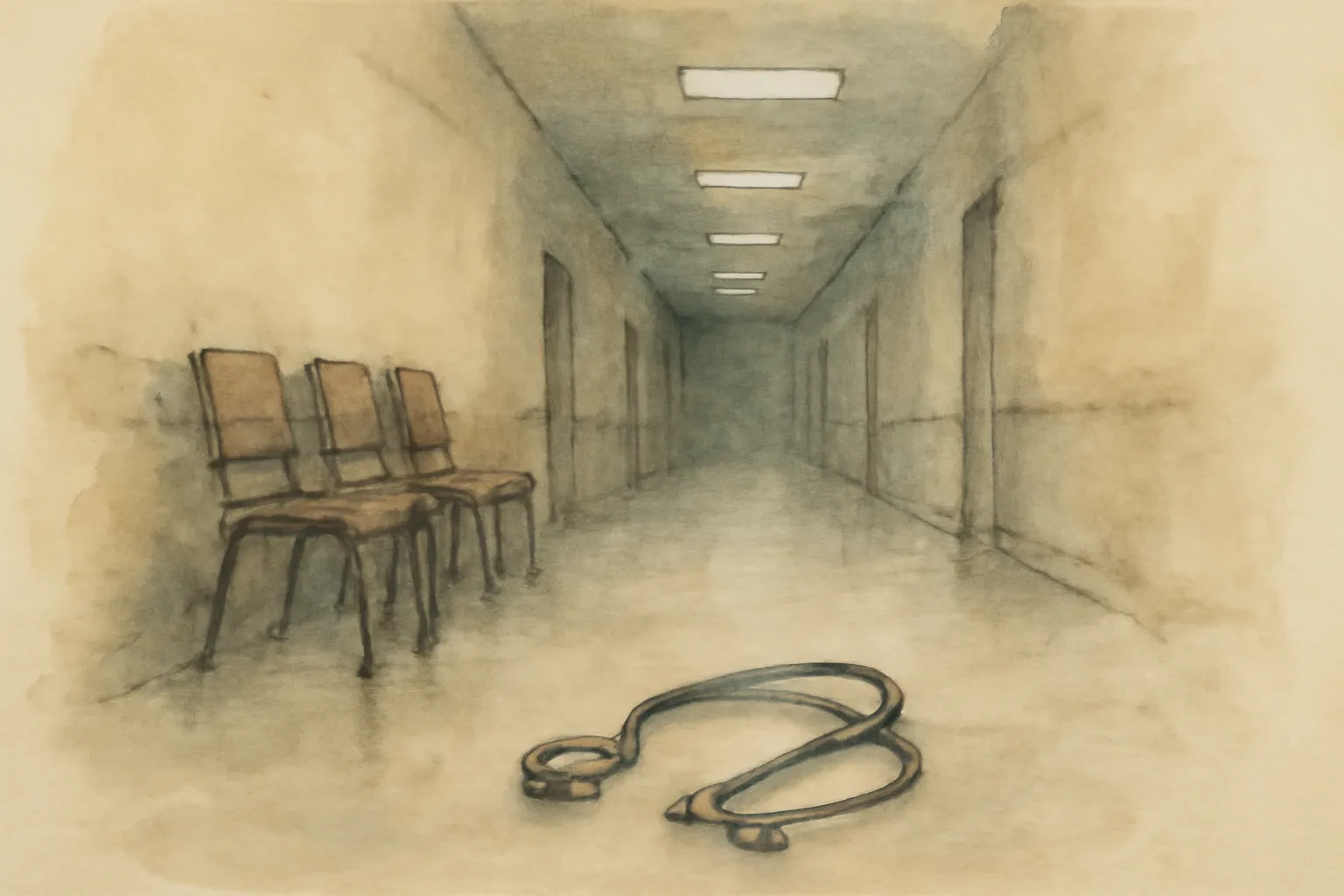
Jauhar exposes the physical and emotional toll of internship, shattering the romanticized image of medical training. Instead of heroics, he describes exhaustion, uncertainty, and the pressure to perform under relentless scrutiny. The book highlights how the system often prioritizes efficiency and tradition over learning and patient care, leaving interns to navigate a maze of expectations and personal doubt. This candid portrayal challenges readers to reconsider what it really takes to become a doctor.
2.Disillusionment and Moral Conflict
A central theme is Jauhar’s growing disillusionment with the medical profession. He enters medicine seeking a more humane vocation, only to find himself in a system that can be impersonal and even callous. He grapples with the ethical dilemmas of treating patients as cases rather than people, and with the emotional distancing that seems required to survive. Jauhar’s honesty about his own ambivalence gives the memoir its emotional depth and invites readers to question the values of contemporary healthcare.
3.The Struggle for Empathy
Despite the pressures to become detached, Jauhar persistently seeks to maintain empathy for his patients. The book explores the tension between professional detachment and genuine compassion, showing how difficult it can be to care deeply without being overwhelmed. Jauhar’s narrative asks whether true empathy is possible—or even desirable—in a system designed to minimize vulnerability. This struggle is at the heart of his journey and resonates with anyone in a caring profession.
4.Medicine as a Bureaucratic Machine
Jauhar is critical of the bureaucratic and hierarchical nature of modern medicine, where protocols and paperwork often overshadow patient-centered care. He describes how the pressure to conform and the fear of making mistakes can stifle innovation and humanity. His public critique of the internship system, including writing for The New York Times, brings him into conflict with the medical establishment, highlighting the challenges of advocating for change from within.
5.Transformation Through Vulnerability
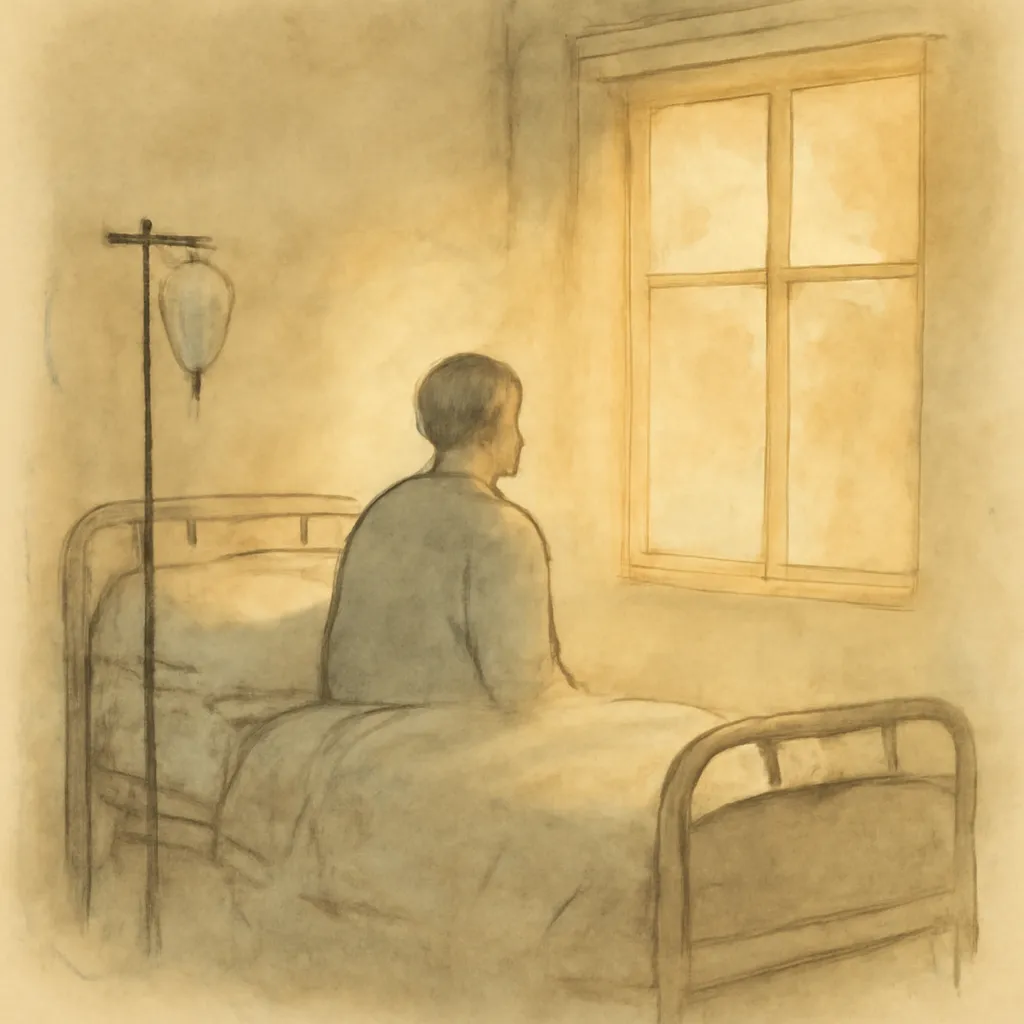
A turning point in the memoir comes when Jauhar becomes a patient himself. This experience forces him to confront his own vulnerability and to see the healthcare system from the other side. It deepens his understanding of what patients endure and ultimately renews his commitment to practicing medicine with compassion. The book suggests that personal vulnerability can be a source of strength and empathy, not just for doctors but for anyone facing institutional pressures.
6.The Search for Meaning in Medicine
Throughout 'Intern,' Jauhar wrestles with the question of whether medicine can still be a humane science in an age of technology and bureaucracy. He finds meaning not in technical mastery or prestige, but in the small, human moments of connection with patients. The memoir closes on a note of cautious optimism, suggesting that while the system is flawed, individual doctors can still make a difference through integrity and empathy.