1.The Allure of Wilderness and Escape
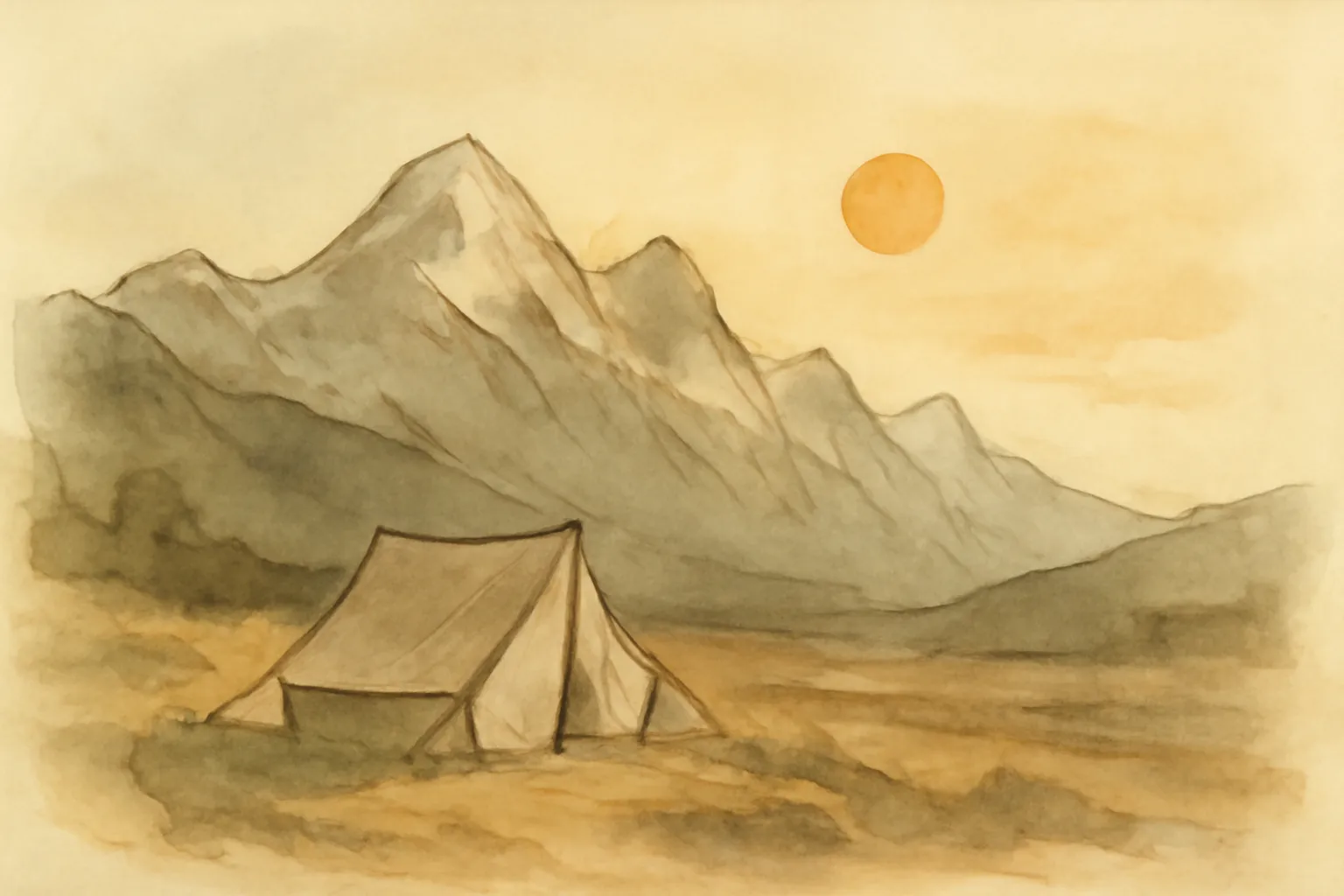
At its core, Into the Wild explores the magnetic pull of the wilderness for those seeking escape from the constraints and disappointments of modern life. McCandless’s journey is framed as a quest for purity and truth, echoing the romantic ideals of writers like Thoreau and Jack London. Krakauer examines how nature becomes both sanctuary and crucible, offering the promise of self-discovery but also demanding humility and respect. The book raises questions about what we seek in nature—solitude, challenge, or a sense of belonging outside society.
2.Idealism vs. Reality
McCandless’s story is a powerful meditation on the dangers and beauty of youthful idealism. His rejection of materialism and his embrace of a vagabond life are inspiring, but Krakauer also scrutinizes the naivety and recklessness that contributed to his tragic fate. The narrative balances admiration for McCandless’s convictions with a clear-eyed look at the consequences of ignoring practical realities, especially in an unforgiving environment like the Alaskan wild.
3.Family, Alienation, and Forgiveness
The book delves into McCandless’s complicated relationship with his family, particularly the pain and misunderstanding that fueled his need to break away. Krakauer presents family not just as a source of conflict but as a fundamental part of what it means to be human—something McCandless ultimately longs for, even as he tries to transcend it. This tension between independence and connection is a central theme, prompting readers to reflect on their own relationships and the costs of estrangement.
4.The Search for Identity
By adopting the name Alexander Supertramp, McCandless attempts to shed his past and reinvent himself. Krakauer uses this act to probe the universal desire to define oneself on one’s own terms. The book suggests that the search for identity is both liberating and perilous, especially when it involves severing ties with one’s history and community. McCandless’s journey becomes a case study in the risks and rewards of self-invention.
5.Society’s Boundaries and the Meaning of Freedom
Into the Wild interrogates the meaning of freedom—what it costs, what it offers, and whether true freedom is ever attainable. McCandless’s rejection of social norms is both a critique of contemporary values and an experiment in living without safety nets. Krakauer invites readers to consider whether freedom is found in isolation or in engagement with others, and whether the pursuit of absolute autonomy is ultimately sustainable.
6.The Limits of Human Endurance
McCandless’s fate is a sobering reminder of nature’s indifference and the limits of human endurance. Krakauer, drawing on his own experiences and those of other adventurers, underscores the fine line between courage and hubris. The book is as much a cautionary tale as it is an ode to adventure, asking readers to respect the power of the wild and the necessity of preparation and humility.