1.The Allure and Myth of Everest
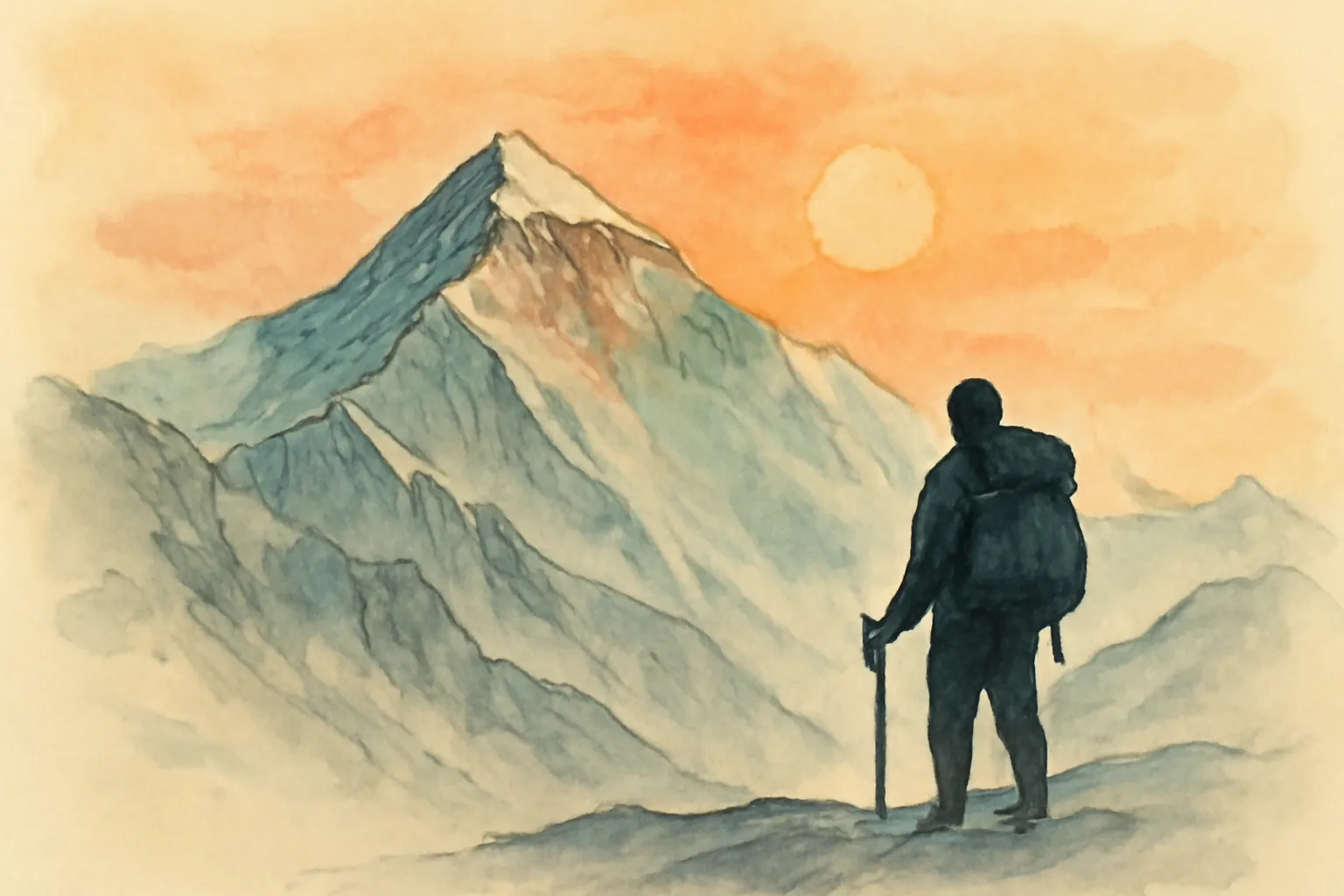
Krakauer explores why Everest exerts such a powerful pull on climbers from around the world. The mountain is not just a physical challenge but a symbol of ultimate achievement, feeding into myths of conquest and personal transcendence. The book interrogates whether the pursuit of such goals is noble aspiration or reckless folly, revealing how the mountain’s allure can distort judgment and override caution.
2.Commercialization and Crowding
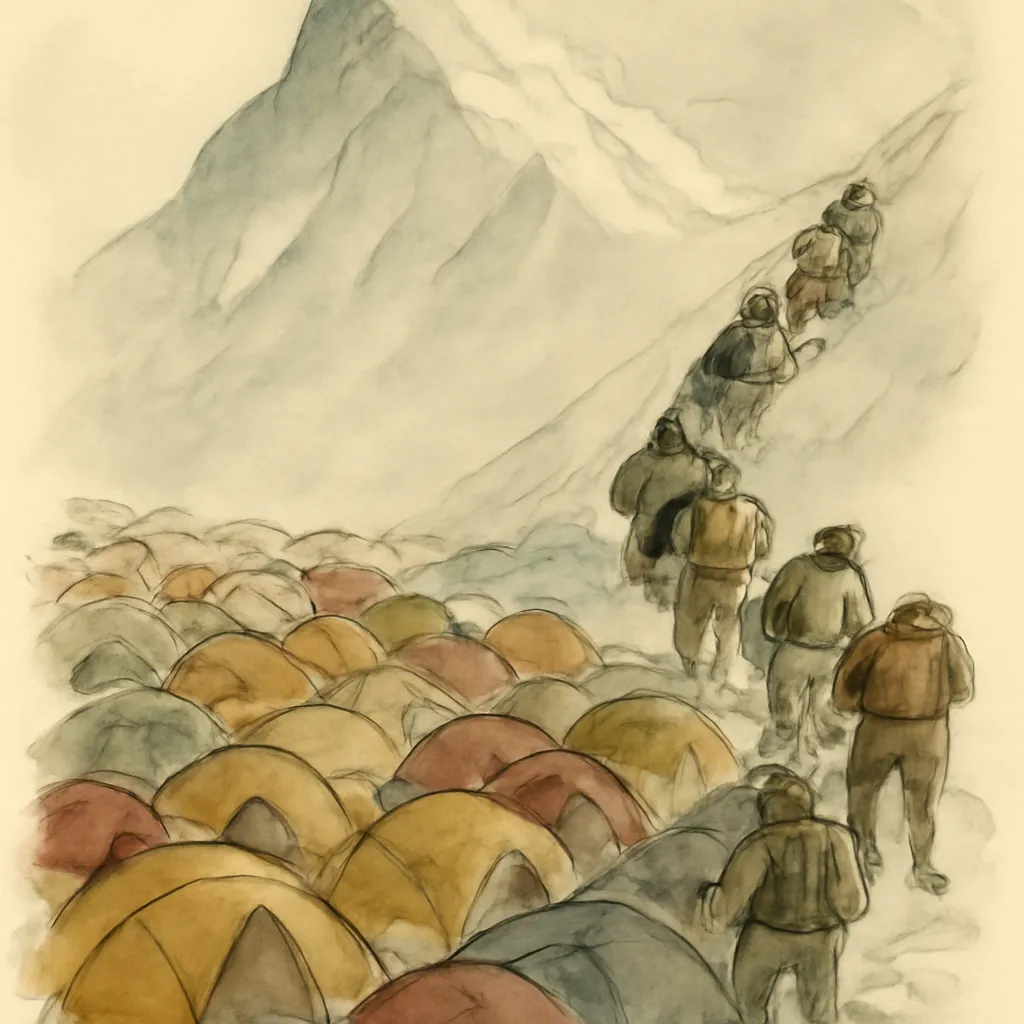
By the 1990s, Everest had become accessible to guided clients with varying levels of experience, thanks to commercial expeditions. Krakauer critically examines how this shift increased risks: overcrowded routes, bottlenecks at critical points, and climbers who may lack the skills or judgment for such a perilous environment. The disaster is partly framed as a consequence of this commercialization, raising questions about responsibility and ethics in adventure tourism.
3.Human Error and Decision-Making Under Duress
The book meticulously details how exhaustion, hypoxia, and stress impair even the most experienced climbers’ judgment. Krakauer shows that disaster on Everest was not the result of a single mistake but a cascade of small errors, miscommunications, and delayed decisions. This theme underscores the fragility of human reasoning in extreme environments and the tragic costs of seemingly minor lapses.
4.Survivor’s Guilt and Moral Ambiguity
Krakauer’s narrative is haunted by guilt and self-doubt. He grapples with the moral ambiguity of survival: why some lived while others died, and whether more could have been done. The book does not offer easy answers, instead presenting the emotional aftermath of tragedy and the lasting psychological scars on survivors.
5.The Limits of Preparation and Control
Despite meticulous planning and experienced leadership, the 1996 disaster demonstrates that nature’s unpredictability can overwhelm even the best-prepared teams. Krakauer reflects on the illusion of control in mountaineering, emphasizing humility in the face of the mountain’s power. This serves as a cautionary tale about the limits of human mastery over nature.
6.The Ethics of Adventure Reporting
As both participant and journalist, Krakauer confronts the ethical dilemmas of reporting on tragedy that he was personally involved in. He is candid about his own biases and limitations, and the book’s publication sparked debate about accuracy and responsibility in recounting traumatic events. This meta-narrative adds another layer of complexity to the story.