1.Automata as Models of Computation
The book introduces automata—abstract machines like finite automata, pushdown automata, and Turing machines—as mathematical models for computation. These models help us formalize what it means for a machine to process information and solve problems. By studying automata, readers gain a rigorous understanding of the capabilities and limitations of different computational devices, laying the groundwork for everything from compiler design to hardware verification.
2.Formal Languages and Grammars
A core theme is the deep connection between automata and formal languages—the structured sets of strings that machines recognize. The book explores regular languages, context-free languages, and the grammars that generate them, showing how these concepts are used to specify programming languages and protocols. Understanding these relationships is crucial for parsing, language design, and developing tools that interact with code.
3.Hierarchy of Computational Power
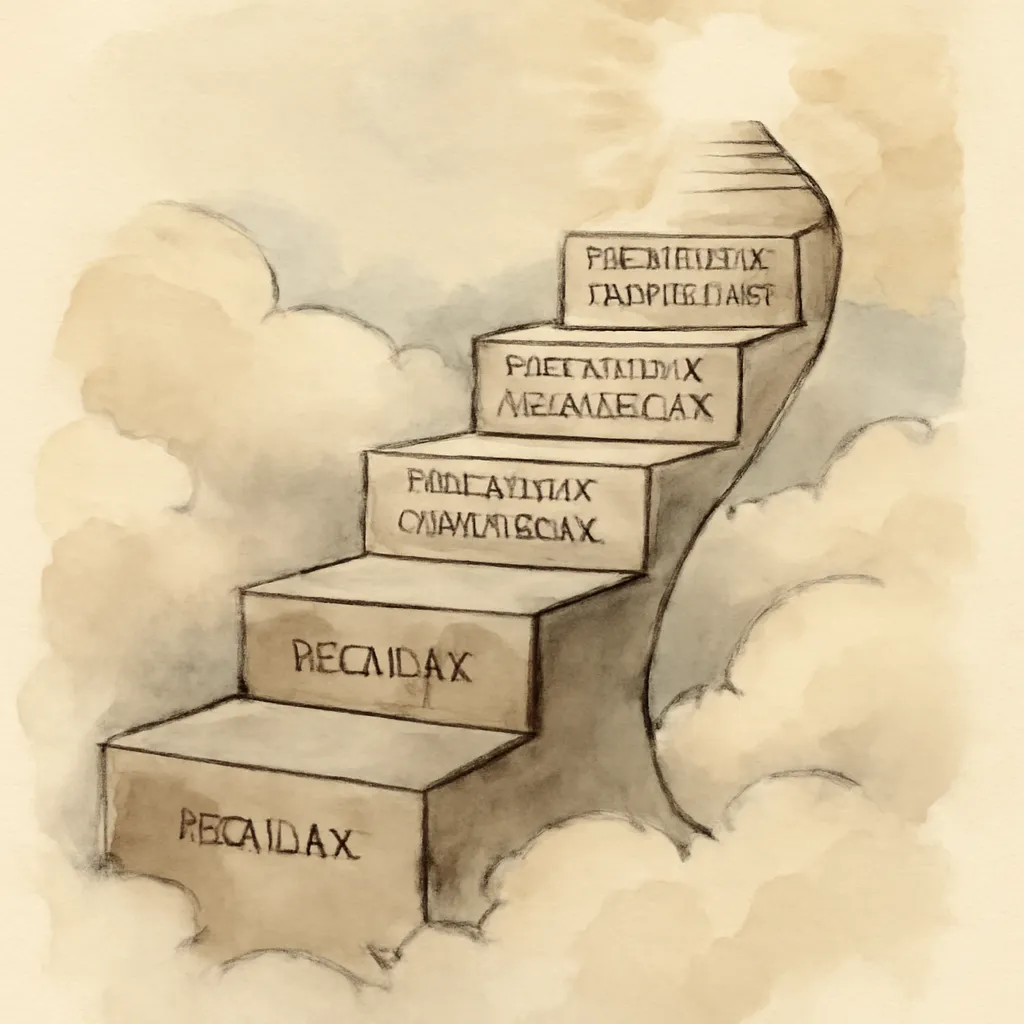
Hopcroft and Ullman present a hierarchy of language classes, each with increasing expressive power: regular, context-free, context-sensitive, and recursively enumerable languages. This hierarchy mirrors the power of their corresponding automata, revealing which problems can be solved by simple machines and which require more complex models. This layered perspective is vital for recognizing the boundaries of algorithmic solvability.
4.Decidability and Undecidability
A pivotal insight from the book is that some problems are fundamentally unsolvable by any algorithm. Using Turing machines, the authors rigorously define decidability and provide classic examples—like the Halting Problem—of questions that are undecidable. This realization shapes our understanding of what software and computers can achieve, and where inherent limitations lie.
5.Complexity Theory Foundations
The text introduces the basics of computational complexity, distinguishing between tractable (efficiently solvable) and intractable problems. Concepts like P, NP, and NP-completeness are introduced, providing a framework for analyzing the practical feasibility of algorithms. This foundation is indispensable for anyone interested in algorithm design, optimization, or theoretical computer science.
6.Applications to Real-World Computing
While deeply theoretical, the book consistently ties concepts to practical applications—such as lexical analysis, parsing, and pattern matching. By bridging theory and practice, it demonstrates how foundational ideas in automata and languages underpin everyday technologies, from compilers to search engines.