1.The Human Face of Poverty
By chronicling Dasani’s daily life, Elliott transforms abstract statistics about poverty into a deeply personal narrative. Dasani’s experiences—her hunger, her resourcefulness, her moments of joy and despair—make the consequences of economic inequality tangible. The book challenges readers to see homeless children not as numbers or problems to be solved, but as individuals with dreams, talents, and agency.
2.Systemic Failures and Bureaucratic Hurdles
Elliott exposes the labyrinth of social services, shelters, and schools that Dasani and her family must navigate. The book critiques how overlapping systems—child welfare, education, housing—often work at cross-purposes, trapping families in cycles of instability. Rather than offering a simple villain, Elliott reveals how institutional inertia, underfunding, and policy blind spots perpetuate hardship.
3.The Impact of Gentrification and Inequality
Set against the backdrop of Brooklyn’s rapid gentrification, the book highlights the widening gap between rich and poor. Dasani’s family lives in the shadow of luxury developments, their aspirations shaped and thwarted by the city’s shifting fortunes. Elliott shows how economic transformation creates both hope and displacement, and how children like Dasani are caught in the crossfire.
4.Resilience, Family, and Identity
Despite overwhelming obstacles, Dasani’s close-knit family provides her with strength and a sense of belonging. The book explores how love, loyalty, and cultural identity help children survive adversity. Yet, as Dasani is offered a path out—through a scholarship to a boarding school—she faces new challenges of belonging and identity, torn between two worlds.
5.The Limits and Costs of Opportunity
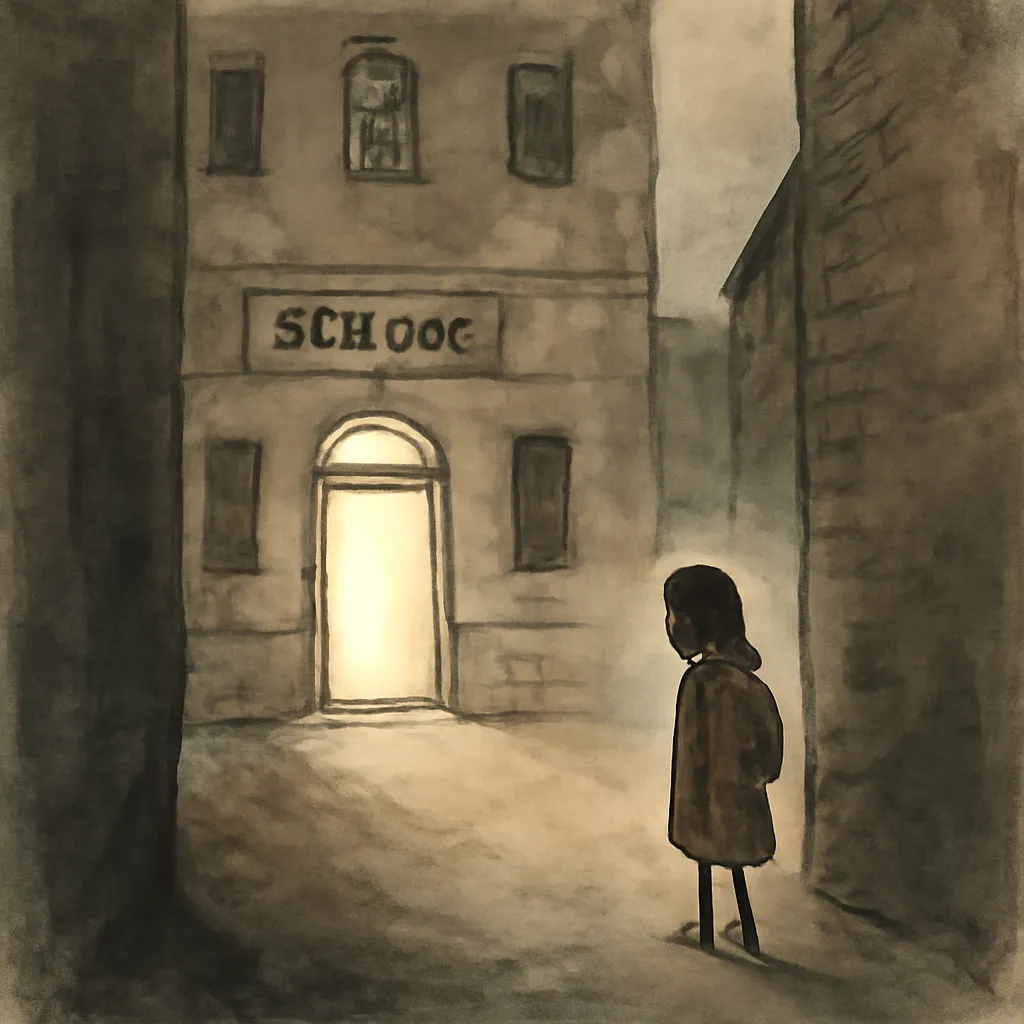
Dasani’s journey to a prestigious boarding school is both a lifeline and a source of internal conflict. Elliott interrogates the notion of 'escape' from poverty, showing how opportunity can come with the price of alienation from family and community. The book questions whether individual success stories are enough to address systemic injustice.
6.Historical Roots of Urban Poverty
Elliott traces Dasani’s family history from slavery through the Great Migration, situating their present struggles within a legacy of racial and economic oppression. This historical context deepens the reader’s understanding of how generational disadvantage is perpetuated, and why solutions must address both present needs and historical wrongs.