1.The Cost of Survival
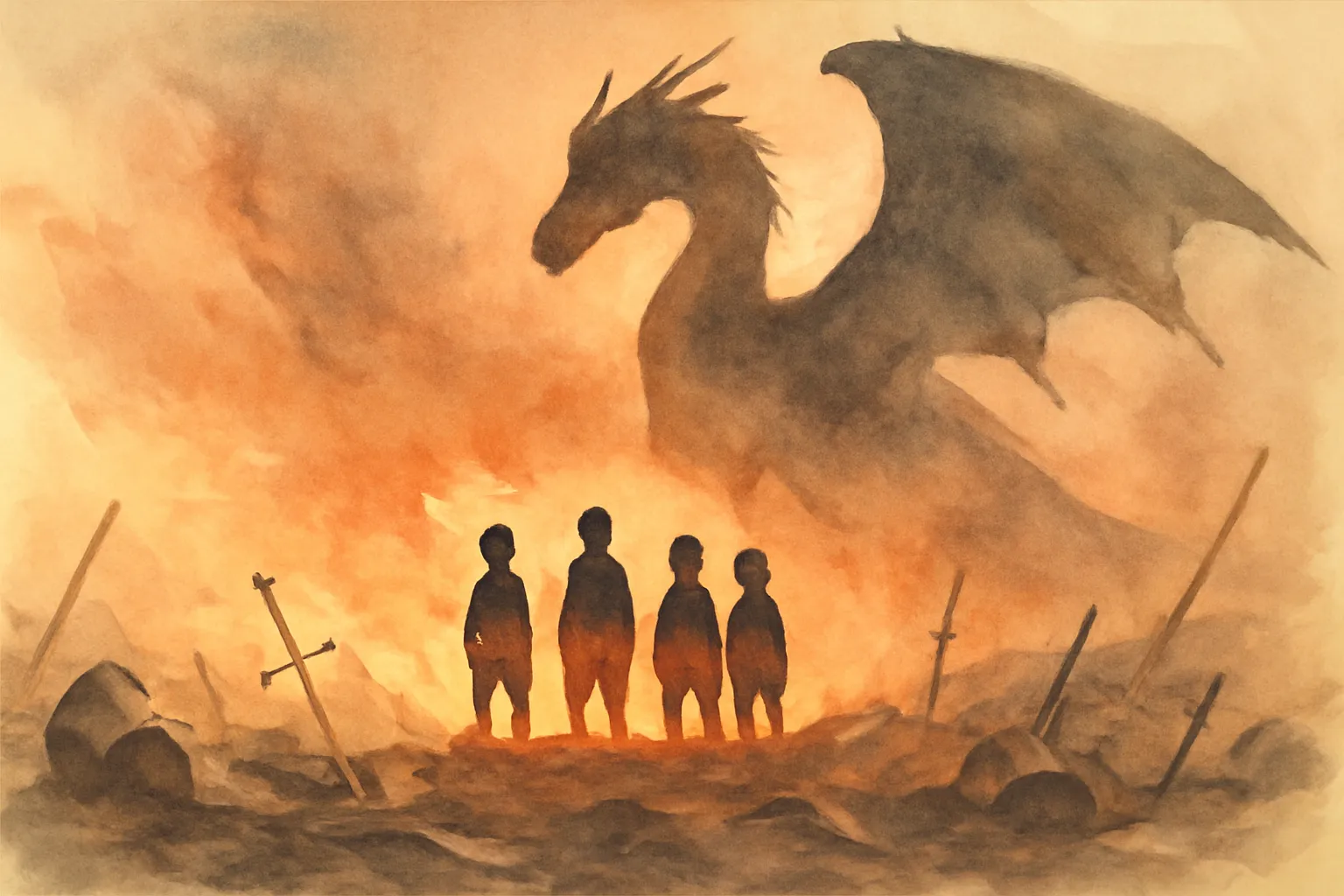
Iron Flame explores how survival in a merciless environment comes at a steep personal price. Violet and her fellow cadets are forced to make choices that chip away at their innocence and empathy, as the War College’s brutal training is designed to break both body and spirit. The novel asks: How much of yourself can you lose before you’re no longer you? Through Violet’s struggle, the story examines the tension between doing what’s necessary to live and holding onto one’s core values.
2.Power and Powerlessness
A central tension in Iron Flame is Violet’s confrontation with authority—especially the new vice commandant, whose cruelty is as much psychological as physical. The book scrutinizes systems of control and the ways individuals can resist or be crushed by them. Violet’s intelligence and adaptability become her weapons, challenging the notion that only physical strength matters. This theme resonates with anyone who’s ever felt underestimated or trapped by those in power.
3.Love as Rebellion
Violet’s relationship with Xaden Riorson is not just a romantic subplot but a form of resistance against the dehumanizing forces at Basgiath. Their bond is tested by secrets, loyalty, and external threats, but it also becomes a lifeline—proof that connection and trust can survive even in the harshest conditions. The novel uses romance to explore how love can be both a vulnerability and a source of strength when everything else is designed to tear people apart.
4.Secrets and Truths
Iron Flame delves into the consequences of hidden knowledge. Violet uncovers secrets that threaten the very foundation of her world, forcing her to question not just her enemies but her allies and the institution she serves. The narrative probes the idea that truth can be dangerous, and that sometimes ignorance is a form of protection. The tension between what is known and what is hidden drives much of the suspense and character conflict.
5.Making Your Own Rules
One of the book’s rallying cries is the idea that dragon riders—and by extension, anyone facing oppression—must create their own code. Violet’s journey is about learning when to obey, when to rebel, and how to forge a path that’s true to herself. This theme empowers readers to question authority and assert their agency, even when the risks are high.
6.The Burden of Leadership
As Violet grows into a leader, she must balance her own survival with responsibility for others. The story interrogates what it means to lead ethically in a world that rewards ruthlessness. Violet’s choices ripple outward, affecting not just her fate but the lives of those who trust her. The narrative doesn’t shy away from the loneliness and moral ambiguity that come with leadership.