1.The Power of Fear
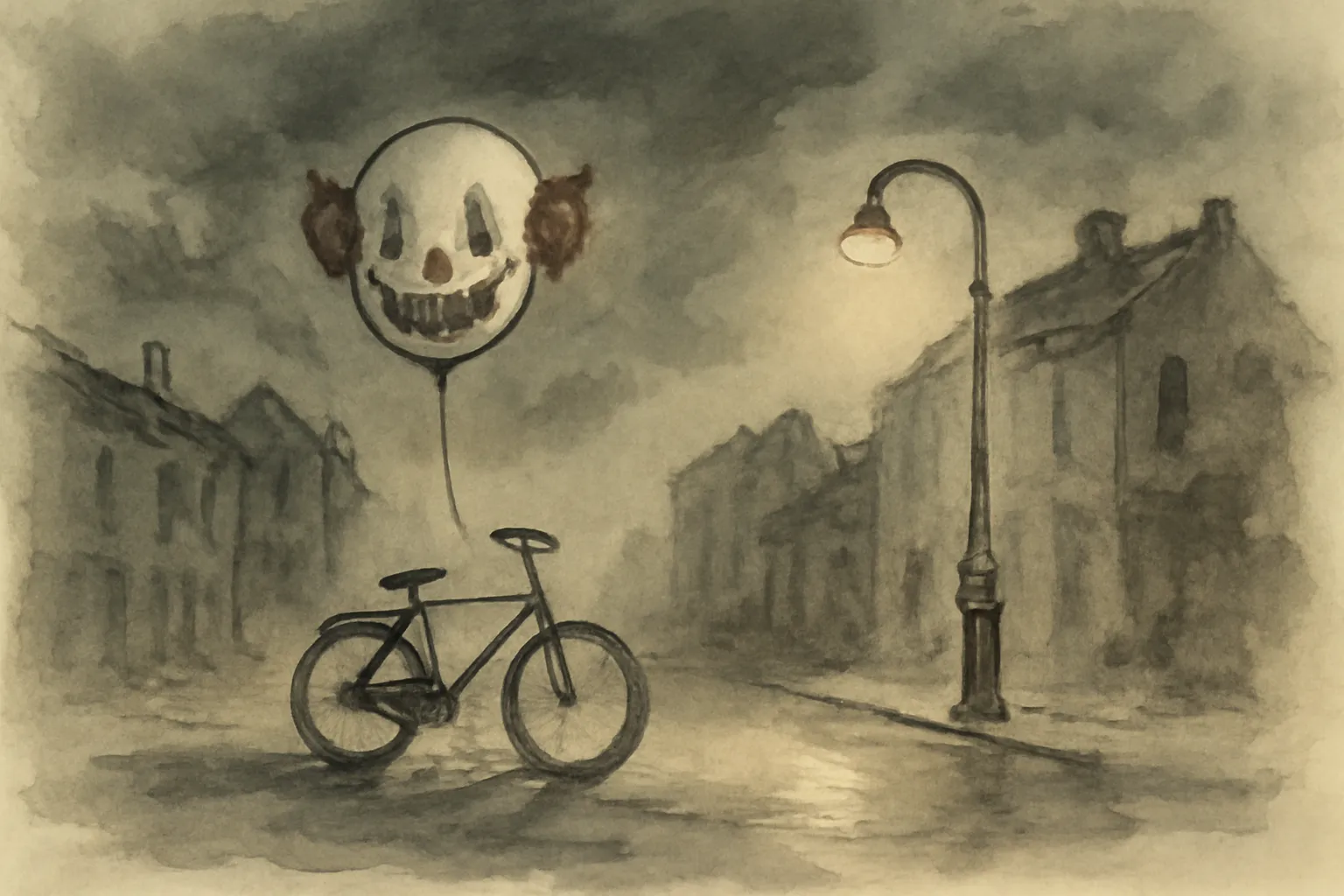
At its core, 'It' is about how fear shapes and controls us. The entity known as It preys on the specific terrors of its victims, often manifesting as Pennywise the Clown but capable of becoming whatever its target most dreads. King uses this device to explore how personal and collective fears can be manipulated, and how confronting them is necessary for growth. The novel suggests that fear, left unchecked, can become monstrous—both literally and metaphorically.
2.The Strength of Friendship
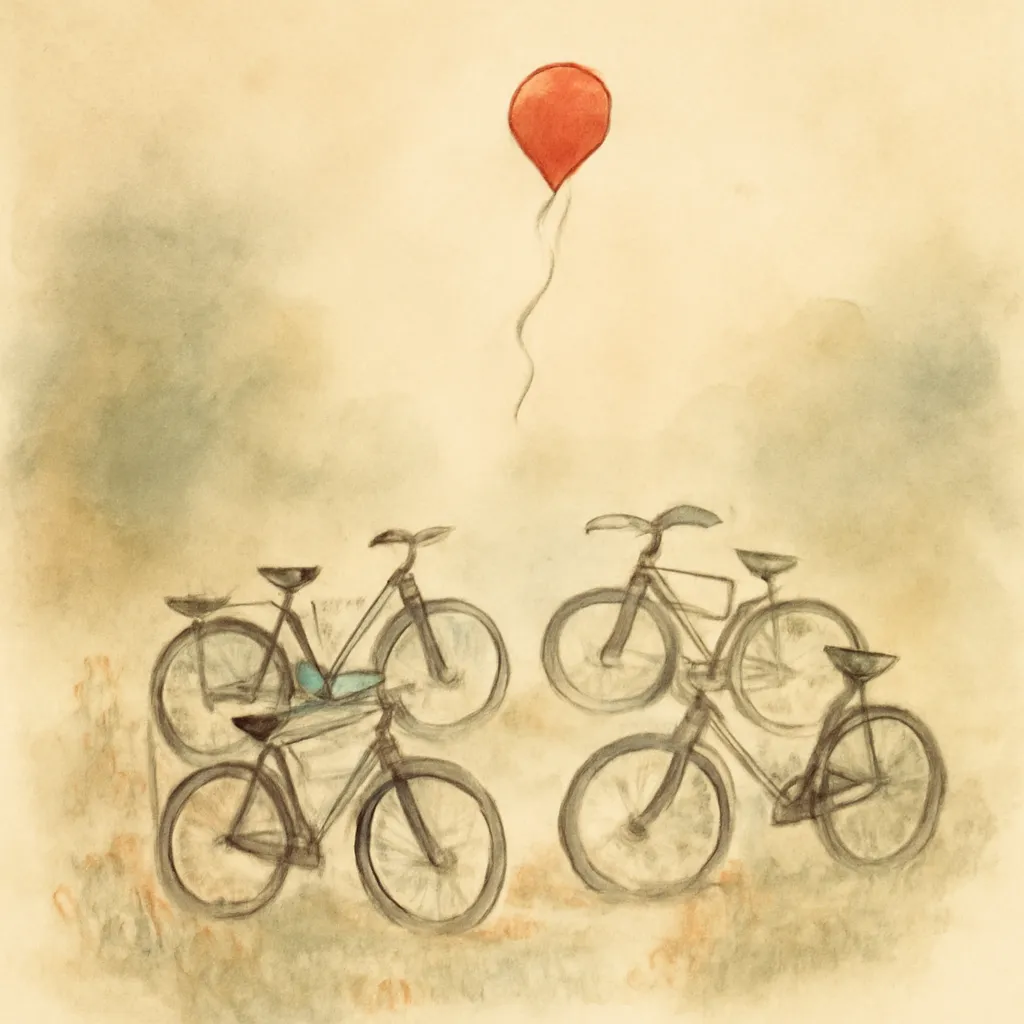
The Losers' Club, the group of children at the heart of the story, demonstrates how unity and loyalty can overcome even the most insurmountable evil. Their bond is forged through shared trauma and mutual support, and it is only together that they are able to face It. King emphasizes that friendship provides a refuge from the darkness, and that the courage to act often comes from knowing others stand with you.
3.The Persistence of Trauma
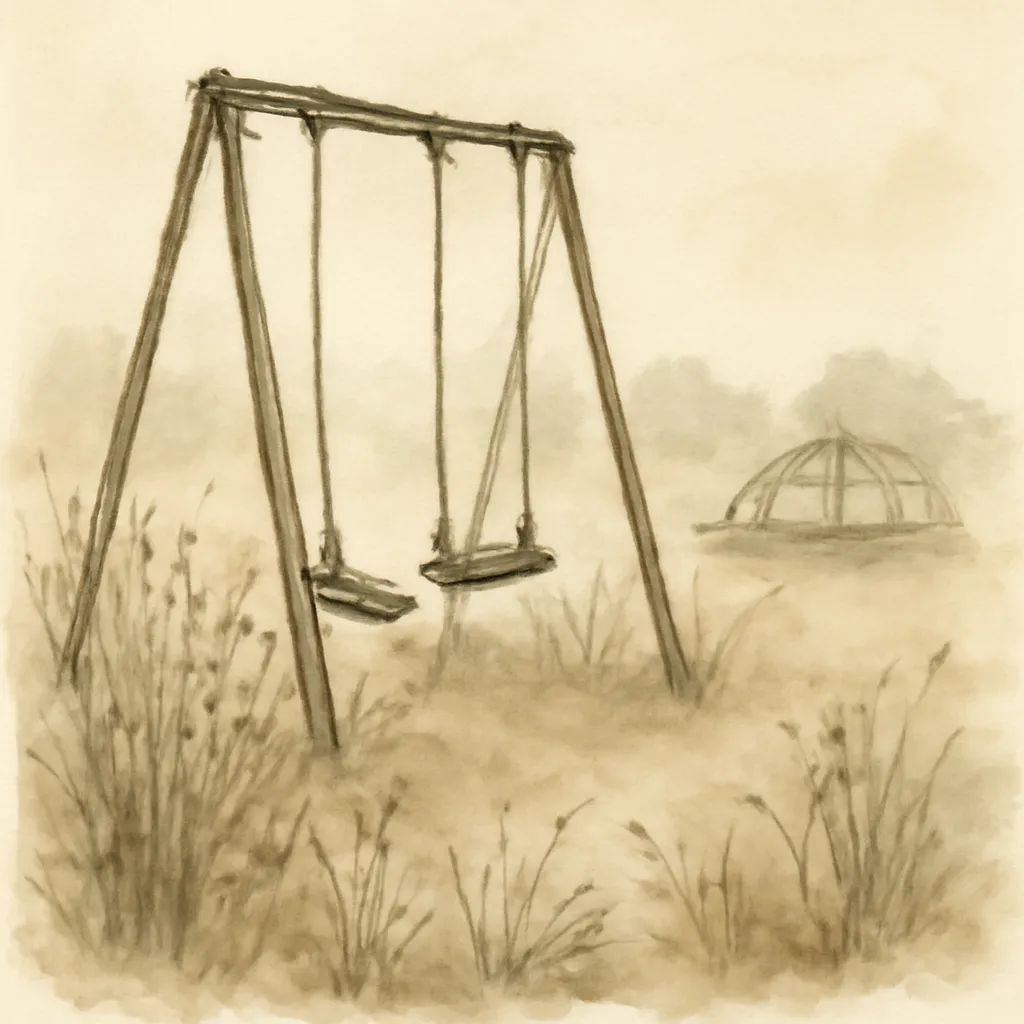
The novel alternates between the characters' childhood and adult lives, illustrating how trauma can echo through the years. The horrors they faced as children are not left behind; instead, they are repressed, only to resurface when the group reunites. 'It' delves into the psychological scars left by abuse, bullying, and loss, making the supernatural horror a metaphor for the real, lasting pain people carry.
4.The Corruption Lurking Beneath the Surface
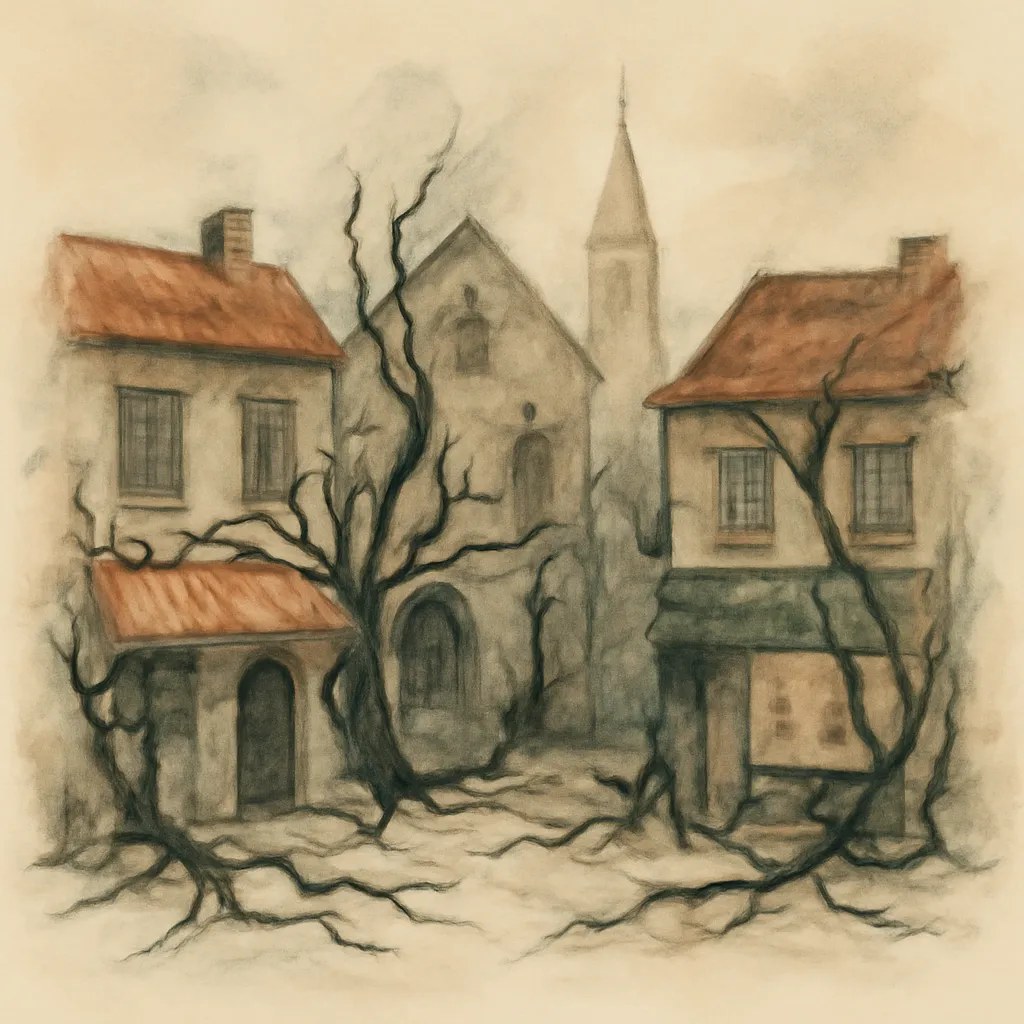
Derry, Maine, is portrayed as a seemingly ordinary town with a sinister underbelly. King uses the setting to comment on how evil can hide in plain sight, enabled by denial and apathy. The adults in Derry often ignore or rationalize the horrors happening around them, suggesting that societal complicity allows evil to flourish. The town itself becomes a character, embodying the idea that darkness is often woven into the fabric of everyday life.
5.The Cyclical Nature of Evil
King structures 'It' around a repeating cycle: every 27 years, the entity awakens to feed. This cyclical pattern reflects how history repeats itself when lessons go unlearned. The characters must break the cycle by confronting both the monster and their own pasts, underscoring the importance of facing uncomfortable truths to prevent future harm.
6.Imagination as a Double-Edged Sword
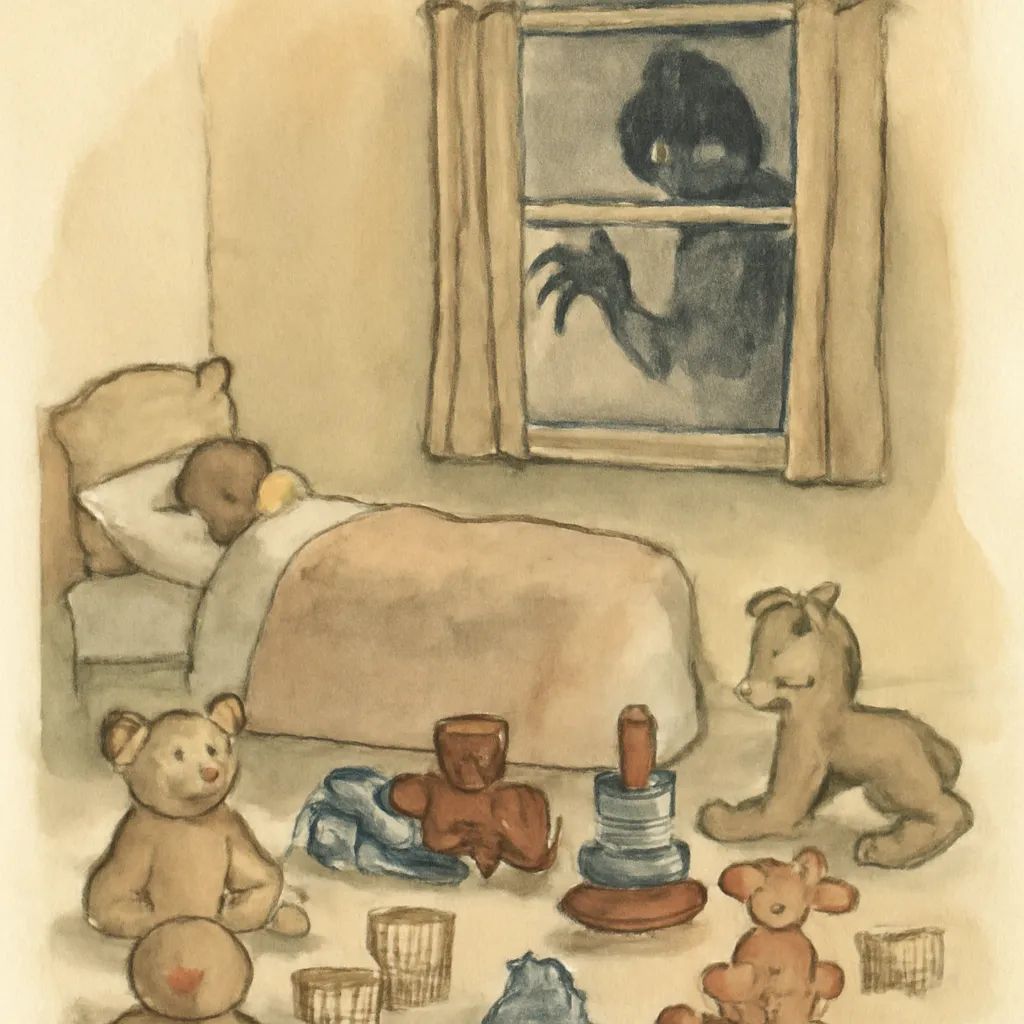
The children's vivid imaginations make them especially vulnerable to It, as the creature can manifest their worst nightmares. Yet, imagination is also their greatest weapon; their ability to believe in magic, rituals, and the power of their friendship gives them the tools to fight back. King suggests that imagination can both endanger and empower, depending on how it is harnessed.