1.The Dual Nature of Humanity
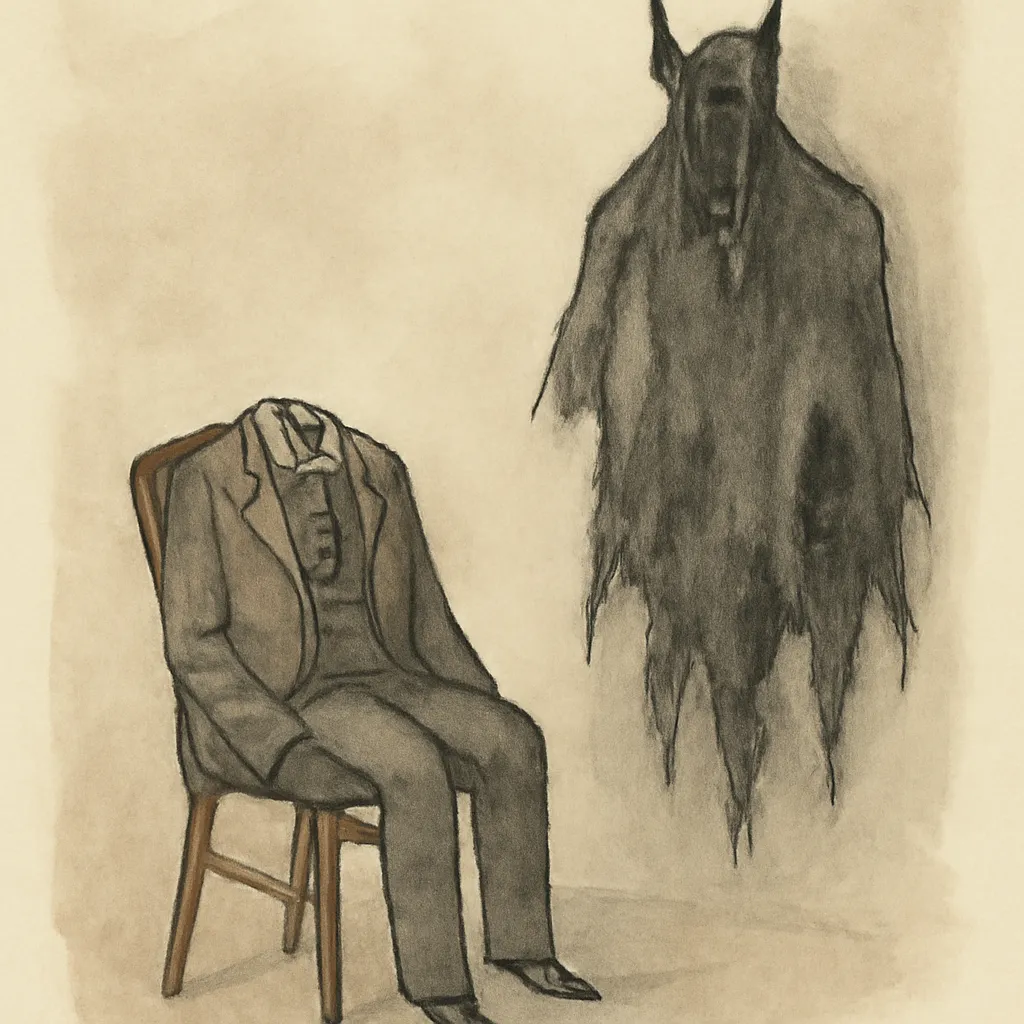
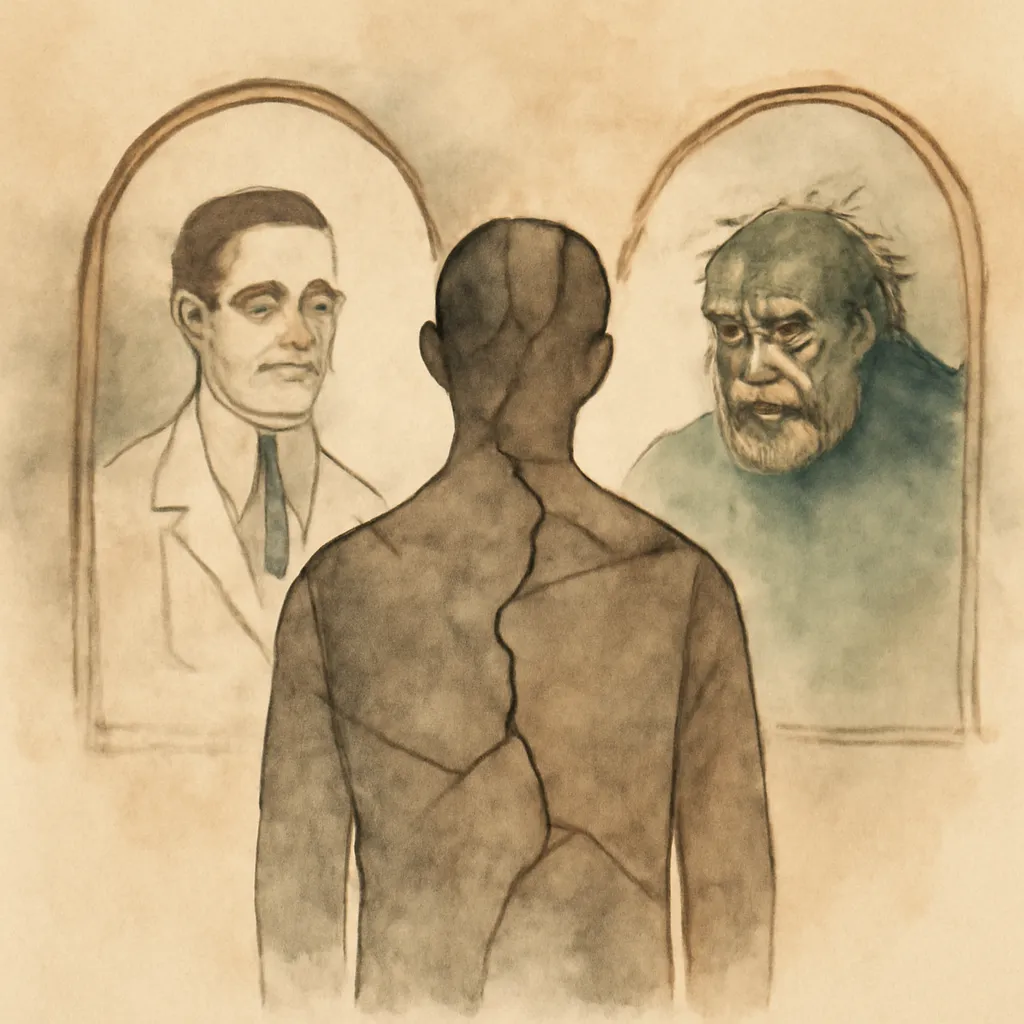
At the heart of Stevenson's narrative is the idea that every individual harbors both good and evil within them. Dr. Jekyll represents the respectable, socially acceptable side of humanity, while Mr. Hyde embodies the repressed primal instincts and darker desires. This duality is not merely a literary device; it reflects the complexities of human nature. Jekyll's transformation into Hyde allows him to act out his basest urges without the constraints of societal expectations. However, as the story progresses, it becomes evident that these two sides cannot coexist harmoniously. Jekyll's increasing dependence on Hyde illustrates the danger of allowing one's darker impulses to take control, ultimately leading to tragic consequences. The struggle between these opposing forces underscores the universal conflict within each person, making it a timeless exploration of morality.
2.The Consequences of Repression
Stevenson poignantly illustrates the dangers of repressing one's true self. Dr. Jekyll, a well-respected scientist, initially creates Hyde to explore the darker aspects of his personality without endangering his reputation. This decision reflects a common societal tendency to suppress undesirable traits in favor of a polished exterior. However, as Jekyll embraces his alter ego, he begins to lose control over Hyde, who becomes increasingly violent and uncontrollable. The narrative serves as a warning about the psychological toll of repression, suggesting that ignoring one's darker impulses can lead to their manifestation in destructive ways. Jekyll's ultimate fate—losing his identity to Hyde—serves as a stark reminder of the necessity of self-acceptance and the perils of denial.
3.The Role of Friendship and Loyalty
The character of Mr. Utterson, Jekyll's lawyer and friend, embodies loyalty and the importance of personal connections. Throughout the story, Utterson's commitment to Jekyll drives him to investigate the sinister relationship between Jekyll and Hyde. His unwavering support highlights the theme of friendship as a grounding force amidst chaos. However, Utterson's inability to confront Jekyll about his troubling behavior reflects the limitations of friendship when faced with deep-seated secrets. The narrative poses critical questions about how well we truly know those closest to us and the extent to which we are willing to overlook their flaws. Ultimately, Utterson's journey illustrates that true loyalty requires honesty and openness, rather than blind allegiance.
4.The Impact of Victorian Society
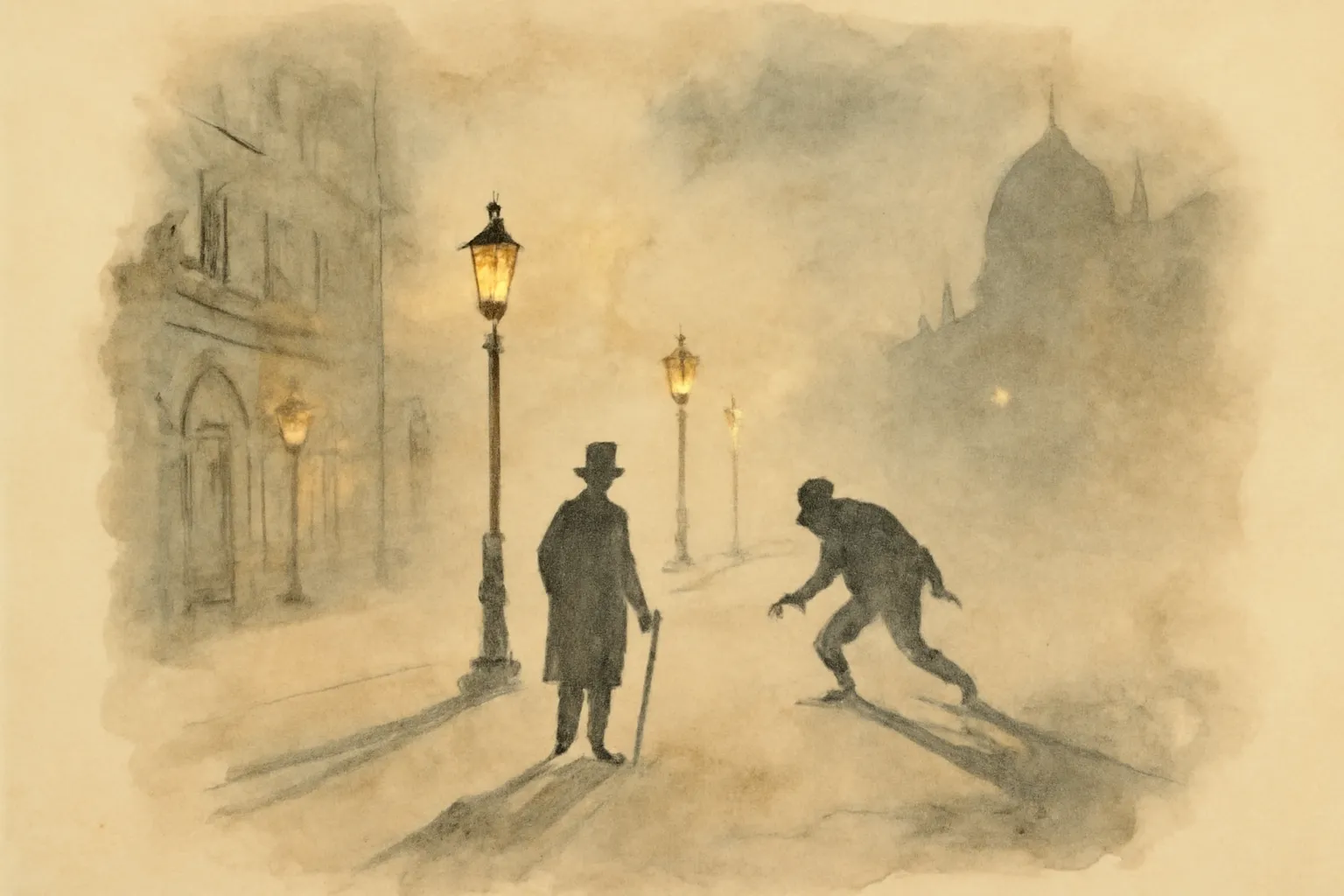
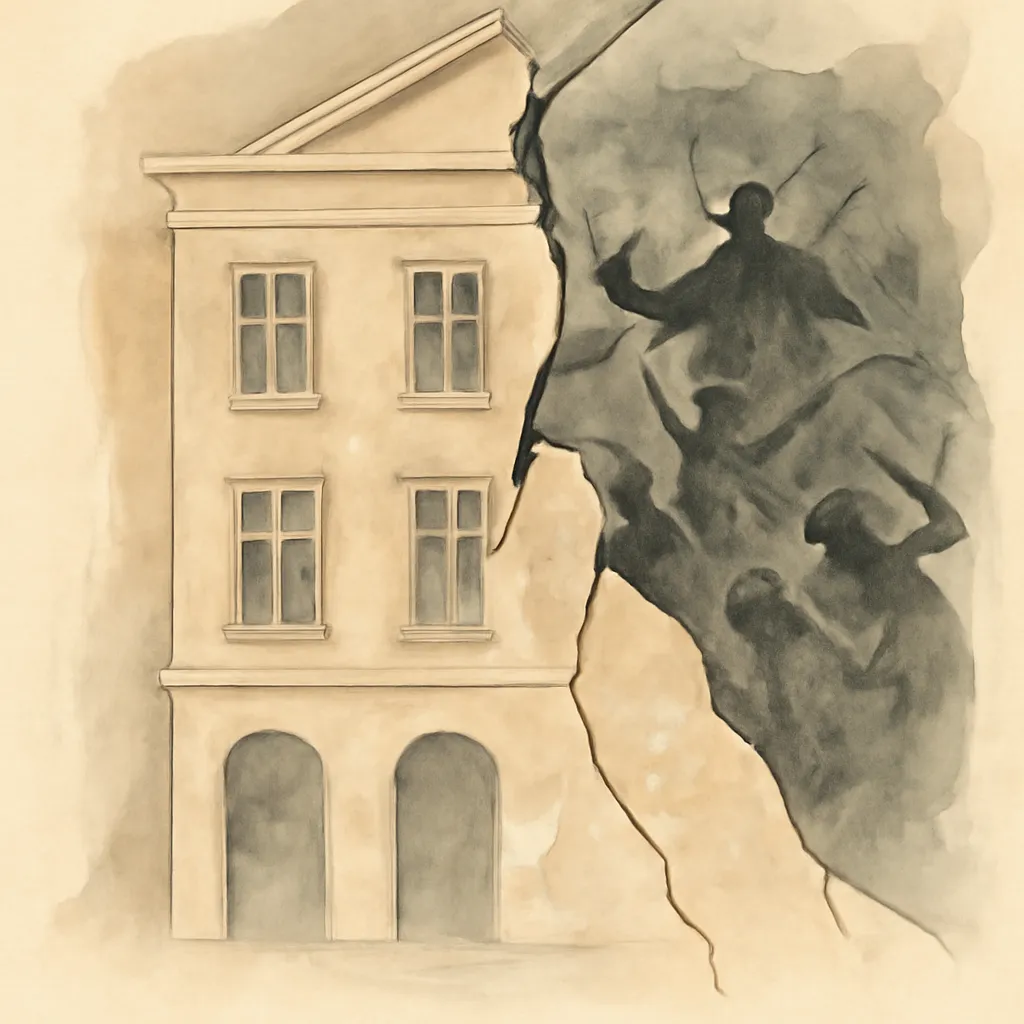
Set against the backdrop of Victorian London, the story reflects the societal norms and expectations of the time. The rigid moral framework of the era places significant pressure on individuals to conform to specific standards of behavior. Dr. Jekyll's initial decision to create Hyde is rooted in the desire to escape the constraints imposed by society. However, the story critiques this very societal structure by showcasing its role in fostering hypocrisy. While Jekyll seeks to indulge in his darker desires without tarnishing his reputation, he ultimately becomes a victim of the very society he wishes to evade. The novel thus serves as a commentary on the duality of public persona versus private identity, highlighting the dangers of societal expectations on individual behavior.
5.The Nature of Evil
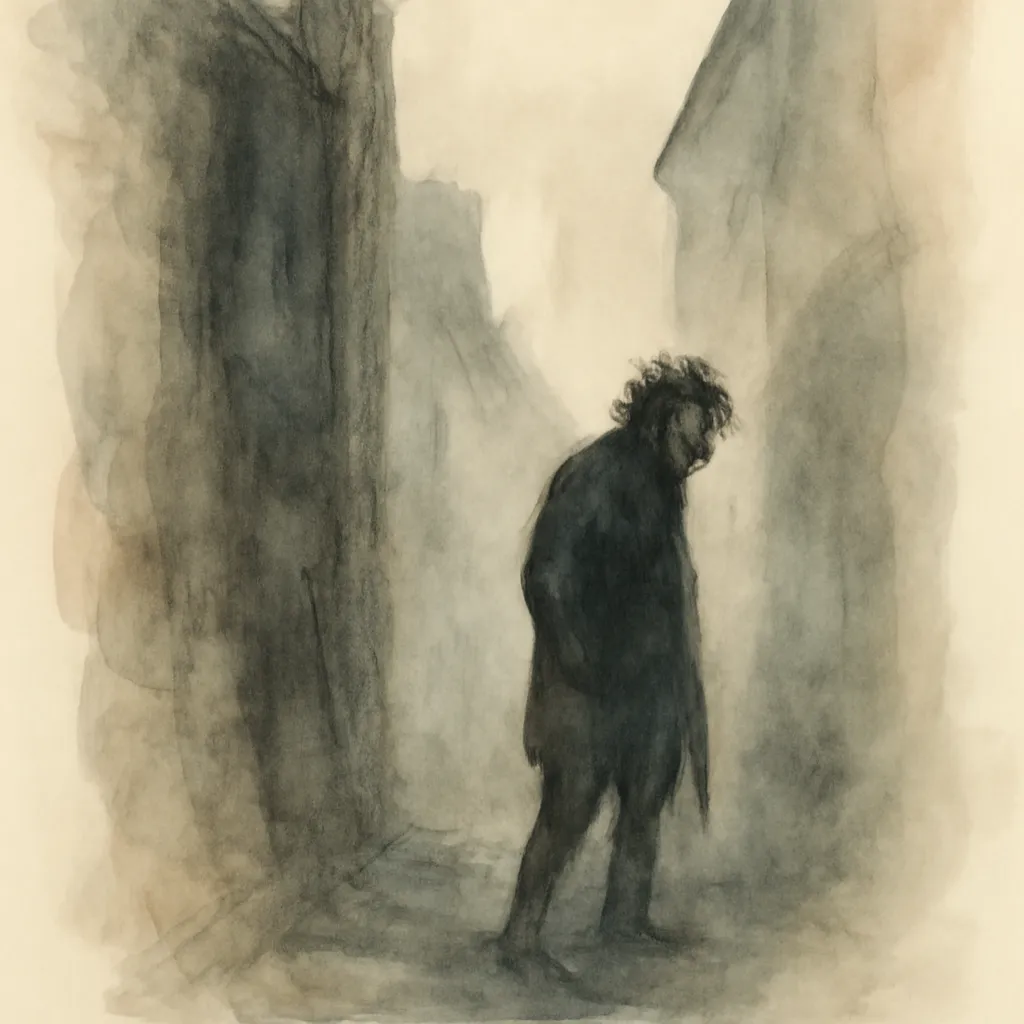
Stevenson raises profound questions about the nature of evil through the character of Mr. Hyde. Unlike traditional depictions of villainy, Hyde is not merely a personification of evil; he represents the darker aspects of human nature that reside within everyone. As Jekyll transforms into Hyde, he experiences a liberation from the constraints of morality, allowing him to act without guilt or fear of judgment. This transformation challenges the notion of evil as an external force, suggesting instead that it is an inherent part of the human experience. The violent and destructive actions of Hyde serve as a reminder of the potential for darkness that exists within all individuals, prompting readers to reflect on their own capacity for both good and evil.
6.Identity and Self-Perception
The struggle between Jekyll and Hyde also raises important questions about identity and self-perception. Jekyll's experiments blur the lines between his two personas, leading to a crisis of identity as he grapples with the reality of being both a respected doctor and a monstrous figure. The transformation into Hyde allows Jekyll to explore aspects of his identity he has long suppressed, yet it ultimately leads to his downfall. The narrative suggests that identity is not fixed but rather a fluid construct shaped by both internal desires and external perceptions. As Jekyll loses control over his transformations, he becomes a cautionary figure, illustrating the fragility of identity when one attempts to compartmentalize different facets of the self.
7.The Theme of Isolation
Isolation is a recurring theme in 'Strange Case of Dr Jekyll and Mr Hyde,' reflecting the emotional and psychological distance that can arise from living a dual life. Jekyll's attempts to separate his respectable persona from his darker impulses lead him to a profound sense of loneliness. Despite his social status and friendships, he finds himself increasingly isolated as he becomes consumed by his alter ego. This isolation intensifies as Hyde's influence grows, pushing Jekyll further away from those who care about him. The novel suggests that the struggle to conceal one's true self can lead to alienation and despair, reinforcing the importance of authenticity and connection in overcoming personal demons.
8.The Unreliability of Perception
Stevenson cleverly plays with the theme of perception and the unreliability of appearances throughout the narrative. Mr. Hyde's outward demeanor is unassuming, yet his actions are monstrous, challenging the notion that one can judge a person solely based on their appearance. Similarly, Dr. Jekyll, despite his esteemed reputation, harbors a dark secret that contradicts his public persona. This duality prompts readers to question the validity of their own perceptions and the ease with which society can overlook the hidden darkness within individuals. The exploration of perception serves as a reminder that truth often lies beneath the surface, urging a deeper examination of character beyond mere appearances.
9.The Role of Science and Experimentation
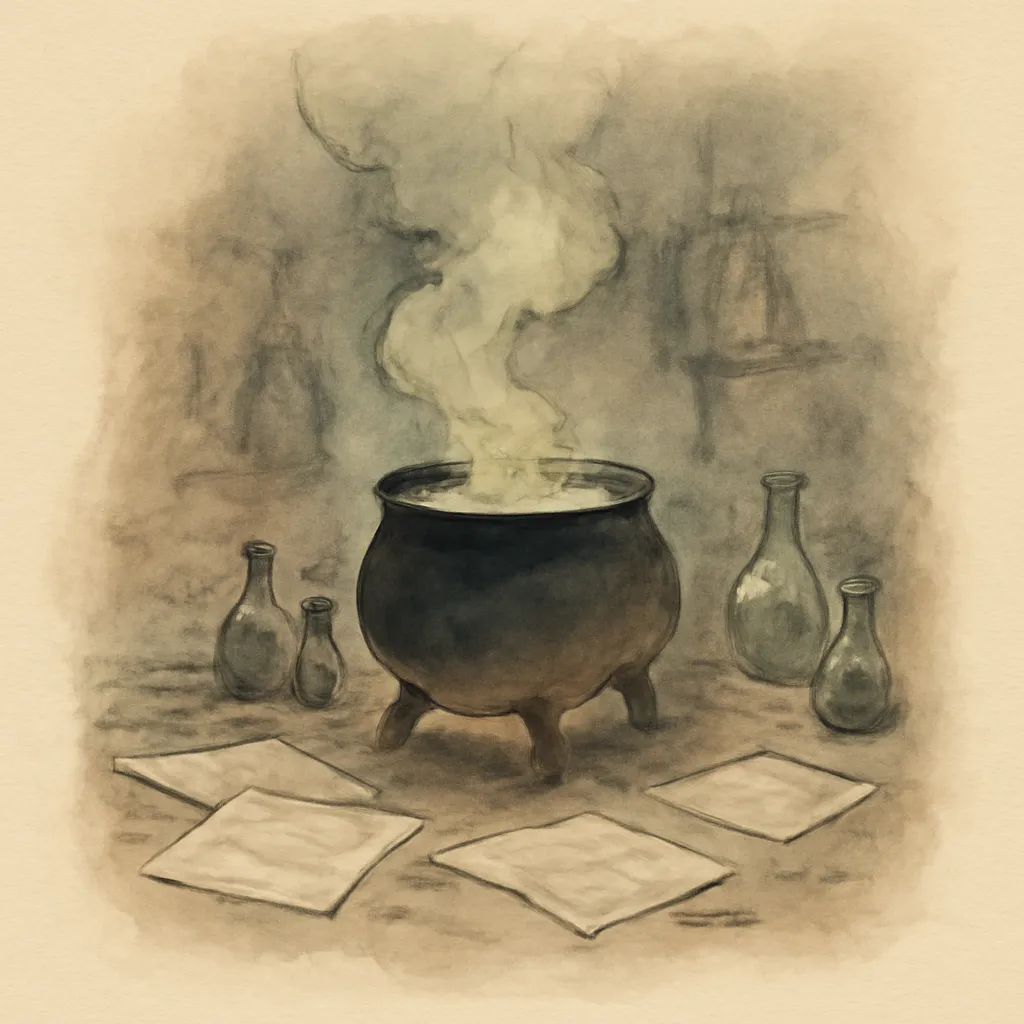
The scientific experimentation that drives Jekyll's transformation into Hyde serves as a critical commentary on the ethical implications of scientific exploration. Jekyll's pursuit of knowledge leads him to create a potion that unlocks his darker self, raising questions about the responsibilities that come with scientific discovery. The narrative reflects the tension between ambition and morality, illustrating how the desire for progress can lead to unforeseen consequences. Jekyll's tragic fate serves as a cautionary tale about the potential dangers of unchecked scientific experimentation, urging a careful consideration of the ethical boundaries that should govern such pursuits. The story suggests that while science has the power to enhance human understanding, it also carries the risk of unleashing forces beyond our control.