1.Magic as History and National Identity
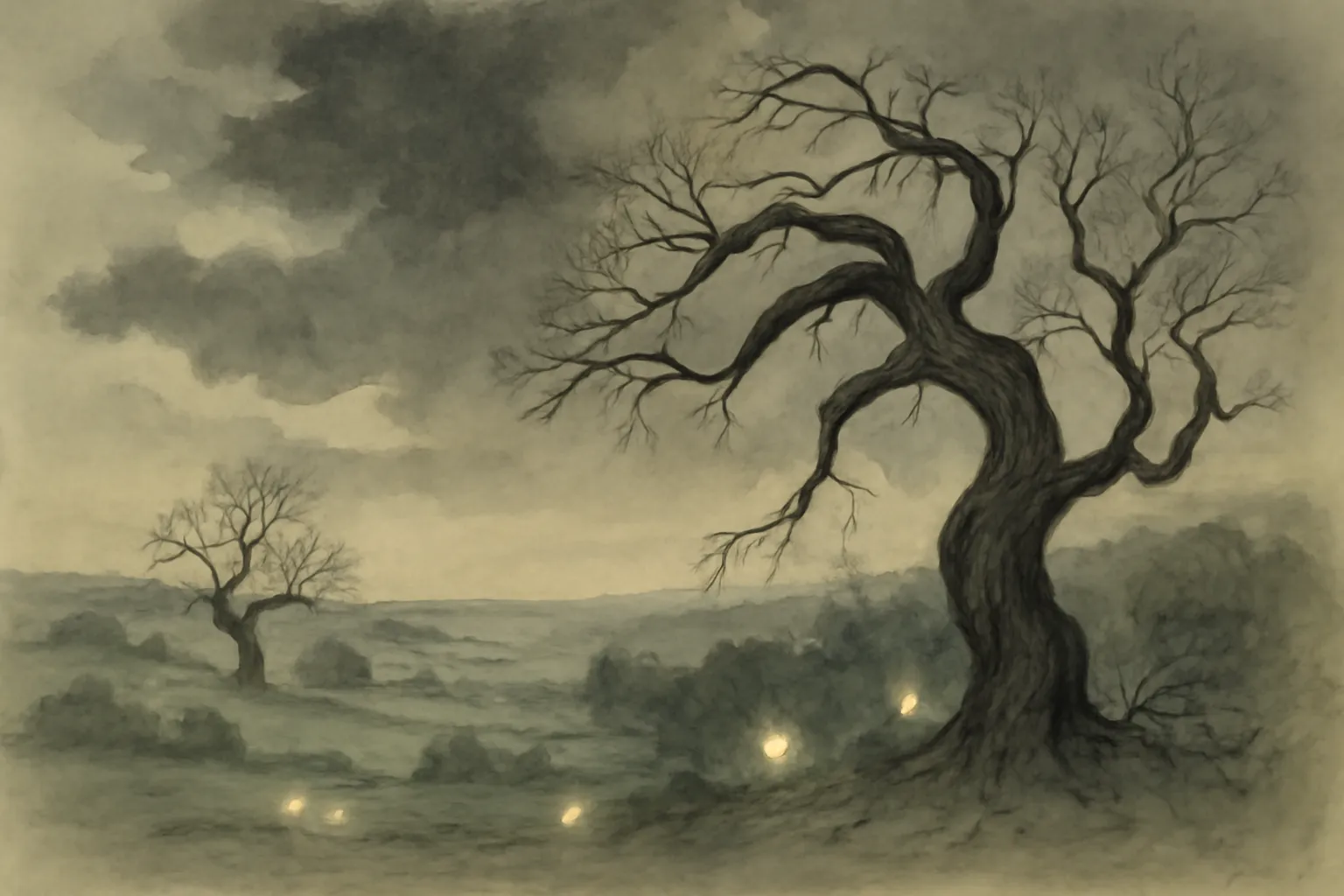
Clarke's England is not just a setting but a character shaped by its magical past. The novel treats magic as a lost national heritage, akin to folklore or language, that once defined what it meant to be English. The return of practical magic through Norrell and Strange becomes a metaphor for rediscovering and redefining national identity, especially in a time of war and social change. The tension between the rational, modernizing South and the wild, legendary North is central, inverting traditional stereotypes and asking who owns history and myth.
2.Reason versus Unreason
The novel explores the boundaries between Enlightenment rationality and the unpredictable, chaotic realm of magic. Mr Norrell embodies order, control, and the desire to domesticate magic for respectable society, while Strange is drawn to the wild, intuitive, and sometimes dangerous aspects of the art. Their conflict mirrors broader questions about the limits of reason and the value of embracing the unknown, suggesting that true progress may require a balance of both.
3.Power, Ambition, and Responsibility
Both Norrell and Strange are ambitious men, but their approaches to power are starkly different. Norrell hoards knowledge, fearing its misuse, while Strange seeks to expand and democratize it. The consequences of their actions—especially the unintended harm caused by their magical interventions—raise questions about the ethical responsibilities of those who wield extraordinary power. The novel probes the costs of ambition and the dangers of arrogance, both personal and political.
4.The Role of Women and the Marginalized
While the main magicians are men, Clarke gives significant narrative space to women and outsiders, such as Lady Pole and Stephen Black, who are profoundly affected by magic's return. Their experiences highlight the limitations of the magicians' vision and the ways in which those at the margins suffer from the ambitions and blind spots of the powerful. The novel subtly critiques the exclusionary traditions of both magic and English society.
5.The Power of Storytelling and Footnotes
Clarke’s use of extensive footnotes and invented scholarship blurs the line between fiction and history, creating a sense of depth and authenticity. These footnotes are more than stylistic flourish; they reinforce the idea that history is constructed, layered, and open to interpretation. The novel becomes a meditation on the power of stories—who tells them, who is left out, and how they shape reality.
6.Friendship, Rivalry, and Transformation
At its heart, the book is about the evolving relationship between Norrell and Strange—mentor and pupil, rivals, and ultimately, uneasy allies. Their dynamic drives the plot and serves as a lens for exploring themes of trust, betrayal, and personal growth. The transformations they undergo, both magical and emotional, reflect the broader changes sweeping through their world.