1.The Law of the Jungle
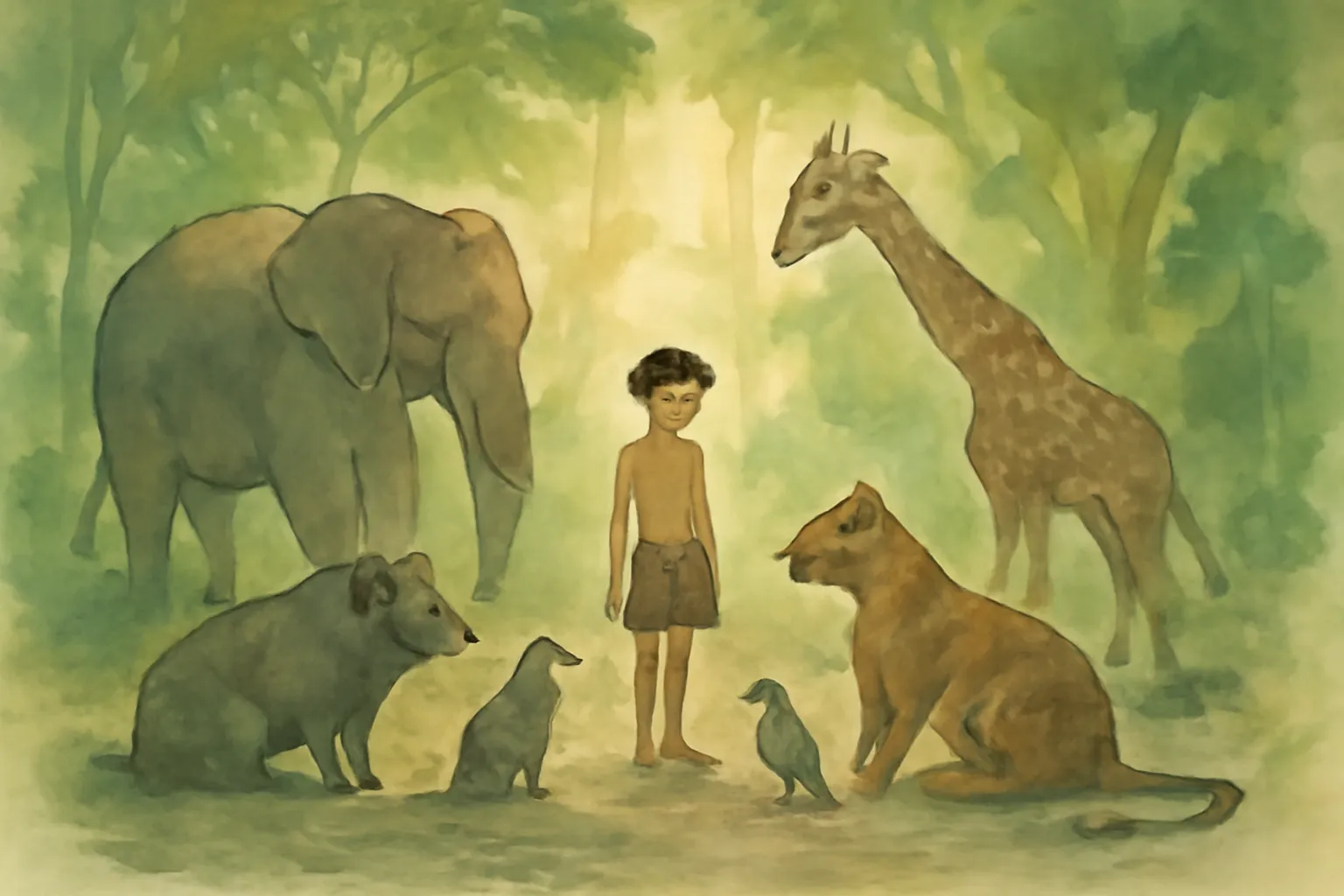
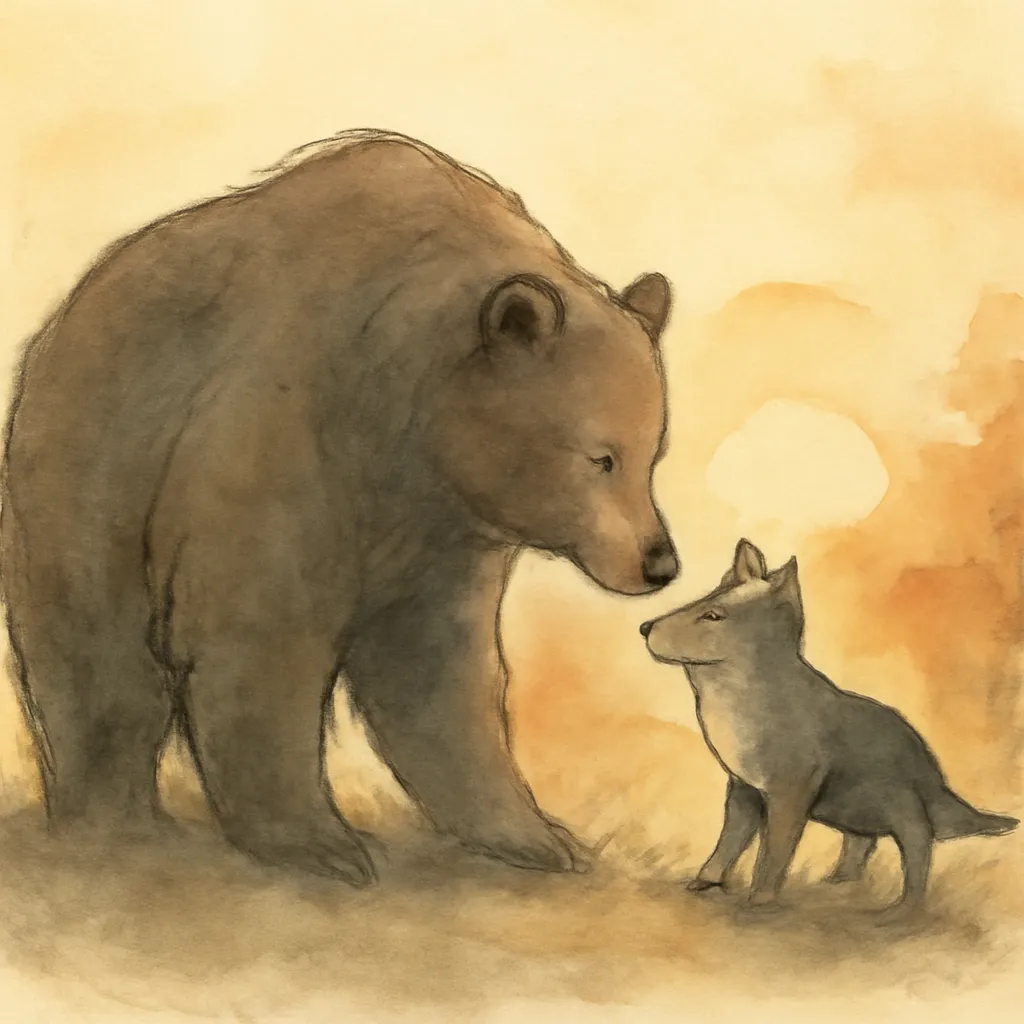
At the heart of 'The Jungle Book' lies the concept of the 'Law of the Jungle,' a code that governs the behavior of all creatures within it. This law is not merely a set of rules but a way of life that ensures harmony and balance among the jungle's inhabitants. Mowgli learns this law from Baloo, the bear, who teaches him the importance of respect, responsibility, and understanding one's place in the ecosystem. The law emphasizes the need for each animal to play its role; for example, the wolves hunt together, the deer flee from danger, and the snakes navigate their world with cunning. Mowgli's journey exemplifies the struggle to adhere to these laws while also grappling with his human identity, making the law a central theme that resonates throughout the stories.
2.Mowgli's Dual Identity
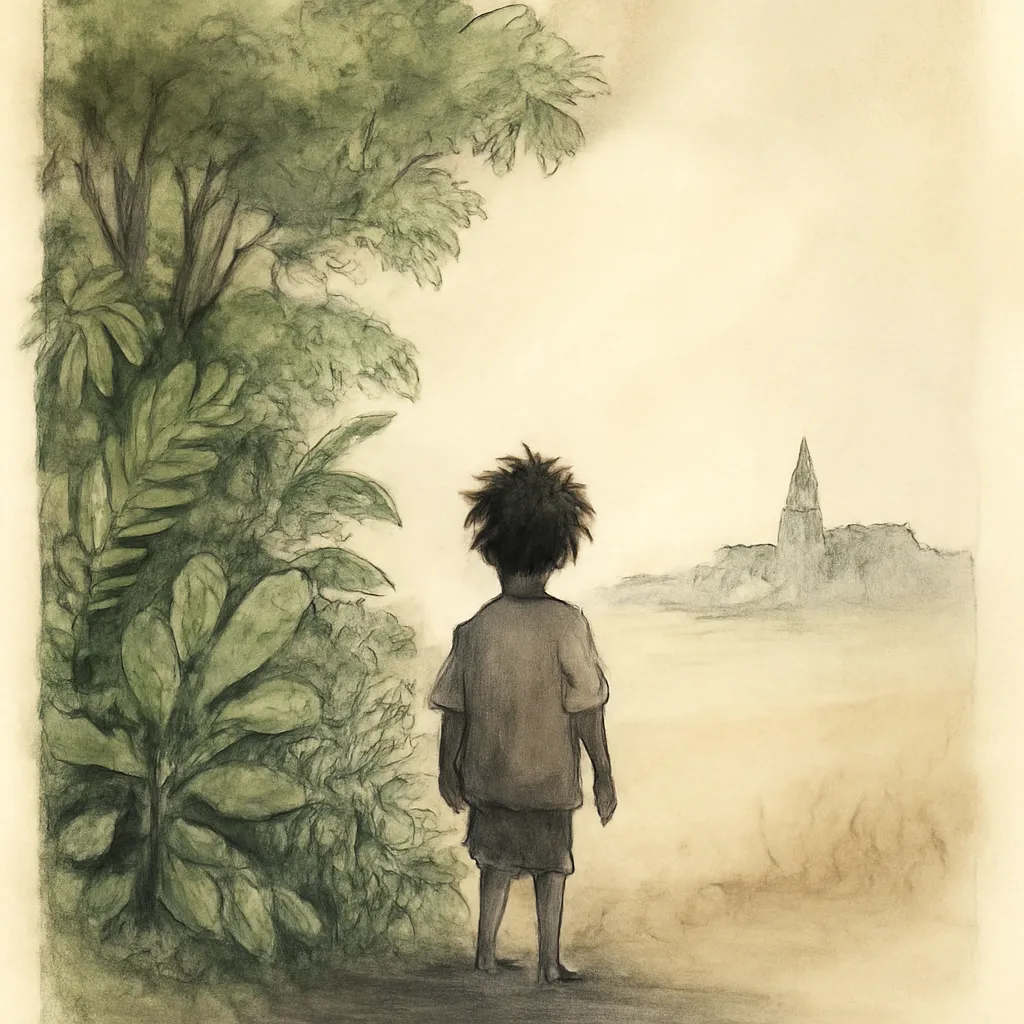
Mowgli's character embodies the tension between his human heritage and his upbringing in the animal kingdom. As a 'man-cub,' he is constantly torn between two worlds: the jungle, where he is loved and accepted by the wolves, and the human village, which he does not fully understand. His dual identity is both a blessing and a curse; while he possesses the instincts and agility of a wolf, he is also burdened by the expectations of humanity. This internal conflict is poignantly illustrated in his encounters with Shere Khan, who represents the predatory aspects of both the jungle and human society. Mowgli's struggle to reconcile these two identities drives his character development and underscores the broader theme of belonging.
3.Friendship and Loyalty
Friendship is a recurring theme in 'The Jungle Book,' exemplified by the relationships Mowgli forms with various animals. His bond with Baloo, the easygoing bear, represents a nurturing friendship based on mutual respect and affection. Baloo's teachings not only equip Mowgli with survival skills but also instill in him a sense of loyalty and camaraderie. Similarly, Bagheera, the panther, serves as a mentor and protector, reinforcing the notion that true friendship transcends species. These relationships highlight the importance of loyalty and trust, especially in the face of adversity. Mowgli's unwavering loyalty to his friends ultimately leads him to confront Shere Khan, showcasing how friendship can empower individuals to overcome their fears.
4.The Role of Fear and Courage
Fear plays a significant role in Mowgli's journey, shaping his actions and decisions throughout the narrative. From the moment he encounters Shere Khan, the fearsome tiger, Mowgli is confronted with the reality of danger in his world. However, rather than succumbing to fear, he learns to harness it as a source of strength. This transformation is evident in the climactic moments when Mowgli faces Shere Khan, where his courage is tested. Kipling illustrates that true bravery is not the absence of fear but the ability to confront it head-on. Mowgli's evolution from a frightened boy to a confident individual capable of standing up to his greatest fears serves as a powerful reminder of the importance of courage in the face of adversity.
5.The Nature of Power and Authority
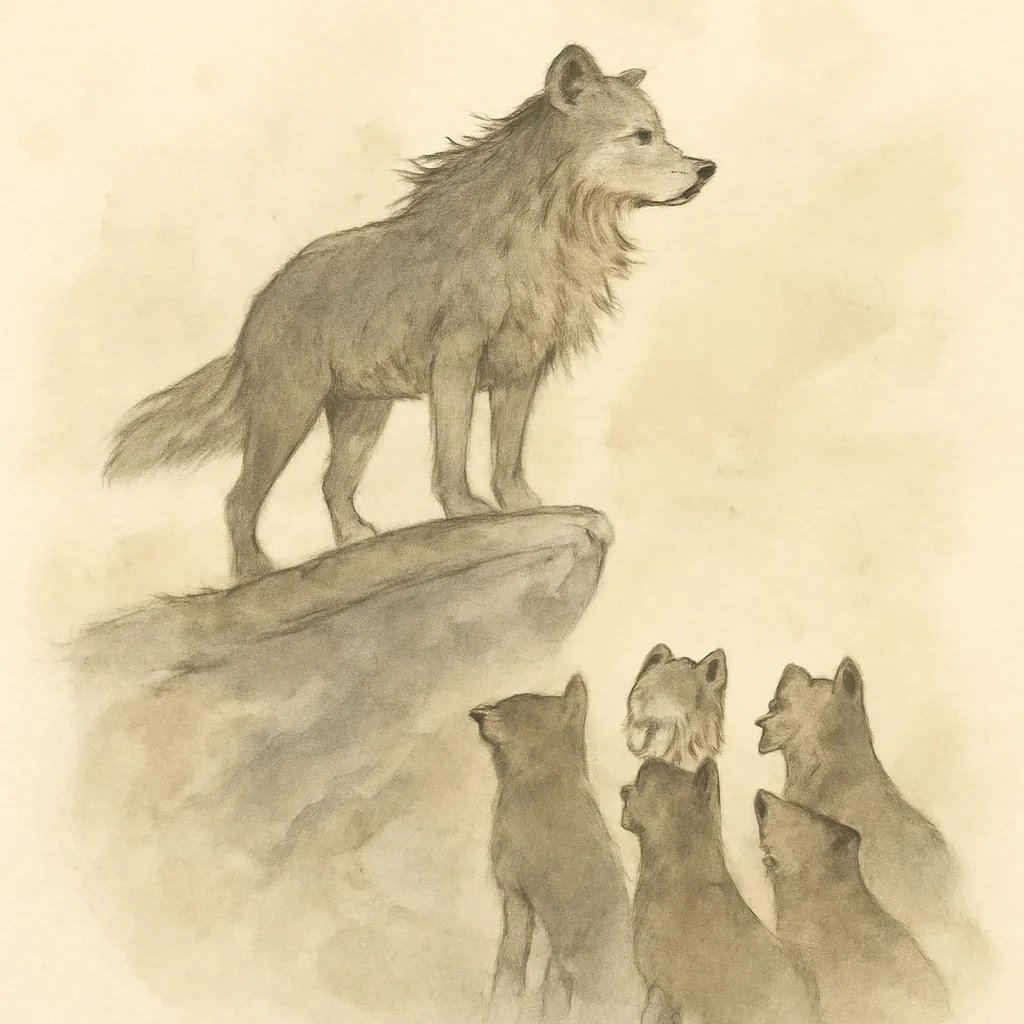
Kipling explores the dynamics of power and authority through the interactions between different animal species and their leaders. The wolf pack, led by Akela, represents a democratic society where decisions are made collectively, emphasizing the importance of wisdom and strength. In contrast, Shere Khan embodies a tyrannical figure, seeking to impose his will through fear and intimidation. Mowgli's experiences highlight the complexities of power, showing that true authority is earned through respect and loyalty rather than force. This theme resonates with human societies as well, prompting readers to reflect on the nature of leadership and the ethics of power. Mowgli's eventual rejection of Shere Khan's rule symbolizes a broader commentary on the fight against oppression and the pursuit of justice.
6.The Influence of the Environment
The jungle itself acts as a character in 'The Jungle Book,' shaping the lives and behaviors of its inhabitants. Kipling vividly describes the sights, sounds, and rhythms of the jungle, illustrating how the environment influences the animals' interactions and survival strategies. Mowgli's connection to the jungle is deepened through his experiences, from learning to hunt with the wolves to understanding the significance of the seasons. This relationship highlights the theme of interconnectedness, where every creature plays a role in the ecosystem. Mowgli's adaptability and respect for nature serve as a reminder of the importance of environmental stewardship, urging readers to appreciate and protect the natural world.
7.The Perils of Human Society
While the jungle offers a sense of freedom and belonging for Mowgli, the human world presents a stark contrast filled with challenges and dangers. His encounters with humans reveal the complexities of human nature, including greed, jealousy, and betrayal. Buldeo, the village hunter, embodies the darker aspects of humanity, seeking to exploit Mowgli's abilities for personal gain. This tension between the wild and civilization raises questions about the moral implications of human behavior and the consequences of straying from the natural order. Mowgli's struggles in the village serve as a cautionary tale about the perils of human society, suggesting that the jungle, despite its dangers, offers a more authentic existence.
8.The Importance of Mentorship
Mowgli's journey is profoundly shaped by the mentorship of key figures in his life, particularly Baloo and Bagheera. These mentors provide guidance, wisdom, and protection, helping Mowgli navigate the complexities of the jungle and his own identity. Baloo's lessons in the Law of the Jungle equip Mowgli with essential survival skills, while Bagheera's strategic thinking encourages him to be resourceful and clever. This theme underscores the significance of mentorship in personal development, illustrating how positive role models can empower individuals to overcome challenges and realize their potential. Mowgli's success in the jungle is a testament to the transformative power of mentorship and the lasting impact of those who guide us.
9.The Cycle of Life and Death
Kipling poignantly addresses the cycle of life and death within the jungle, where survival is often predicated on the delicate balance between predator and prey. Mowgli witnesses this cycle firsthand, from the birth of wolf cubs to the hunt for food. The natural order is both beautiful and brutal, emphasizing the harsh realities of existence in the wild. This theme serves as a reminder of the interconnectedness of all living beings, where every creature plays a role in sustaining the ecosystem. Mowgli's acceptance of this cycle reflects his growth and understanding of the world around him, ultimately leading him to embrace his place within it. Kipling's exploration of life and death invites readers to contemplate the fragility of existence and the importance of respecting nature's rhythms.
10.The Journey of Self-Discovery
Mowgli's journey is ultimately one of self-discovery, as he grapples with his identity and place in the world. His experiences in the jungle, alongside his friendships and confrontations, shape his understanding of who he is. Throughout the narrative, Mowgli evolves from a naive boy into a confident individual who embraces both his human and animal instincts. This journey highlights the importance of introspection and understanding oneself, urging readers to reflect on their own identities and the factors that shape them. Mowgli's eventual return to the jungle signifies a reconciliation of his dual identities, suggesting that self-acceptance is key to finding one's true self.