1.The Duality of Identity
Kim's character embodies the struggle of dual identity as a half-caste child in colonial India. Born to an English soldier and an Indian mother, he navigates between the worlds of the British and the indigenous people. His ability to speak multiple languages and blend into various social circles reflects his adaptability, yet he remains acutely aware of his outsider status. This duality is not just a personal struggle; it represents the broader conflict of colonialism, where identities are often fractured and complex. Kim's journey becomes a metaphor for the search for belonging in a world that constantly labels and divides. Through his experiences, readers are invited to reflect on their own identities and the societal structures that shape them.
2.The Quest for Enlightenment
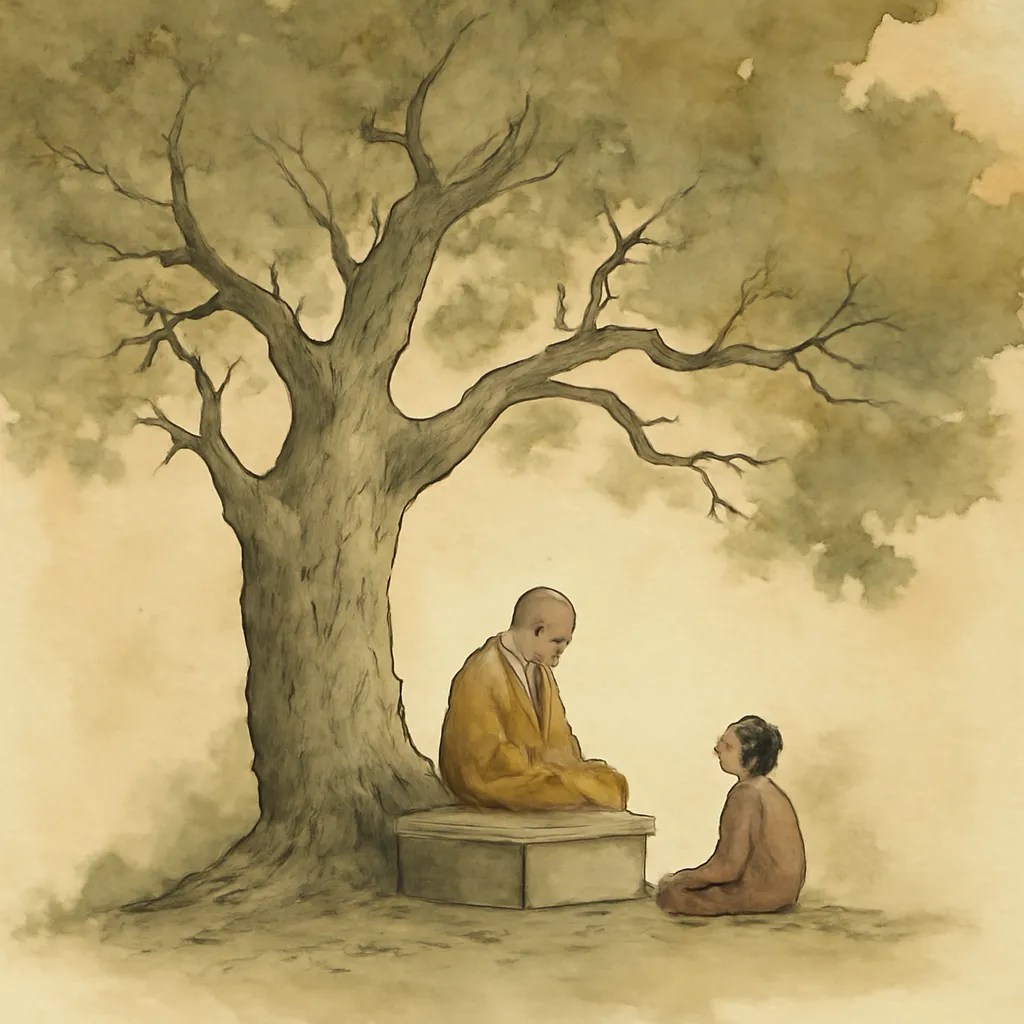
At the heart of 'Kim' is the spiritual quest of the lama, a Tibetan monk who seeks the River of the Arrow, a symbol of enlightenment. His journey parallels Kim's, as both characters traverse the landscapes of India, with the lama embodying a spiritual perspective that contrasts with Kim's more pragmatic approach to life. The lama's teachings emphasize the importance of compassion, mindfulness, and the pursuit of truth, urging Kim to look beyond the surface of life. This spiritual journey is interwoven with the physical journey, highlighting the idea that enlightenment is not a destination but a process of self-discovery. The lama's wisdom serves as a guiding light for Kim, encouraging readers to reflect on their own spiritual paths and the significance of seeking deeper truths.
3.The Intricacies of Espionage
Kipling intricately weaves a narrative of espionage into Kim's adventures, reflecting the political tensions of colonial India. Kim becomes a spy for the British secret service, which adds a layer of complexity to his character as he navigates loyalty and betrayal. His encounters with various characters, including the enigmatic Mahbub Ali, reveal the morally ambiguous nature of espionage. The novel showcases the delicate balance of power, where personal relationships often intersect with political agendas. Through Kim's experiences, readers gain insight into the ethical dilemmas faced by those involved in espionage and the impact of colonial politics on individual lives. This theme serves as a reminder of the pervasive influence of politics in personal and collective identities.
4.Cultural Collision and Harmony
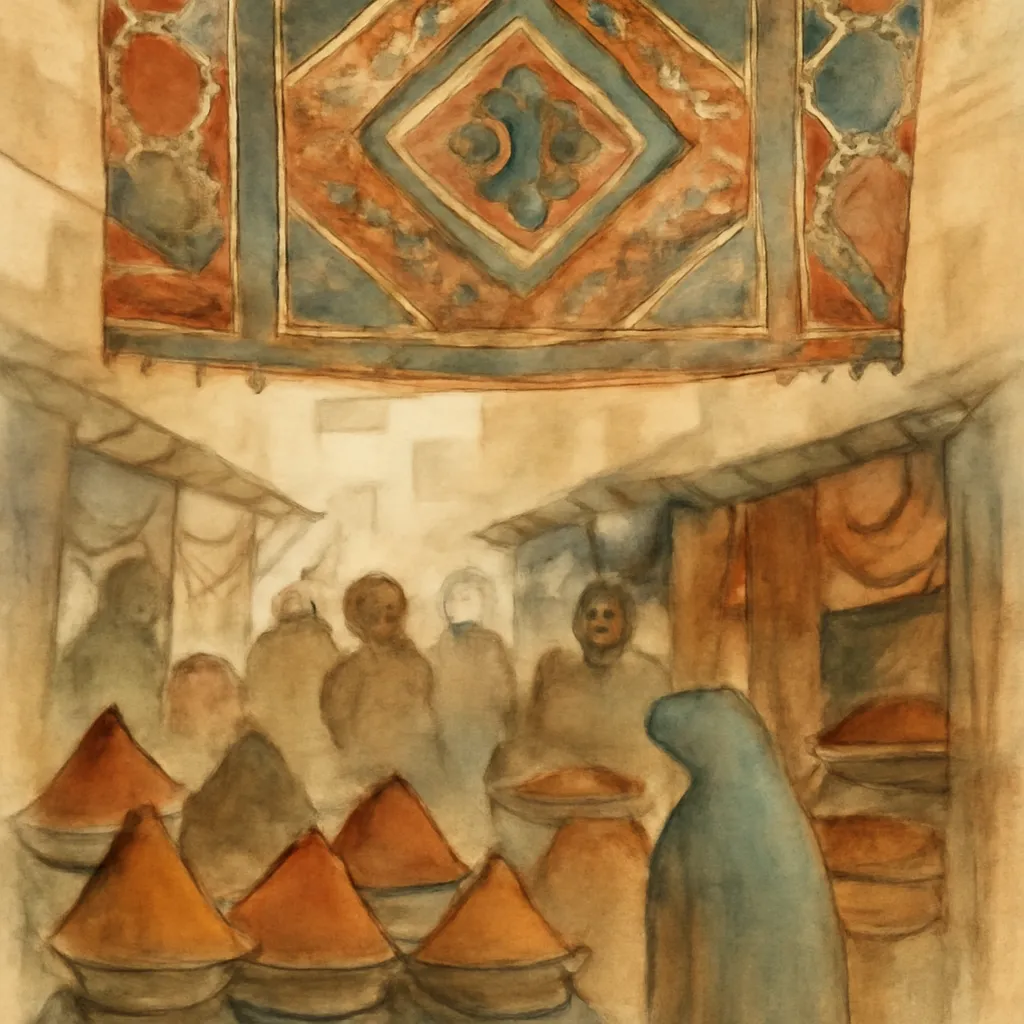
The novel vividly portrays the collision of cultures in colonial India, where British imperialism meets rich indigenous traditions. Kim's interactions with various characters from different backgrounds highlight the complexities of cultural exchange and coexistence. The bazaar scenes, for instance, are alive with the sounds, sights, and smells of diverse cultures converging. Kipling captures the essence of India's pluralism, illustrating how individuals from different backgrounds can find common ground despite their differences. This cultural tapestry enriches Kim's journey, allowing him to learn from various traditions and beliefs. The narrative encourages readers to appreciate the beauty of cultural diversity and the potential for harmony amidst differences.
5.The Role of the Mentor
The relationship between Kim and the lama serves as a powerful example of mentorship and the passing of wisdom across generations. The lama, as a spiritual guide, imparts knowledge and insights that shape Kim's understanding of life and his place within it. This mentorship goes beyond mere instruction; it fosters a deep bond based on trust and mutual respect. The lama's patience and compassion allow Kim to explore his identity and spirituality without judgment. Their dynamic illustrates the importance of mentorship in personal growth, emphasizing how guidance and support can lead to profound transformation. Readers are invited to consider the mentors in their own lives and the impact they have on personal journeys.
6.The Significance of Adventure
Adventure is a central theme in 'Kim,' serving as a catalyst for character development and self-discovery. Kim's travels across India expose him to diverse cultures, landscapes, and philosophies, broadening his worldview. Each adventure brings new challenges and lessons, from navigating the complexities of society to confronting the realities of life as a spy. Kipling's portrayal of adventure emphasizes its transformative power, suggesting that it is through exploration and experience that individuals come to understand themselves and their place in the world. This theme resonates with readers, encouraging them to embrace their own adventures and recognize their potential for growth and change.
7.The Nature of Friendship
Friendship is a recurring motif in 'Kim,' exemplified by the bond between Kim and the lama. Their relationship transcends cultural boundaries, highlighting the universality of human connection. Despite their differences in background and belief, they find commonality in their shared journey and mutual respect. This friendship provides emotional support and guidance, illustrating the importance of companionship in navigating life's challenges. Kipling portrays friendship as a source of strength, capable of bridging divides and fostering understanding. Readers are reminded of the value of authentic connections in their own lives and the role these relationships play in personal growth and fulfillment.
8.The Influence of Colonialism
Colonialism serves as a backdrop to Kim's story, influencing the lives of characters and shaping their experiences. The British presence in India creates a complex social and political landscape, where issues of power, identity, and resistance are prevalent. Kim's position as a half-caste child places him at the intersection of colonial and indigenous worlds, forcing him to navigate the challenges and privileges that come with both identities. Kipling's portrayal of colonialism invites readers to reflect on its lasting impact on individuals and societies, encouraging a critical examination of historical narratives and their implications for contemporary identities. This theme remains relevant today, as issues of post-colonial identity continue to resonate across the globe.
9.The Quest for Belonging
Throughout 'Kim,' the quest for belonging is a driving force in Kim's journey. As a half-caste orphan, he grapples with his identity and his place in a society that often marginalizes him. His adventures lead him to seek acceptance among various groups, from the British to the Indian populace. This quest is not solely about finding a physical home but also about discovering a sense of self and purpose. Kipling explores the emotional and psychological dimensions of belonging, highlighting the innate human desire for connection and acceptance. Readers can relate to this universal theme, reflecting on their own experiences of seeking belonging in a world that often feels divided.
10.The Intersection of Fate and Free Will
Kipling's narrative raises questions about fate and free will through Kim's journey. As he navigates the complexities of colonial India, Kim often finds himself at the mercy of circumstances beyond his control. However, his choices and actions also play a crucial role in shaping his destiny. The interplay between fate and free will is exemplified in Kim's encounters with various characters, each influencing his path in different ways. This theme invites readers to consider the extent to which individuals can shape their own destinies amidst external forces. By exploring this tension, Kipling encourages a deeper understanding of the human experience and the complexities of life.