1.The Celebration of the Individual
Whitman begins 'Leaves of Grass' by singing the praises of the individual, which he sees as a microcosm of the larger democratic society. He asserts that every person holds equal value, regardless of gender, class, or background. His famous line "For every atom belonging to me as good belongs to you" encapsulates this idea, suggesting that our shared humanity connects us all. Whitman’s reflections on his own life experiences—ranging from his upbringing in Paumanok to his travels across America—illustrate the diversity of the human experience. He emphasizes that true democracy arises when individuals recognize their intrinsic worth and their role in the collective narrative of society. This celebration of individualism serves as a call to embrace one’s unique identity while also acknowledging the interconnectedness of all lives.
2.The Essence of Nature
Nature plays a critical role in Whitman's poetry, serving as both a backdrop and a vital component of human existence. He frequently draws on natural imagery to convey complex emotions and ideas, portraying the earth as a living entity with which humans are intimately connected. In his poems, the landscapes of America—from the prairies to the rivers—are not just settings; they are characters that reflect the soul of the nation. Whitman suggests that by immersing ourselves in nature, we can achieve a deeper understanding of ourselves and our place in the universe. He invites readers to find beauty in the simplest aspects of the natural world, such as a single blade of grass, which becomes a symbol of life, growth, and continuity. This connection to nature is a recurring theme, reinforcing the idea that to understand humanity, one must first appreciate the world that sustains it.
3.War and Its Dualities
Whitman’s engagement with the theme of war is complex and multifaceted. He acknowledges the brutality and chaos of battle but also sees it as a significant aspect of the human experience that shapes identity and destiny. His reflections on the Civil War, particularly in poems like 'Drum-Taps,' illustrate the profound impact of conflict on individuals and society. Whitman does not shy away from depicting the horrors of war, yet he also finds moments of beauty and heroism amid the devastation. He promotes the idea that through suffering and sacrifice, individuals can discover their true selves and forge stronger connections with one another. This duality—of destruction and creation, pain and beauty—underscores the complexity of the human spirit and the resilience found in the face of adversity.
4.The Power of Love
Love, in its many forms, is a central theme in 'Leaves of Grass.' Whitman explores romantic love, platonic friendships, and the bonds between families and communities. He portrays love as a transformative force that transcends individual experiences, fostering connection and understanding among people. In his poems, the expression of love is often intertwined with themes of sensuality and physicality, challenging societal norms and celebrating the human body. Whitman’s candid approach to love and sexuality reflects a desire for authenticity and freedom, encouraging readers to embrace their desires without shame. Through love, Whitman suggests that individuals can find solace and strength, ultimately contributing to a more profound sense of unity within the broader human experience.
5.Democracy as a Living Entity
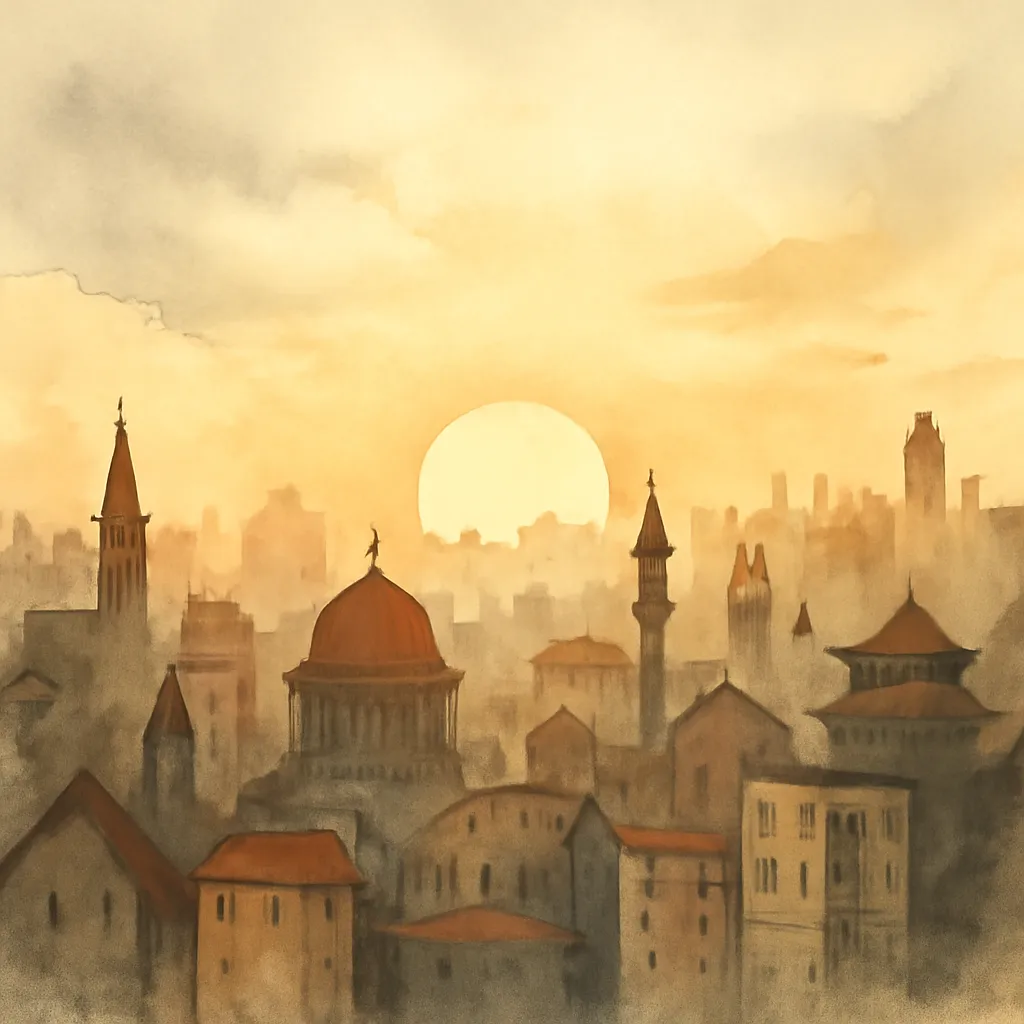
Whitman’s vision of democracy extends beyond political structures; it is a living, breathing entity that encompasses the spirit of the people. He argues that true democracy is rooted in the recognition of each individual's worth and the celebration of diversity. In poems like 'Salut au Monde!' , he paints a picture of a democratic society where all voices are heard, and all identities are valued. Whitman’s democratic ethos is inclusive, advocating for the rights of marginalized groups and emphasizing the importance of social justice. He envisions a world where individuals actively participate in shaping their communities, fostering a collective responsibility toward one another. This vision serves as both an aspiration and a challenge, urging readers to engage with the democratic process and contribute to the greater good.
6.The Interplay of Life and Death
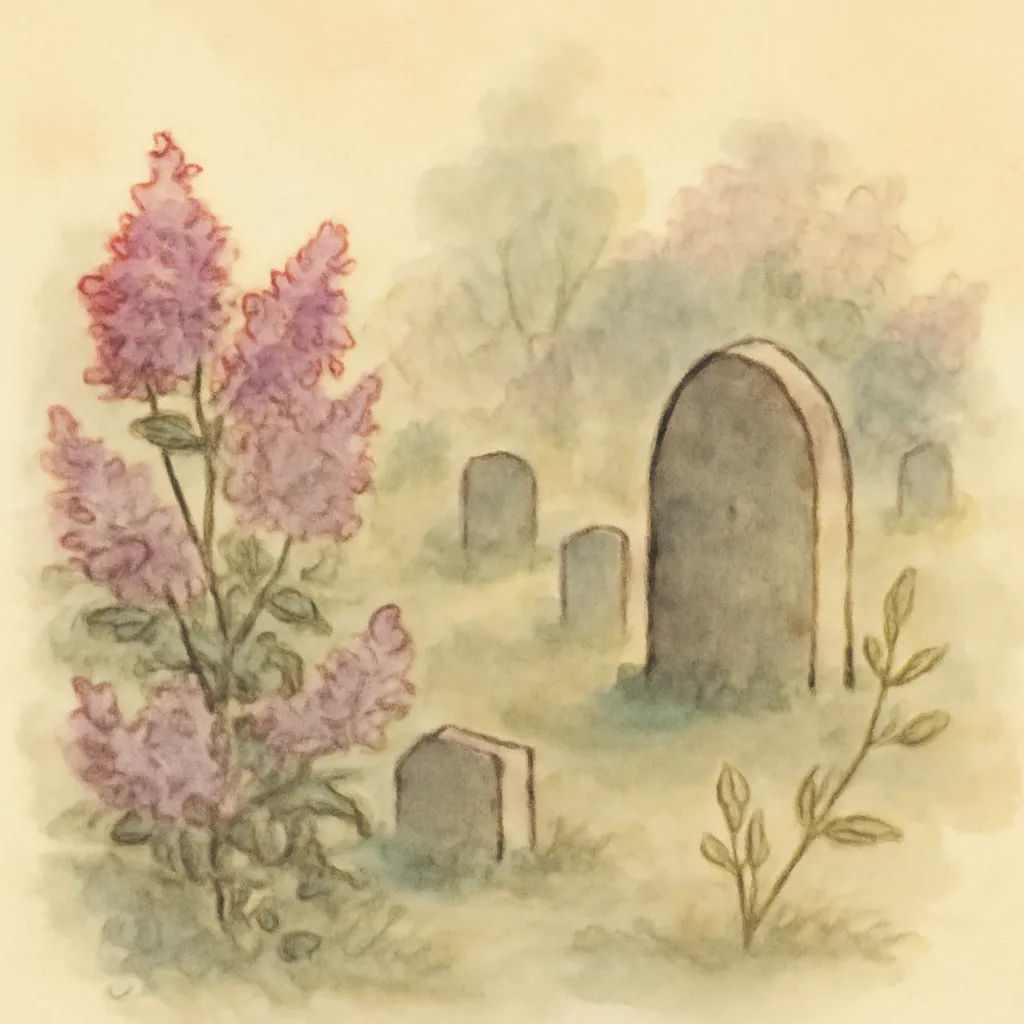
The themes of life and death permeate Whitman's work, reflecting his belief in the cyclical nature of existence. He often contemplates mortality, not as an end, but as a necessary part of the life continuum. In 'When Lilacs Last in the Dooryard Bloom’d,' Whitman mourns the death of President Lincoln while simultaneously celebrating the enduring spirit of life. He sees death as a transformation, a return to the earth that nourishes new life. This interplay between life and death serves to remind readers of the transient nature of human experience and the importance of cherishing each moment. Whitman’s acceptance of death allows him to embrace life fully, encouraging readers to live authentically and fearlessly in the face of inevitable mortality.
7.The Importance of the Common Man
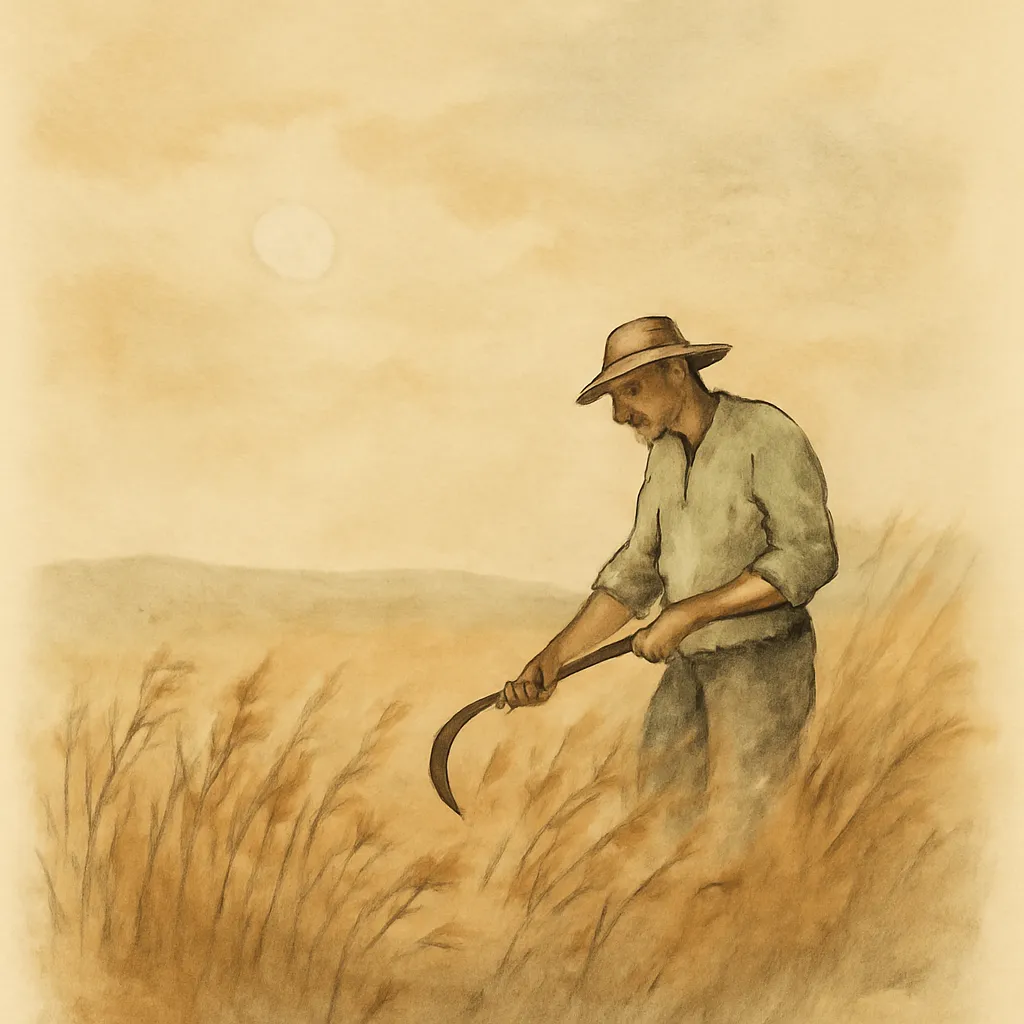
Whitman elevates the common man and woman as central figures in his poetic narrative, asserting that their stories are as significant as those of the elite. He celebrates everyday laborers, farmers, and soldiers, recognizing their contributions to the fabric of society. In doing so, he democratizes poetry, making it accessible to all and reflecting the diverse experiences of the American populace. Whitman’s portrayal of the working class serves as a reminder of the dignity found in labor and the heroism of ordinary life. By honoring the common man, Whitman challenges traditional notions of greatness and success, advocating for a broader understanding of what it means to lead a meaningful life.
8.Self-Reliance and Authenticity
A key tenet of Whitman’s philosophy is the idea of self-reliance and the importance of living authentically. He encourages readers to embrace their true selves, free from societal constraints and expectations. In 'Song of Myself,' Whitman celebrates the act of self-discovery, asserting that each person must forge their own path and find their own voice. This pursuit of authenticity is intertwined with the concept of individualism, as Whitman believes that only by being true to oneself can one contribute meaningfully to society. His emphasis on self-expression invites readers to reflect on their own identities and the ways in which they can cultivate their unique perspectives in an increasingly homogenized world.
9.The Role of the Poet
Whitman views the poet as a vital figure in society, serving as a voice for the collective experience of humanity. He believes that poets have the unique ability to bridge the gap between the individual and the universal, articulating the complexities of life in ways that resonate deeply with others. In 'Song of Myself,' he positions himself as a conduit for the thoughts and feelings of his contemporaries, reflecting the diverse voices of America. Whitman’s vision of the poet extends beyond mere artistry; he sees poetry as a form of activism, capable of inspiring change and fostering empathy. By elevating the role of the poet, Whitman underscores the importance of art in shaping societal values and promoting understanding among diverse groups.
10.Unity in Diversity
A recurring theme in 'Leaves of Grass' is the idea of unity in diversity, which Whitman embraces as a cornerstone of the American identity. He acknowledges the multitude of cultures, races, and ideologies that coexist within the nation, celebrating this diversity as a source of strength. In his poems, Whitman advocates for inclusivity and acceptance, encouraging readers to find common ground despite their differences. He envisions a society where individuals can come together to celebrate their unique identities while recognizing their shared humanity. This message of unity is especially relevant in today’s increasingly polarized world, reminding us that our differences can enrich our collective experience rather than divide us.