1.Moral Leadership and Nonviolence
Luthuli’s narrative is defined by his unwavering commitment to moral principles and nonviolent resistance. He draws from his Christian faith and traditional African values, advocating for a struggle rooted in dignity, patience, and humanity. Throughout the book, Luthuli insists that the fight against apartheid must not mirror the violence or hatred of the oppressors. Instead, he frames nonviolence as both a strategic and ethical imperative, believing it offers the best hope for lasting reconciliation and justice. His example set a tone for the ANC and inspired global solidarity.
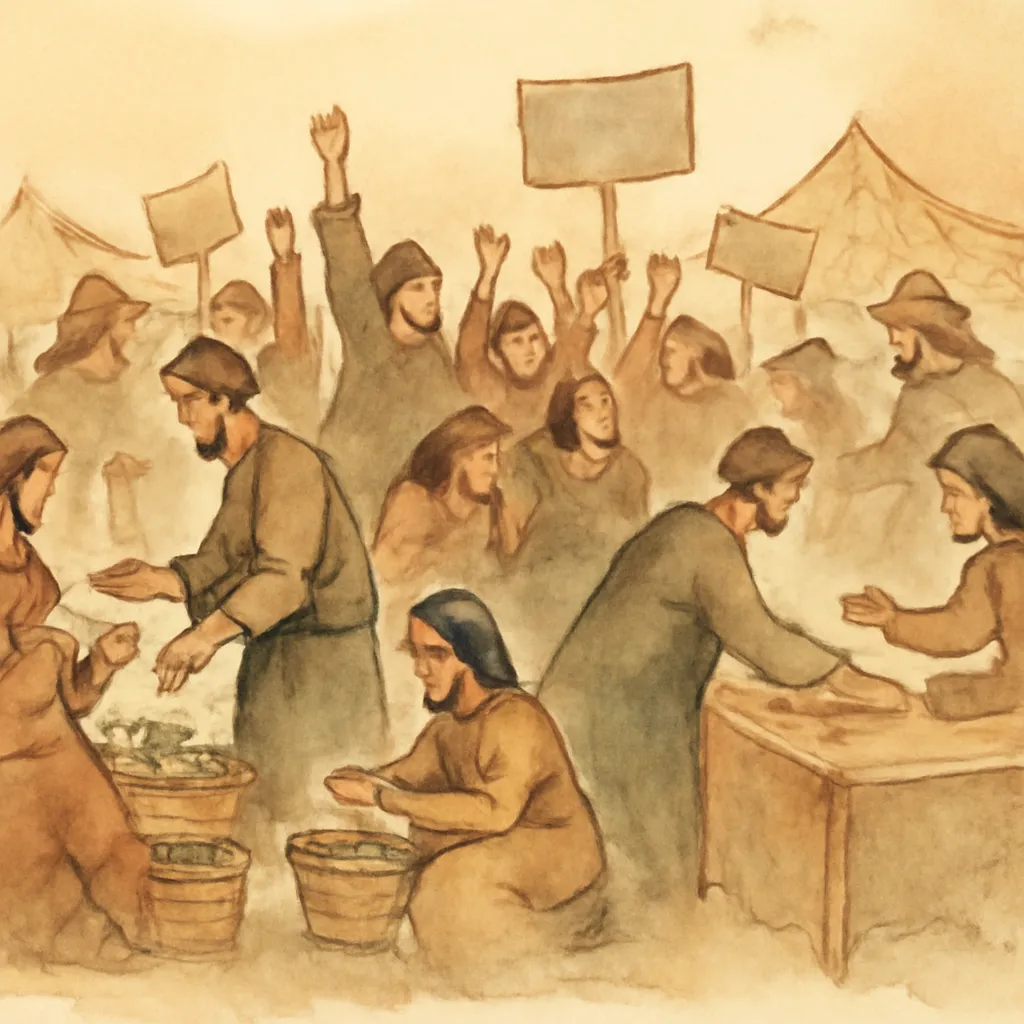
2.Grassroots Mobilization
Let My People Go details how ordinary South Africans, often at great personal risk, organized mass campaigns like the Defiance Campaign, bus boycotts, and consumer protests. Luthuli highlights the importance of collective action and the power of community organizing, emphasizing that the struggle was not just led by prominent figures, but by countless unnamed individuals. This focus on grassroots activism underscores the democratic spirit of the movement and the necessity of broad-based participation to challenge entrenched systems.
3.The Cost of Resistance
Luthuli’s account is candid about the personal and communal sacrifices required in the fight against apartheid. He describes arrests, bannings, and the constant threat of violence, as well as the psychological toll of living under surveillance and repression. By sharing his own experiences—such as being banned from public gatherings and enduring isolation—Luthuli personalizes the abstract concept of resistance, reminding readers that the struggle for justice is fraught with hardship but also with resilience and hope.
4.Vision of a Non-Racial, Inclusive South Africa
A central theme of the book is Luthuli’s vision for a non-racial, non-sexist, and democratic South Africa. He challenges both the legitimacy and morality of apartheid, arguing for a society where all people, regardless of race, can live together in equality and mutual respect. This vision, articulated in the drafting of the Freedom Charter and other movement milestones, positioned the ANC as a movement not of revenge, but of reconciliation and shared nationhood.
5.The Power of International Solidarity
Luthuli recognizes the importance of global awareness and support for the anti-apartheid cause. He discusses how international condemnation of apartheid, coupled with solidarity actions abroad, helped sustain the morale of activists and pressured the South African government. His own Nobel Peace Prize win symbolized this global connection, reinforcing the idea that the struggle for justice in South Africa was part of a broader human rights movement.
6.Faith as a Source of Strength
Throughout his memoir, Luthuli’s Christian faith is a wellspring of hope, courage, and ethical clarity. He weaves spiritual reflections into his political narrative, suggesting that faith can sustain individuals and communities through adversity. This spiritual dimension adds depth to his leadership and offers readers an example of how personal convictions can inform public action.