1.The Urgency of Now
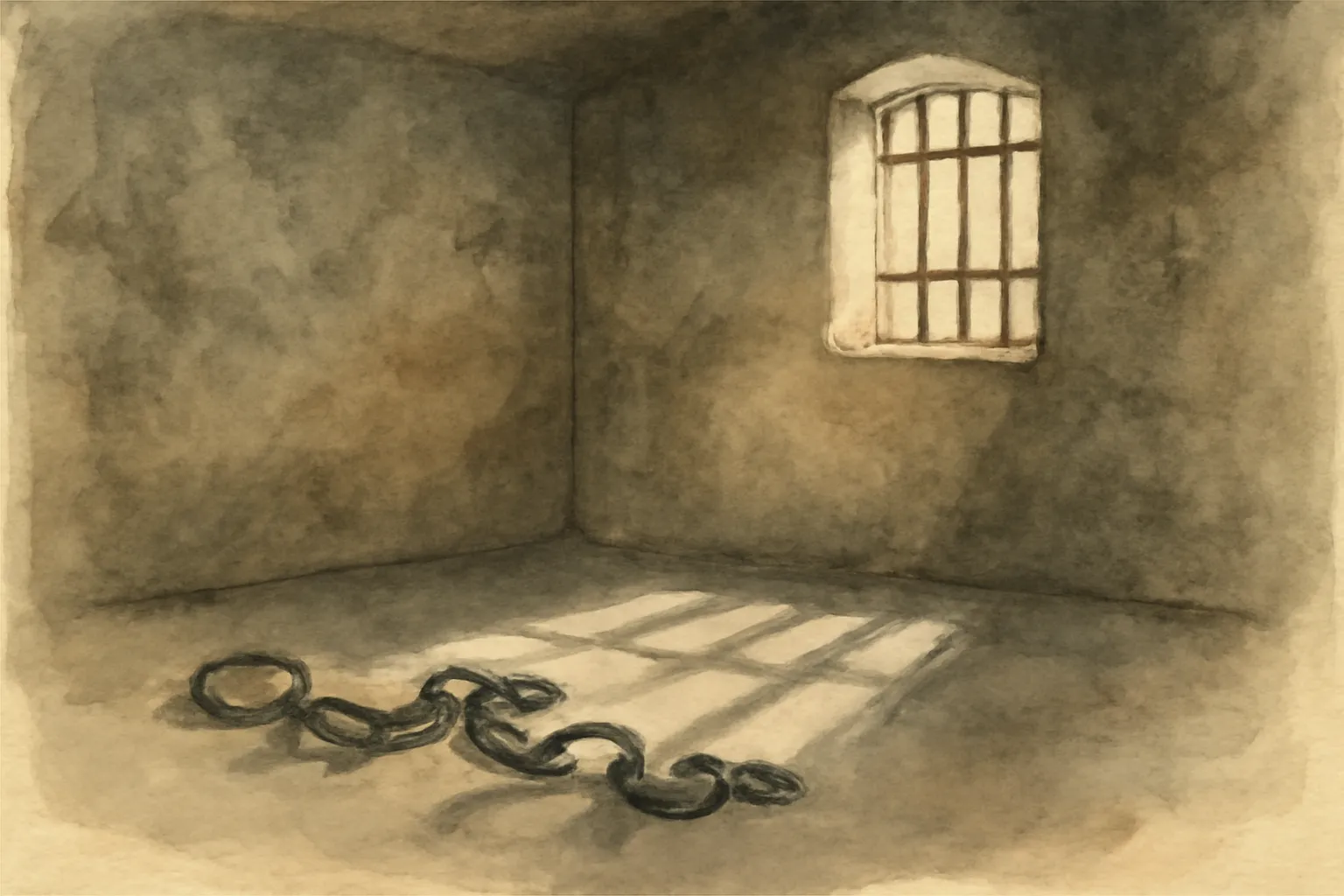
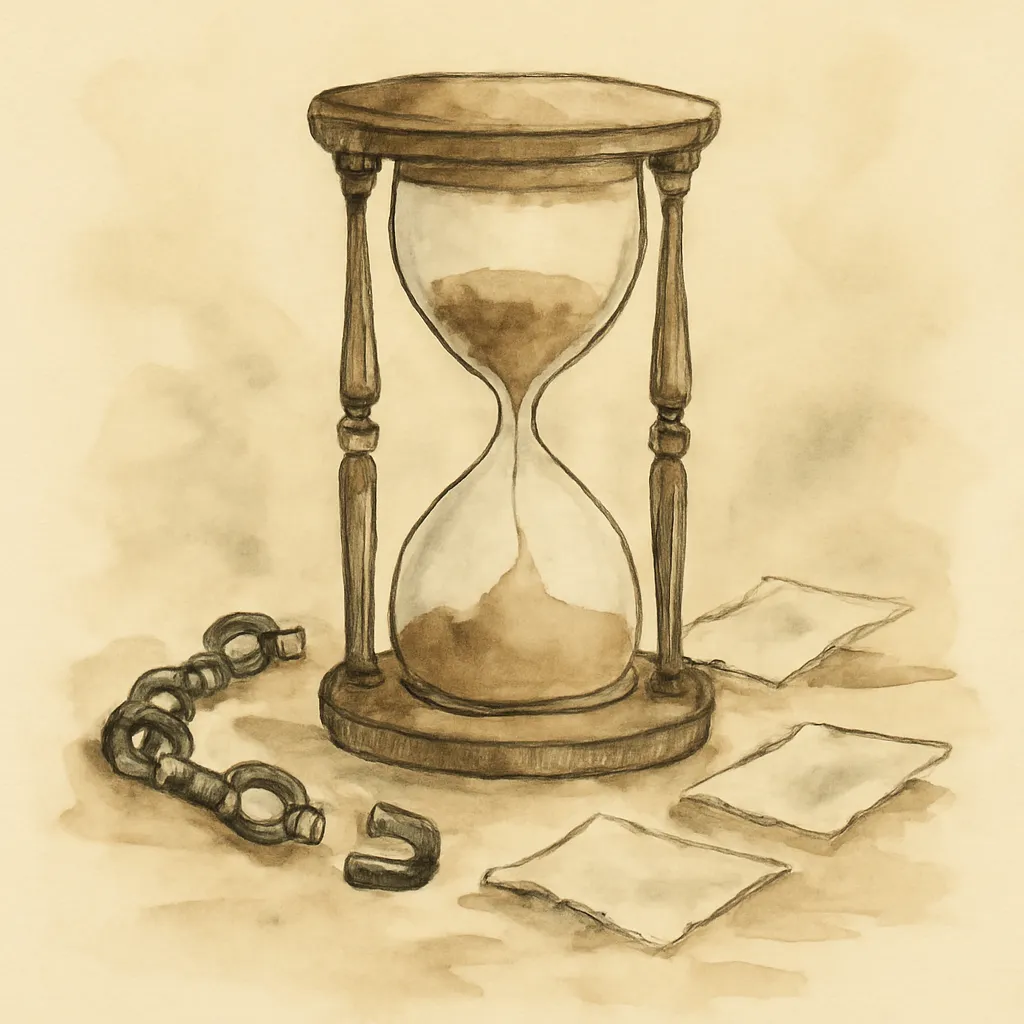
King rebukes the notion that African Americans should wait patiently for justice, arguing that 'justice too long delayed is justice denied.' He exposes the daily humiliations and violence faced by Black Americans, insisting that waiting only prolongs suffering and entrenches inequality. For King, the time for change is always now, and he calls out the complacency of those who urge moderation in the face of injustice.
2.Moral Responsibility to Break Unjust Laws
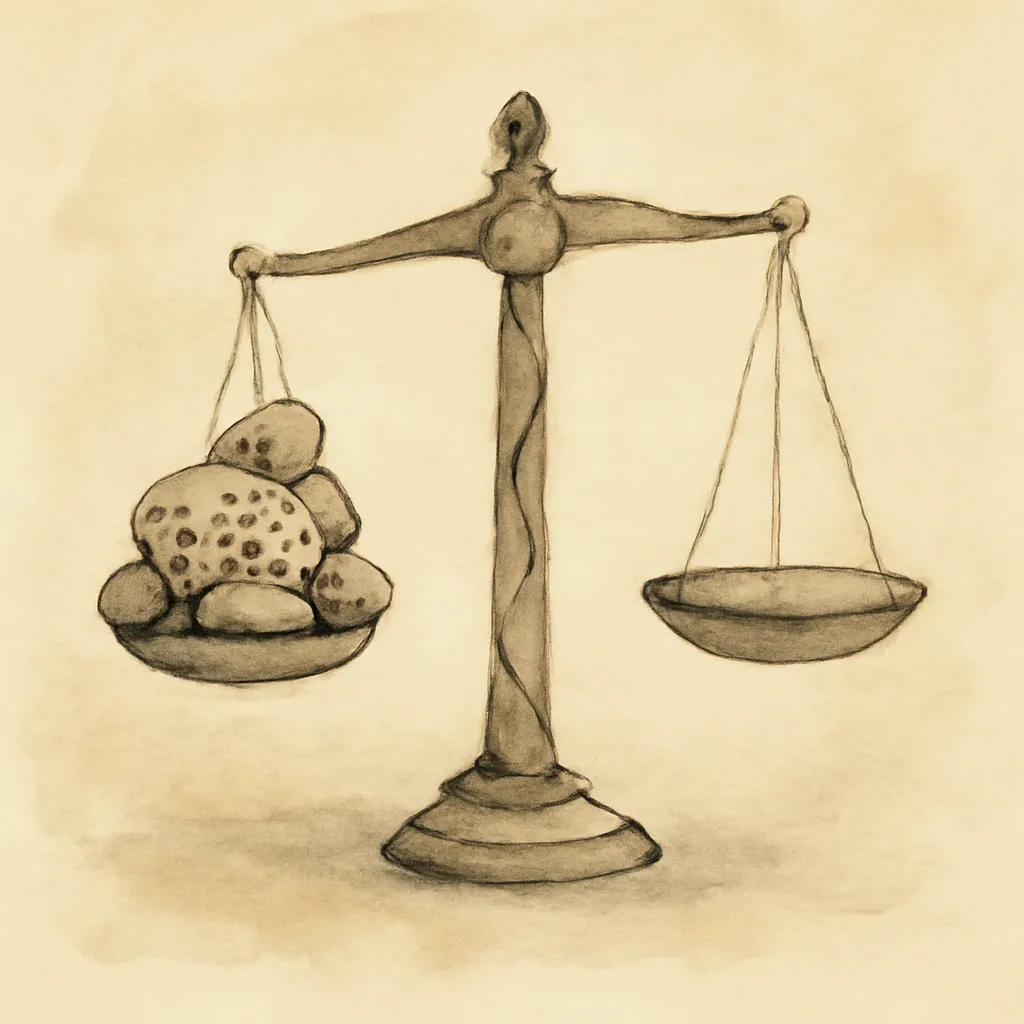
A central theme is the distinction between just and unjust laws. King asserts that individuals have a moral duty to disobey laws that degrade human personality or are imposed by a majority on a minority without consent. Drawing on philosophical and religious traditions, he frames civil disobedience not as lawlessness, but as a higher form of respect for the law when the law itself is unjust.
3.Nonviolent Direct Action
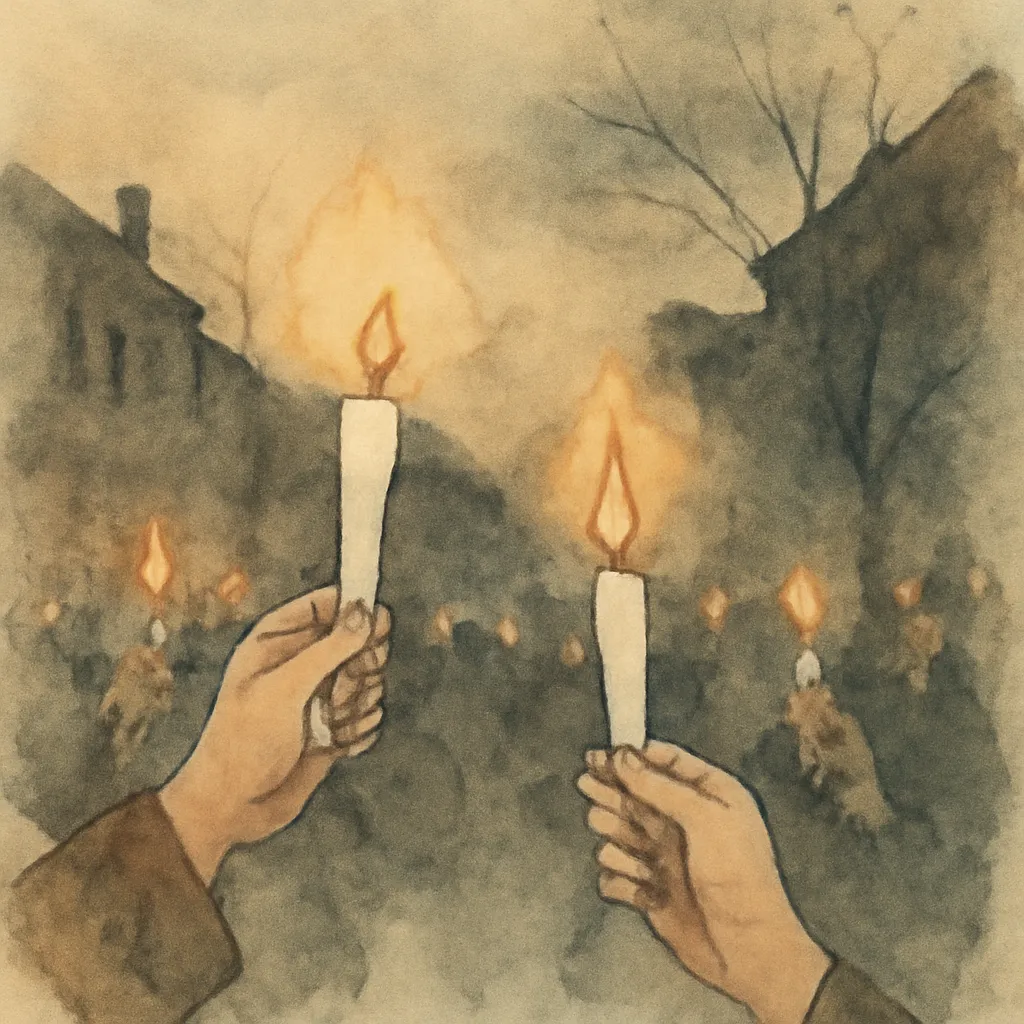
King explains the strategy of nonviolent direct action as a way to create constructive tension that forces communities to confront and address injustice. He clarifies that such action is not meant to incite violence, but to dramatize issues that have been ignored, compelling negotiation and change. Nonviolence, for King, is both a tactic and a moral stance.
4.Disappointment with the White Moderate
One of the letter’s most pointed critiques is directed not at outright segregationists, but at white moderates who prefer 'order' over justice. King laments that these individuals, while claiming sympathy for the cause, ultimately hinder progress by urging patience and discouraging direct action. Their lack of urgency, he argues, is a significant obstacle to freedom.
5.The Interconnectedness of Justice
King famously writes that 'injustice anywhere is a threat to justice everywhere.' He insists that all communities are linked, and that indifference to injustice in one place endangers justice everywhere. This idea expands the struggle for civil rights beyond Birmingham, framing it as a universal moral challenge.
6.Faith, Hope, and Sacrifice
Throughout the letter, King draws on his Christian faith and the tradition of prophetic witness. He frames the struggle for civil rights as not only political, but deeply spiritual, requiring hope, courage, and willingness to sacrifice. His words inspire readers to see activism as a moral calling, grounded in love and the belief that justice will ultimately prevail.