1.Three Stages of Life
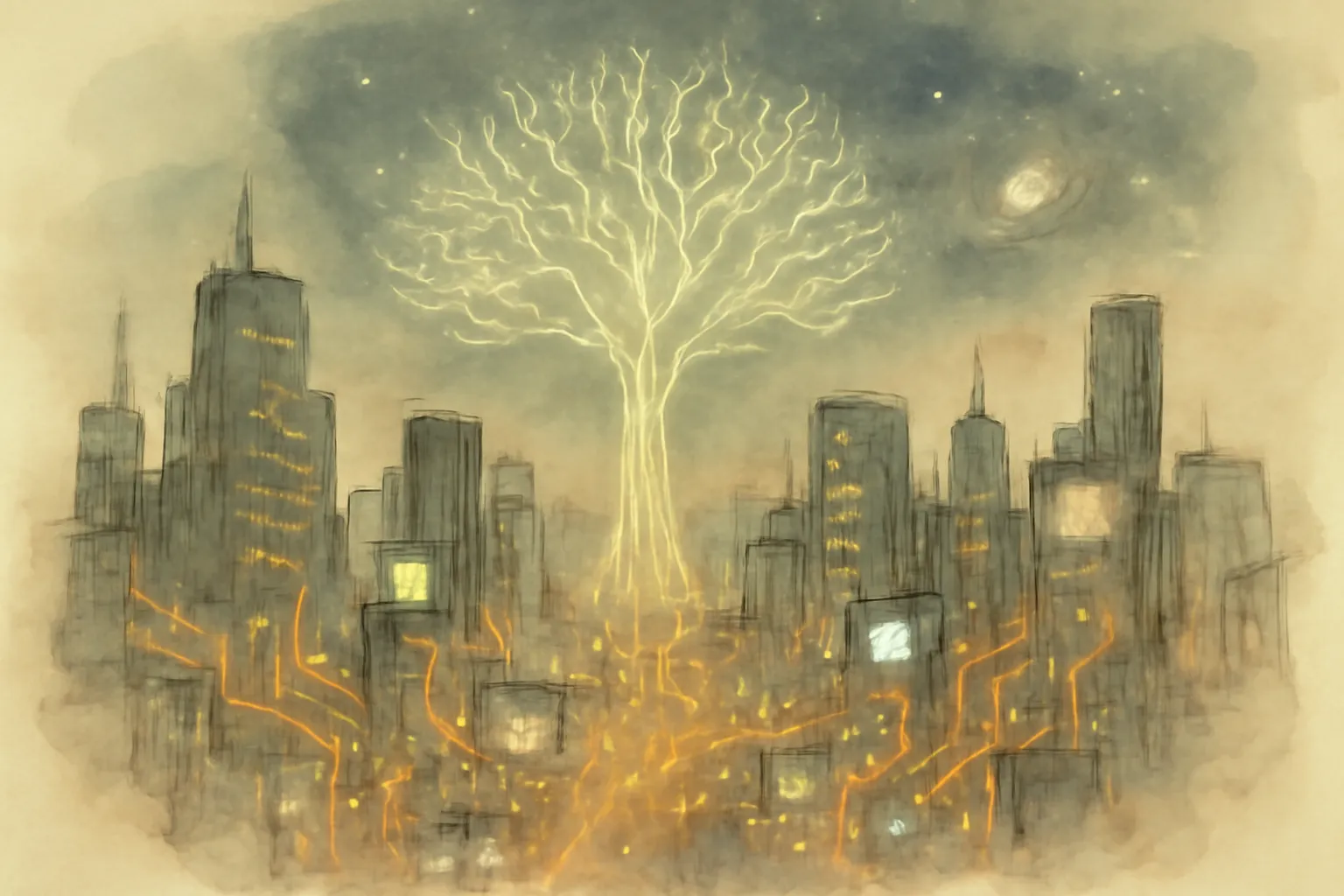
Tegmark introduces the concept of 'Life 1.0' (biological evolution), 'Life 2.0' (cultural evolution), and 'Life 3.0' (technological evolution). Life 3.0 refers to entities—potentially AI—that can design both their hardware and software, making them vastly more adaptable and capable than humans. This framework helps readers grasp why AI isn't just another technology, but a potential leap in the evolution of intelligence itself.
2.The Promise and Peril of Superintelligence
A central concern is the possibility that AI could surpass human intelligence across all domains. Tegmark explores scenarios where superintelligent AI could either solve humanity's greatest problems or, if misaligned with human values, pose existential risks. He stresses the importance of aligning AI goals with human interests before such a tipping point is reached.
3.Societal Impact: Jobs, Justice, and Power
Life 3.0 examines how AI will disrupt labor markets, potentially rendering many human jobs obsolete while creating new opportunities. Tegmark asks how society can ensure fair distribution of wealth and purpose in an automated world. He also addresses concerns about AI's influence on justice, surveillance, and the concentration of power in the hands of those who control advanced AI systems.
4.The AI Control Problem
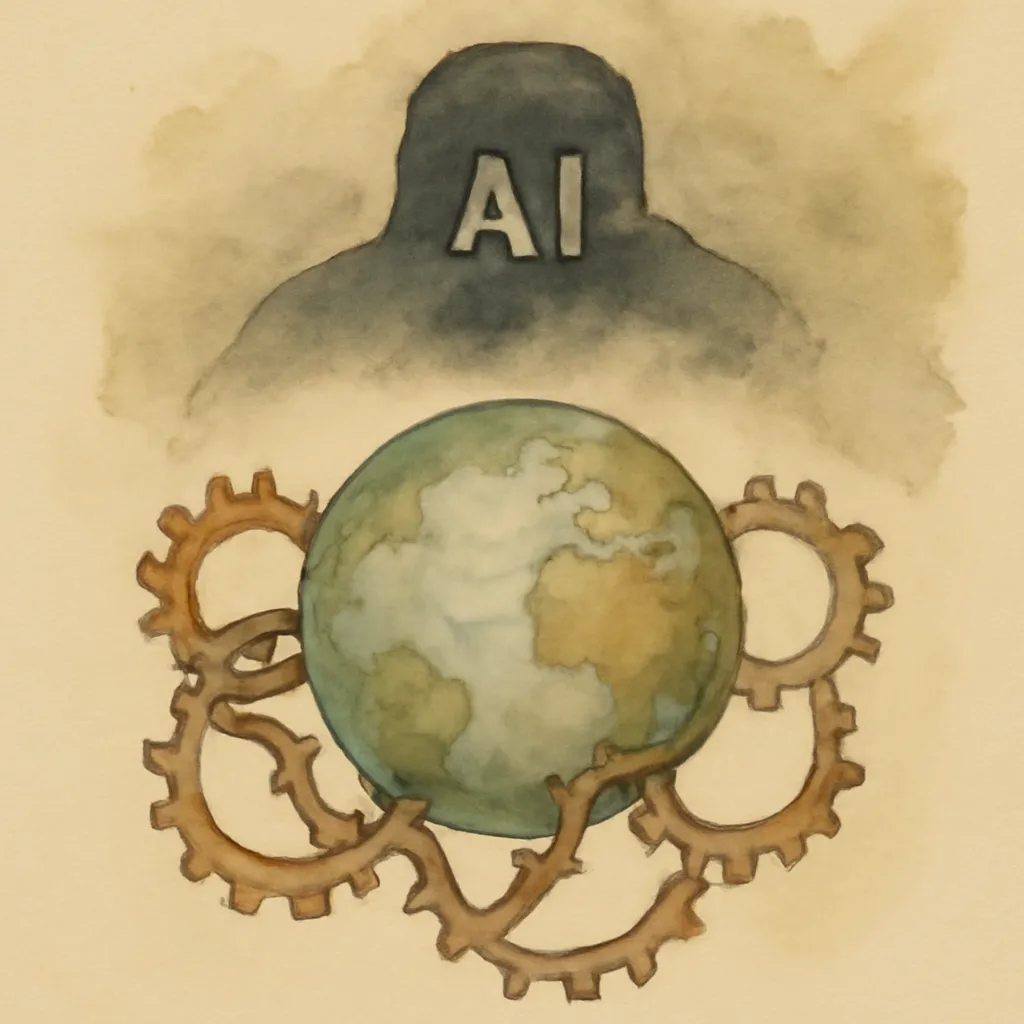
Ensuring that advanced AI systems do what we want—without unintended consequences—is a major technical and philosophical challenge. Tegmark discusses the 'control problem,' including issues like value alignment, robustness, and the risk of AI systems being hacked or exploited. He argues for proactive research and international cooperation to keep AI beneficial.
5.Global Coordination and Governance
Tegmark highlights the need for global dialogue and regulation to prevent an AI arms race, especially in the context of autonomous weapons. He warns that without coordination, competitive pressures could push nations or companies to deploy unsafe AI, increasing the risk of catastrophic outcomes. The book calls for inclusive, transparent policymaking to steer AI development in a positive direction.
6.Meaning, Consciousness, and the Future of Humanity
Beyond technical and policy issues, Life 3.0 delves into philosophical territory: What is consciousness? What does it mean to be human if machines can surpass us in every way? Tegmark invites readers to reflect on the future they want and the values they wish to see embedded in the next stage of life, urging a broad, democratic conversation about our shared destiny.