1.The Infinite Loop of Possibility
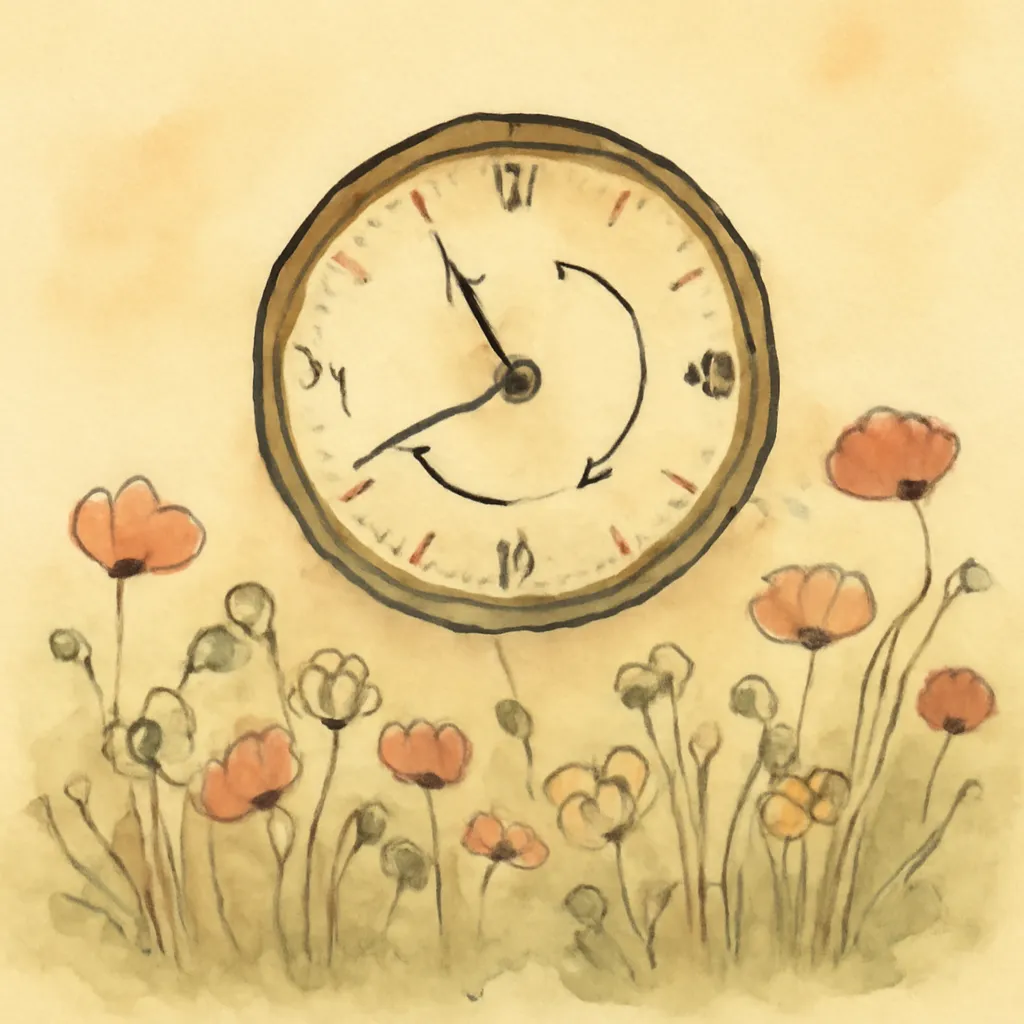
Atkinson’s central conceit is Ursula’s repeated rebirths: each time she dies, her life restarts, sometimes subtly altered, sometimes dramatically so. This structure allows the novel to examine how small decisions and random events can radically shift the course of a life. It’s a meditation on fate versus free will, and asks whether we can ever truly escape our destinies or if we are doomed to repeat our mistakes until we learn from them.
2.The Weight of History
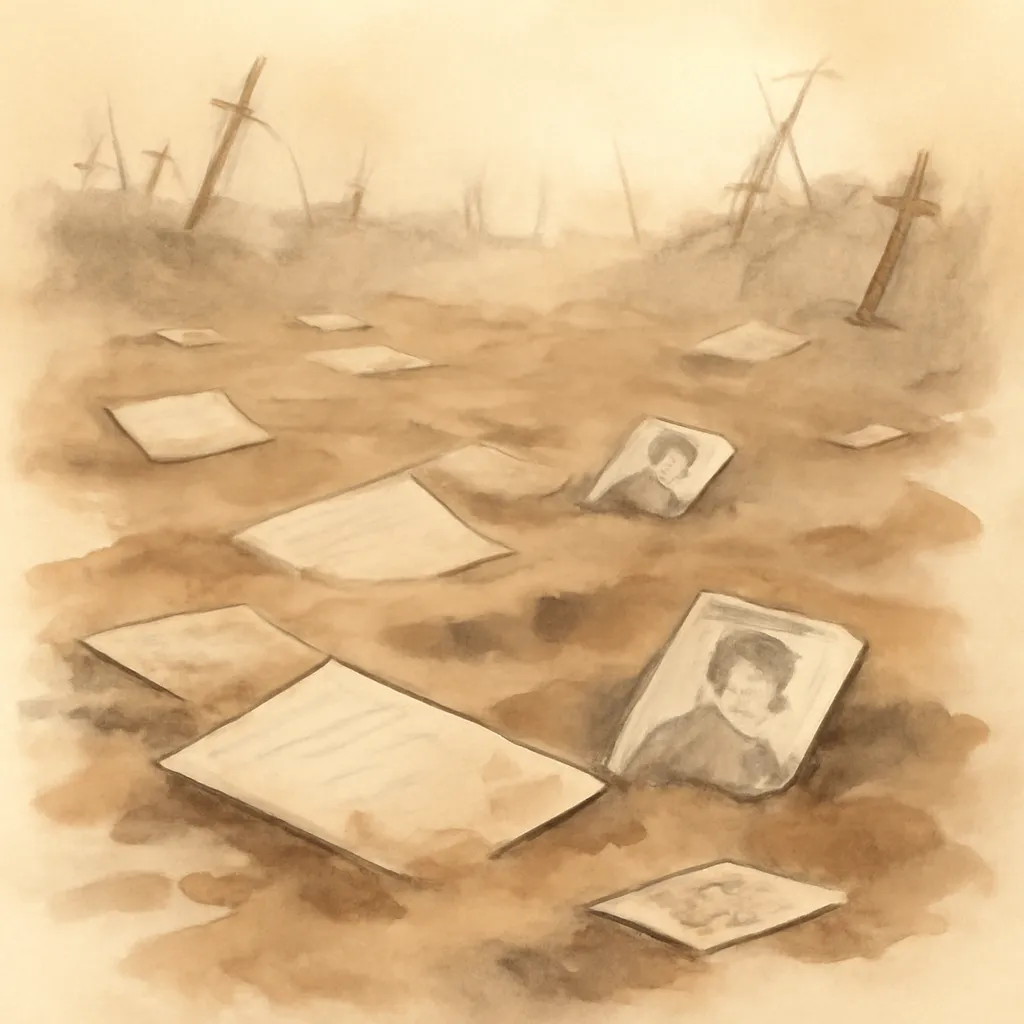
Set against the backdrop of both World Wars and the turbulent early 20th century, the novel immerses readers in the chaos and trauma of history. Ursula’s multiple lives allow Atkinson to show how individuals are both shaped by and powerless against the tides of historical events. This approach provides a unique, almost kaleidoscopic view of how war and societal upheaval impact ordinary people.
3.Family as Anchor and Burden
The Todd family is at the heart of the novel, providing both comfort and conflict for Ursula. Atkinson intricately portrays the complexities of familial love, loyalty, and disappointment. The shifting dynamics between siblings, parents, and children are rendered with nuance, showing how family can be both a source of strength and a trap from which it’s difficult to escape.
4.The Elusiveness of Meaning
Despite Ursula’s many chances to ‘get it right,’ the novel resists offering tidy answers or a single, definitive meaning to her life. Each iteration brings new joys and sorrows, suggesting that meaning is provisional and ever-changing. Atkinson challenges readers to accept ambiguity and to find value in the act of living itself, rather than in achieving a particular outcome.
5.The Art of Narrative Experimentation
Life After Life is as much about storytelling as it is about its characters. Atkinson plays with structure, chronology, and perspective, inviting readers to question the reliability of narrative itself. This meta-literary approach underscores the idea that every life—like every story—can be told in countless ways, each with its own truth.
6.Resilience and the Human Spirit
Through Ursula’s repeated struggles, Atkinson highlights the resilience required to endure life’s hardships, large and small. The novel is ultimately a tribute to perseverance: even when faced with despair, Ursula (and by extension, humanity) continues to try again, seeking hope and redemption in the face of suffering.