1.The Elusive Definition of Life
Zimmer demonstrates that scientists have long struggled to define life in a way that encompasses all living things while excluding the non-living. From Aristotle to NASA, every attempt at a universal definition runs into exceptions—organisms and entities that blur the lines, like viruses, prions, or synthetic cells. This ambiguity is not just philosophical but has real-world implications, affecting everything from the search for extraterrestrial life to debates about when human life begins.
2.Viruses and the Gray Zone
A major theme is the status of viruses, which challenge traditional boundaries. Zimmer explores how viruses possess some characteristics of life, such as genetic material and evolution, but lack independent metabolism and reproduction. By examining the ongoing debate among scientists, he shows how viruses force us to rethink what it means to be alive and highlight the spectrum between living and non-living.
3.Origin of Life: From Chemistry to Biology
Zimmer delves into the scientific efforts to understand how life first emerged from non-living matter. He recounts experiments that simulate early Earth conditions and describes competing theories, such as the RNA world hypothesis. These explorations reveal not only the ingenuity of researchers but also how much remains unknown about life’s beginnings, emphasizing the provisional nature of scientific knowledge.
4.Life at the Edge: Extremophiles and Limits
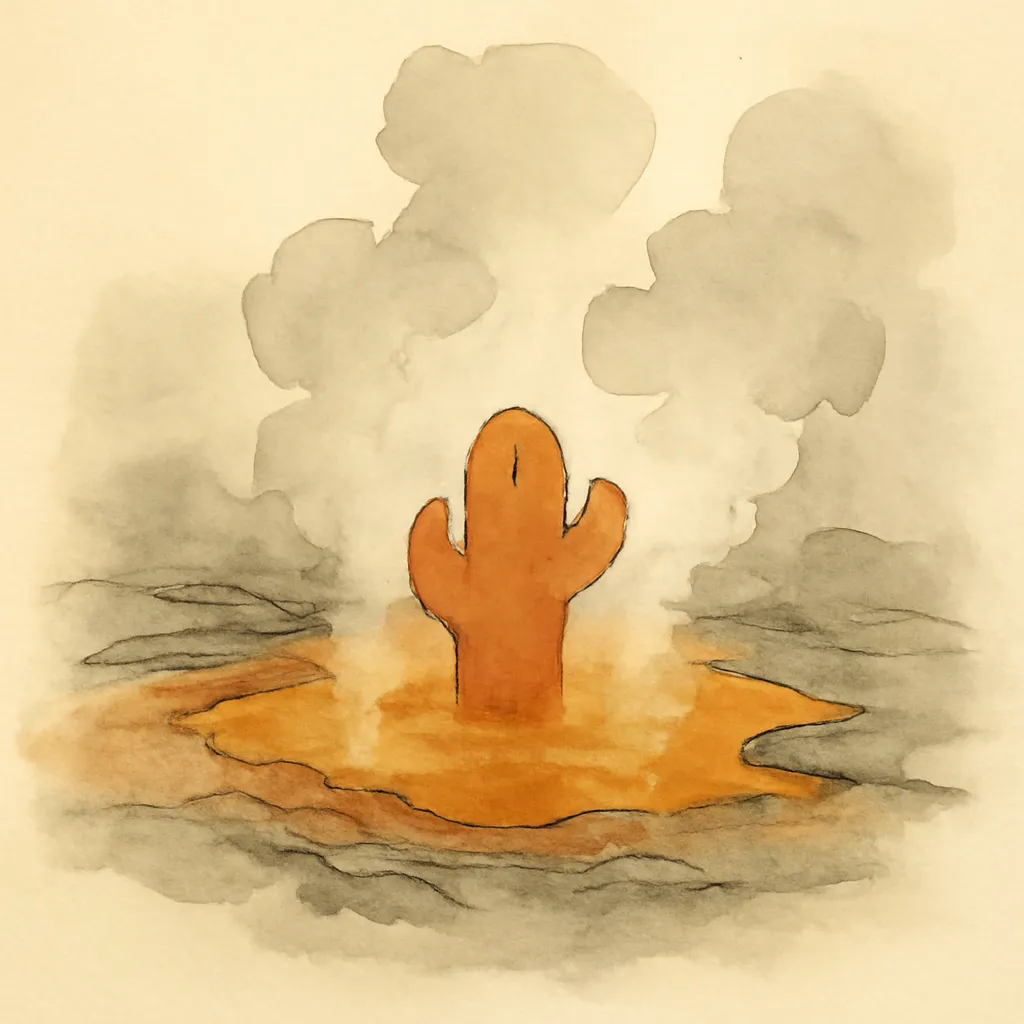
By examining organisms that thrive in extreme environments—boiling vents, acidic pools, frozen tundras—Zimmer illustrates how adaptable and resilient life can be. These extremophiles expand our understanding of the possible conditions for life, both on Earth and potentially elsewhere in the universe. Their existence challenges assumptions about what is necessary for life and pushes the boundaries of biological possibility.
5.The Ethics and Consequences of Defining Life
Zimmer connects the scientific quest to define life with ethical, legal, and social issues. Whether considering the status of embryos, the rights of animals, or the creation of synthetic organisms, he shows that our definitions have profound consequences. The book encourages readers to reflect on how scientific concepts influence policy, morality, and our sense of identity.
6.Life as a Continuum, Not a Category
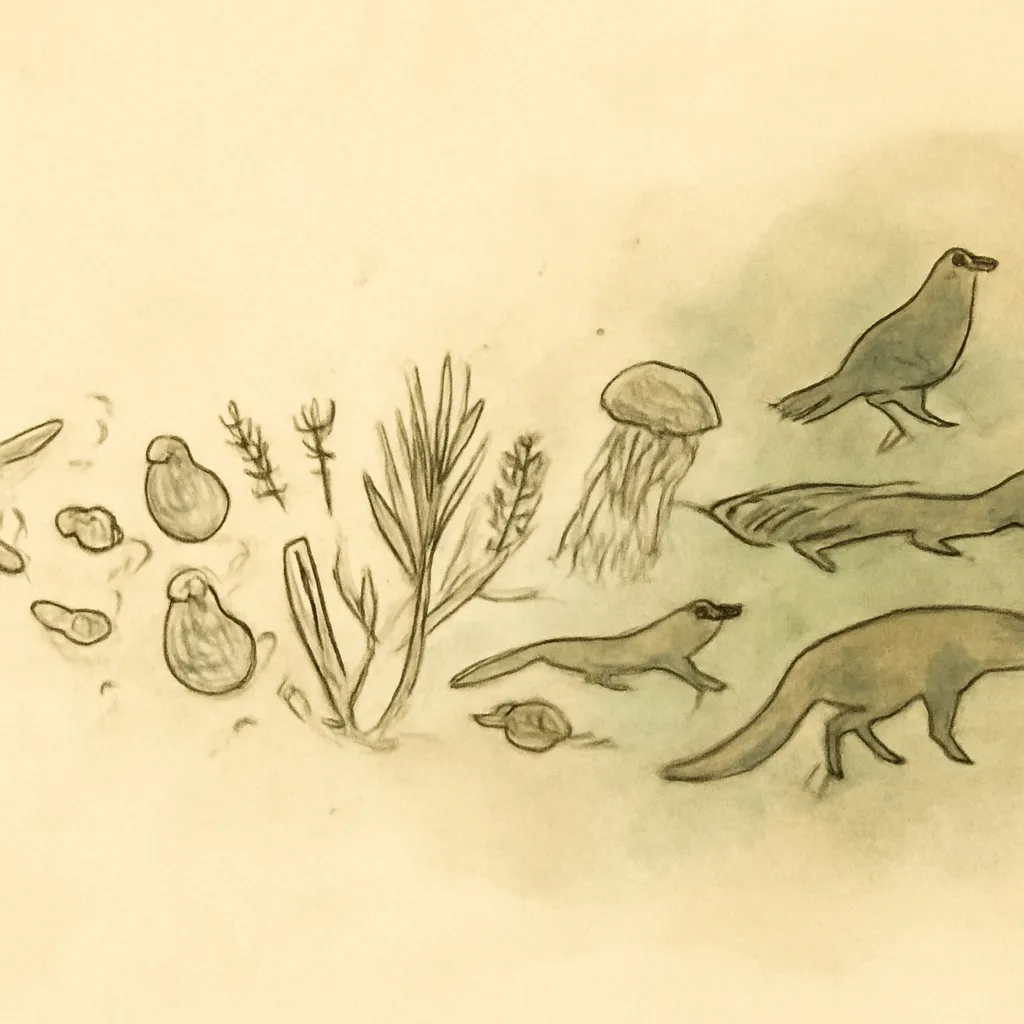
Rather than offering a rigid answer, Zimmer suggests that life exists on a continuum, with many forms occupying ambiguous territory. This perspective invites humility and curiosity, recognizing that the boundaries of life are shaped as much by human perspective as by nature itself. The book ultimately argues for embracing complexity and uncertainty in our quest to understand life.