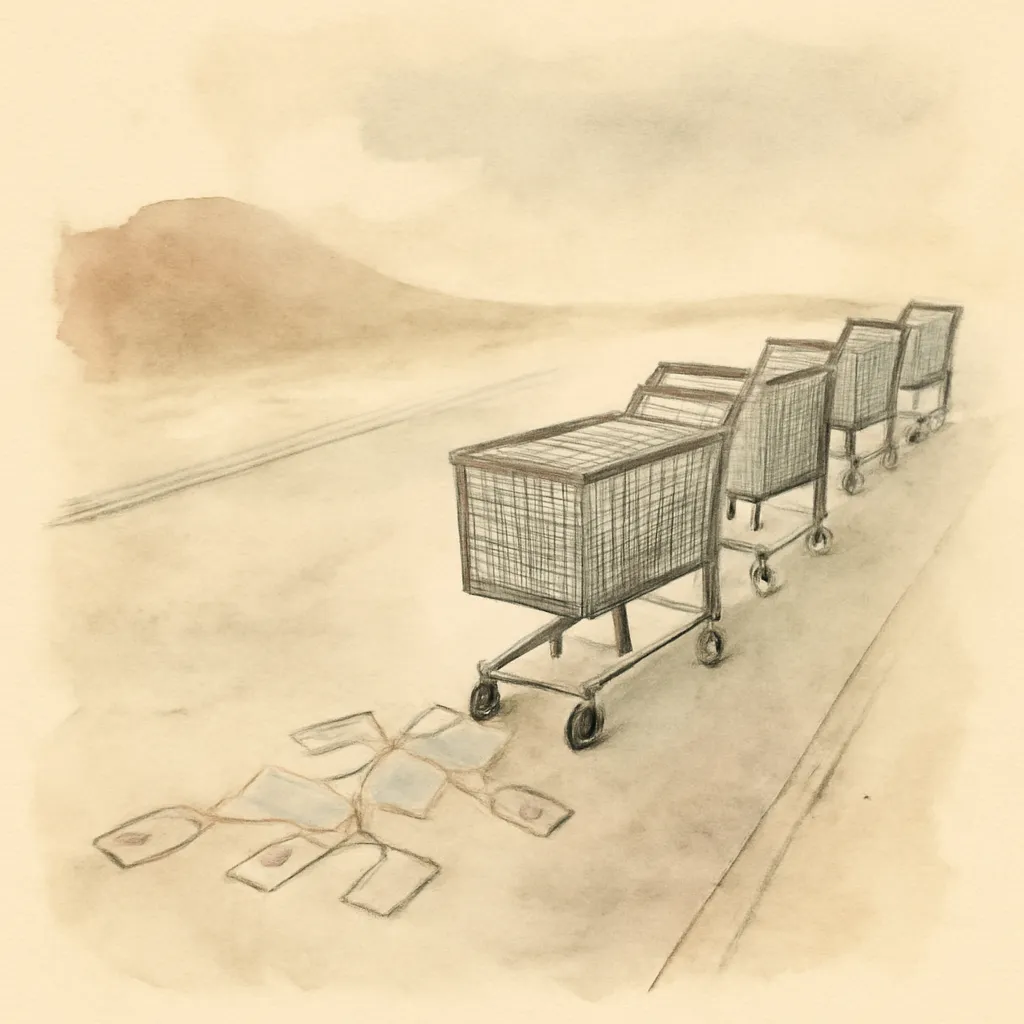
1.From Solid to Liquid Modernity
Bauman contrasts the 'solid' modern era—marked by stable institutions, clear social roles, and predictable life paths—with our current 'liquid' modernity, where everything seems in flux. In this new phase, social structures and norms no longer provide reliable frameworks for living. Instead, individuals must navigate a world where change is constant and nothing stays fixed for long, making life feel less secure but also more open-ended.
2.The Erosion of Long-Term Commitments
In liquid modernity, traditional commitments—be they careers, marriages, or communities—lose their binding power. Bauman argues that people are encouraged to remain flexible, ready to abandon old ties in pursuit of new opportunities. This creates a culture where relationships and projects are short-lived, and where the idea of a lifelong vocation or a stable identity becomes increasingly obsolete.
3.Individualization and Personal Responsibility
With the breakdown of collective structures, individuals are left to chart their own paths. Bauman highlights how this individualization brings both freedom and anxiety: people must constantly make choices, reinvent themselves, and take responsibility for outcomes in a world that offers little guidance or security. The burden of navigating uncertainty falls squarely on the individual, intensifying feelings of insecurity and isolation.
4.Uncertainty as a Permanent Condition
Bauman suggests that uncertainty is no longer a temporary disruption but a permanent feature of contemporary life. Planning for the long term becomes difficult, as the future is unpredictable and the present is filled with competing demands. This endemic uncertainty shapes how people approach work, relationships, and even their sense of self, fostering a pervasive sense of precariousness.
5.Consumerism and Identity
In liquid modernity, consumption replaces production as the central activity shaping identity. Bauman argues that people now define themselves through what they buy and how they present themselves, rather than through work or community roles. This consumerist logic feeds the cycle of constant change, as individuals are encouraged to endlessly reinvent themselves to keep up with shifting trends.
6.The Decline of Social Solidarity
As collective bonds weaken, Bauman observes a decline in social solidarity. People become more focused on their own survival and self-fulfillment, often at the expense of communal ties. This erosion of shared purpose makes it harder to address collective problems, leaving individuals more vulnerable and societies more fragmented.