1.Complex Origins of Mass Incarceration
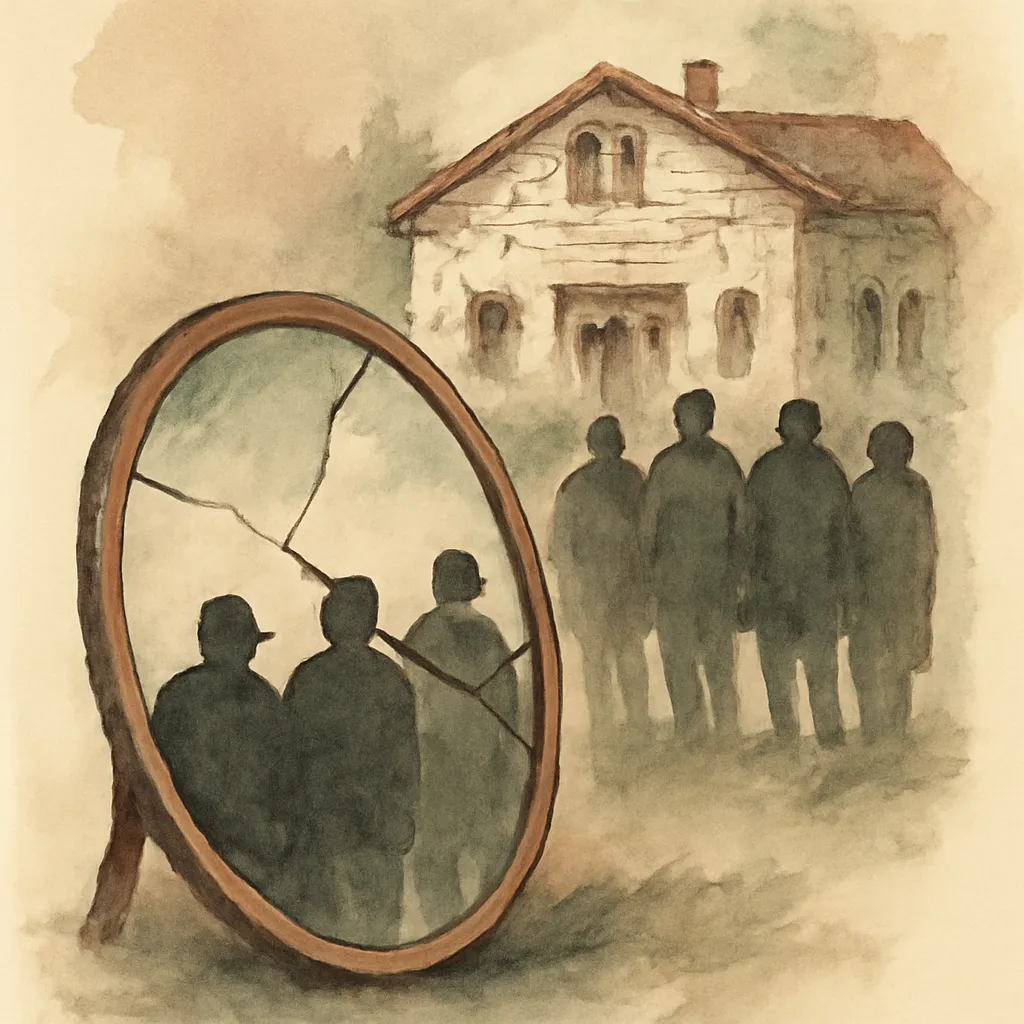
Forman argues that mass incarceration was not simply imposed on Black communities from the outside, but was also shaped by decisions made within those communities. In the 1970s and 1980s, as crime rates soared, many Black leaders—judges, mayors, police chiefs—supported tough-on-crime policies. Their motivations were often rooted in a desire to protect their own neighborhoods, reflecting the real fears and frustrations of residents. This complicates the narrative that mass incarceration is solely the product of racist, external forces.
2.The Tragic Dilemma of Black Leadership
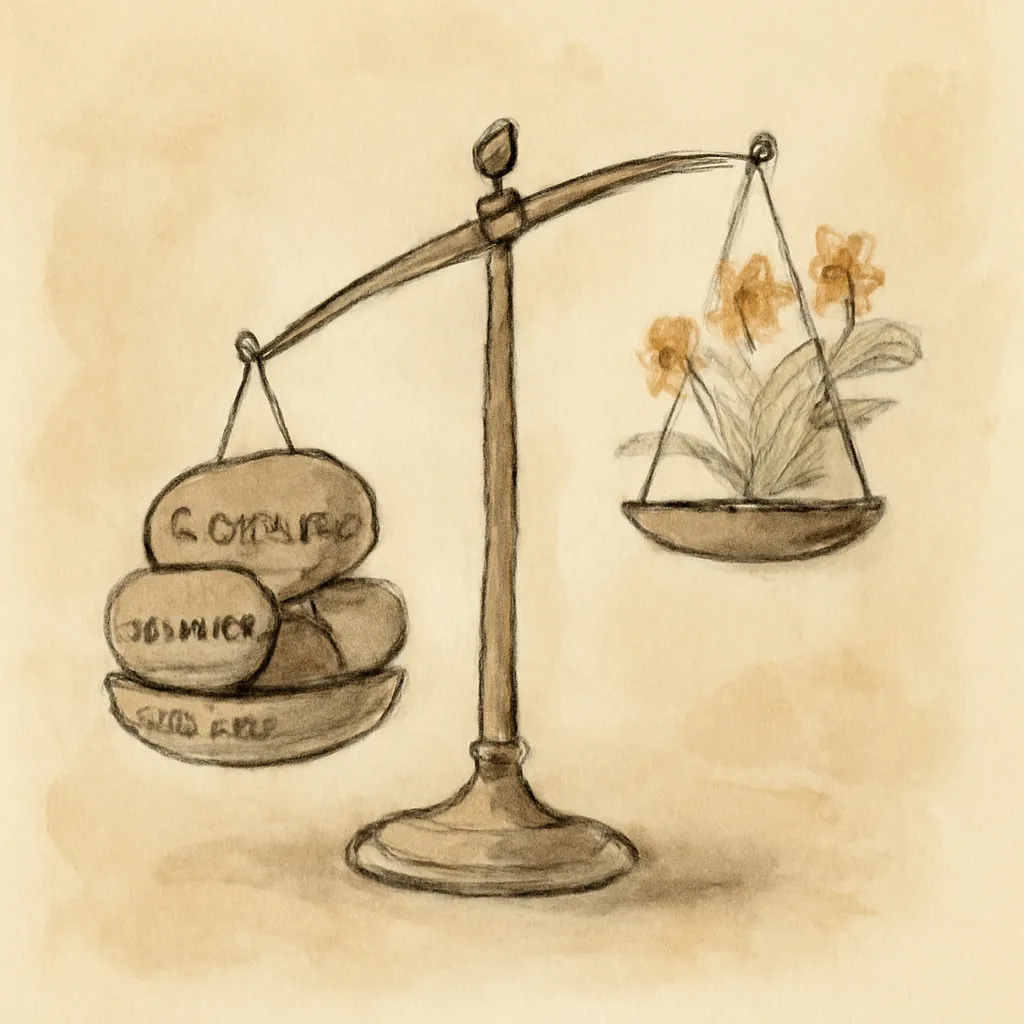
Black officials faced a painful choice: ignore rising violence and risk further harm to their communities, or embrace punitive measures that disproportionately harmed Black citizens. Forman shows how many leaders saw harsh sentencing, aggressive policing, and strict drug laws as necessary evils. The book explores how these decisions were shaped by both community demands for safety and structural constraints, such as limited resources and political pressure.
3.The Limits of Representation
Forman challenges the idea that electing more Black officials automatically leads to more just outcomes. He demonstrates that representation alone cannot overcome entrenched systems and societal fears. Even with Black judges or police chiefs, the machinery of criminal justice often continued to operate in ways that harmed Black communities, showing that systemic change requires more than changing faces in power.
4.The Power—and Limits—of Community Voice
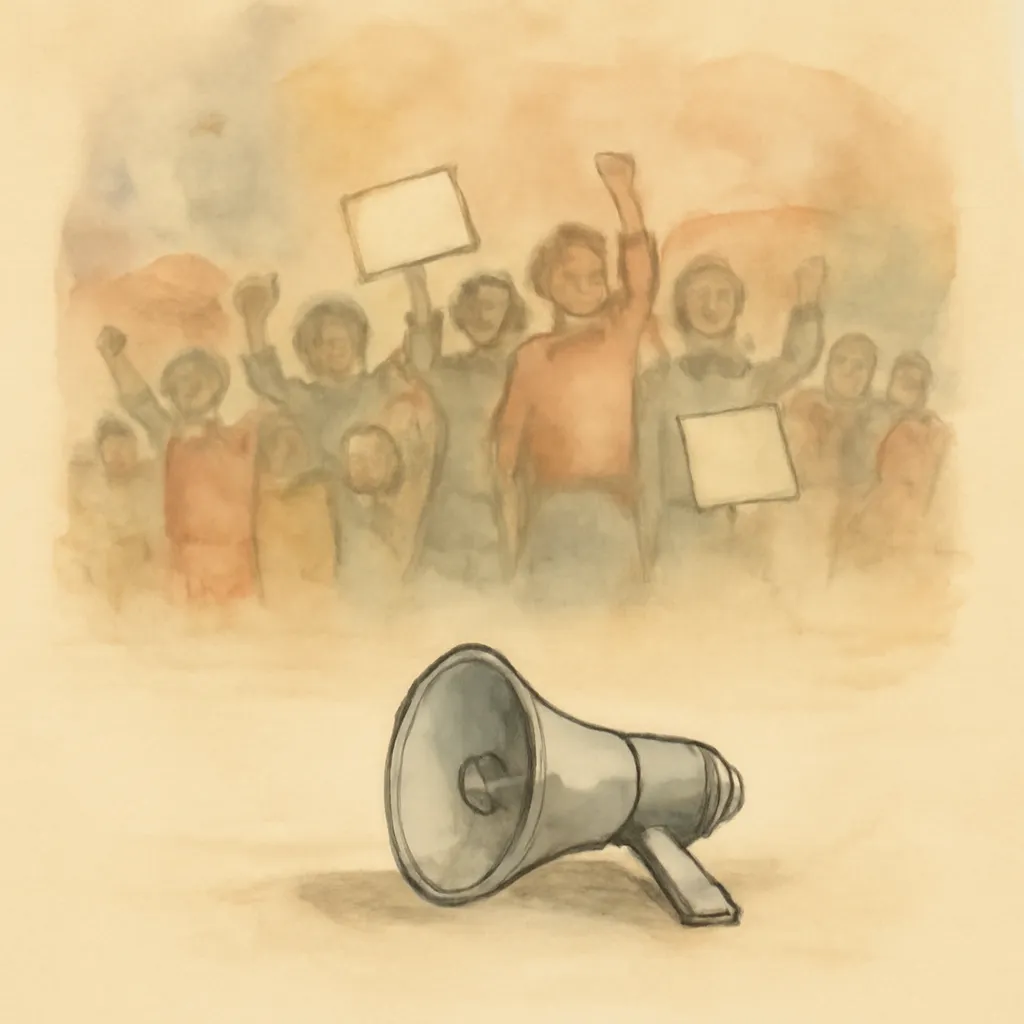
Grassroots activism and local voices played a significant role in shaping policy. Many Black residents demanded more policing and harsher penalties in response to the devastation of drugs and violence. However, Forman also highlights how the loudest voices often came from those most harmed by crime, not those most vulnerable to over-policing. This dynamic led to policies that sometimes protected one segment of the community at the expense of another.
5.Race, Respectability, and the Politics of Crime
Forman explores how respectability politics influenced Black leaders’ decisions. Some saw harsh measures as a way to draw a line between 'good' and 'bad' members of the community, hoping to uplift the former by punishing the latter. This approach, however, reinforced stereotypes and deepened divisions within Black America, complicating efforts to build solidarity against mass incarceration.
6.Missed Opportunities for Reform
Throughout the book, Forman points to moments when alternative paths were possible—calls for drug treatment, community investment, and restorative justice. These options were often sidelined due to political expediency, lack of funding, or skepticism about their effectiveness. The book urges readers to learn from these missed opportunities as we seek new solutions today.