1.Unreliable Narration and Self-Deception
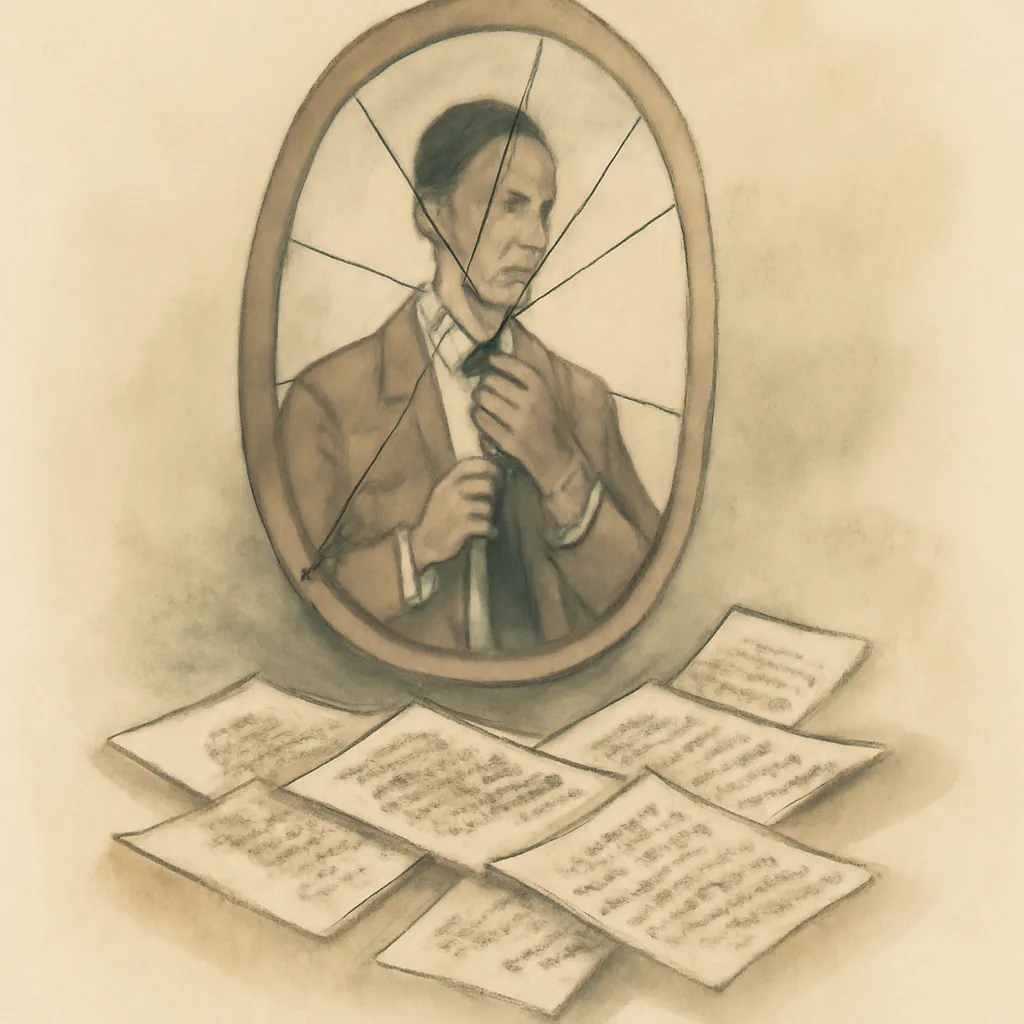
Lolita is narrated by Humbert Humbert, whose eloquence and wit mask the horror of his actions. Nabokov crafts a narrator who seduces not only his victim but also the reader, inviting us to question the truth behind Humbert's self-justifications and rationalizations. The novel becomes a study in how language can distort reality and how easily readers can be manipulated by a charming voice.
2.The Aesthetics of Language
Nabokov’s prose is famously lush, playful, and inventive. The novel is filled with wordplay, allusions, and lyrical descriptions that elevate even the most sordid events. This dazzling style is not just ornamentation—it is a deliberate contrast to the darkness of the subject matter, forcing readers to grapple with the tension between beauty and depravity.
3.Obsession and Destruction
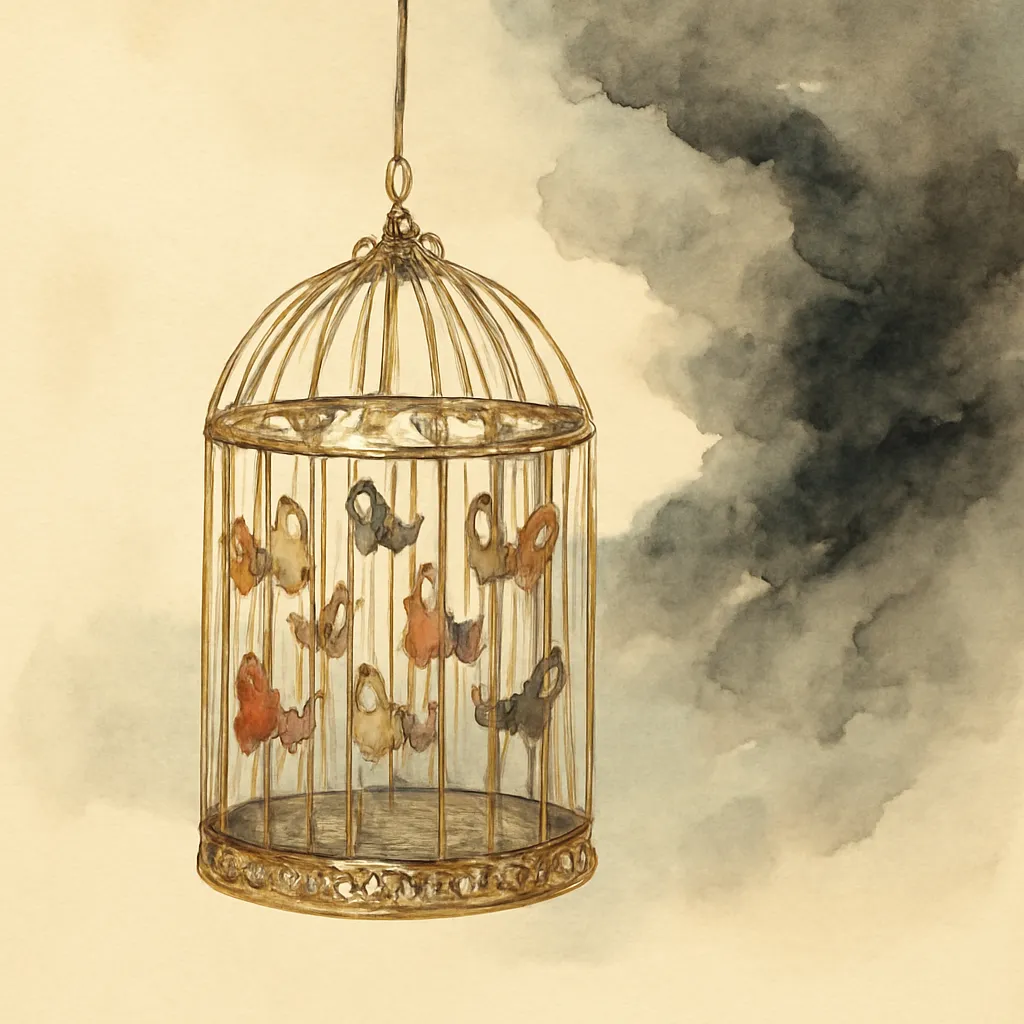
At its core, Lolita is a meditation on obsession—how it consumes and destroys. Humbert’s fixation on Dolores Haze is presented as all-encompassing, warping his perception and ultimately leading to tragedy. The novel exposes the selfishness and destructiveness of unchecked desire, both for the victim and the perpetrator.
4.Innocence and Corruption
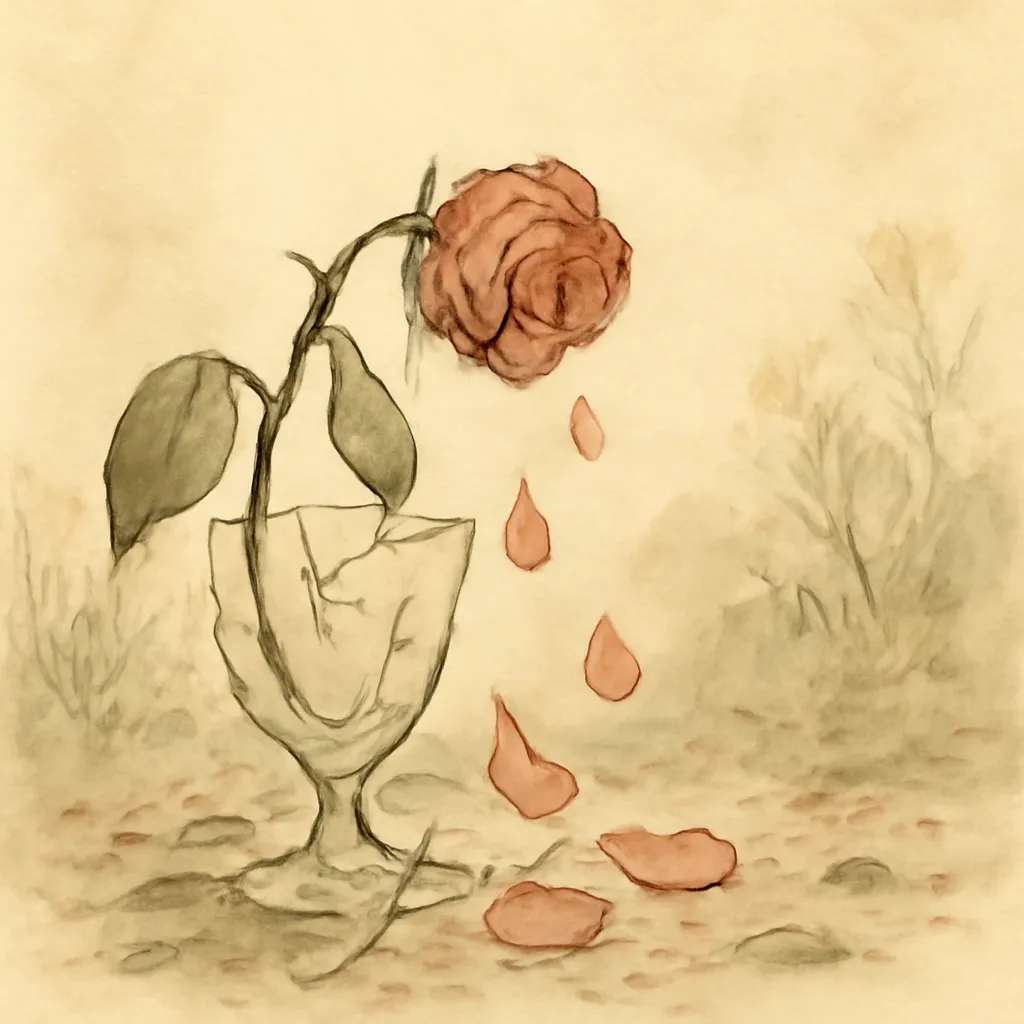
Nabokov explores the loss of innocence, not only in Dolores but also in the reader. The novel’s central relationship is one of exploitation and abuse, yet Humbert’s perspective often blurs the lines between victim and villain. Lolita forces us to confront the ways in which innocence can be corrupted—not just in fiction, but in the stories we tell ourselves.
5.American Culture and Satire
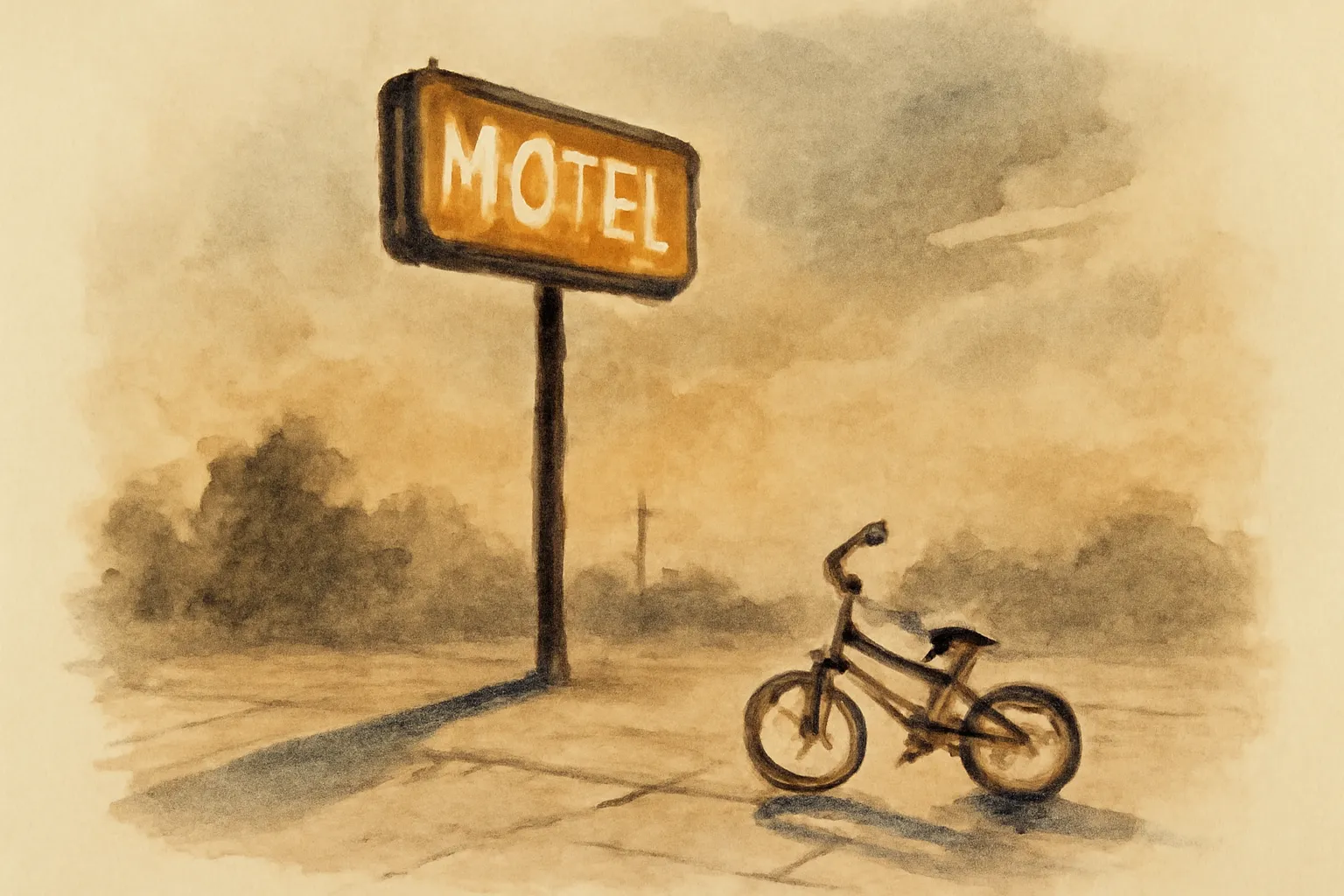
Beyond its psychological drama, Lolita is a sharp, sometimes satirical portrait of mid-century America. Through Humbert’s European eyes, the novel lampoons American consumerism, roadside culture, and suburban life. This outsider’s perspective adds another layer of irony and commentary, making the book as much about cultural clash as personal tragedy.
6.The Ethics of Reading
Lolita implicates its audience, making us complicit in Humbert’s narrative. Nabokov challenges readers to recognize their own responses to the story—whether of sympathy, revulsion, or fascination—and to reflect on the responsibilities of both author and reader when confronting morally ambiguous art.