1.The Weight of Diplomacy
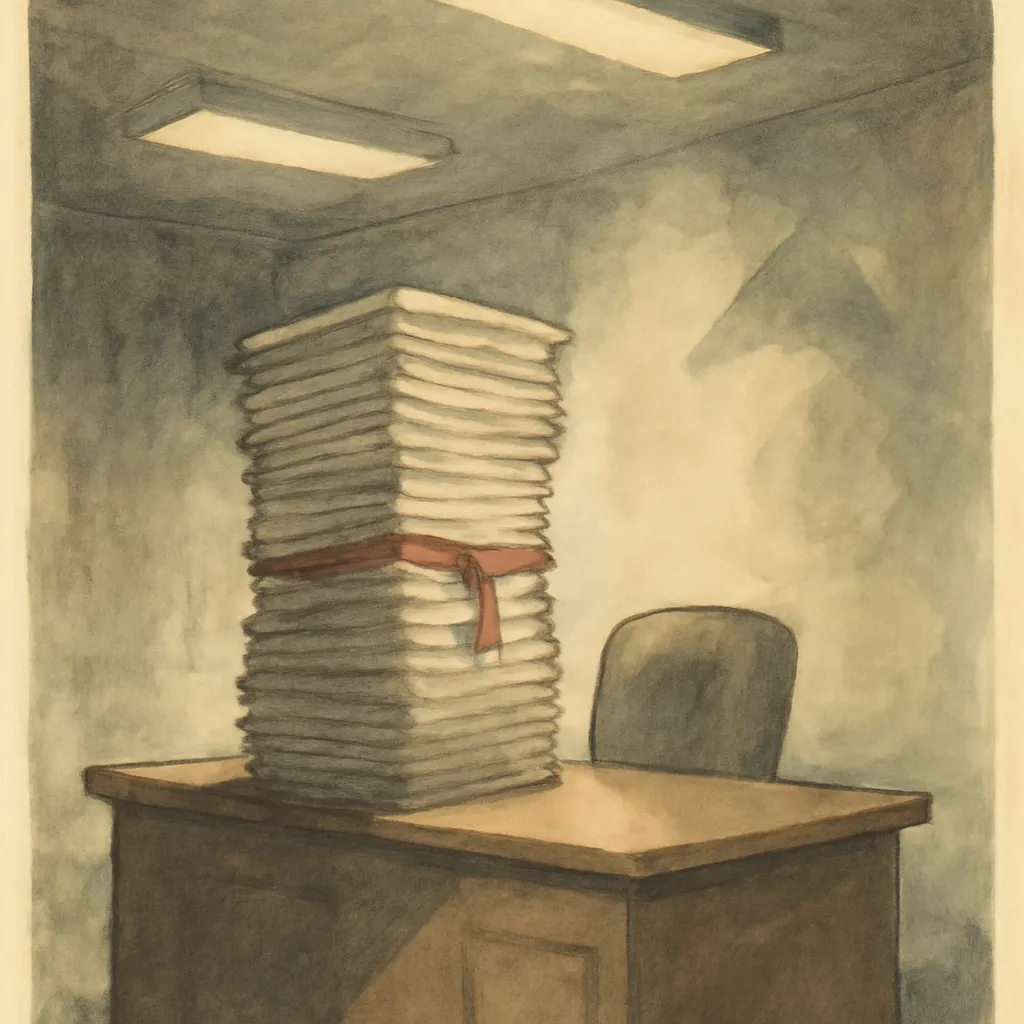
Stephen Silk's immediate experience upon entering the Secretary's outer office sets the tone for his precarious position in the Galactic Empire's diplomatic hierarchy. The mocking remarks from colleagues and the atmosphere of derision highlight the risks associated with diplomatic roles, especially for those labeled as 'Hooligan Diplomats.' Silk’s demotion to the 'Cookie Pushers' underscores the volatile nature of political favor and the ease with which reputations can be tarnished. This initial scene encapsulates the cutthroat nature of interstellar politics, where every character—from Ethel K'wang-Li to Gazarin—represents a facet of the bureaucratic landscape Silk must navigate. As he prepares to step into the role of Ambassador, he realizes that every decision he makes could have profound implications, both personally and politically, reinforcing the idea that diplomacy is not merely about negotiation but survival.
2.Unexpected Allies
Silk's relationship with his secretary, Hoddy Ringo, is a remarkable portrayal of how appearances can be deceiving in a complex social landscape. Initially perceived as an incompetent 'cookie pusher,' Ringo quickly reveals himself to be more than just a bumbling subordinate. His casual demeanor belies a wealth of knowledge about New Texas and its culture, which becomes a crucial resource for Silk. Ringo’s hidden skills and connections highlight a significant theme in the narrative: the importance of recognizing and valuing diverse talents. As their partnership evolves, Silk learns that trust and cooperation can emerge from unexpected places. This dynamic also serves as a lens through which the reader can explore the broader themes of loyalty and the necessity of forming alliances in a politically charged environment.
3.The Complexity of Justice
The Court of Political Justice serves as a microcosm of the philosophical and ethical questions surrounding justice in the galaxy. As Silk observes the proceedings against the Bonney brothers, he is confronted with the reality that justice is often subjective and deeply influenced by societal biases. The court's structure—comprised of judges who may not represent true impartiality—reflects the challenges inherent in a system where personal vendettas and political motivations can skew the truth. The trial becomes a stage for various factions to assert their power, and Silk must grapple with the implications of justice being manipulated for political gain. This complex portrayal of the judicial system raises significant questions about the nature of accountability and fairness, urging readers to consider the moral responsibilities of those in power.
4.Confronting Violence and Moral Dilemmas
The narrative places Silk in constant confrontation with violence, whether it be through the assassination attempt on President Hutchinson or the volatile reactions of the New Texans. These moments of action bring forth moral dilemmas that challenge Silk’s understanding of right and wrong. The trial, and the subsequent chaos surrounding it, force him to confront his own beliefs about justice and the extent to which he is willing to go to protect his position and the people of New Texas. This exploration of violence as a tool for both personal and political expression compels readers to reflect on their own ethical boundaries. The tension between survival and morality becomes a central theme, showcasing how the characters navigate their convictions in a world where survival often necessitates difficult choices.
5.The Role of Media and Public Perception
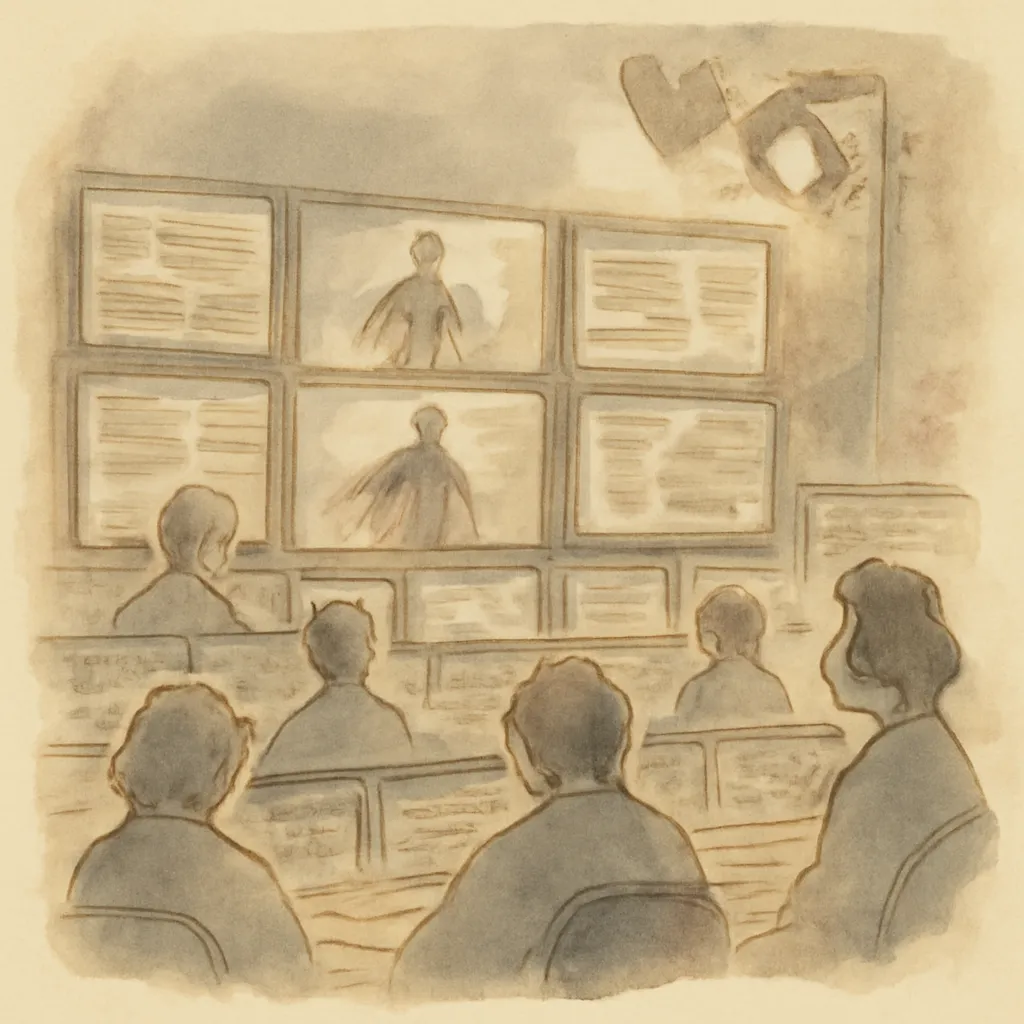
Media plays a crucial role in shaping Silk's journey and the political landscape of New Texas. Following his heroic actions during the assassination attempt, Silk becomes a media sensation, and the public's perception of him shifts dramatically. The portrayal of his actions on telecasts not only enhances his stature but also complicates his position as a diplomat. The narrative highlights the power of media to influence political narratives and public opinion, serving as both a shield and a sword for the characters involved. As Silk grapples with his newfound fame, he must navigate the expectations that come with it, all while trying to remain true to his diplomatic mission. This exploration of media's impact on politics invites readers to consider the dynamics of visibility and representation in shaping authority and leadership.
6.Cultural Clashes and Adaptation
Silk's interactions with the inhabitants of New Texas exemplify the cultural clashes inherent in interplanetary diplomacy. His initial stereotypes about New Texans are challenged as he navigates their unique customs, values, and perspectives. The stark contrast between the bureaucratic practices of the Galactic Empire and the rugged independence of New Texas creates a rich backdrop for Silk's character development. Through his relationships with figures like Colonel Hickock and Gail, Silk learns the importance of empathy and cultural understanding in diplomacy. This theme emphasizes that successful negotiation and alliance-building require an appreciation for diverse experiences. Silk's journey becomes not just one of political maneuvering but of personal growth, illustrating the necessity of adapting to different cultures in order to forge effective partnerships.
7.The Nature of Power
The intricate power dynamics at play throughout the narrative expose the fragility and volatility of authority in New Texas. Silk's role as Ambassador places him at the center of these dynamics, where alliances shift, and political landscapes change rapidly. The courtroom scenes and the trial of the Bonney brothers reveal how power can both corrupt and propel individuals into positions of influence. The tension between the Galactic Empire's authority and the local governance of New Texas illustrates the complexities of power struggles in interstellar politics. Silk's navigation of these relationships underscores the ethical responsibilities inherent in leadership roles. This exploration of power dynamics serves as a thought-provoking commentary on the nature of authority and the challenges of maintaining it in a complex and ever-changing environment.
8.The Fragility of Alliances
The relationships Silk builds and maintains throughout his journey reflect the delicate nature of alliances in a politically charged environment. His initial trust in various characters is repeatedly tested, revealing the challenges of loyalty and cooperation. The shifting loyalties among New Texans, combined with the competing interests of the Galactic Empire, create a backdrop of uncertainty that Silk must navigate. The difficulties he encounters emphasize the necessity of building trust and maintaining open lines of communication. These experiences highlight the importance of adaptability and resilience in the face of betrayal or shifting power dynamics. Silk's evolving relationships showcase how effective diplomacy requires not only strategic thinking but also an understanding of the human elements at play.
9.The Quest for Personal Identity
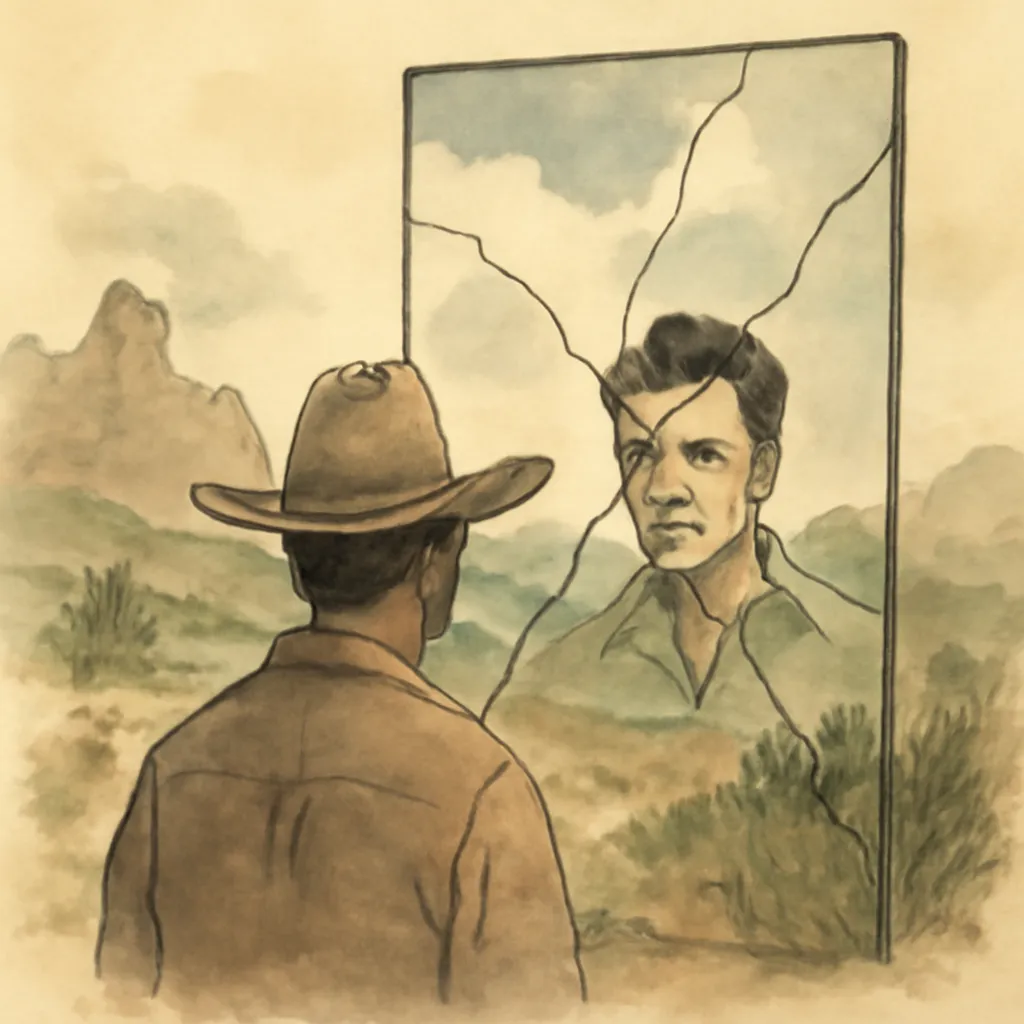
As Silk grapples with his diplomatic role, he embarks on a journey of self-discovery that forces him to confront his own identity amidst the chaos of New Texas. His interactions with characters such as Gail and Colonel Hickock prompt him to reflect on his values and beliefs. The pressures of his position challenge him to reconcile his past experiences with the expectations of his new role, leading to moments of introspection and clarity. This quest for identity is not only central to Silk’s character development but also resonates with the broader struggles of New Texans, who navigate their own sense of belonging within an evolving society. The exploration of personal identity serves as a reminder of the complexities of the human experience, particularly in times of crisis.
10.Survival in a Hostile Environment
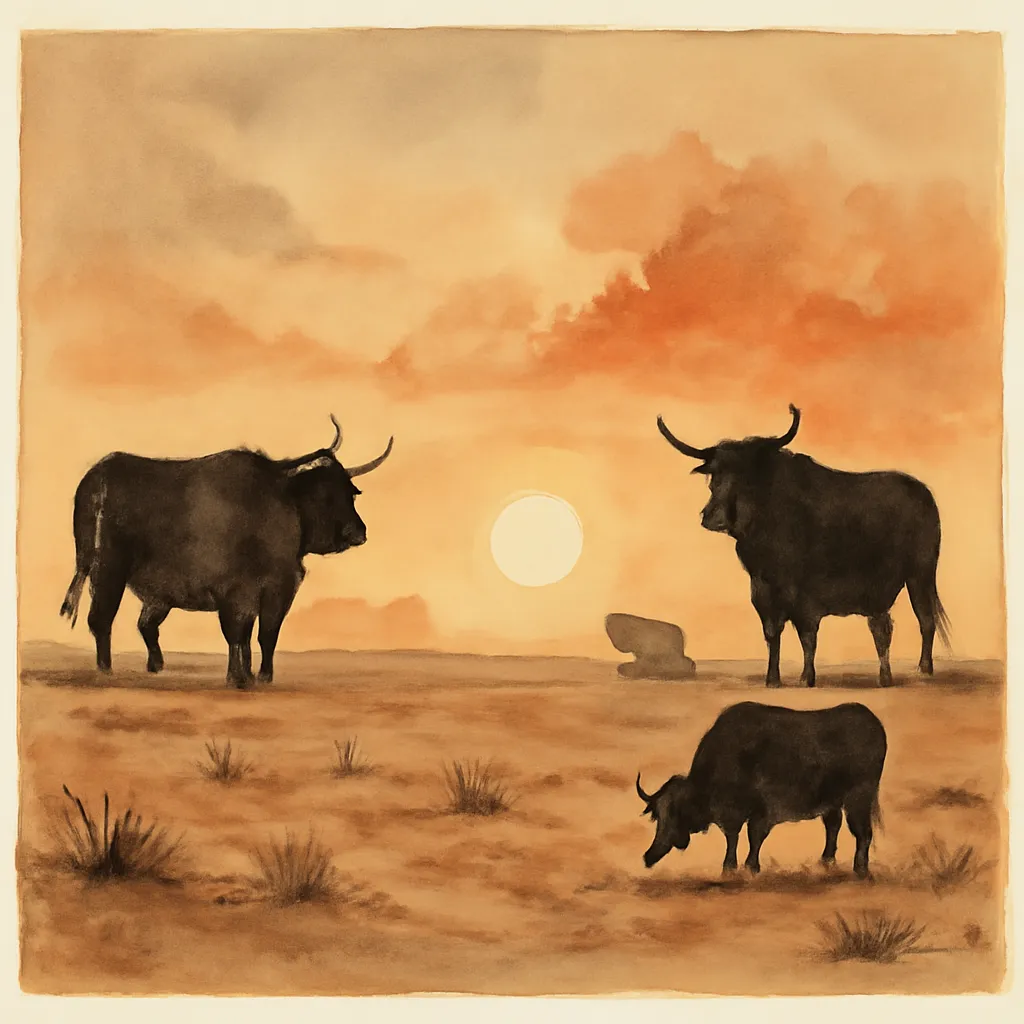
New Texas is depicted as a harsh and unforgiving landscape, mirroring the internal struggles of its inhabitants. Silk’s experiences with the ranching culture, especially the challenges associated with managing the enormous supercows and the dangers of ranching, underscore the constant threat of violence and unpredictability that defines life on the planet. The vivid descriptions of ranch operations reveal the ingenuity and tenacity required to survive in such a demanding environment. The dangers faced by ranchers, coupled with the political unrest, create a palpable sense of urgency and tension throughout the narrative. Silk’s adaptation to this environment not only highlights the resilience of the human spirit but also serves as a testament to the lengths individuals must go to ensure their survival, both personally and politically.