1.Deconstructing the Western Myth
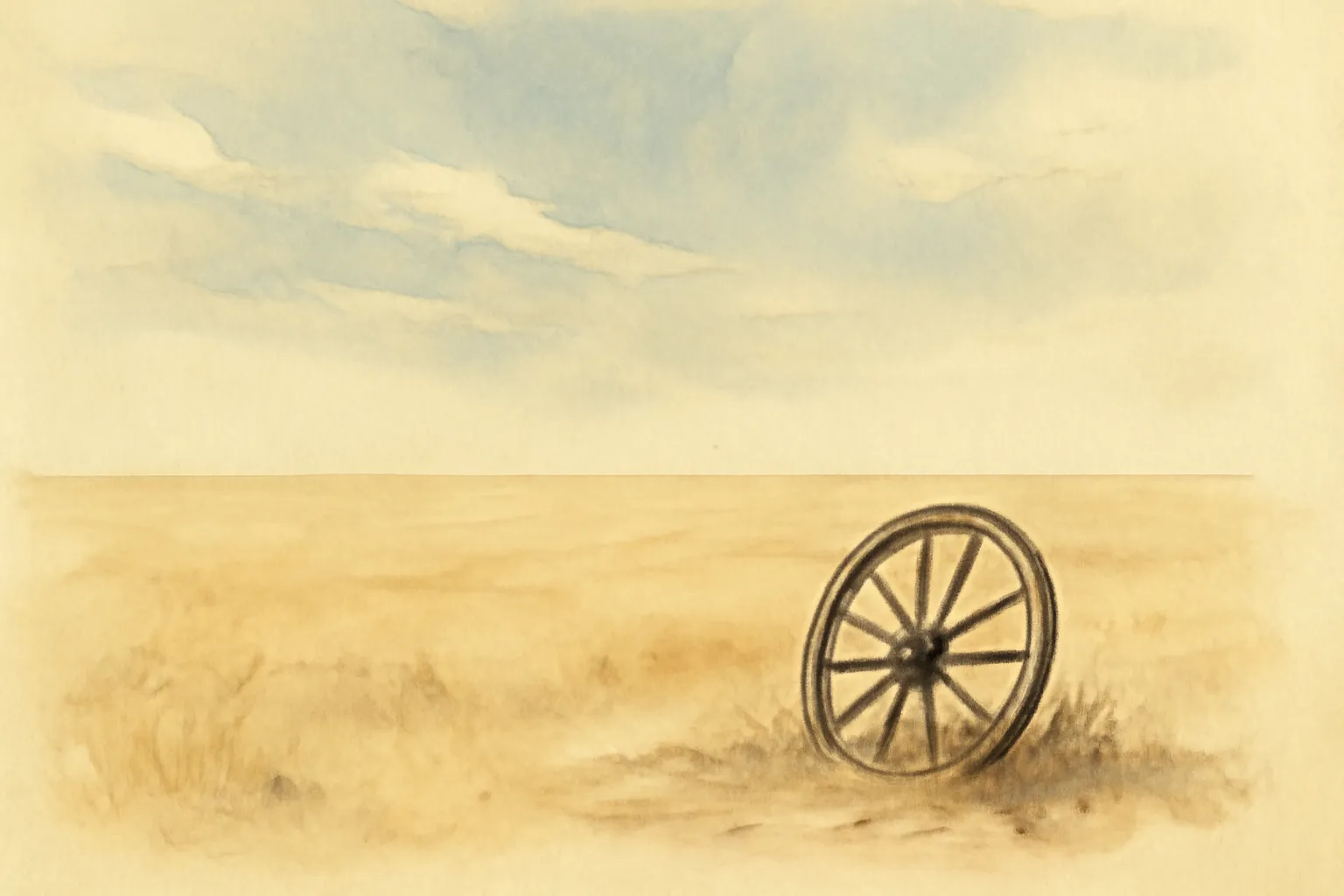
McMurtry uses the classic cattle drive as a canvas to challenge and complicate the traditional myths of the American West. Instead of glorifying violence or heroism, he reveals the grit, boredom, brutality, and moral ambiguity of frontier life. The novel critiques the idea of the West as a land of boundless opportunity, showing instead how dreams often collide with harsh realities and personal limitations.
2.Friendship and Human Connection
At its heart, Lonesome Dove is about the enduring, complex friendship between Gus McCrae and Woodrow Call. Their contrasting personalities—Gus’s warmth and wit versus Call’s stoicism and drive—create both friction and deep mutual reliance. Through their relationship, McMurtry explores themes of loyalty, unspoken affection, and the difficulty men often have in expressing vulnerability.
3.The Passage of Time and Aging
The novel is suffused with a sense of nostalgia and loss. Gus and Call are aging men chasing one last adventure, haunted by memories and missed chances. McMurtry uses their journey to meditate on mortality, regret, and the ways people try to outrun their own histories, only to find that the past inevitably shapes the present.
4.Women and Marginalized Voices
While centered on male protagonists, Lonesome Dove gives significant attention to women like Lorena Wood and Clara Allen, as well as Native American and Mexican characters. Their stories highlight the vulnerability, resilience, and agency of those often sidelined in Western narratives, complicating the genre’s typically male-centric focus.
5.Violence, Survival, and Moral Ambiguity
Violence is ever-present in the world of Lonesome Dove, but McMurtry refuses to glamorize it. The characters must navigate a world where survival often requires hard choices, and moral clarity is elusive. The novel asks whether heroism is possible—or even desirable—in such a landscape, and what it costs those who pursue it.
6.The Search for Meaning and Home
Beneath the physical journey north lies a deeper search for meaning, belonging, and a sense of home. For some, the drive is a quest for renewal; for others, it’s an escape or a last grasp at purpose. McMurtry suggests that the true frontier may be internal, as each character wrestles with their own desires, regrets, and need for connection.