1.Mathematics as a Creative Art
Frenkel argues that mathematics is not just a technical discipline but an art form, as rich and expressive as music or painting. He describes the process of mathematical discovery as deeply creative, involving intuition, imagination, and aesthetic judgment. By sharing his own experiences, he challenges the stereotype of math as cold or mechanical, instead revealing its emotional and artistic dimensions. For Frenkel, the joy of mathematics comes from uncovering hidden patterns and connections, and from the beauty found in elegant solutions.
2.The Langlands Program: A Grand Unified Theory
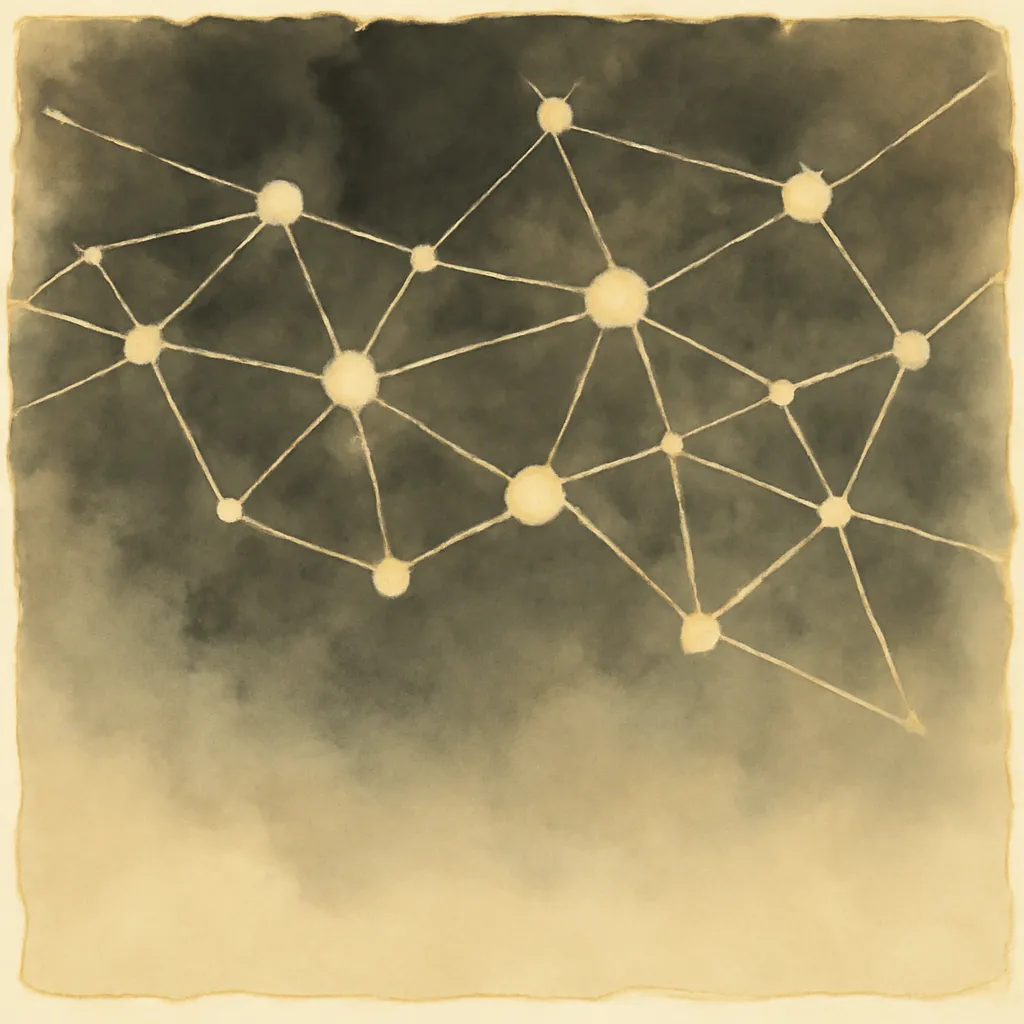
At the heart of the book is the Langlands Program, a vast web of conjectures and theorems that seeks to unify disparate areas of mathematics, such as number theory, geometry, and representation theory. Frenkel explains the Langlands Program as a kind of 'grand unified theory' for mathematics, akin to the quest for unification in physics. He makes the case that these deep connections are not only intellectually powerful but also aesthetically profound, offering a glimpse into the underlying unity of mathematical reality.
3.Personal Journey Against the Odds
Frenkel’s memoir is also a story of perseverance in the face of adversity. Growing up in the Soviet Union, he encountered institutional anti-Semitism that blocked his path to academic opportunities. His determination to pursue mathematics, despite repeated rejections, serves as an inspiring narrative of resilience and passion. This personal context adds emotional depth to the book’s mathematical discussions, making the subject matter more relatable and human.
4.Demystifying Advanced Mathematics
One of Frenkel’s goals is to make advanced mathematics accessible to non-specialists. He uses analogies, stories, and visual metaphors to explain complex concepts, inviting readers to appreciate the ideas even if they lack technical background. By doing so, he argues that the beauty of mathematics should not be reserved for an elite few, but should be open to all curious minds. This democratizing spirit runs throughout the book.
5.The Emotional Power of Mathematical Discovery
Frenkel emphasizes the emotional highs and lows of mathematical research—the thrill of insight, the frustration of dead ends, and the satisfaction of solving a difficult problem. He likens these experiences to the feelings evoked by art or love, suggesting that mathematics can be a source of deep personal fulfillment. This perspective reframes mathematics as a fundamentally human pursuit, driven by wonder and passion.
6.Mathematics as a Universal Language
The book highlights mathematics as a universal language that transcends cultural and political boundaries. Frenkel’s own journey—from the Soviet Union to the United States—underscores how mathematical ideas can connect people across the globe. He suggests that this universality is part of what makes mathematics so powerful and enduring.