1.The Social Construction of Madness
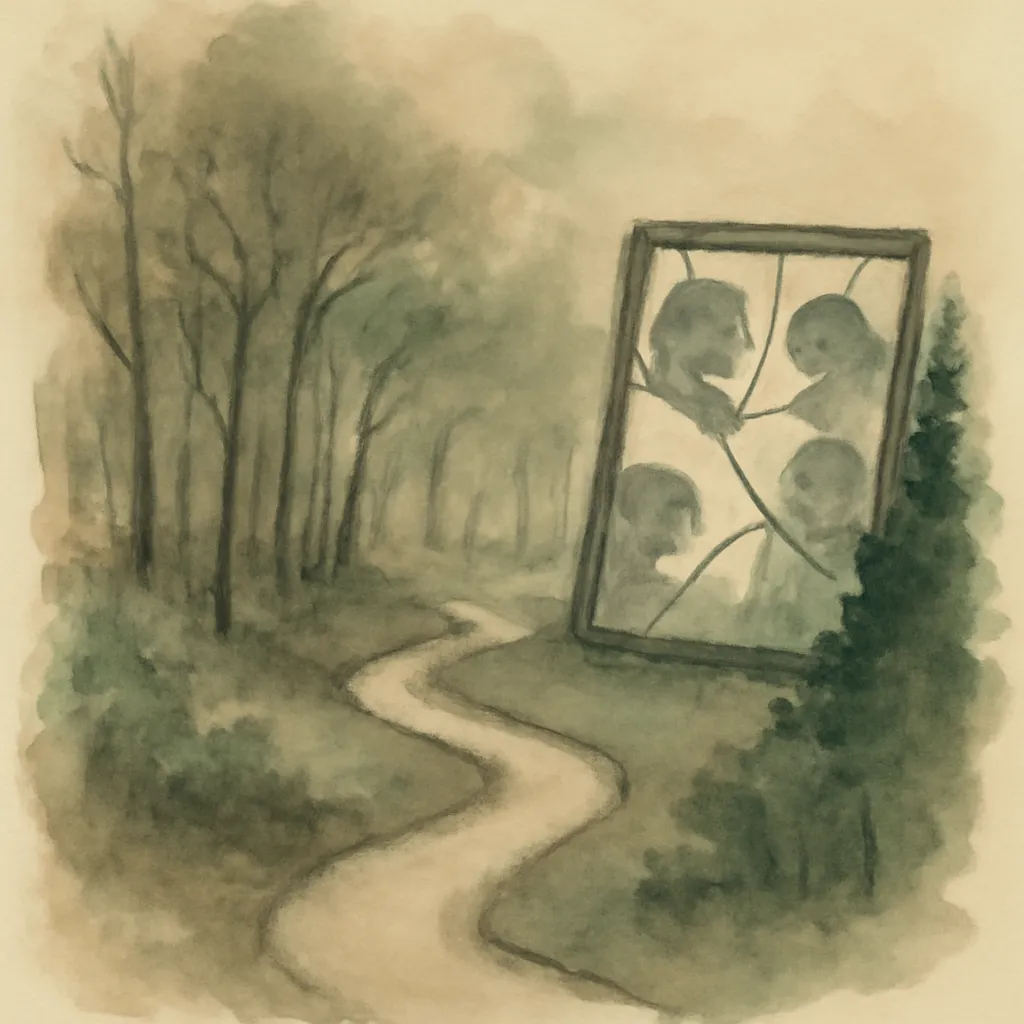
Foucault argues that 'madness' is not a timeless or universal category, but a concept shaped by cultural, social, and historical forces. What one era or society calls madness, another might see as eccentricity or even insight. By examining shifting attitudes from the Renaissance to the modern age, Foucault shows that definitions of insanity are deeply entwined with prevailing social norms and anxieties.
2.The Great Confinement
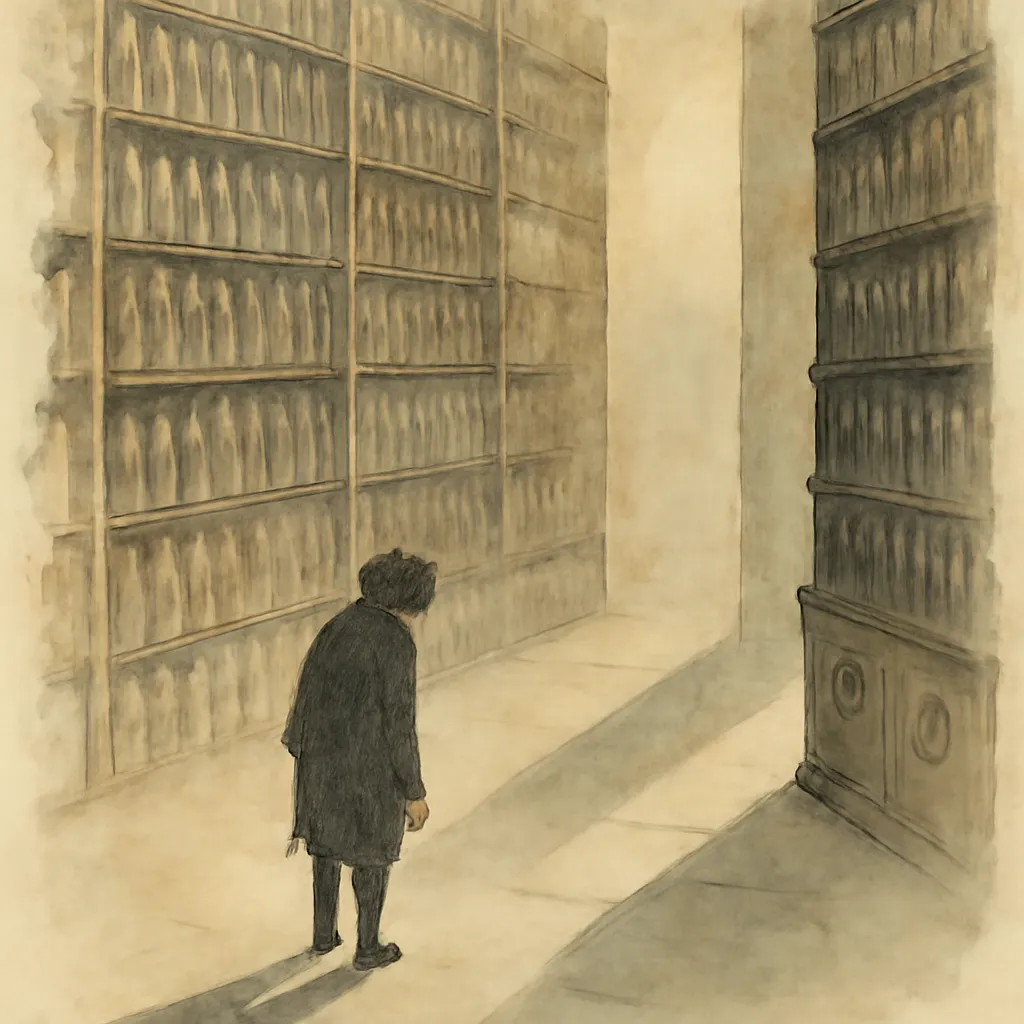
A central episode in the book is the 'Great Confinement' of the seventeenth century, when European societies began locking away not just the mentally ill, but a wide range of marginalized people—beggars, criminals, and the idle—under the guise of moral and social order. Foucault sees this as a turning point: madness became something to be isolated and controlled, rather than integrated or tolerated.
3.From Exclusion to Medicalization
Over time, the management of madness shifted from religious and moral frameworks to medical ones. Foucault traces how the rise of asylums and psychiatry reframed madness as an object for scientific study and treatment. This medicalization, he argues, did not necessarily lead to more humane treatment—instead, it often reinforced new forms of control and exclusion.
4.Power, Knowledge, and Institutions
A key theme is the relationship between knowledge and power. Foucault contends that institutions like asylums and the emerging psychiatric profession didn't just reflect society's understanding of madness—they actively shaped it. The authority to define and manage madness became a tool of social regulation, reinforcing broader structures of power.
5.The Silence of the Mad
Foucault is deeply interested in the voices that are excluded from history. He argues that as madness became institutionalized, the mad themselves were rendered voiceless—spoken about, but never allowed to speak for themselves. This silence is both literal and symbolic, reflecting broader patterns of marginalization.
6.Challenging Progress Narratives
Rather than seeing the history of mental illness as a straightforward march toward enlightenment and compassion, Foucault challenges readers to question who benefits from changing definitions of madness. He warns against assuming that modern approaches are necessarily more humane, urging skepticism about the motives behind institutional reforms.