1.The Burden of Conformity
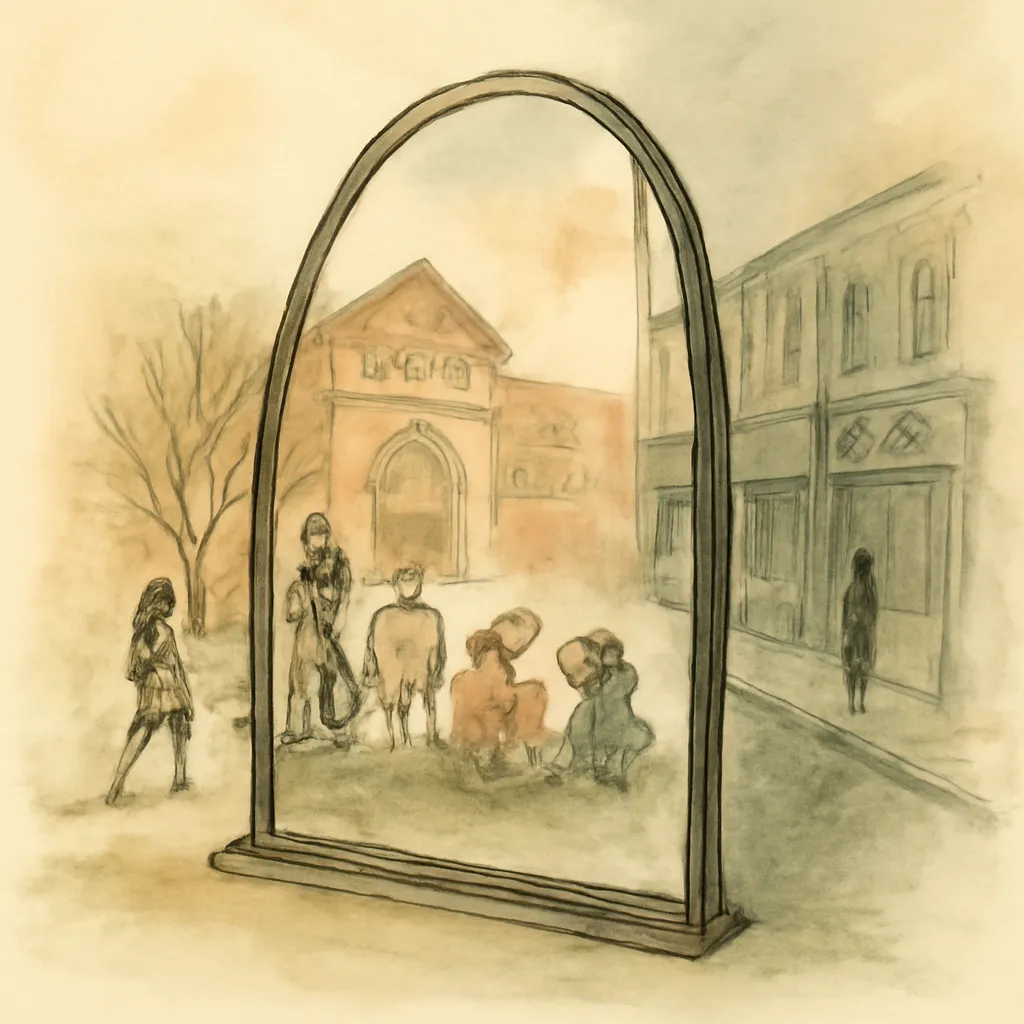
The central theme of 'Main Street' is the oppressive nature of conformity in small-town America. Carol Milford, the protagonist, embodies the struggle against societal norms as she seeks to redefine herself amidst the rigid expectations of Gopher Prairie. Her vibrant spirit and artistic aspirations clash with the town's conservative values, which prioritize tradition and conformity over individual expression. For example, Carol's attempts to introduce cultural activities, such as play readings and discussions on literature, are met with resistance and ridicule from the townspeople. This encapsulates the larger societal pressure to conform, demonstrating how such environments can stifle creativity and personal growth.
2.The Quest for Identity
Carol's journey is also a profound exploration of identity and self-discovery. As she moves from the sheltered environment of Blodgett College to the stark realities of Gopher Prairie, she grapples with her sense of self and the roles imposed upon her. The contrast between her expectations of life and the reality she faces highlights her internal conflict. She yearns for a vibrant life filled with intellectual stimulation and artistic pursuits, yet she finds herself relegated to the role of a traditional housewife. This struggle for identity is further complicated by her marriage to Dr. Will Kennicott, whose own ambitions and values differ significantly from hers. Carol's attempts to assert her individuality ultimately lead to a profound sense of isolation, underscoring the challenges many face in maintaining their identity in the face of societal expectations.
3.The Illusion of Progress
Lewis critiques the notion of progress in small-town America through the lens of Gopher Prairie. Despite the physical advancements—such as the introduction of flour-mills and skyscrapers—the town remains stagnant in its cultural and intellectual pursuits. Carol's experiences reveal that technological progress does not equate to social or cultural advancement. The townspeople's resistance to change and their adherence to outdated values serve as a metaphor for the broader societal reluctance to embrace new ideas. Carol's frustration with this stagnation is palpable as she seeks to uplift the town through art and culture, yet finds her efforts thwarted by the very people she wishes to inspire.
4.The Role of Gender
The novel also delves into the gender dynamics of early 20th-century America, particularly the expectations placed on women. Carol's aspirations for a fulfilling life are constantly undermined by the traditional roles ascribed to women in Gopher Prairie. Her marriage to Kennicott, while initially seen as a partnership, quickly devolves into a relationship where her desires and ambitions are sidelined. This reflects the broader societal norms that dictate a woman's place as a homemaker and caregiver rather than an individual with her own aspirations. Carol's struggle to balance her identity as a wife and her desire for independence poignantly illustrates the limitations imposed on women during this era.
5.The Search for Community
Carol's time in Gopher Prairie also highlights the complex nature of community and belonging. Initially, she seeks to integrate herself into the town, hoping to foster a sense of community through cultural initiatives. However, as she faces rejection and ridicule, her perception of community shifts. The townspeople's narrow-mindedness and disdain for her progressive ideas create a sense of alienation, making her question her place within this community. This tension between the desire for belonging and the realization of incompatibility with the community's values underscores the challenges many face in seeking acceptance while remaining true to themselves.
6.The Power of Art and Culture
Art and culture serve as both a refuge and a battleground for Carol. She views artistic expression as a means of liberation and a way to elevate the consciousness of her community. Through her attempts to introduce plays, literary discussions, and cultural events, she hopes to inspire change and encourage the townspeople to embrace new ideas. Yet, the overwhelming resistance she encounters reveals the limitations of art in a society resistant to change. Lewis illustrates that while art has the potential to provoke thought and inspire growth, it can also be met with hostility in environments that prioritize conformity over creativity.
7.The Impact of Isolation
Isolation emerges as a significant theme in 'Main Street', reflecting both Carol's personal struggles and the broader experience of individuals in small towns. As Carol attempts to assert her individuality, she becomes increasingly isolated from her peers and even her husband. The townspeople's judgment and ridicule exacerbate her feelings of loneliness, leading to a profound sense of alienation. This isolation is not only emotional but also intellectual, as Carol finds herself unable to connect with those around her who are content with the status quo. Lewis poignantly illustrates that isolation can be both a physical and psychological state, highlighting the challenges of maintaining one's identity in an unsupportive environment.
8.The Complexity of Marriage
Carol's marriage to Dr. Kennicott serves as a microcosm of the complexities of relationships, particularly when individual aspirations clash with marital expectations. Initially, Carol is drawn to Kennicott's stability and practicality; however, as their life together unfolds, she becomes increasingly aware of the limitations this relationship imposes on her. Kennicott's focus on his medical practice and the town's needs often takes precedence over Carol's dreams, leading to tension and dissatisfaction. This dynamic exemplifies the struggle many couples face when one partner's ambitions are stifled by the other's priorities, ultimately questioning the very foundation of their partnership.
9.The Influence of Social Class
Social class plays a pivotal role in shaping the experiences of the characters in 'Main Street'. The residents of Gopher Prairie are bound by their social standings, which influence their interactions and perceptions of one another. Carol's efforts to elevate the town's cultural landscape are often dismissed by those who view her as an outsider, further complicating her attempts to fit in. The novel illustrates how social class can create barriers to acceptance and understanding, as characters navigate their positions within the community. This dynamic serves to highlight the broader societal issues surrounding class distinctions and the impact they have on individual aspirations.
10.The Search for Meaning
Ultimately, Carol's journey in 'Main Street' is a quest for meaning in a world that often seems devoid of it. As she grapples with her identity, aspirations, and the confines of her environment, she embarks on a profound exploration of what it means to live authentically. Her struggles reflect the universal search for purpose and fulfillment, as she seeks to carve out a life that resonates with her values and desires. This search is fraught with challenges, yet it underscores the importance of resilience and the human spirit's capacity to strive for a life that is true to oneself, even in the face of overwhelming obstacles.