1.The Weight of Expectations
Fitzherbert Wittleworth embodies the struggle of living up to societal expectations, particularly those imposed by his wealthy employer, Mr. Checkynshaw. From the outset, Fitz is depicted as a young man with a high opinion of himself, yet he faces constant belittlement from Checkynshaw, who sees him as a 'stupid and useless blockhead.' This dynamic illustrates how external expectations can stifle personal growth and self-esteem, making it hard for individuals to carve their own identities. Fitz’s journey reflects the broader challenge faced by many young people who grapple with the pressure to meet the standards set by their families, peers, and society at large. His eventual confrontation with Checkynshaw is not just an act of defiance but a pivotal moment of self-assertion, highlighting the importance of standing up against demeaning treatment.
2.The Power of Self-Sacrifice
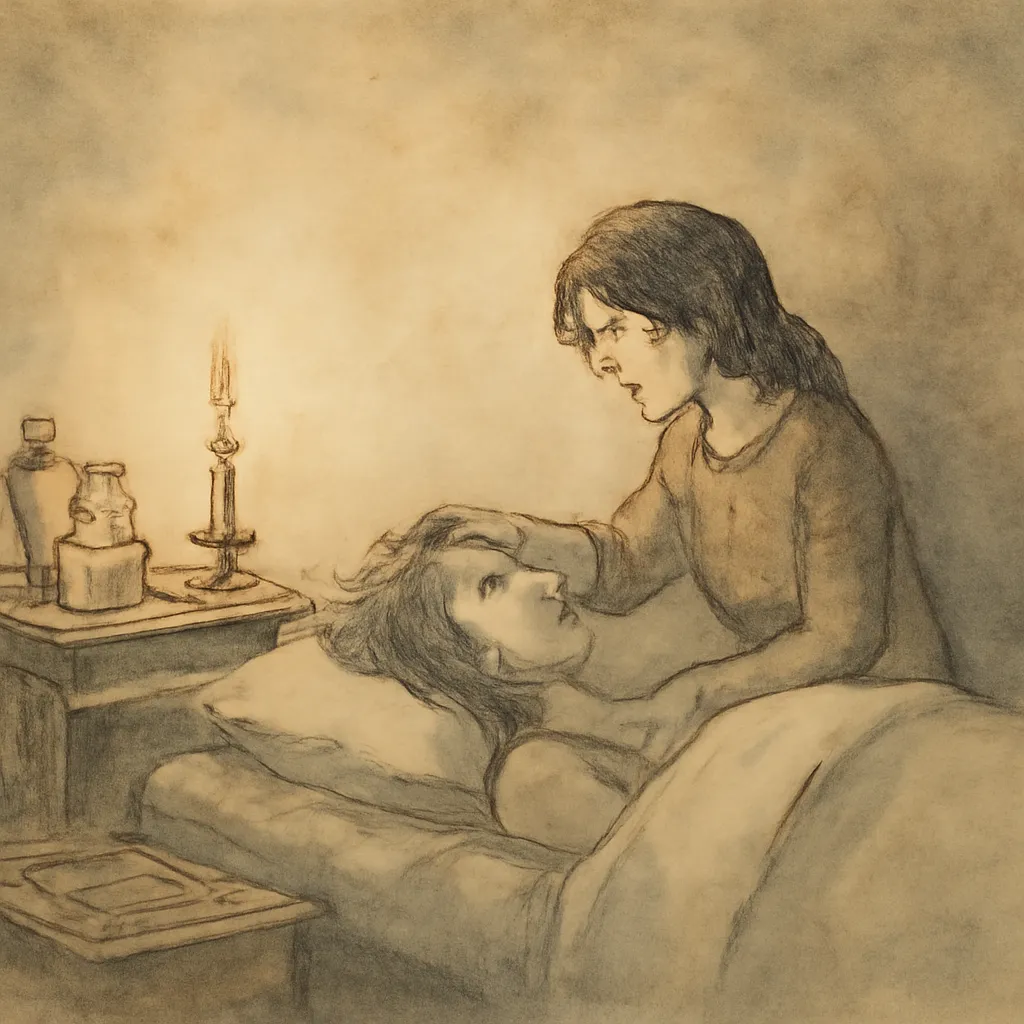
Maggie Maggimore serves as a poignant representation of self-sacrifice and resilience. Despite her young age, she takes on the heavy responsibility of caring for her foster father, André, who becomes seriously ill. Her unwavering dedication is evident as she nurses him back to health, embodying the virtues of love, loyalty, and perseverance. Maggie's character illustrates the profound impact of nurturing relationships and the sacrifices one makes for loved ones. Her role challenges conventional notions of femininity in the 19th century, as she is not merely a passive character but an active agent in her family's survival. Her actions also serve as a moral anchor in the narrative, contrasting sharply with the self-serving tendencies of other characters like Fitzherbert and Checkynshaw.
3.The Illusion of Wealth
Wealth is portrayed as both a boon and a burden throughout the story. Mr. Checkynshaw, a wealthy banker, epitomizes the moral decay that often accompanies great riches. His character demonstrates how wealth can lead to arrogance and a lack of empathy, as seen in his dismissive treatment of Fitz and his indifference to the struggles of the Wittleworth family. In contrast, André Maggimore, though a poor barber, embodies integrity and kindness, proving that true wealth lies in character rather than monetary possessions. This juxtaposition serves as a critique of societal values that equate success with financial status, urging readers to reconsider what it means to be truly wealthy. The narrative suggests that while wealth can provide comfort, it is often the relationships and moral choices made in life that define one's true fortune.
4.Confronting Authority
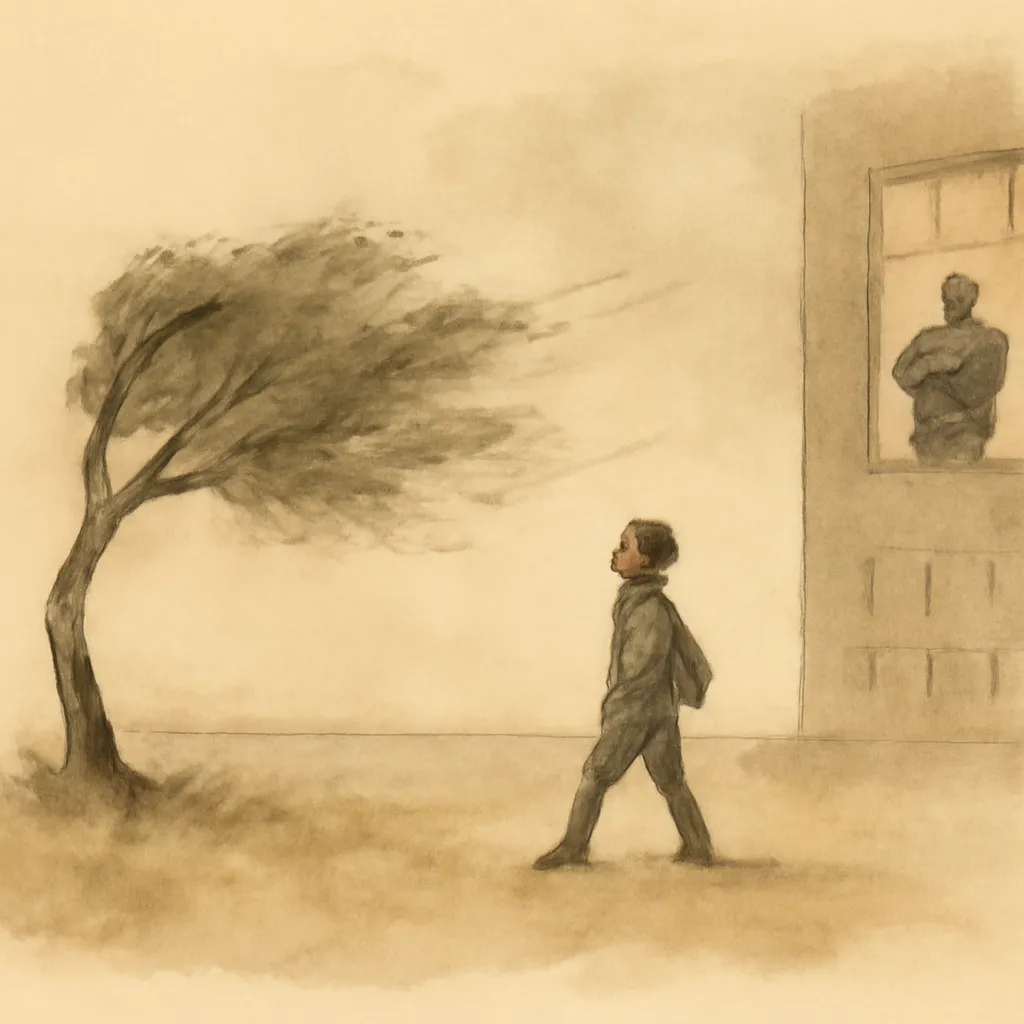
Fitzherbert's confrontation with Mr. Checkynshaw is a central moment in the story, illustrating the theme of challenging authority. Fitz's boldness in standing up to his employer marks a turning point in his character development. This act of defiance is not merely about seeking respect; it represents a deeper struggle for self-identity and dignity. The confrontation encapsulates the tension between the powerful and the powerless, showcasing the courage it takes to speak out against injustice. Fitz's journey emphasizes the importance of personal integrity and the necessity of standing firm in one's convictions, even when faced with potential consequences. This theme resonates with readers, particularly young people learning to navigate their own relationships with authority figures.
5.The Influence of Family
Family dynamics play a crucial role in shaping the characters and their decisions. The Wittleworth family, particularly Fitz's mother, embodies the struggles of a family fallen from grace. Mrs. Wittleworth's attempts to maintain dignity in the face of poverty highlight the emotional weight of familial responsibility. Fitz's relationship with his mother is marked by tension; she often expresses disappointment in his choices, reflecting the complex nature of familial expectations and support. The story encourages readers to consider the impact of family on personal growth and the ways in which familial bonds can both uplift and constrain individuals. The contrasting relationship between Maggie and André further emphasizes how love and support can foster resilience and strength in adversity.
6.The Journey of Self-Discovery
The characters' journeys in 'Make or Break' serve as a powerful narrative on self-discovery. Fitz's initial arrogance gives way to a deeper understanding of his values and aspirations as he faces challenges and setbacks. His experiences force him to confront his own flaws and the emptiness of his previous pursuits, leading him toward a more authentic sense of self. Similarly, Maggie's journey highlights her growth from a dependent girl into a capable and compassionate young woman who takes charge of her family's well-being. The narrative emphasizes that self-discovery is often a messy and nonlinear process, marked by trials that ultimately lead to greater self-awareness and maturity. Readers are encouraged to embrace their own journeys, understanding that growth often arises from adversity.
7.The Role of Community
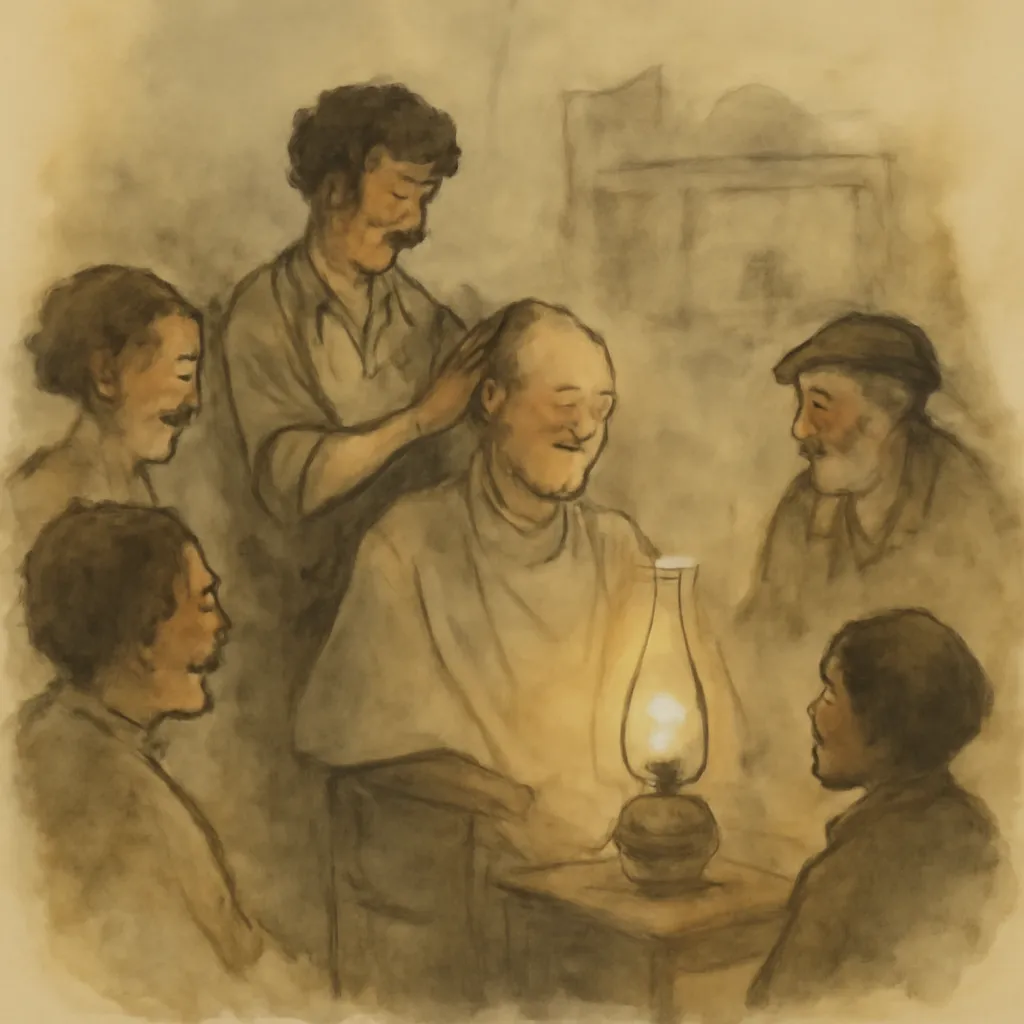
Community support emerges as a vital theme in the narrative, particularly through the character of André Maggimore. Despite being a barber with limited means, André fosters a sense of belonging and support for Maggie and Leo. His home becomes a refuge, demonstrating the importance of community ties in overcoming hardship. The interactions between characters often reveal the strength found in solidarity, as seen when the community rallies around André during his illness. This theme resonates with the notion that individuals are not isolated entities but part of a larger social fabric that can either uplift or hinder them. The narrative serves as a reminder of the power of community and the shared responsibility to care for one another, especially in times of crisis.
8.Moral Choices and Consequences
The characters' decisions throughout 'Make or Break' highlight the theme of moral choices and their consequences. Fitz's initial willingness to compromise his integrity for the sake of social standing leads to his eventual downfall, while Maggie's steadfastness and ethical approach to her responsibilities yield positive outcomes. The contrast between these choices illustrates the moral complexities faced by individuals in their pursuit of success and acceptance. The narrative suggests that the choices made in moments of temptation or pressure can significantly alter one's life path, urging readers to consider the long-term implications of their actions. This theme underscores the importance of making choices that align with one's values, reinforcing the idea that true success is rooted in ethical living.
9.The Quest for Identity
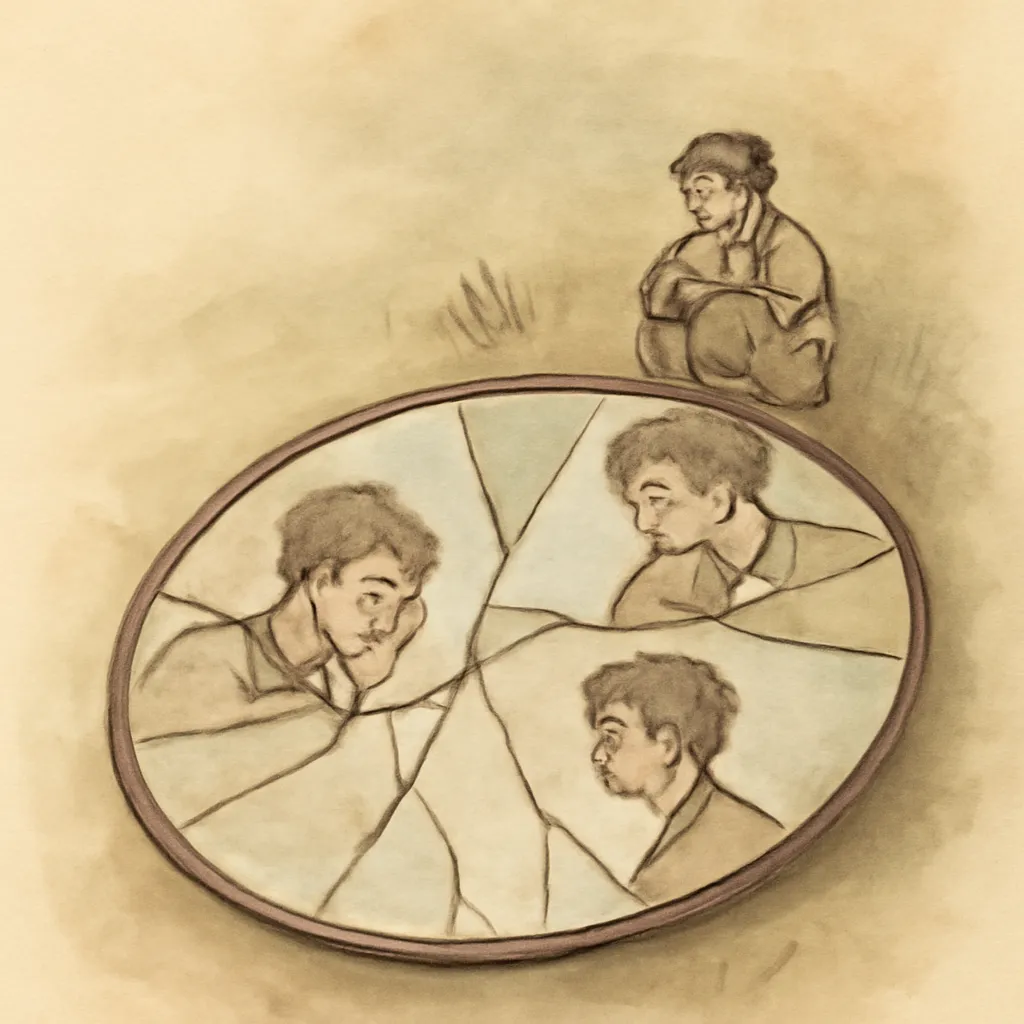
Fitzherbert Wittleworth's struggle for identity is a central theme in the narrative, reflecting the challenges faced by many young adults. Initially defined by his family's wealth and societal expectations, Fitz grapples with his self-worth and the need to establish his own identity separate from his circumstances. The narrative traces his evolution as he confronts his insecurities and the superficiality of his previous aspirations. His journey toward self-acceptance is marked by setbacks and realizations that challenge his understanding of success. This quest for identity resonates with readers as they navigate their own paths, highlighting the importance of authenticity and the courage to forge one's own way despite societal pressures. The story ultimately champions the idea that identity is not merely inherited but actively shaped through experiences and choices.
10.Redemption and Forgiveness
The theme of redemption is woven throughout the story, particularly in the character arcs of Fitz and Mr. Checkynshaw. Fitz's journey toward redemption is marked by his realization of the importance of integrity and the impact of his previous actions on others. As he confronts his past mistakes, he begins to seek forgiveness, not only from those he has wronged but also from himself. Similarly, Mr. Checkynshaw's character undergoes a subtle transformation as he grapples with the consequences of his greed and arrogance. His interactions with the Wittleworth family and André Maggimore compel him to reflect on his choices, suggesting that redemption is possible even for those who have strayed far from moral paths. This theme offers a hopeful perspective, emphasizing that it is never too late to seek forgiveness and strive for personal growth.