1.Family Ties and Individual Identity
At its core, Malibu Rising examines how family shapes who we become—and how we struggle to define ourselves outside of inherited roles. Each Riva sibling is marked by their shared history and the shadow of their absent, famous father, Mick Riva. The novel traces how they support, resent, and ultimately choose one another, even as they seek to forge their own paths. The tension between loyalty to family and the need for self-actualization is a driving force, showing how both love and pain are passed down through generations.
2.The Cost of Celebrity and Abandonment
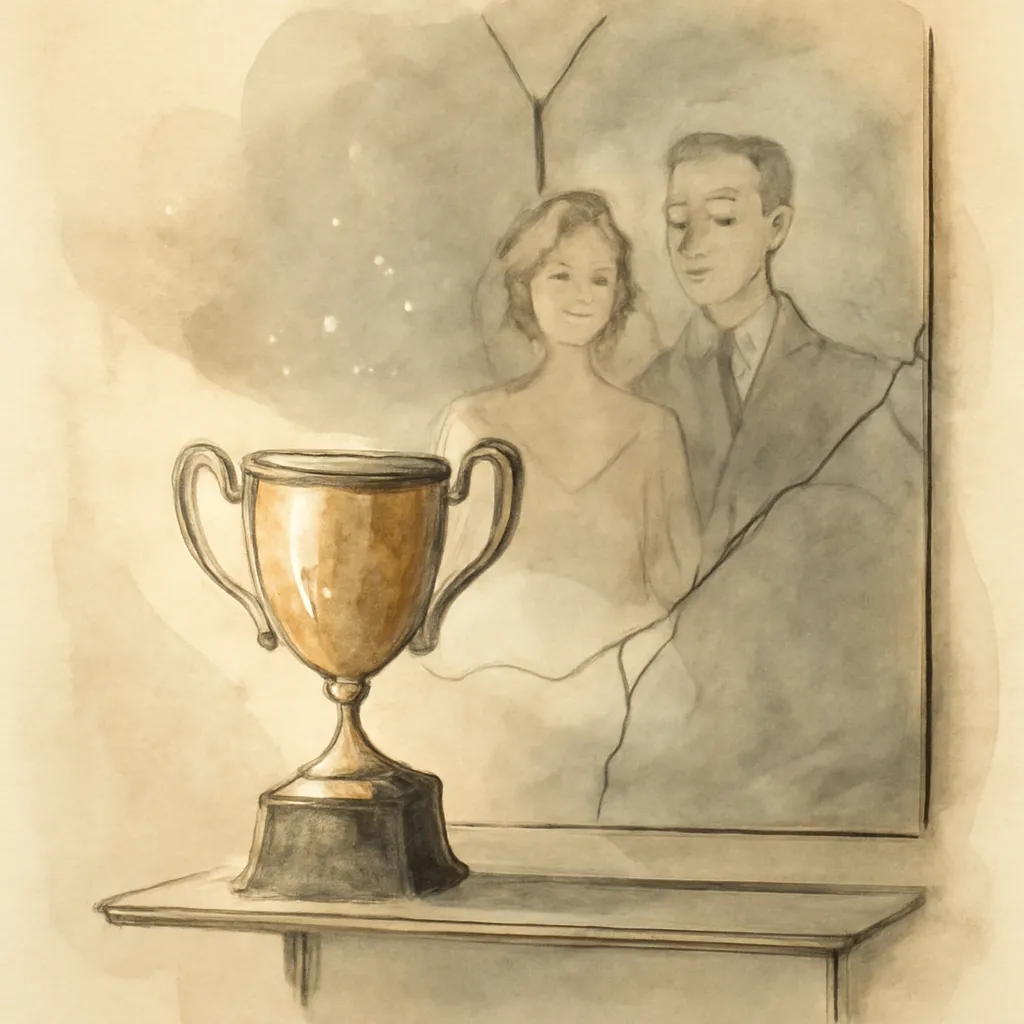
The Rivas’ glamorous public image contrasts sharply with their private wounds, especially the abandonment by Mick. Reid explores the emotional fallout of being in the spotlight and how fame can be both a shield and a source of deep insecurity. The siblings’ struggles with trust, intimacy, and self-worth are all colored by their father’s choices, highlighting how personal and public lives are often at odds.
3.Cycles of Destruction and Renewal
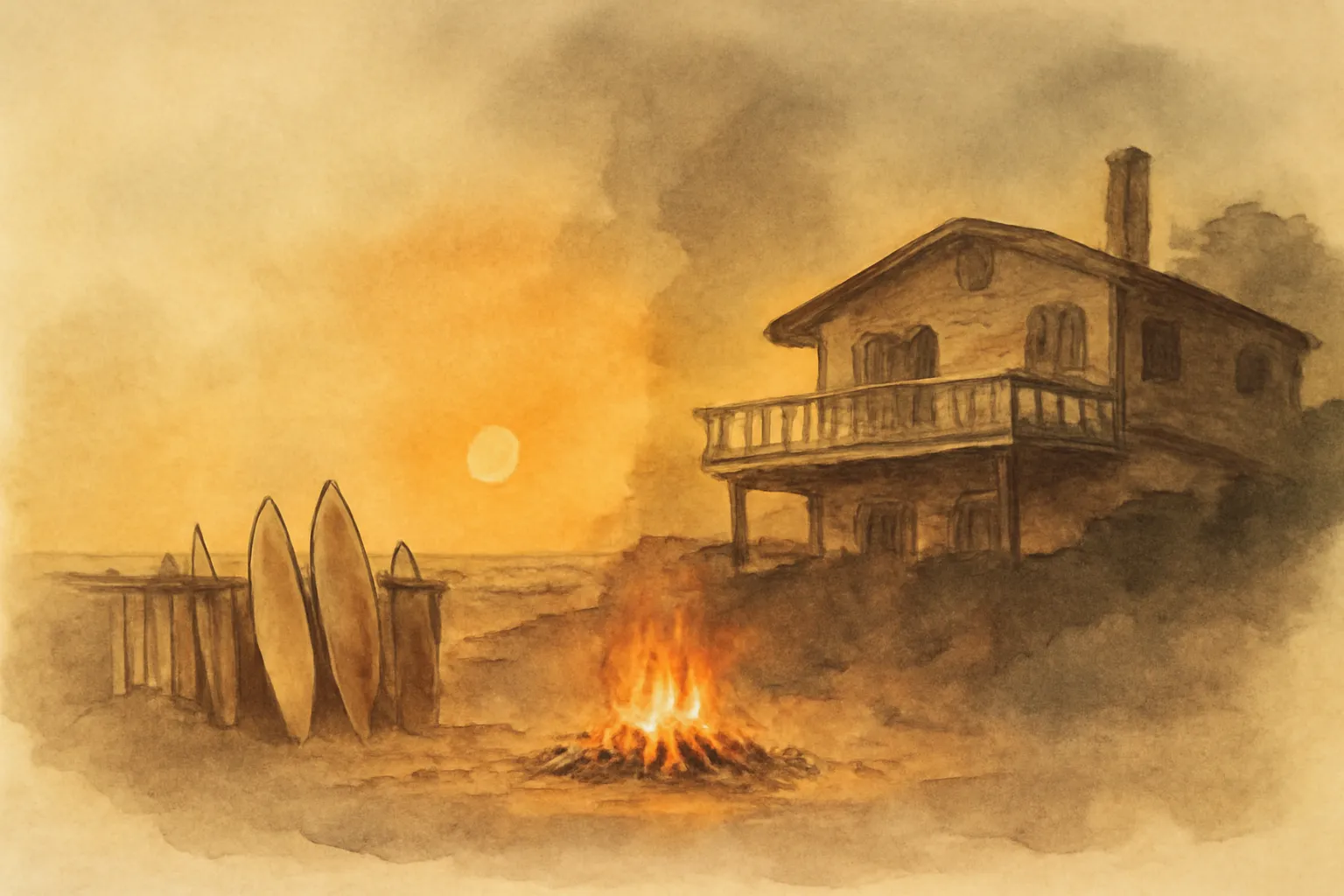
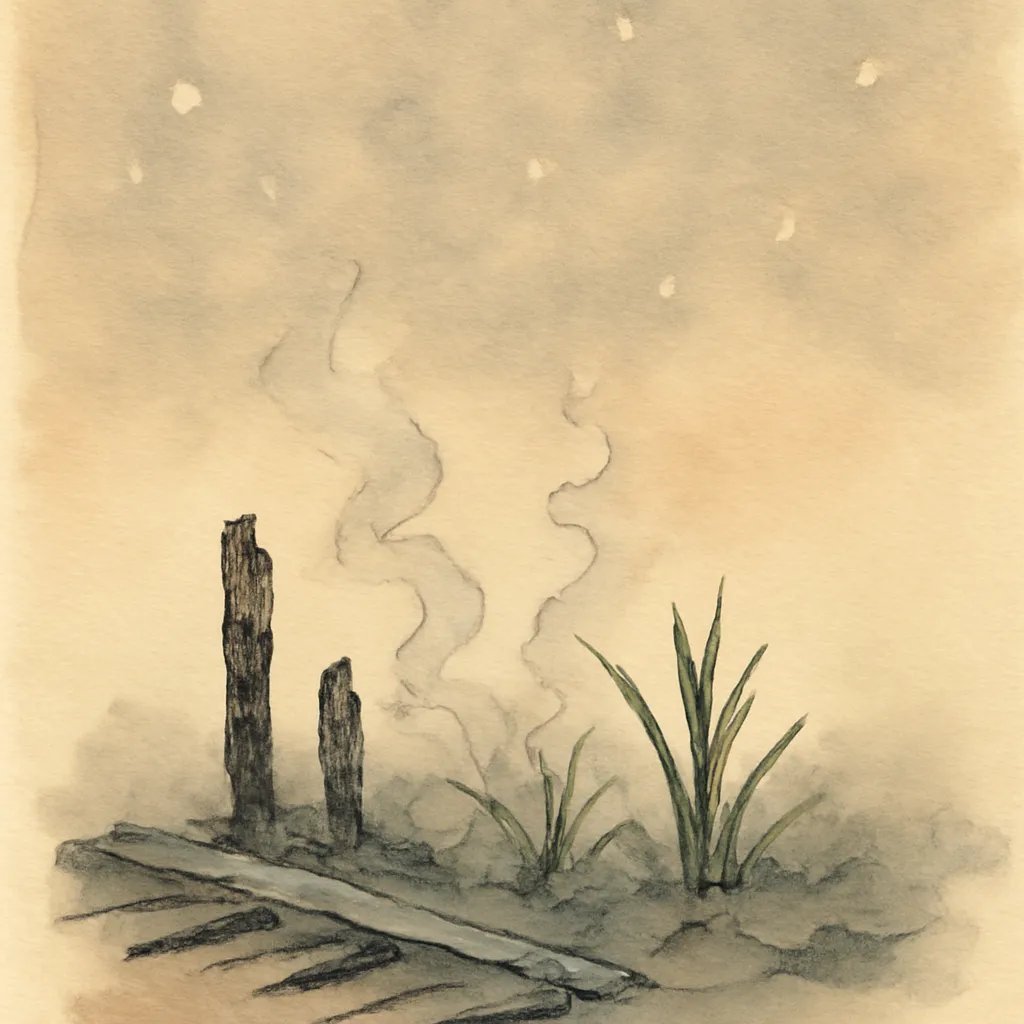
The novel’s structure—culminating in a literal fire—mirrors the metaphorical fires that have shaped the Riva family. Reid uses the motif of burning and rebuilding to reflect on how trauma and loss can destroy, but also clear the way for new beginnings. The annual party becomes a crucible where secrets are revealed and old patterns are broken, suggesting that sometimes destruction is necessary for growth.
4.Surf Culture and the Setting as Character
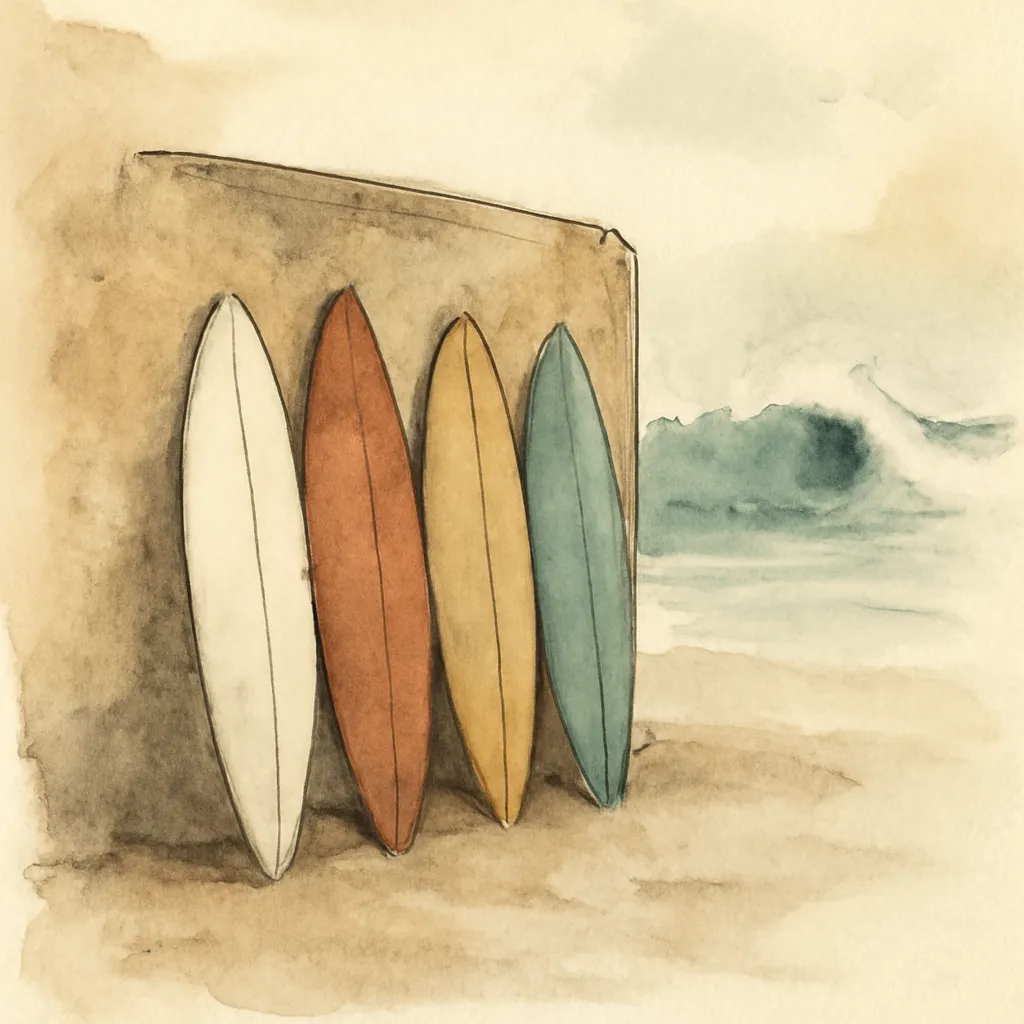
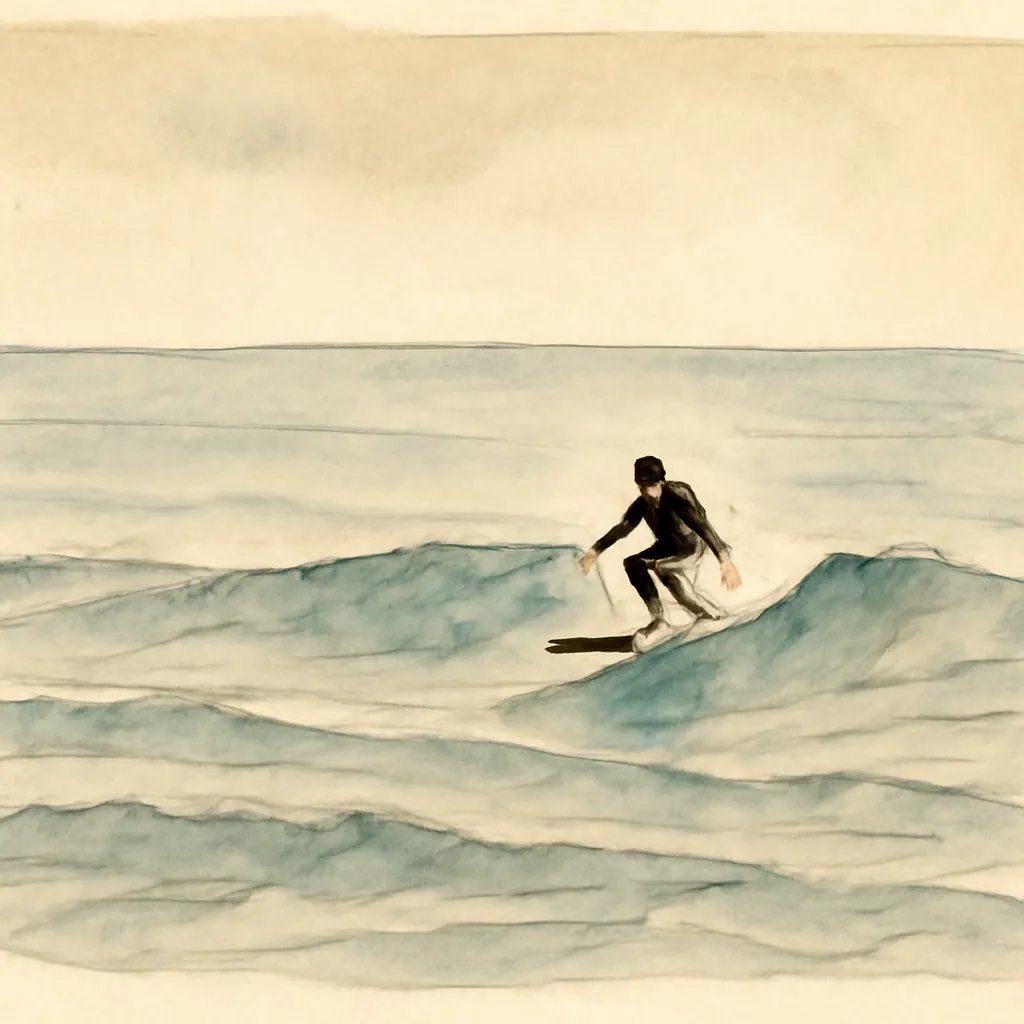
Malibu is not just a backdrop but a living presence in the novel. The surf, the ocean, and the ever-present threat of wildfire all shape the Riva siblings’ identities. Surfing is both a literal and symbolic way the characters find freedom and connection, while the party itself serves as a microcosm of the excess and volatility of 1980s Malibu. Reid’s evocative descriptions root the story in a specific time and place, making the setting integral to the characters’ journeys.
5.Forgiveness and Letting Go
A central theme is the possibility and limits of forgiveness—especially within families. The Rivas must confront not only their father’s failings but their own mistakes and resentments. Reid suggests that healing comes not from forgetting the past, but from accepting it and choosing to move forward. The novel’s resolution is less about tidy reconciliation and more about the courage to let go and claim agency over one’s future.
6.The Power of Secrets
Secrets—kept, revealed, and weaponized—drive the tension of the novel. Reid deftly shows how what is hidden can bind people together or tear them apart. The party acts as a pressure cooker, forcing truths to the surface and compelling the characters to reckon with who they are when the masks come off.