1.The Propaganda Model
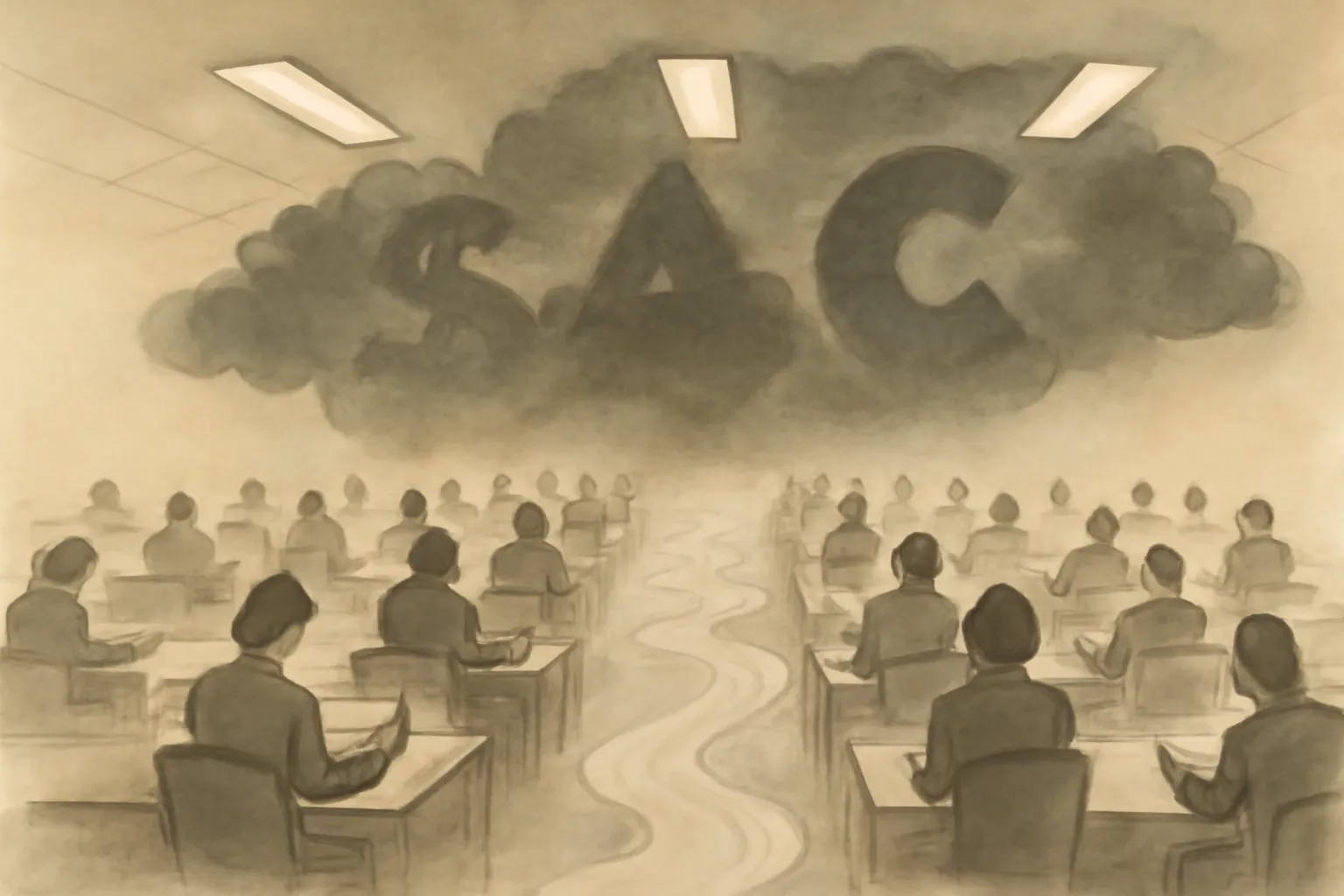
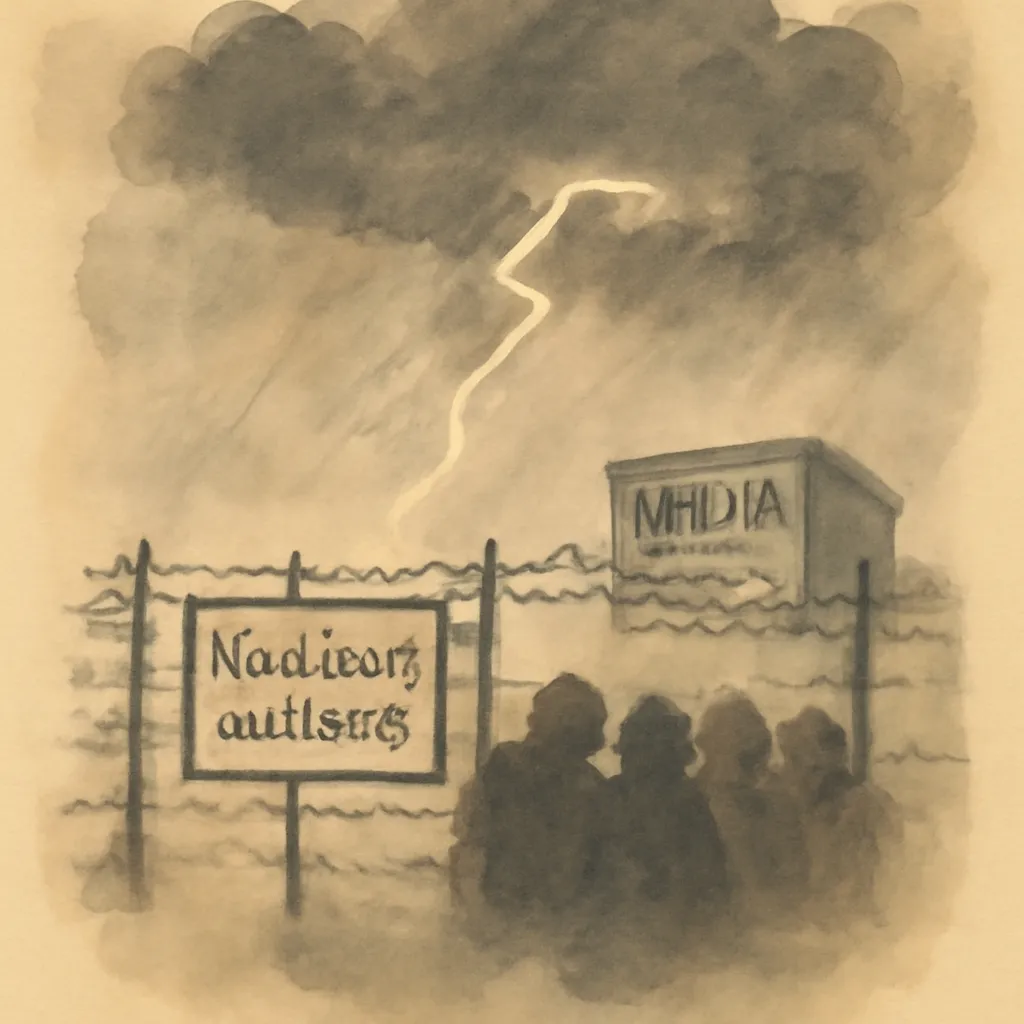
Herman and Chomsky introduce the 'propaganda model,' arguing that mass media in democratic societies serves as a system for communicating messages that support the interests of dominant, elite groups. Rather than acting as independent watchdogs, major news outlets filter information through a series of economic and political constraints, resulting in news that aligns with the needs of those in power. This model challenges the assumption of a free and adversarial press, suggesting instead that consent is manufactured through subtle, systemic pressures.
2.Five Filters of News Content
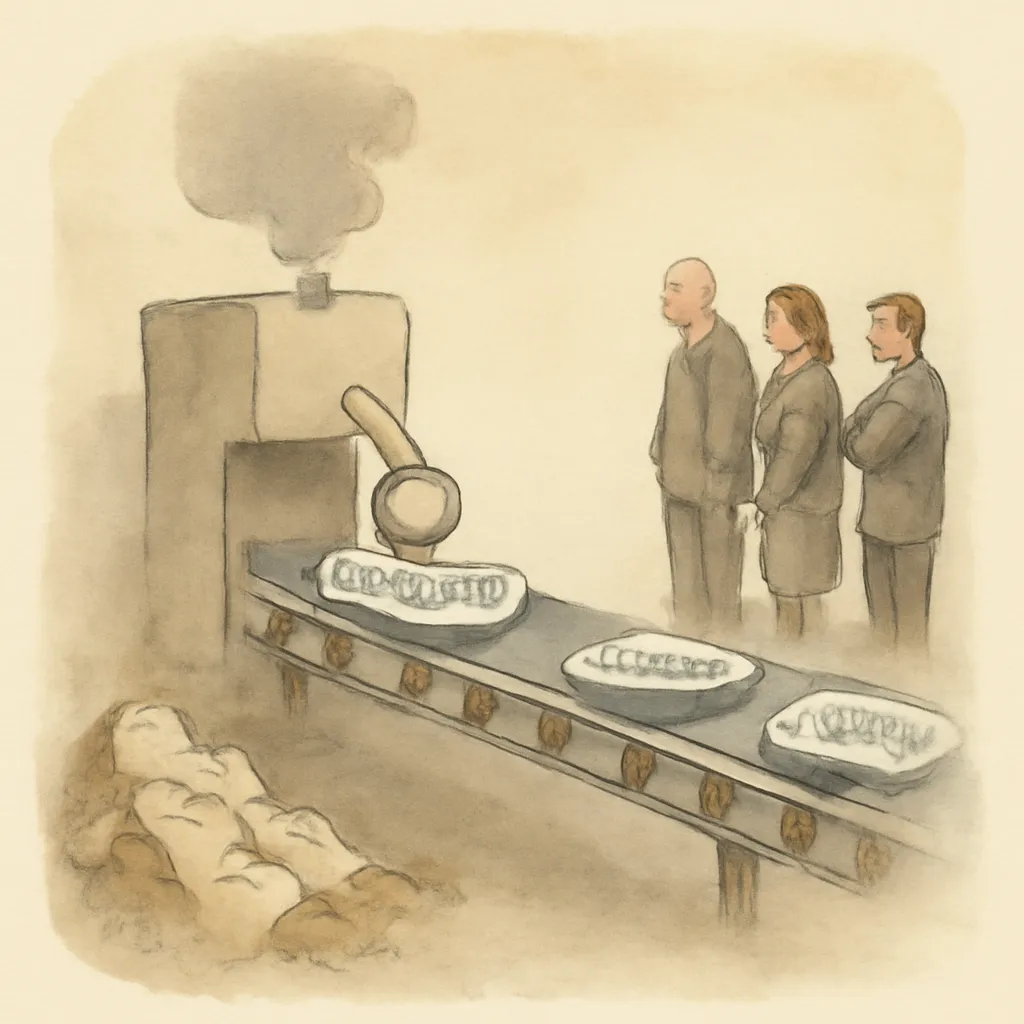
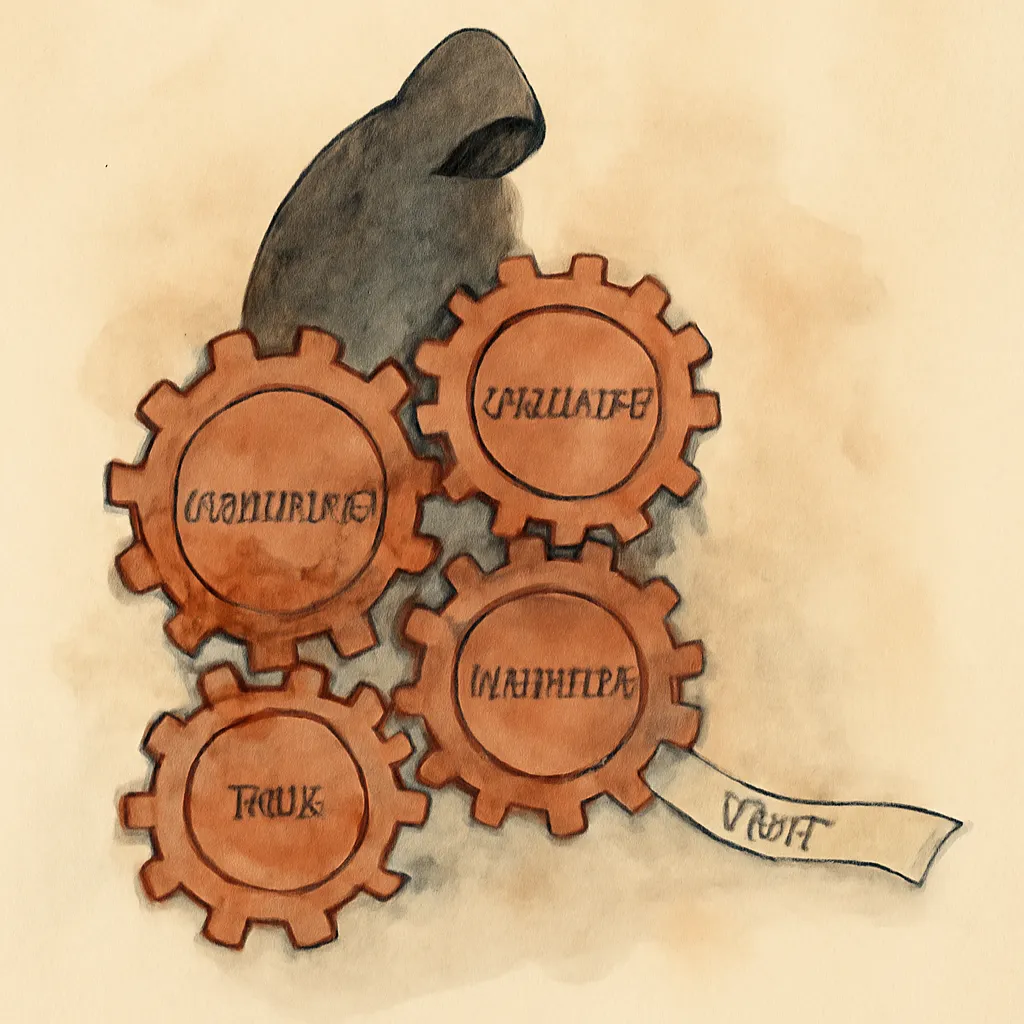
Central to the book is the idea that news passes through five key filters: ownership, advertising, sourcing, flak, and anti-communism (or, more broadly, ideology). These filters determine what stories are covered, how they’re framed, and which viewpoints are marginalized. For example, media ownership by large corporations or wealthy individuals can bias coverage toward their interests, while dependence on advertising revenue discourages reporting that might upset sponsors.
3.Sourcing and Official Narratives
News organizations rely heavily on official sources—government officials, corporate spokespeople, and established institutions—for information. This dependence means that the perspectives of those in power are privileged, while dissenting or grassroots voices are often ignored or delegitimized. The result is a media landscape where official narratives are amplified and alternative viewpoints struggle to gain traction.
4.Flak and the Policing of Discourse
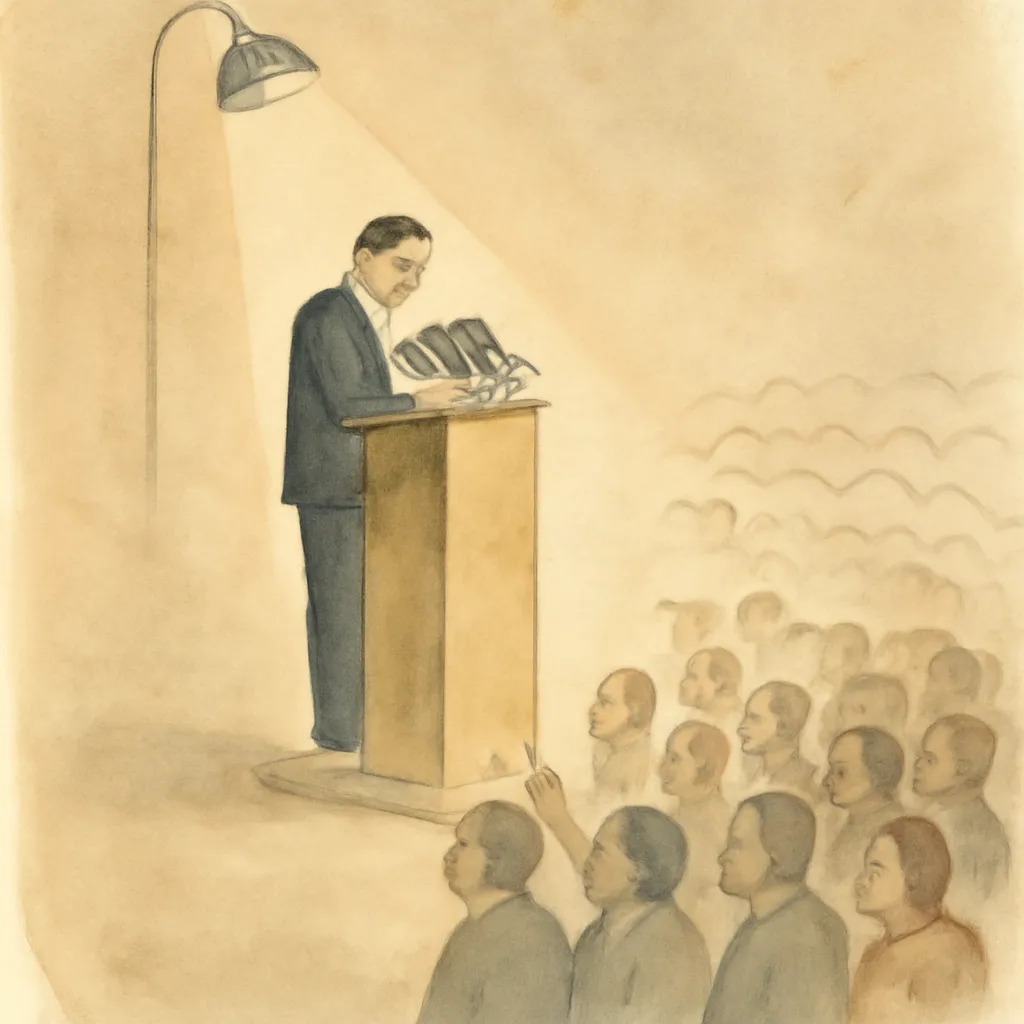
Flak refers to negative responses—complaints, lawsuits, or public criticism—directed at media organizations that challenge powerful interests. The threat of flak acts as a form of discipline, encouraging self-censorship and conformity to dominant viewpoints. This mechanism helps maintain the boundaries of acceptable discourse, discouraging investigative journalism that might threaten elite agendas.
5.Ideological Filters and 'Worthy' vs. 'Unworthy' Victims
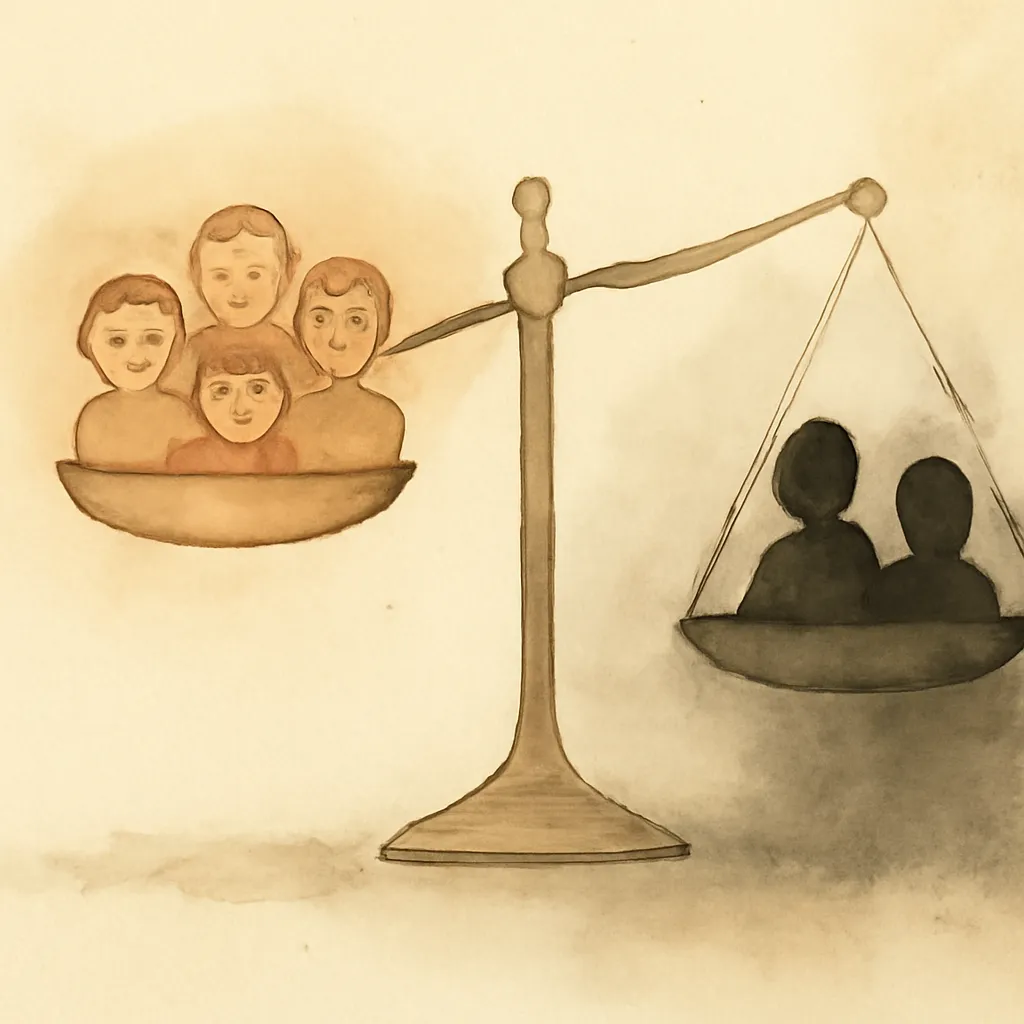
The book illustrates how media coverage distinguishes between 'worthy' and 'unworthy' victims, often based on their relationship to U.S. interests. Atrocities committed by official enemies receive extensive, sympathetic coverage, while similar acts by allies or the U.S. itself are downplayed or ignored. This selective attention reinforces ideological assumptions and shapes public understanding of global events.
6.Implications for Democracy
By exposing these systemic biases, Manufacturing Consent raises urgent questions about the health of democracy. If the media systematically limits the range of debate and reinforces elite consensus, then public opinion is shaped less by open deliberation and more by manufactured consent. The book challenges readers to critically assess the information they consume and to seek out alternative sources and perspectives.