1.Personalizing History
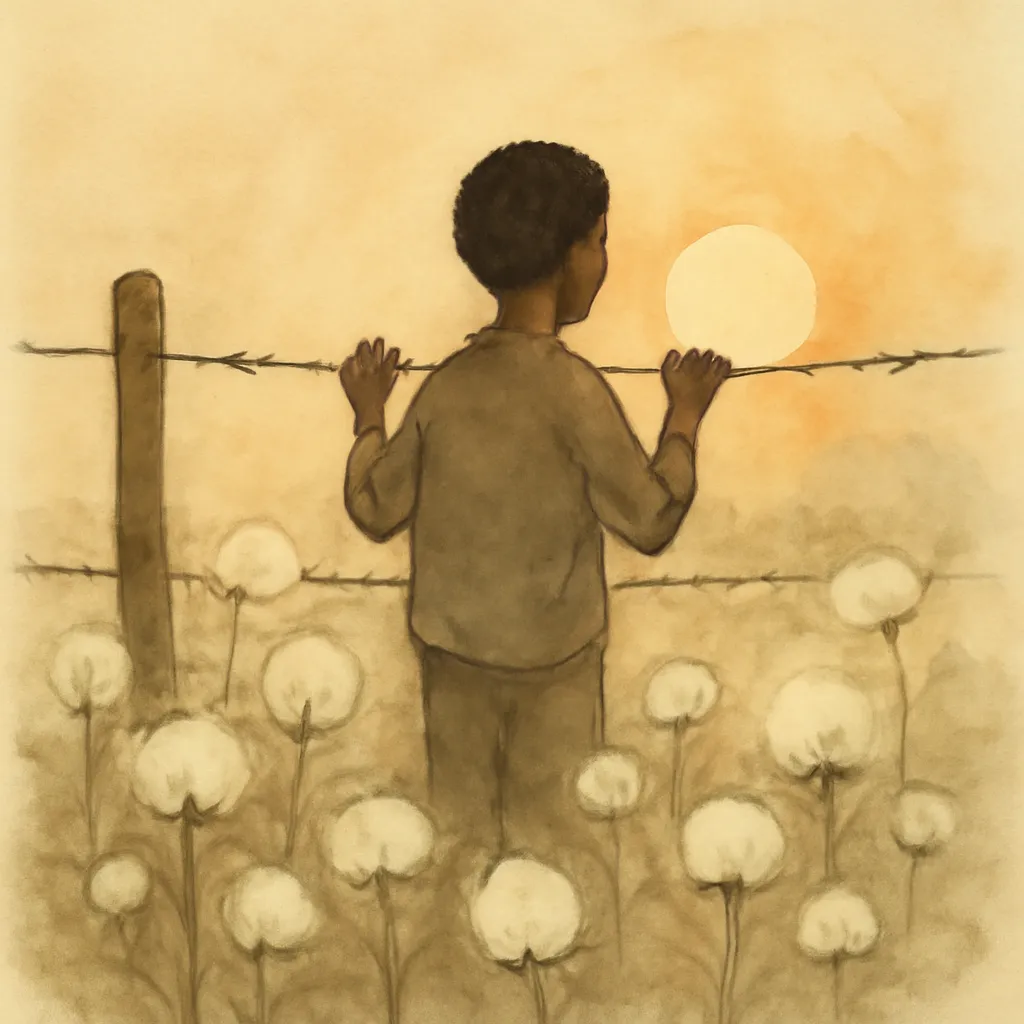
March stands out by grounding the sweeping events of the civil rights movement in John Lewis’s own coming-of-age story. Rather than a distant, textbook account, readers feel the urgency, fear, and hope experienced by those on the front lines. Lewis’s memories—his childhood on an Alabama farm, his first encounters with segregation, and his gradual awakening to activism—make the era’s stakes and sacrifices personal and relatable.
2.Nonviolence as a Philosophy and Strategy
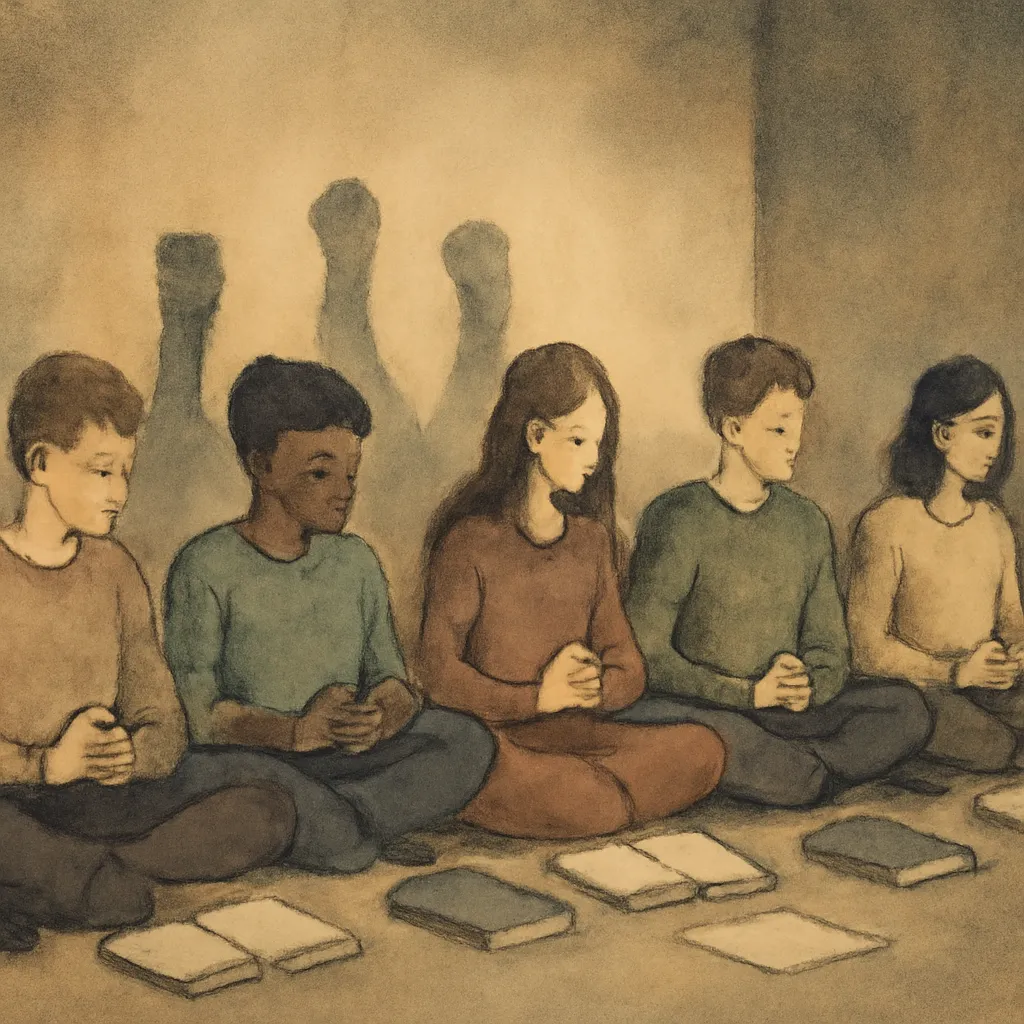
A central theme throughout March is the disciplined commitment to nonviolent protest. The trilogy explores how Lewis and his peers studied, debated, and practiced nonviolence, not only as a tactic but as a moral imperative. This approach is shown to require immense inner strength, especially when facing brutality, and the book demonstrates how nonviolence became both a shield and a weapon in the fight for justice.
3.Youth Leadership and Collective Action
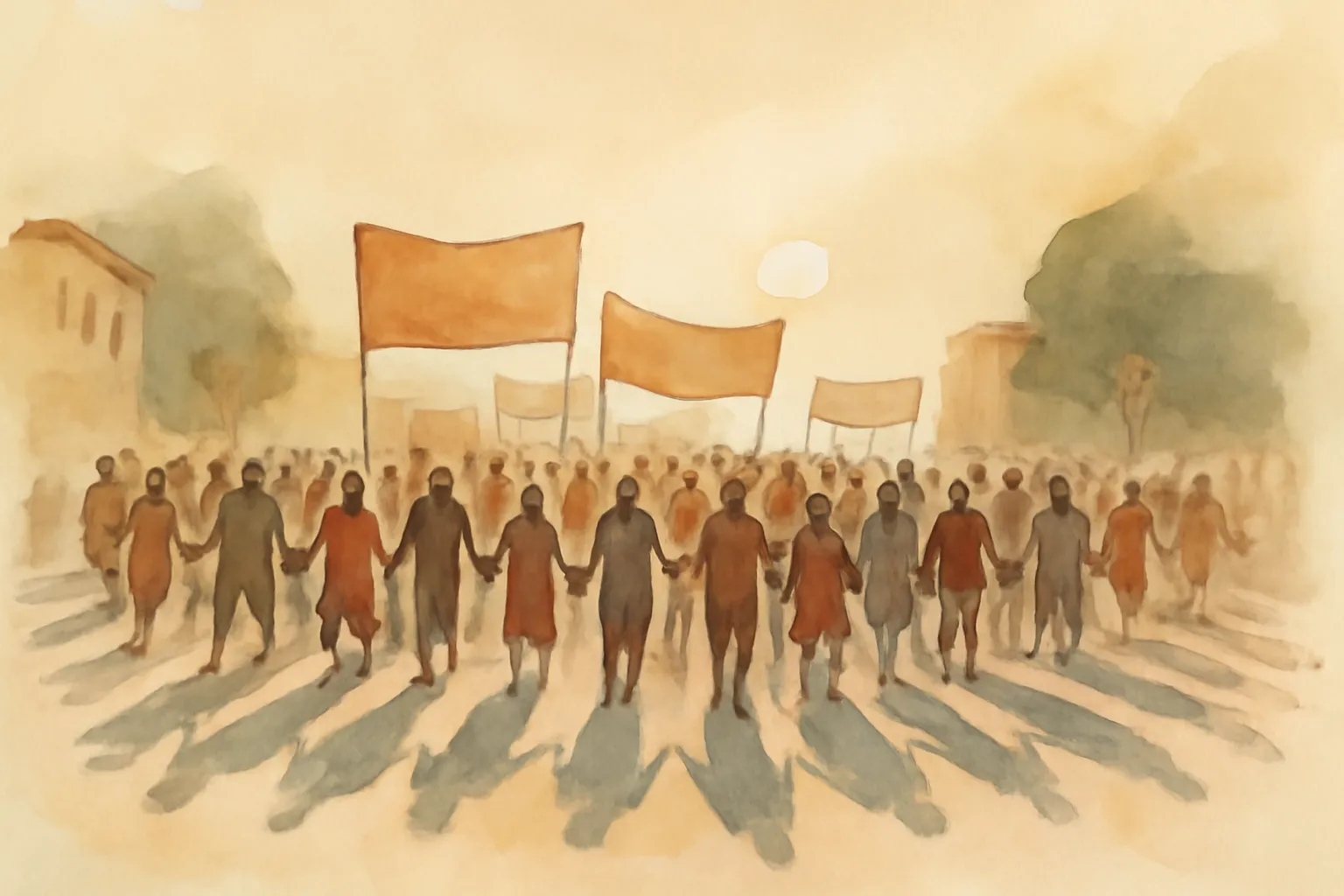
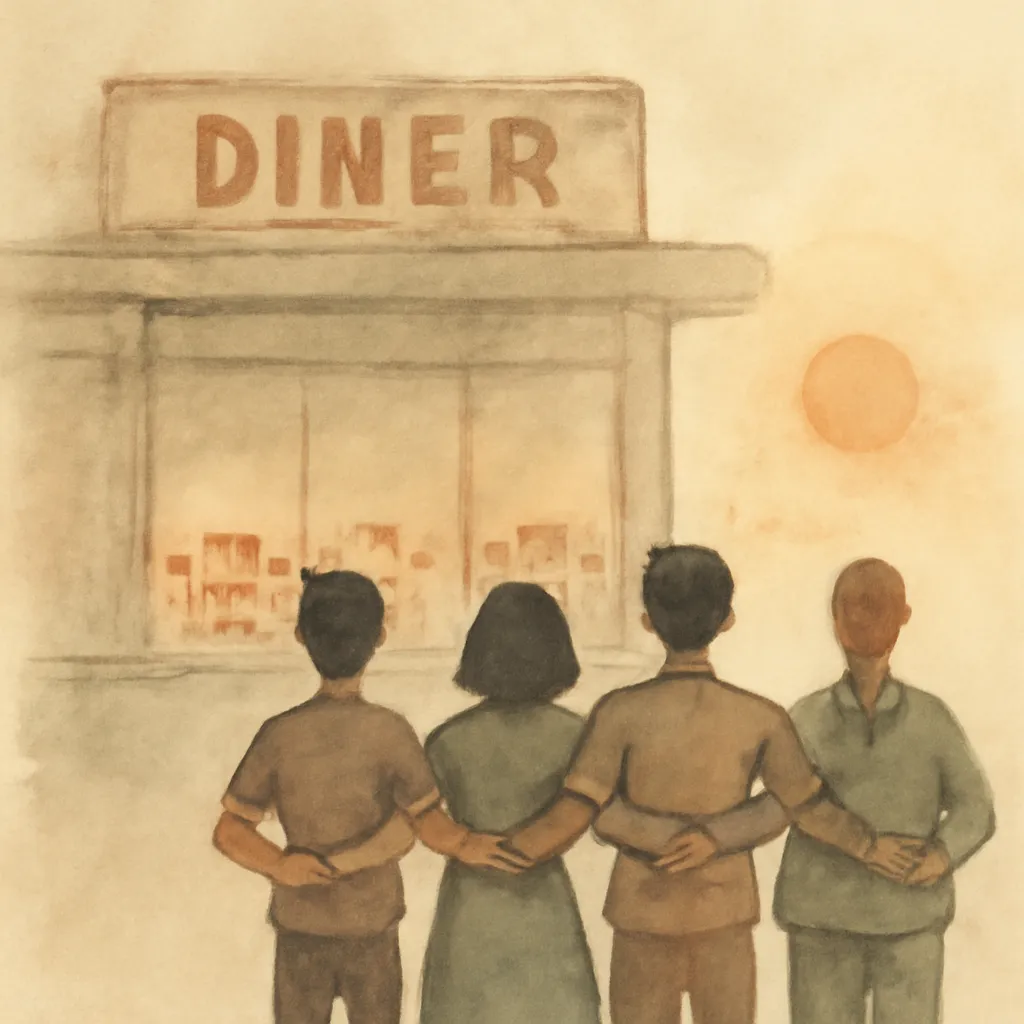
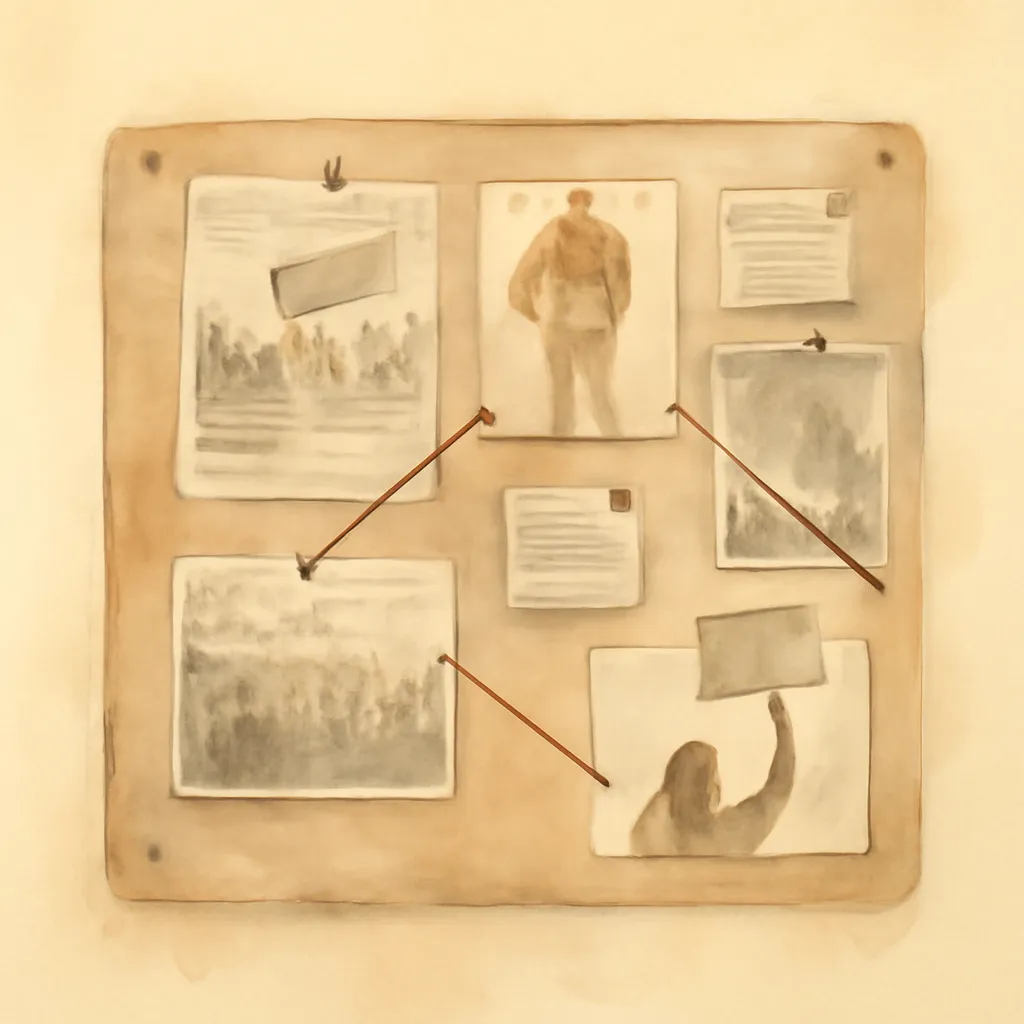
March highlights the pivotal role young people played in the civil rights movement. Lewis, barely out of his teens, emerges as a key leader among the Student Nonviolent Coordinating Committee (SNCC). The narrative underscores how collective action—sit-ins, Freedom Rides, marches—was powered by the courage, creativity, and resilience of youth who refused to accept the status quo.
4.The Power and Cost of Protest
The trilogy does not shy away from the violence and backlash faced by activists. Readers witness the physical and emotional toll of protests, arrests, and attacks, but also the solidarity and hope that sustained the movement. March makes clear that progress was hard-won and that each victory came at significant personal risk and sacrifice.
5.Legacy and Ongoing Relevance
By framing Lewis’s story with scenes from President Obama’s inauguration, March draws a direct line from the struggles of the 1960s to the present. The book invites readers to see the civil rights movement not as finished history, but as a living legacy that shapes—and challenges—America today. It asks new generations to consider their own roles in the ongoing fight for justice.
6.Visual Storytelling as Activism
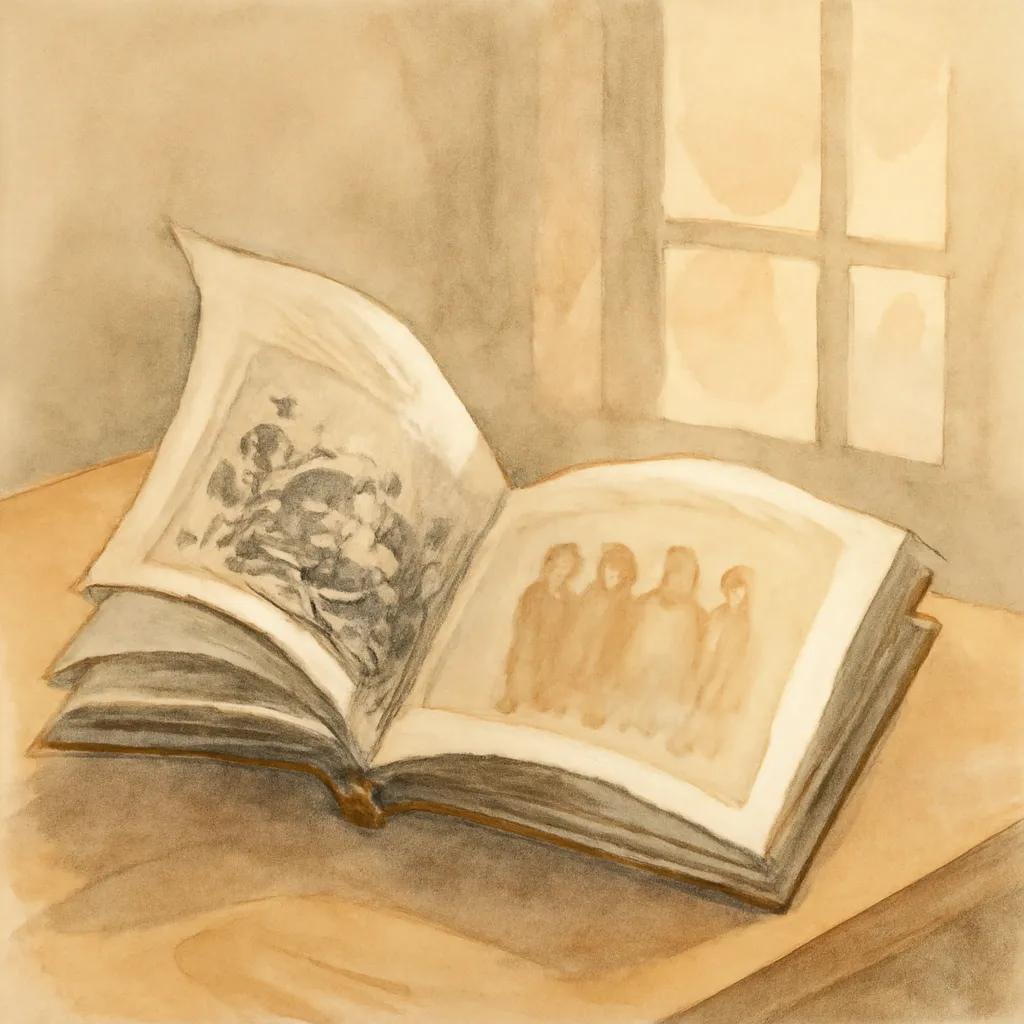
March uses the graphic novel format to powerful effect, with Nate Powell’s art capturing both the violence and the hope of the era. The visuals make complex events accessible and emotionally resonant, inviting readers to feel the tension, chaos, and triumphs alongside the characters. The format itself is a statement about making history accessible to all.