1.The Innocence of Youth
Marcia Schuyler begins as an innocent young girl, characterized by her dreamy nature and childlike wonder. In the opening chapters, she is depicted picking blackberries with visions of a new frock dancing in her mind, symbolizing her youthful aspirations and simplicity. This innocence is not just personal; it reflects a broader societal view of young women during the era, where their identities were often tied to familial roles and expectations. Marcia's daydreams and her closeness to nature illustrate a carefree spirit, but they also foreshadow the impending complexities of her life as she transitions from girlhood to the responsibilities of womanhood. Her interactions with her environment—whether climbing fences or admiring the beauty of the meadows—showcase the joy and freedom of youth, yet hint at the responsibilities that will soon encroach upon her idyllic existence.
2.The Weight of Family Expectations
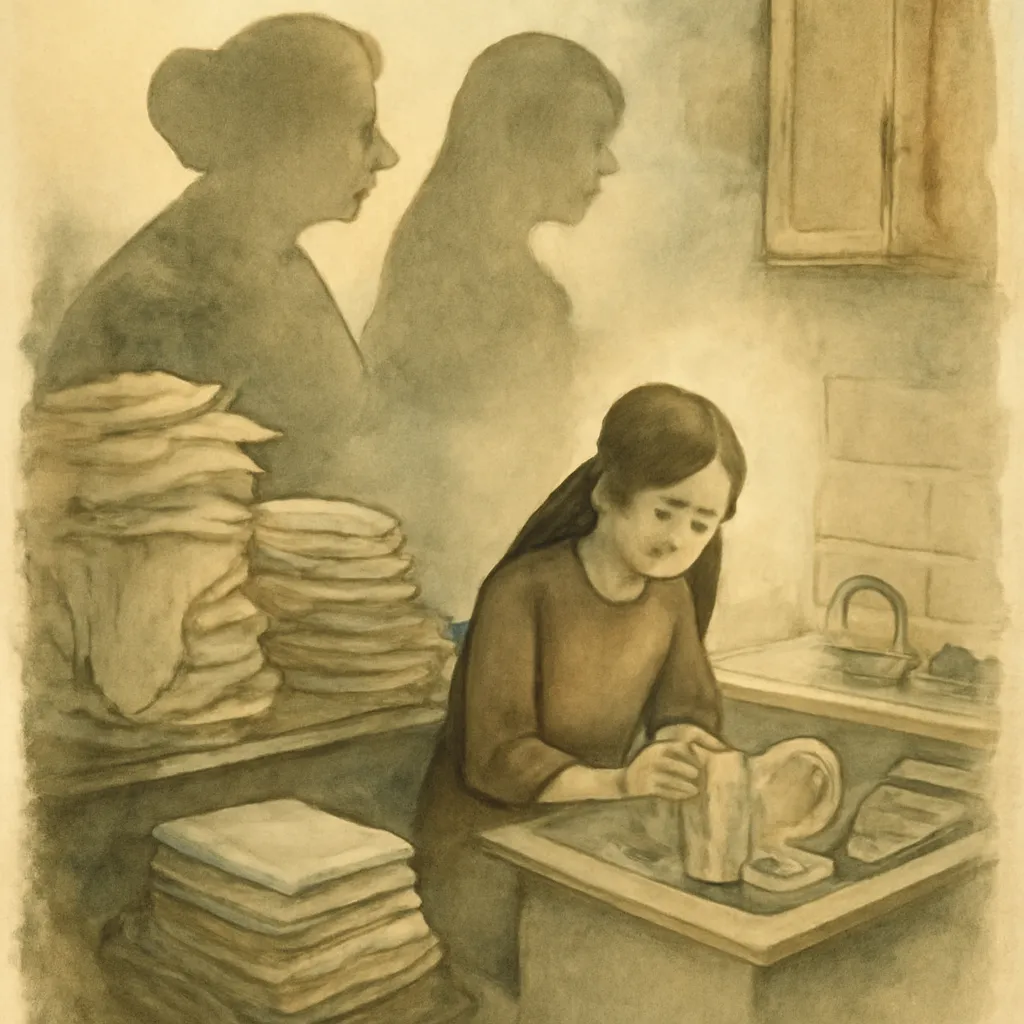
Marcia's life is heavily influenced by her stepmother and sister, who embody the expectations placed upon her. The looming wedding of her sister Kate casts a shadow over Marcia, as she is called upon to fulfill various domestic duties, highlighting the limited agency afforded to young women. The pressure to conform to familial expectations is palpable, particularly as the household prepares for the wedding, where Marcia is relegated to the role of helper rather than participant. This dynamic showcases the struggle many women faced during this period, where personal desires often clashed with family obligations, leading to internal conflict and a sense of lost identity. Marcia's wishes for recognition and her own sense of style are overshadowed by the demands of her family, illustrating how societal norms restrict personal freedom and enforce traditional gender roles.
3.A Mistaken Identity That Changes Everything
A pivotal moment in the story occurs when David Spafford, mistaking Marcia for her sister Kate, arrives unexpectedly. This incident not only serves as a catalyst for Marcia's transformation but also illustrates the theme of mistaken identity—both literally and metaphorically. David’s initial attraction to Marcia, seeing her as a reflection of Kate, complicates their relationship as Marcia grapples with her feelings for him. The moment is charged with tension as Marcia must navigate her own desires while being caught in the web of her sister's choices. This mistaken identity forces Marcia into a position of self-examination; she begins to understand what it means to be seen as a woman rather than a child. This transition is critical as it sets the stage for her future choices and demonstrates the impact of external perceptions on individual identity.
4.The Burden of Sacrifice
When Kate's actions lead to a scandal that disrupts the wedding plans, Marcia finds herself in an unexpected position of sacrifice. Her decision to marry David in her sister's stead is a poignant moment that reflects the theme of selflessness and duty. Marcia's willingness to step into a role that was not originally hers speaks to her character's depth and maturity. This act of sacrifice is not without its emotional toll; it forces Marcia to confront her own feelings of love and loyalty, raising questions about the nature of true love and the sacrifices one must make for family. As Marcia navigates her feelings of abandonment and betrayal, she learns that love often requires difficult choices that can lead to personal growth. This theme of sacrifice highlights the complexities of familial relationships and the lengths individuals will go to preserve family honor and unity.
5.Navigating the Challenges of Marriage
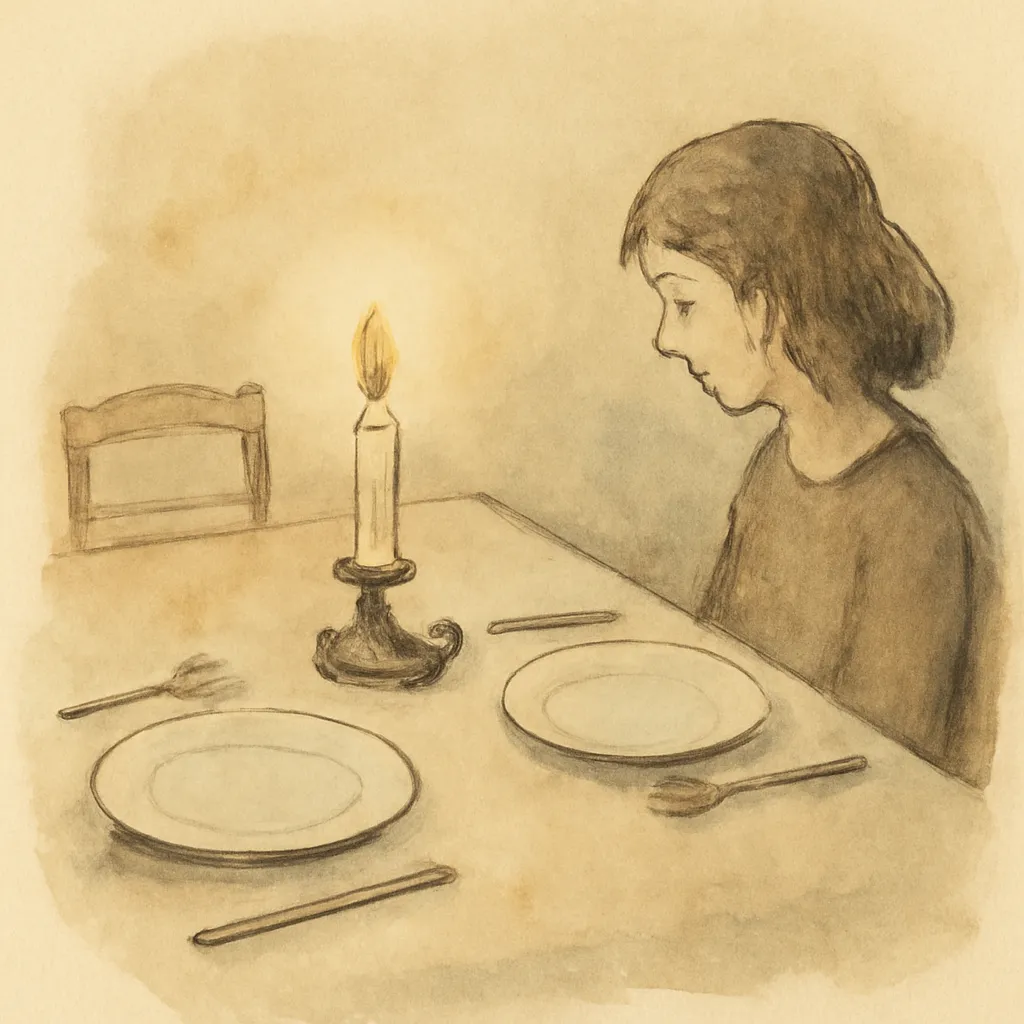
As Marcia embarks on her new life as David's wife, she quickly realizes that marriage is far more complex than she had imagined. The early days are marked by a sense of isolation and the struggle to connect with her husband, who is still mourning the loss of his first love, Kate. Marcia's attempts to bring warmth and joy into their home are met with David's emotional distance, highlighting the reality that love cannot be forced. This dynamic illustrates the challenges many couples face when entering marriage, particularly when one partner is grappling with unresolved feelings for someone else. Marcia's journey becomes one of self-discovery as she learns to navigate her new role and the intricacies of her relationship. Through her efforts to create a loving home for David, she matures and discovers her own strength and resilience, ultimately transforming her marriage into a partnership based on mutual respect rather than obligation.
6.The Evolution of Marcia's Character
Throughout the story, Marcia undergoes significant personal growth as she learns to assert herself and find her place in the world. Initially portrayed as a passive character, her experiences force her to confront her own desires and identity. This evolution is marked by moments of quiet strength, such as when she chooses to embrace her responsibilities as a wife despite her initial trepidation. As she interacts with David and his family, Marcia's confidence begins to blossom, revealing her inner resilience. This transformation is emblematic of the broader theme of self-actualization, as Marcia learns that her worth is not solely defined by her relationships with others but also by her own sense of self. Her journey reflects the universal struggle of finding one's identity amidst the chaos of life, making her a relatable protagonist whose growth resonates with readers.
7.The Impact of Societal Norms
The societal norms of the time play a significant role in shaping Marcia's experiences and choices. The expectations placed upon women to marry well and fulfill domestic roles are ever-present, influencing how Marcia perceives her own worth. This societal pressure is evident in her interactions with David's family, particularly the aunts who embody traditional views of womanhood. Their scrutiny and judgment serve as a reminder of the limitations imposed on women, reinforcing the idea that personal happiness often comes second to societal approval. The narrative critiques these norms, illustrating the tension between individual desires and societal expectations, a theme that remains relevant today. Marcia's struggle to balance her own aspirations with the rigidity of societal norms serves as a profound commentary on the ways in which women have historically been constrained by the expectations of their time.
8.The Complexity of Love
At the heart of 'Marcia Schuyler' is the exploration of love in its many forms. Marcia's love for David is complicated by the shadow of her sister's betrayal, and she must reconcile her feelings with the reality of her situation. The narrative delves into the nuances of love, from the innocent affection Marcia holds for David to the profound loyalty she feels towards her family. This complexity is further highlighted by the presence of Kate, whose actions reverberate throughout the story, affecting both Marcia and David. The exploration of love as a multifaceted emotion underscores the idea that love is not always straightforward; it can bring joy, pain, and sacrifice, often all at once. Marcia's internal conflict about her feelings for David and her loyalty to Kate reveals the intricate dynamics of love, demonstrating how it can be both a source of strength and a cause of turmoil.
9.The Role of Friendship and Community
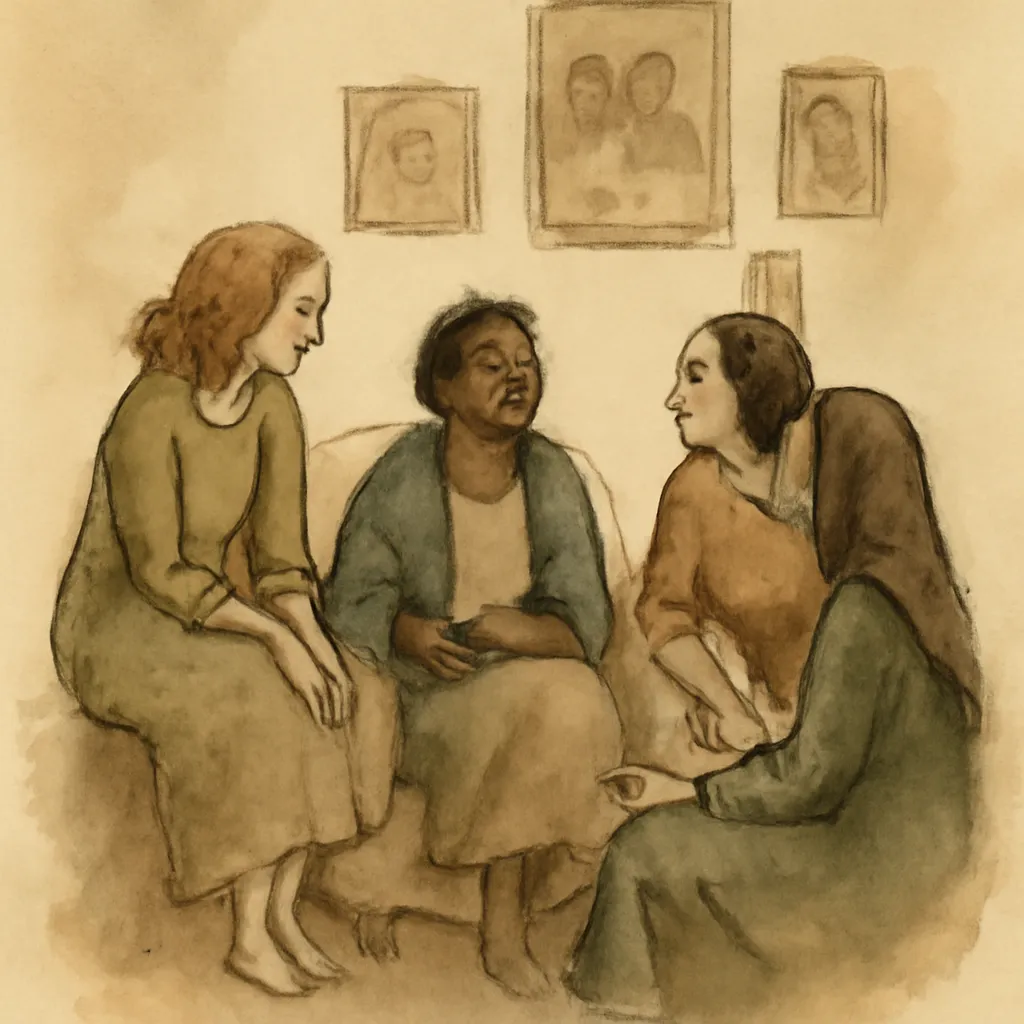
Friendship and community play a vital role in Marcia's journey, providing her with support and solace in times of turmoil. Characters such as Miranda and the aunts serve as both comedic relief and sources of wisdom, illustrating the importance of female companionship in navigating life's challenges. These relationships offer Marcia a sense of belonging and reinforce the idea that women can uplift one another in times of need. The communal aspect of the story highlights the interconnectedness of their lives, reminding readers that individual struggles are often shared within a larger context. This theme resonates with the notion that community can be a source of strength and resilience, particularly for women who may otherwise feel isolated by societal expectations. Marcia's interactions with her peers and family members emphasize the significance of solidarity and support among women, providing a counterbalance to the pressures they face.
10.The Consequences of Choices
The novel emphasizes the far-reaching consequences of choices made in moments of desperation and emotion. Kate's decision to elope with Captain Leavenworth sets off a chain reaction that alters the lives of everyone involved, particularly Marcia and David. Their marriage, born out of a sense of obligation rather than pure love, serves as a poignant reminder of how choices can shape destinies in unexpected ways. As Marcia grapples with the implications of her decision, the narrative poses critical questions about agency, responsibility, and the weight of one's choices. This theme resonates throughout the story, illustrating that every decision carries the potential for profound impact, both for oneself and for others. The interplay between free will and the constraints of circumstance serves as a reminder of the complexity of human experience, where choices can lead to both joy and heartache.