1.Visionary Leadership Amid Turmoil
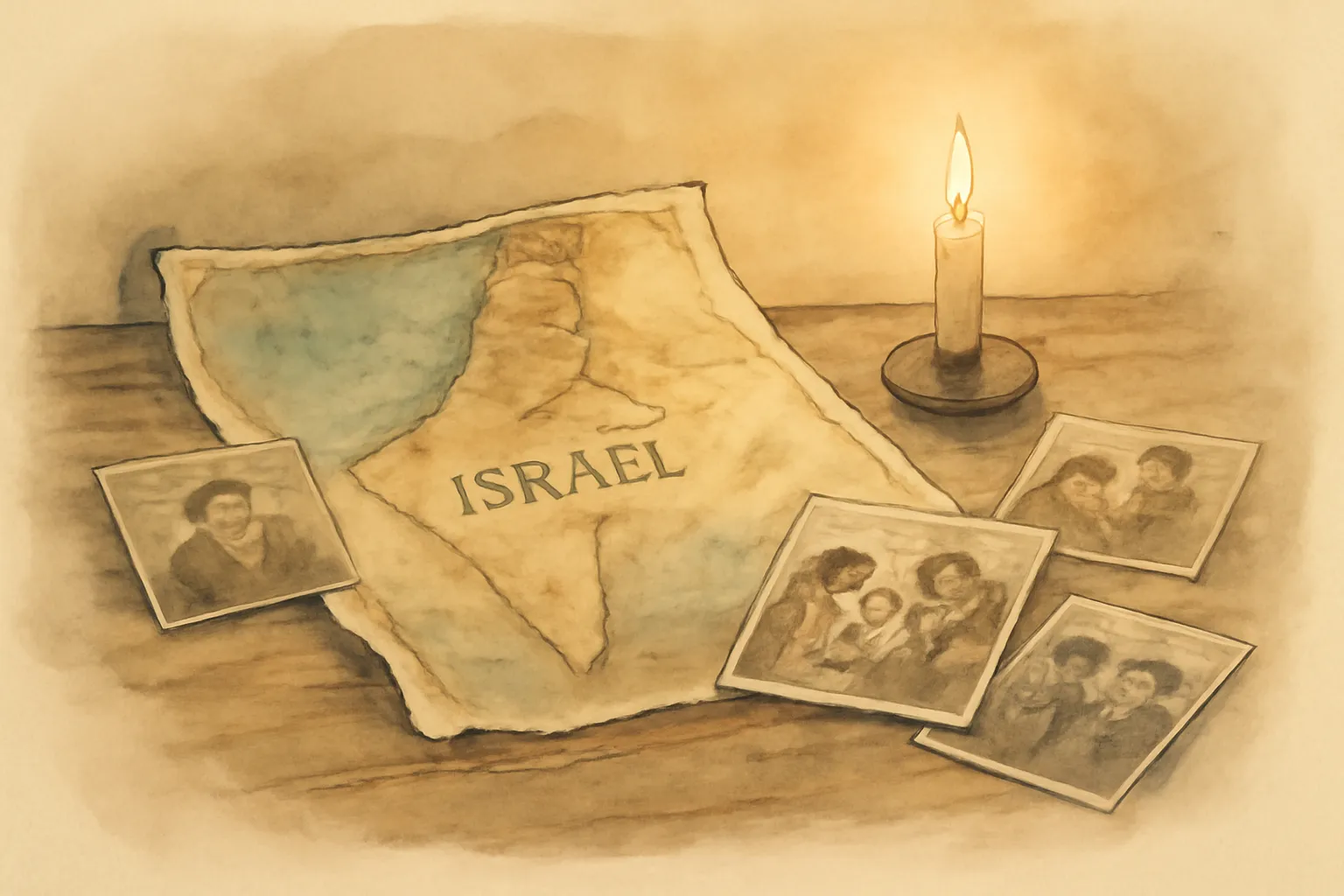
Ben-Gurion’s Memoirs highlight the importance of steadfast vision in times of uncertainty. He recounts how his unwavering commitment to a Jewish homeland guided his decisions, even when faced with fierce opposition, internal divisions, and global skepticism. The narrative illustrates that leadership often requires balancing idealism with pragmatism, especially when forging a new nation from disparate communities and under existential threat.
2.The Moral and Practical Dilemmas of Statehood
A recurring theme is the tension between moral ideals and political necessity. Ben-Gurion openly discusses the difficult choices involved in state-building, such as negotiating with world powers, responding to Arab opposition, and making compromises on territory and policy. He invites readers to consider how ethical considerations can—and sometimes must—intersect with realpolitik in the pursuit of national survival.
3.The Centrality of Jewish Identity and Unity
Throughout the memoir, Ben-Gurion stresses the importance of a shared Jewish identity as the bedrock of the Zionist project. He reflects on the challenges of uniting immigrants from vastly different backgrounds, languages, and traditions. The book underscores his belief that cultural cohesion and collective purpose were vital for the fledgling state’s resilience and success.
4.The Role of International Diplomacy
Ben-Gurion’s account sheds light on the critical role of international alliances and negotiations. He details the strategic relationships with Britain, the United States, and the Soviet Union, emphasizing the necessity of diplomatic agility. The memoir reveals how external support and recognition were as vital as internal resolve in achieving independence.
5.Personal Sacrifice and the Burden of Leadership
The memoir is candid about the personal costs of leadership. Ben-Gurion reflects on the loneliness, relentless pressure, and sacrifices required to lead a nation in crisis. He shares moments of doubt and fatigue, offering a humanizing perspective on the burdens borne by those at the helm of historic change.
6.Building Institutions for a New Society
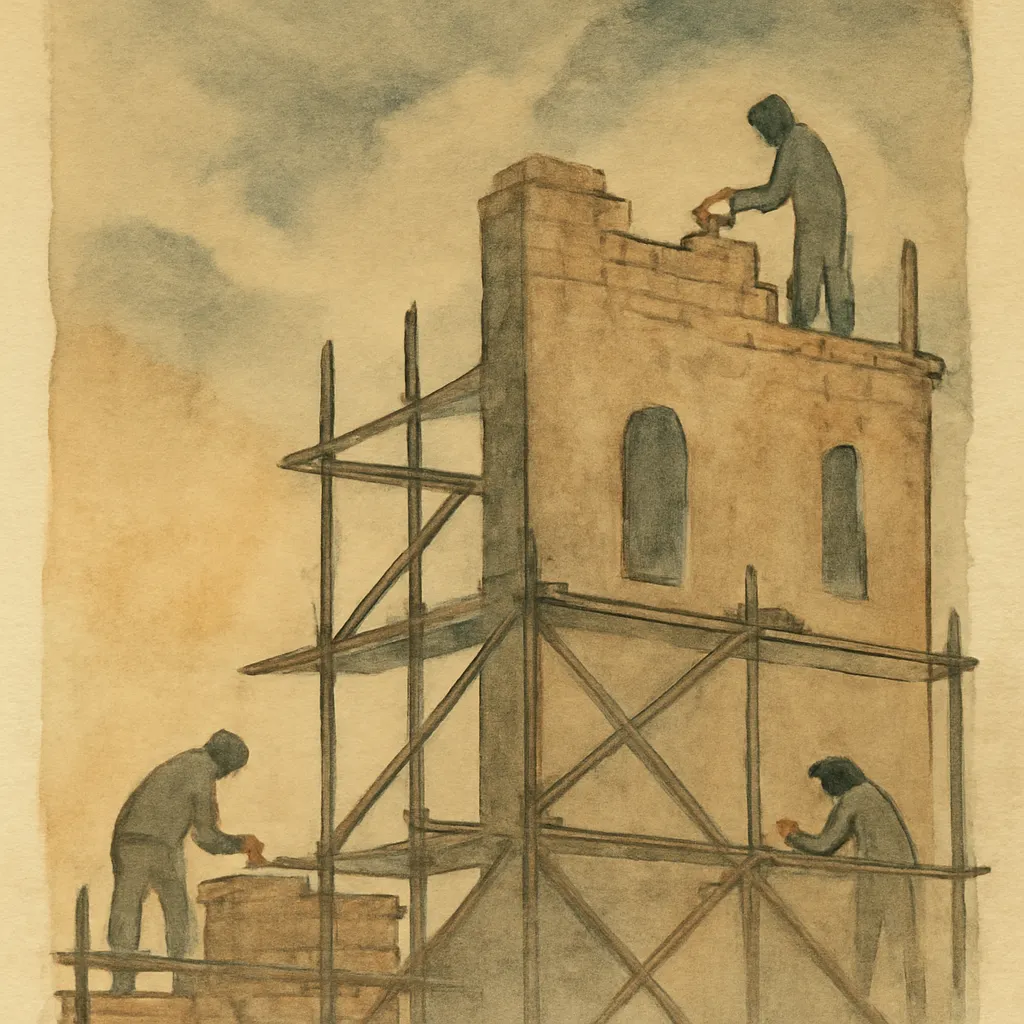
Ben-Gurion emphasizes the foundational work of creating democratic institutions, a national army, and a framework for social integration. He believed that the durability of Israel would depend not just on military victories, but on robust civic structures and a commitment to social justice and education.