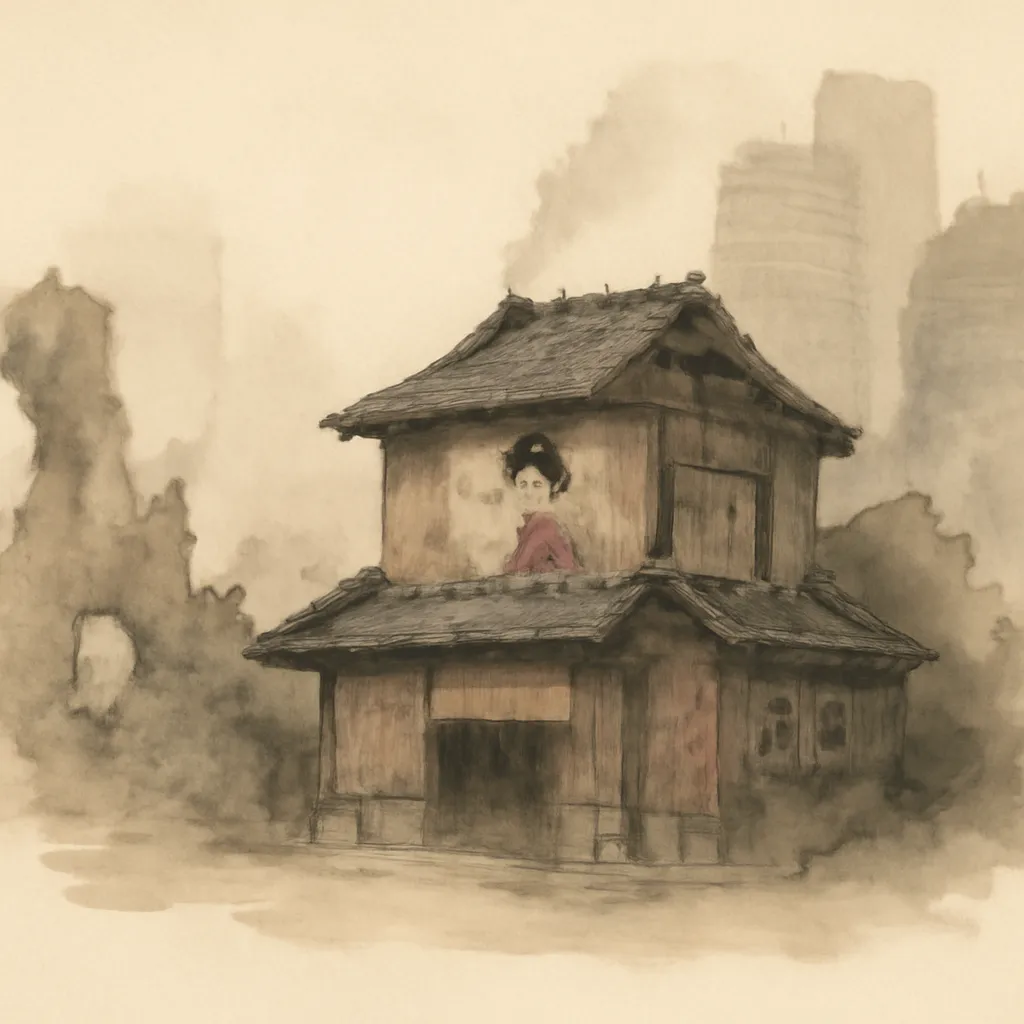
1.Transformation and Identity
Sayuri’s journey from a poor fisherman's daughter to a celebrated geisha is a story of continual transformation. The novel explores how identity is shaped by circumstance, training, and the expectations of others. Sayuri is forced to adapt, learning to mask her emotions and adopt the persona required of her. Her blue-gray eyes, both a blessing and a curse, symbolize her outsider status and the unique path she must forge. The narrative probes the tension between the self one is born with and the self one must become to survive.
2.Power, Beauty, and Commodification
Memoirs of a Geisha exposes the commodification of beauty and femininity in pre-war Japan. Geisha are trained to be living works of art, yet their value is often reduced to their ability to captivate wealthy patrons. The novel does not shy away from the transactional nature of relationships in the geisha world, where a girl's virginity is auctioned and every gesture is calculated. Through Sayuri’s experiences, the book critiques how women’s bodies and talents are both revered and exploited.
3.Rivalry and Female Relationships
The world of the geisha is intensely competitive, and Sayuri’s rivalry with Hatsumomo, a senior geisha, is a central conflict. Their antagonism highlights how women, constrained by limited opportunities, are often pitted against each other. Yet, the novel also portrays deep bonds of mentorship and friendship, particularly between Sayuri and Mameha, her benefactor. These relationships are complex, shaped by both affection and necessity.
4.Love Versus Duty
Sayuri’s longing for the Chairman represents the tension between personal desire and professional obligation. In a world where love is considered a dangerous illusion, Sayuri’s pursuit of genuine affection is both rebellious and risky. The novel interrogates the sacrifices required to pursue love in a society that prioritizes status, duty, and survival over individual happiness.
5.Cultural Change and Historical Upheaval
Set against the backdrop of pre- and post-World War II Japan, the novel traces the decline of the traditional geisha world as Western influences and war reshape society. Sayuri’s story becomes a lens through which to view the fragility of cultural traditions and the resilience required to adapt to sweeping change. The book invites readers to reflect on what is lost and what endures in times of upheaval.