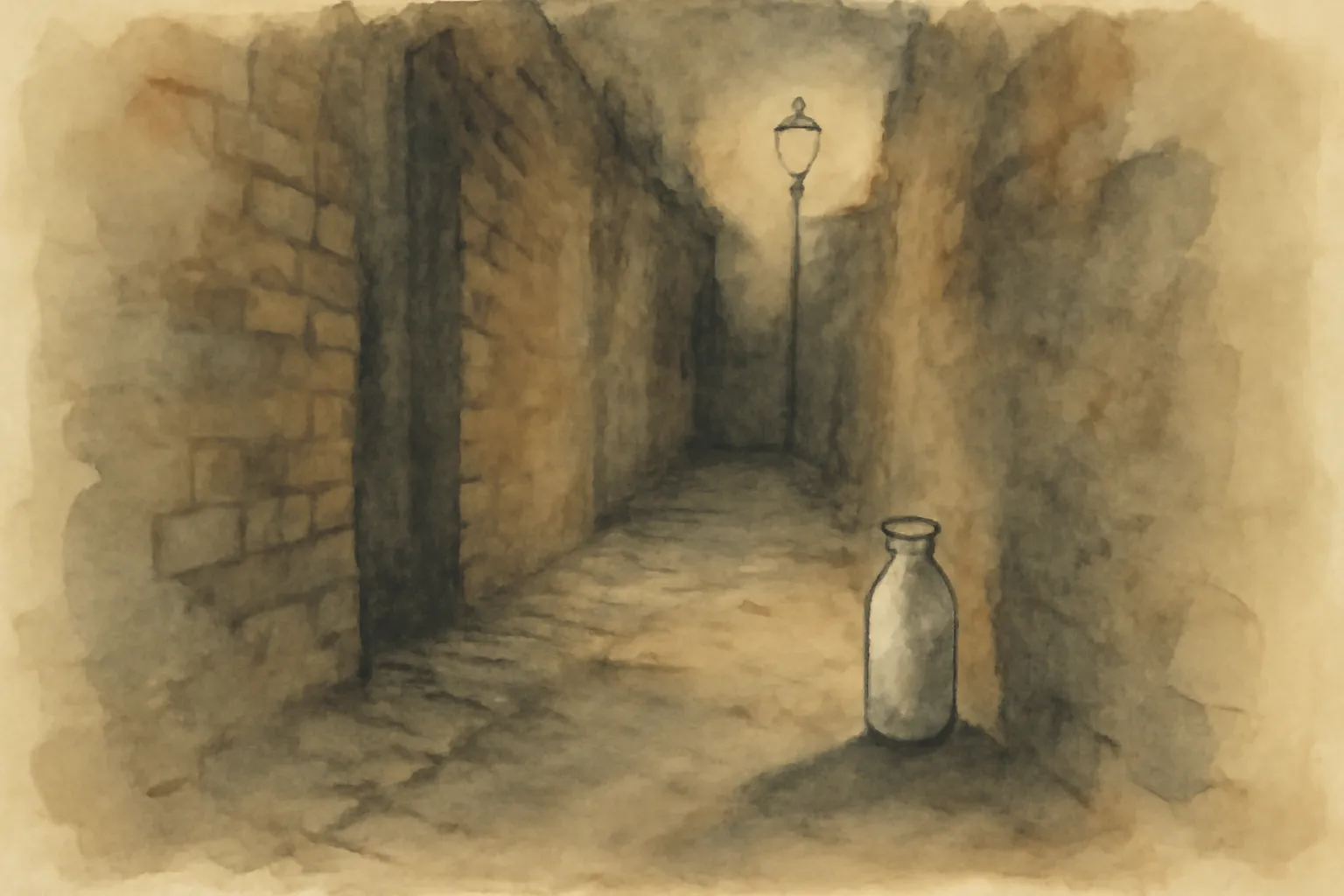
1.The Power of Rumor and Surveillance
Milkman explores how gossip and suspicion permeate every aspect of life in a tightly knit, divided community. The protagonist, known only as 'middle sister,' becomes the subject of damaging rumors after being noticed by the enigmatic Milkman, a figure of local menace. The book shows how surveillance—both official and informal—creates a culture of fear and conformity, where even innocent actions are suspect. This environment erodes trust and autonomy, illustrating the corrosive effects of living under constant watch.
2.Namelessness and Universality
Characters and places in Milkman are unnamed, referred to by roles or relationships (like 'maybe-boyfriend' or 'third brother-in-law'). This stylistic choice universalizes the story, making it less about specific individuals and more about the collective experience of oppression. The lack of names also reflects the erasure of personal identity under political and social pressures, emphasizing how conflict reduces people to their allegiances or rumors about them.
3.Gender and Power Dynamics
The novel scrutinizes the particular vulnerabilities of women in patriarchal, militarized societies. Middle sister’s experience of unwanted attention from Milkman—a powerful, threatening figure—highlights how women’s bodies and reputations become battlegrounds for control. Burns deftly shows how coercion and intimidation operate not just through overt violence, but through persistent, insidious pressure.
4.Language, Storytelling, and Silence
Burns’s prose is dense and elliptical, mimicking the way stories are told and retold within closed communities. The narrative style reflects both the difficulty of speaking openly and the necessity of coded communication. Silence becomes a survival strategy, but also a source of isolation. The novel asks what gets said, what remains unsaid, and how language itself can be both weapon and shield.
5.The Psychological Cost of Conflict
Milkman is less concerned with the external events of the Troubles than with their internal consequences. The protagonist’s anxiety, paranoia, and sense of alienation are symptoms of a society at war with itself. The novel powerfully conveys how protracted conflict seeps into the psyche, shaping not only what people do, but how they think and feel.
6.Resistance and Survival
Despite the oppressive environment, Milkman is also about resilience. Middle sister’s attempts to carve out a space for herself—through reading, running, or simply refusing to engage with the rumors—are acts of quiet resistance. The novel suggests that survival sometimes means not confrontation, but endurance and the preservation of inner life.