1.The Myth of Rationality
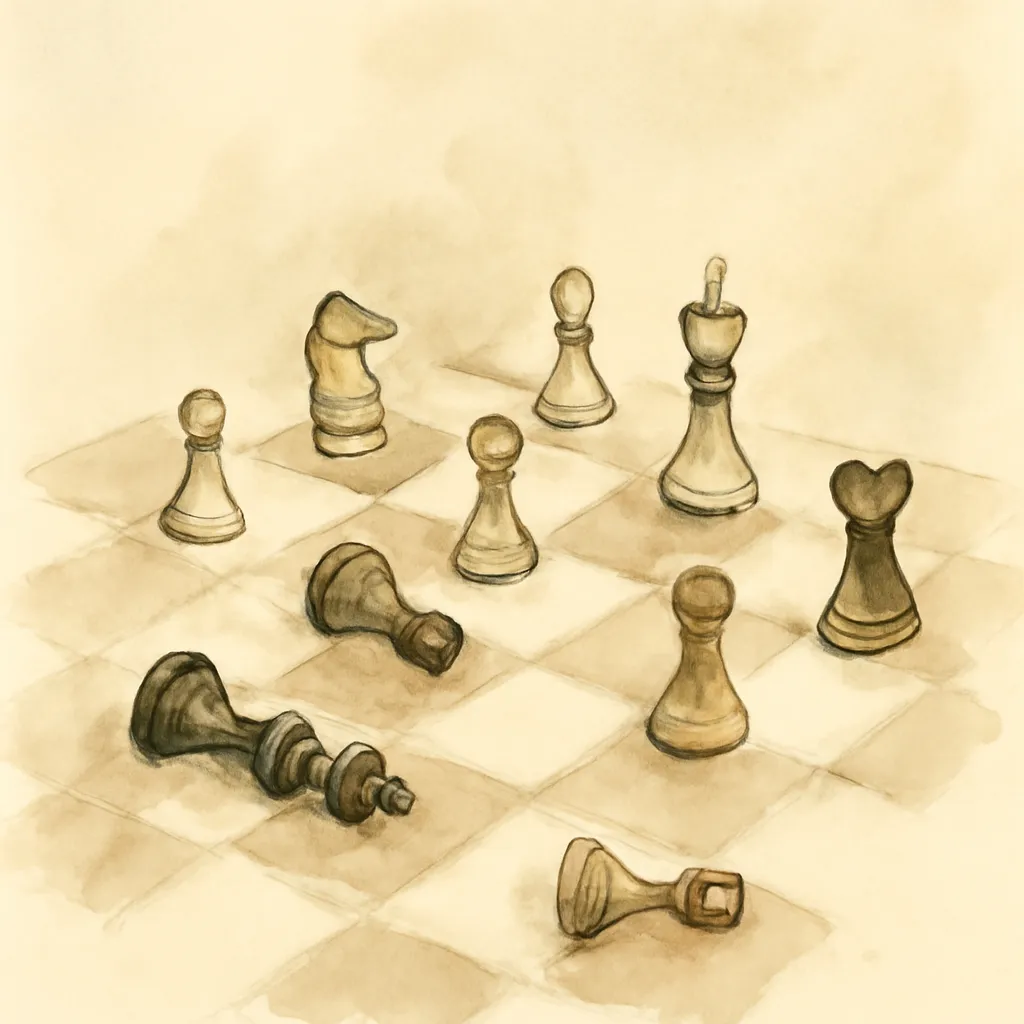
Traditional economics is built on the assumption that people act rationally, always maximizing their own benefit based on all available information. Thaler shows, through vivid stories and experiments, that real people consistently deviate from these expectations. We are influenced by emotions, context, and cognitive shortcuts, leading to systematic errors. Recognizing these deviations is essential for understanding real-world economic behavior.
2.The Birth of Behavioral Economics
Thaler traces the emergence of behavioral economics as a field that merges psychology with economics. He recounts the skepticism and resistance from mainstream economists, who saw human 'misbehavior' as irrelevant noise. Thaler and his collaborators, however, demonstrated that these quirks are not only common but predictable, and that ignoring them leads to flawed models and policies.
3.Mental Accounting
One of Thaler’s key contributions is the concept of mental accounting: people treat money differently depending on its source or intended use, rather than seeing all dollars as equal. This explains behaviors like splurging with a tax refund or being reluctant to sell losing stocks. Mental accounting helps explain why people often make inconsistent or suboptimal financial choices.
4.Nudges and Choice Architecture
Thaler introduces the idea that small changes in how choices are presented—'nudges'—can have outsized effects on behavior. By designing better choice environments, such as default options for retirement savings, policymakers and businesses can help people make decisions that are more aligned with their own long-term interests, without restricting freedom of choice.
5.The Endowment Effect and Loss Aversion
People value things they own more than equivalent things they do not own—a phenomenon called the endowment effect. Closely related is loss aversion: losses feel worse than equivalent gains feel good. Thaler shows how these biases shape everything from consumer behavior to stock market dynamics, and why understanding them is crucial for effective policy and business strategies.
6.Behavioral Insights in Policy and Markets
Thaler details how behavioral economics has moved from academic curiosity to practical tool, influencing everything from government policy (like organ donation defaults) to corporate strategy. By acknowledging and leveraging human quirks, institutions can design interventions that lead to better outcomes for individuals and society.