1.Obsession and the Dark Side of Fandom
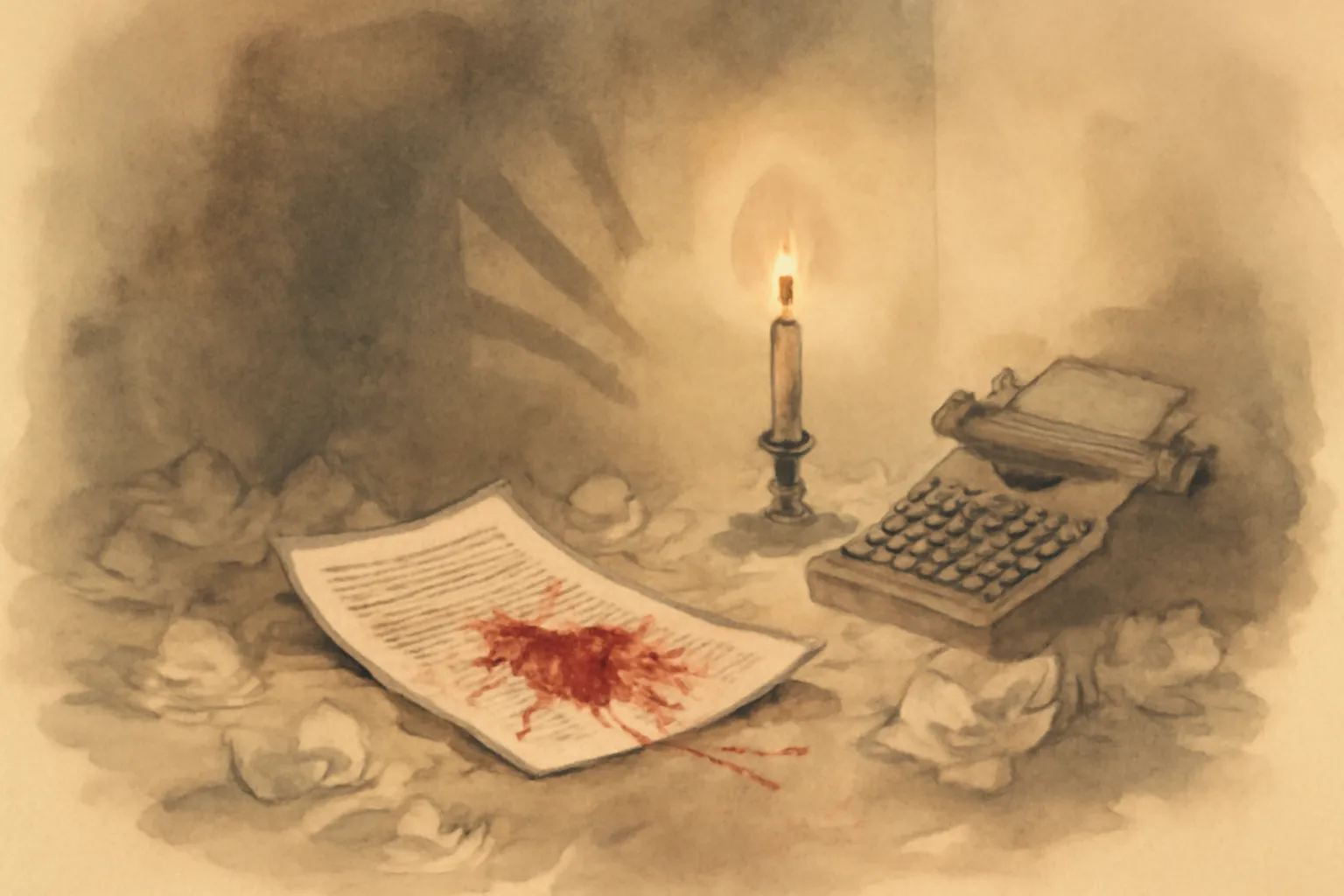
Misery examines the dangerous extremes of fandom through Annie Wilkes, who takes her love for Paul Sheldon's books to a violent, possessive level. Annie's obsession is both a personal pathology and a commentary on how fans can feel entitled to control the narrative and the creator. The novel asks what happens when admiration turns toxic, exploring the blurred line between devotion and domination.
2.Imprisonment and Survival
The physical and psychological imprisonment of Paul Sheldon is central to the novel. King uses the isolated setting and Paul's injuries to heighten the sense of vulnerability and desperation. The story becomes a study in survival, as Paul must use his wits, creativity, and willpower to endure Annie's escalating threats. The tension is relentless, forcing readers to confront what they might do in his place.
3.Art, Creation, and Control
Misery is also a meditation on the act of writing itself. Forced to resurrect his most famous character under duress, Paul faces the loss of artistic control and the pressure to please an audience. This dynamic serves as a metaphor for the relationship between creators and their fans, and the compromises and sacrifices inherent in producing popular art.
4.Addiction and Dependency
Both main characters struggle with forms of addiction: Paul with painkillers and Annie with her need for control. Their dependencies mirror and feed off each other, deepening the psychological complexity of their interactions. King draws on his own experiences with addiction to give these struggles authenticity and weight.
5.Isolation and Psychological Horror
The remote setting amplifies the horror, making escape nearly impossible and intensifying the psychological torment. King uses isolation not just as a physical state, but as a metaphor for the loneliness and vulnerability of both creator and fan. The novel's horror is as much internal as external, rooted in fear, helplessness, and the mind's capacity for both hope and despair.