1.The Allure of Simplicity
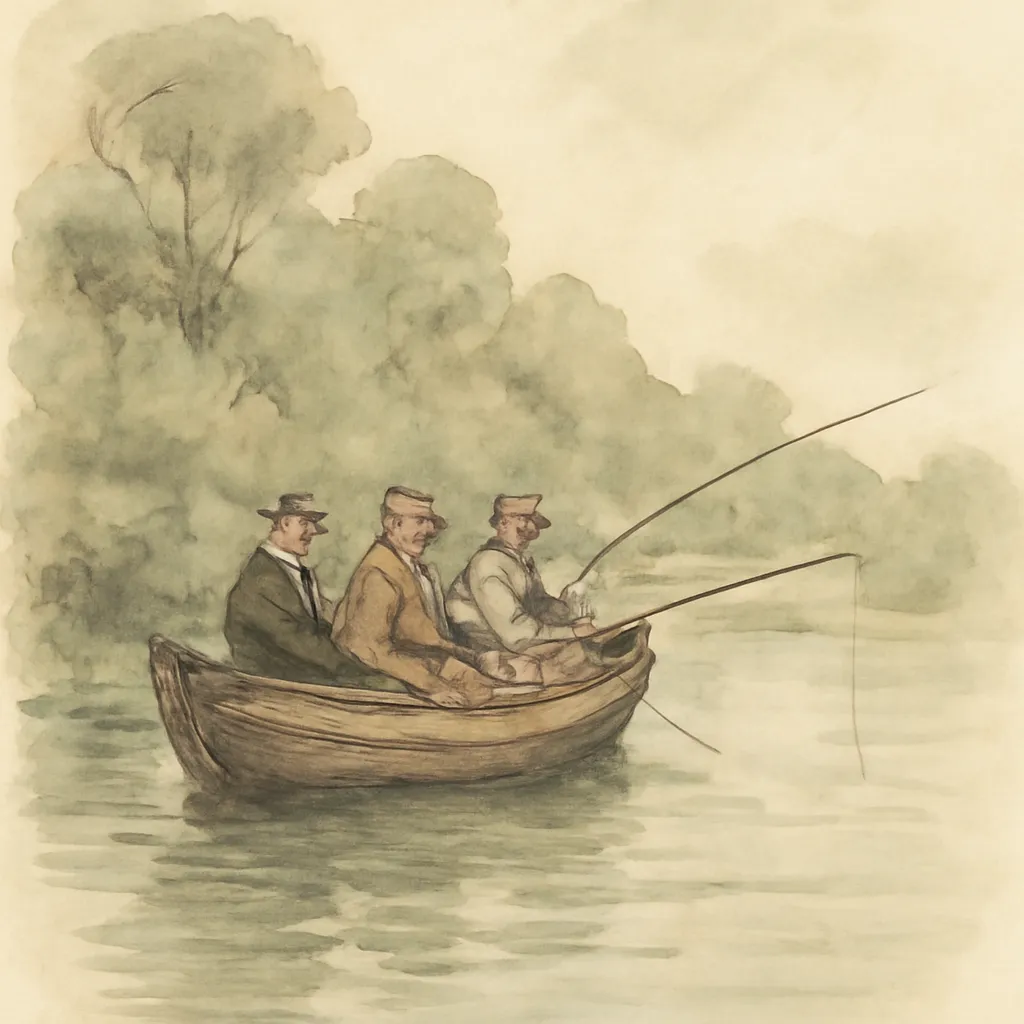
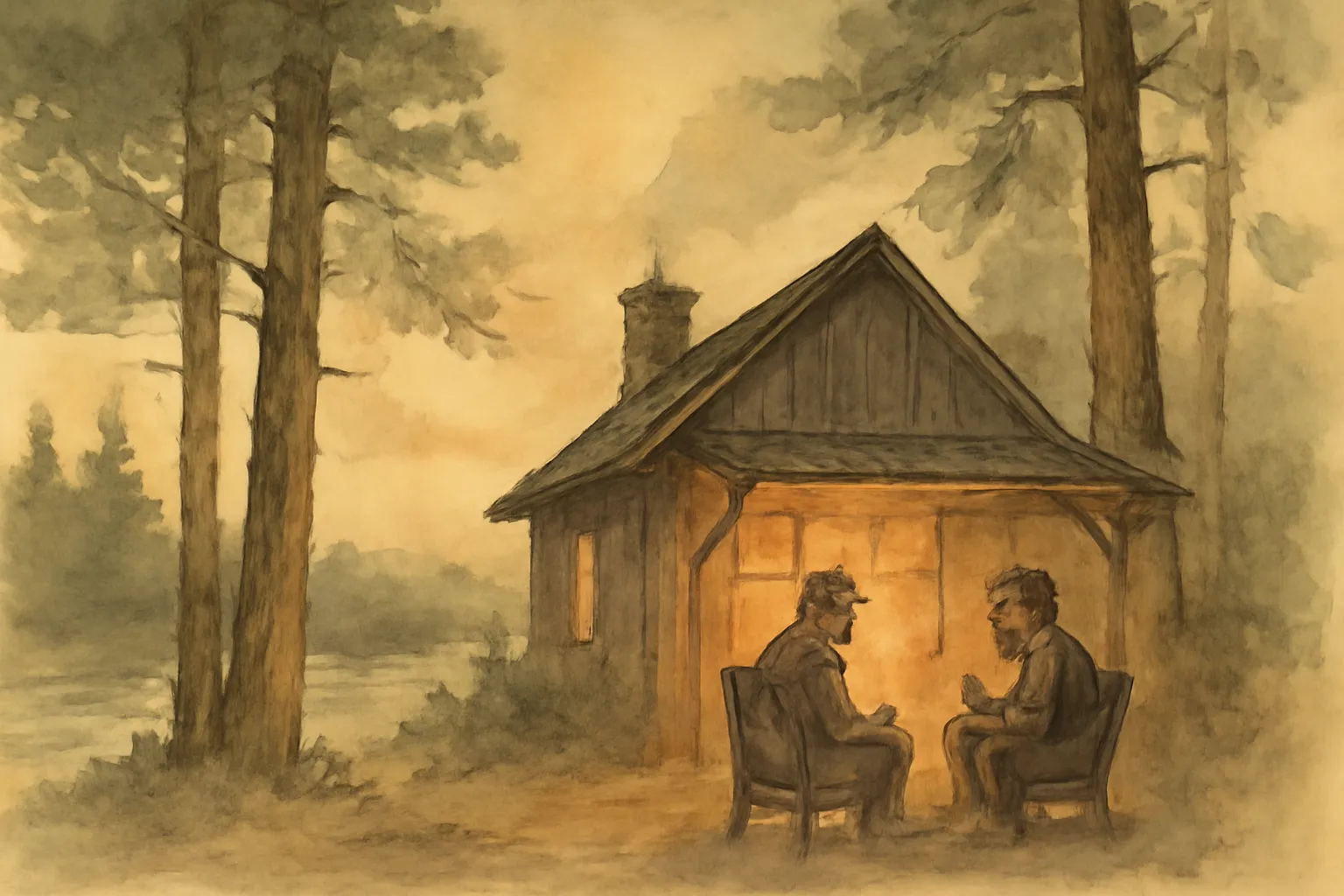
The narrative opens with a vivid depiction of a rustic lodge frequented by 'Old Gentlemen' who relish simplicity over extravagance. These men find joy in the uncomplicated pleasures of life—fishing, hunting, and sharing stories around the fire. Their disdain for the opulence of modernity sets the stage for Anne's internal conflict. While she admires their wisdom and experiences, she feels trapped in her mundane existence. This contrast between the old-fashioned values of the gentlemen and the emerging complexities of modern life reflects a broader commentary on the search for authenticity in a world increasingly driven by materialism. The Old Gentlemen's pride in their simple pursuits, such as enjoying hearty meals and recounting tales of past adventures, stands in stark contrast to the glittering lifestyles of the social elite, exemplified by characters like Evelyn Chesley. Their conversations, rich with anecdote and reflection, awaken in Anne a yearning for a life that feels more vibrant and meaningful than the confines of her role as a schoolteacher. This longing illustrates the novel's exploration of the tension between the allure of the past and the demands of the present.
2.Yearning for Connection

Anne's desire to join the Old Gentlemen at their convivial gatherings showcases her longing for deeper connections and experiences. Unlike Beulah, the Bowers' daughter, who is indifferent to the men's stories, Anne is captivated by their adventures and wisdom. This yearning is a central theme of the novel, as it illustrates Anne's struggle to break free from the confines of her role as a schoolteacher and embrace a more vibrant life. Her willingness to help in the kitchen during supper reflects her humility and desire to connect with those she admires. Yet, it also emphasizes her feelings of inadequacy, as she perceives herself as merely a servant in a world filled with more glamorous women. This inner conflict drives her character development throughout the story, as she seeks to reconcile her dreams with her reality. Anne's yearning for connection is heightened by her interactions with Geoffrey Fox, whose arrival stirs her emotions and ignites her imagination. Their initial conversations reveal a shared desire for authenticity and deeper understanding, further fueling Anne's wish to escape the mundane confines of her current life.
3.The Intriguing Arrival of Geoffrey Fox

The introduction of Geoffrey Fox, a young man writing a book, adds a layer of intrigue and complexity to Anne's life. His presence stirs Anne's emotions and ignites her imagination. She perceives him as a potential catalyst for change, someone who might help her break free from her mundane existence. Their initial interactions reveal a playful yet profound exchange about life, happiness, and the nature of storytelling. Geoffrey's self-deprecating remarks about his writing reflect a deeper struggle with authenticity and the desire for genuine connection. Their discussions often veer into philosophical territory, with Anne advocating for the belief that life is what we make it, while Geoffrey expresses skepticism about the simplistic notion of happiness. This dynamic not only illustrates the clash of ideals but also presents a microcosm of the broader themes of the novel, where ambition, creativity, and the quest for meaning intertwine. As Anne's feelings for Geoffrey deepen, she is forced to confront her own aspirations and the societal constraints that hinder her, leading to pivotal moments of self-discovery throughout the narrative.
4.The Burden of Class and Expectations
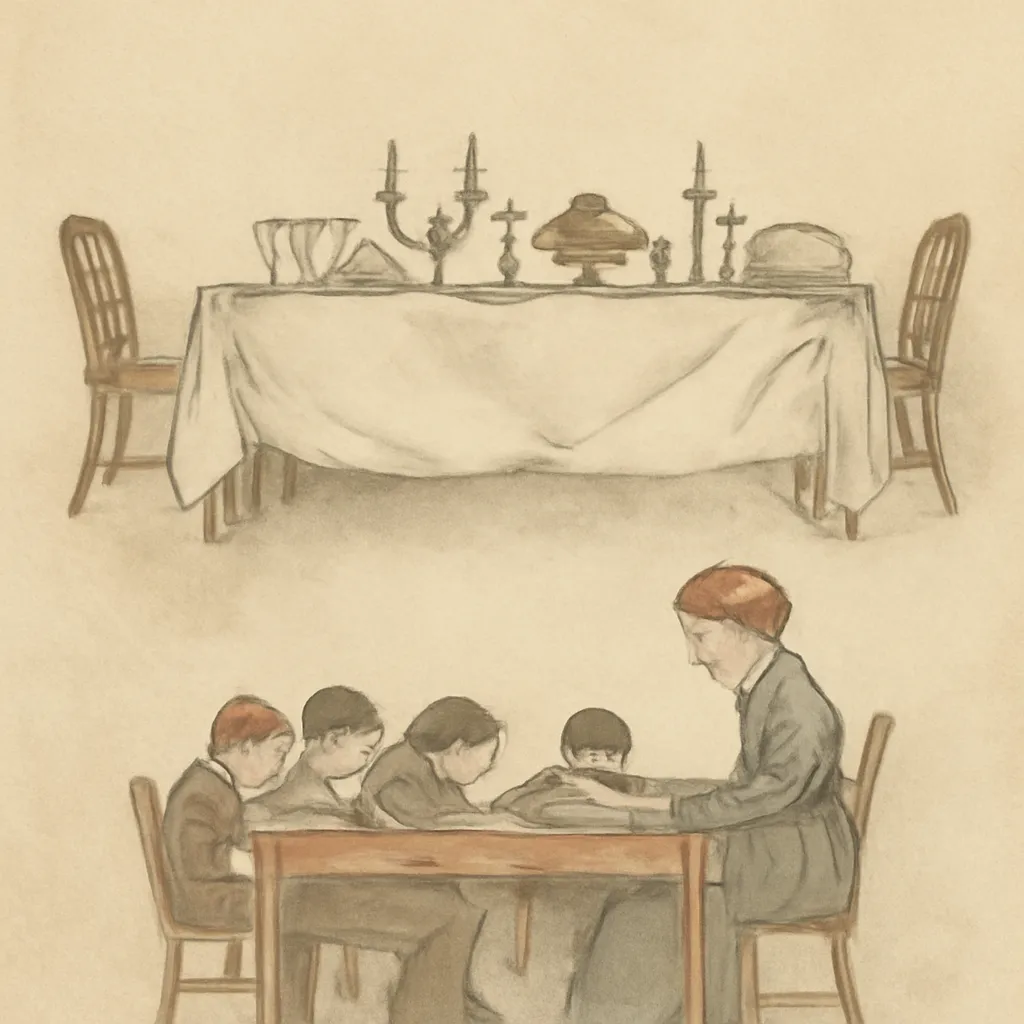
Bailey deftly explores the dynamics of class and societal expectations through the interactions between characters. Anne, as a schoolteacher, feels the weight of her social status in contrast to the affluent guests at the Bowers'. Her awareness of class differences is heightened by her encounter with Evelyn Chesley, a socialite who embodies the glamour and privilege that Anne longs for. Evelyn's dismissive attitude towards Anne's humble background serves as a reminder of the barriers that separate them. This theme of class distinction permeates the narrative, influencing Anne's decisions and relationships. As she grapples with her identity, the story raises questions about the true nature of worth and the impact of societal labels on personal fulfillment. Anne's struggle against the expectations placed upon her by her social class becomes a driving force in her character development, leading her to challenge the status quo and seek her own path. The contrasting perspectives of characters from different classes illuminate the broader societal commentary present in Bailey's work, emphasizing the need for introspection and the importance of breaking free from established norms.
5.The Complexity of Love

The novel intricately weaves the complexities of love through the interactions between Anne, Geoffrey, and Richard Brooks, a local doctor. Anne's initial fascination with Geoffrey evolves into a deeper emotional connection, while her relationship with Richard embodies the traditional expectations of love and duty. Richard's character represents the stability and security that society often deems appropriate for a woman like Anne. However, his commitment to his medical career and societal obligations creates a tension that complicates their relationship. The love triangle serves as a vehicle for exploring the different dimensions of affection—romantic, platonic, and societal. As Anne navigates her feelings for both men, she is forced to confront her desires and the sacrifices that come with them. Geoffrey embodies the artist's spirit, representing a life of passion and creativity, while Richard offers the comfort of familiarity and societal approval. This exploration of love highlights the struggle between personal happiness and societal norms, ultimately leading Anne to a pivotal decision about her future. The novel invites the reader to reflect on the nature of love and the choices we make in pursuit of our desires.
6.The Role of Education and Growth
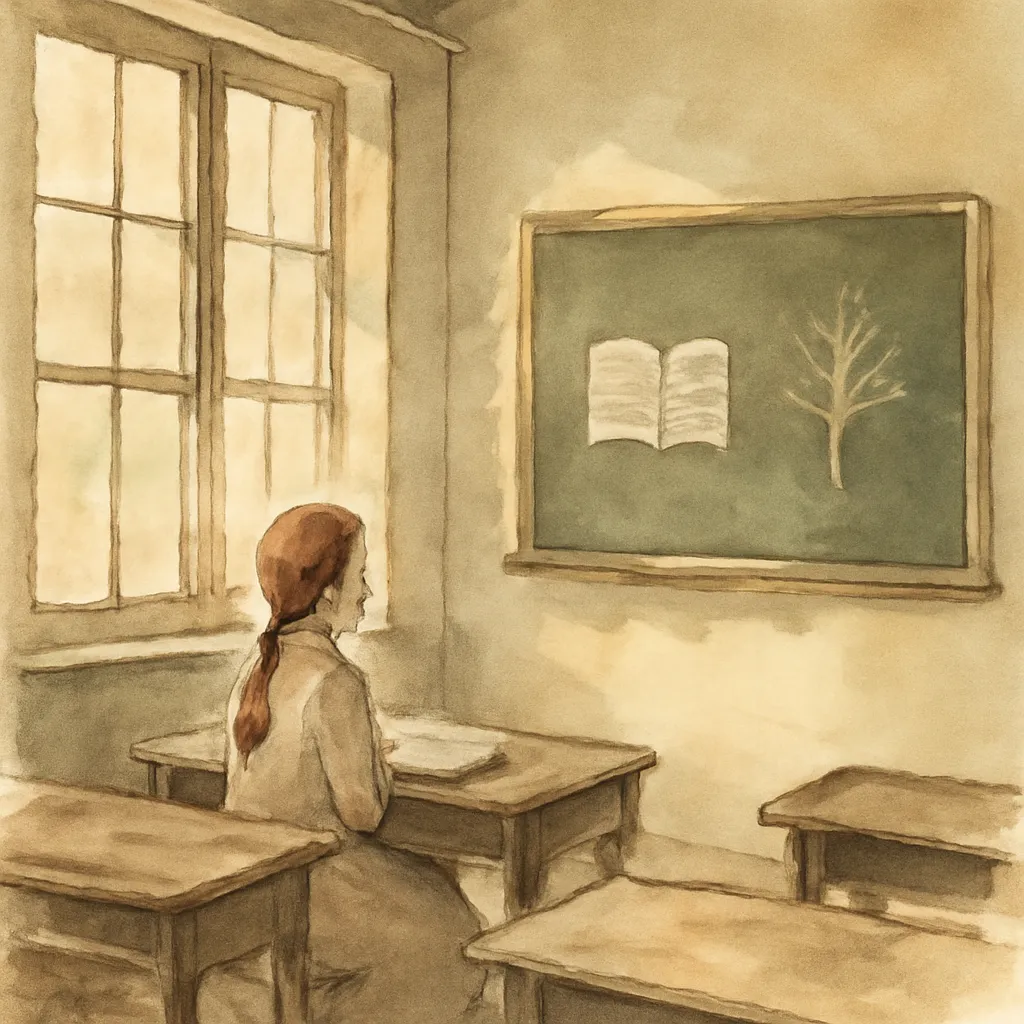
Education serves as a powerful motif in 'Mistress Anne,' representing both personal growth and societal expectations. Anne's role as a schoolteacher is not only a source of pride but also a reflection of her aspirations for a better life. Through her interactions with her students, she embodies the ideals of hope and inspiration, attempting to instill in them the belief that they can shape their own destinies. However, her own journey of self-discovery is fraught with challenges as she grapples with the limitations imposed by her social status. The contrast between her aspirations and the reality of her circumstances underscores the importance of education as a means of empowerment. Anne's experiences in the classroom serve as a microcosm of her larger struggle for identity, illustrating how education can be a transformative force in one's life. As she encourages her students to embrace their potential, Anne's own growth becomes intertwined with their success, leading to a profound realization about the power of knowledge and the importance of believing in oneself.
7.The Impact of Illness and Vulnerability
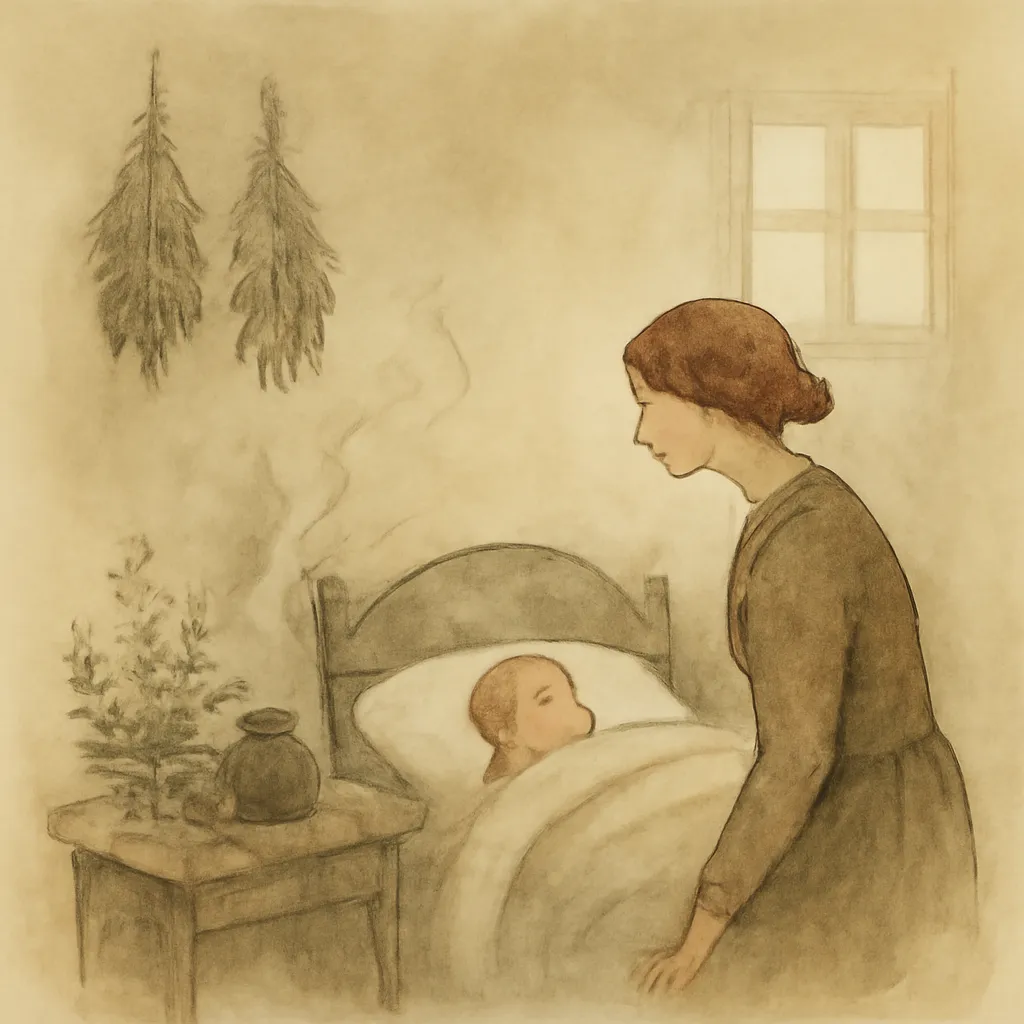
The theme of illness and vulnerability emerges as a significant aspect of the narrative, particularly through the character of Peggy, who falls ill with measles. The outbreak affects the entire community, forcing Anne to confront the fragility of life and the interconnectedness of human experiences. Richard's role as a doctor during this crisis highlights the importance of compassion and care in times of hardship. As he navigates the challenges of his profession, the narrative emphasizes the emotional toll that illness takes on both patients and caregivers. This theme resonates deeply with Anne, who witnesses the vulnerability of those around her and reflects on her own desires for love and connection. The shared experience of illness serves as a catalyst for character development, prompting Anne to reevaluate her priorities and the relationships that matter most in her life. It also deepens the bond between Anne and Richard, as they navigate the complexities of caring for those in need, blurring the lines between personal and professional responsibilities.
8.The Struggle for Identity and Self-Acceptance

Throughout the novel, Anne's journey is marked by a profound struggle for identity and self-acceptance. She grapples with societal expectations that dictate how she should behave and who she should aspire to be. Her interactions with Geoffrey and Richard force her to confront the dichotomy between her dreams and the reality of her situation. As she navigates her feelings for both men, Anne is challenged to define herself outside of the roles imposed upon her by society. This internal conflict culminates in a moment of clarity where she must choose between the safety of conformity and the risk of pursuing her true desires. Bailey's portrayal of Anne's struggle resonates with readers, as it reflects a universal quest for authenticity in a world filled with external pressures. Her journey toward self-acceptance becomes a powerful testament to the importance of embracing one's true self and the courage it takes to defy societal norms in pursuit of personal happiness. Anne's transformation ultimately serves as a beacon of hope for anyone grappling with their identity in a world that often imposes rigid definitions of worth and success.
9.The Symbolism of the Lantern

The lantern serves as a potent symbol throughout 'Mistress Anne,' representing guidance, hope, and the pursuit of dreams. Anne's association with the lantern is deeply intertwined with her character's journey. It signifies her desire to illuminate her path and navigate the uncertainties of life. The act of carrying the lantern reflects her determination to seek out new experiences and forge her own destiny. As she encounters obstacles and challenges, the lantern becomes a metaphor for her inner light—a reminder of the strength and resilience that reside within her. This symbolism resonates with the broader themes of the novel, as it encapsulates the struggle between darkness and light, ignorance and knowledge, and the quest for personal fulfillment. The lantern ultimately embodies Anne's journey toward self-discovery and empowerment, illuminating the way for others along the path. It reflects her unwavering spirit as she confronts the barriers to her dreams and serves as a reminder that even in the darkest moments, there is always a flicker of hope waiting to be embraced.