1.The Allure of Romantic Innocence

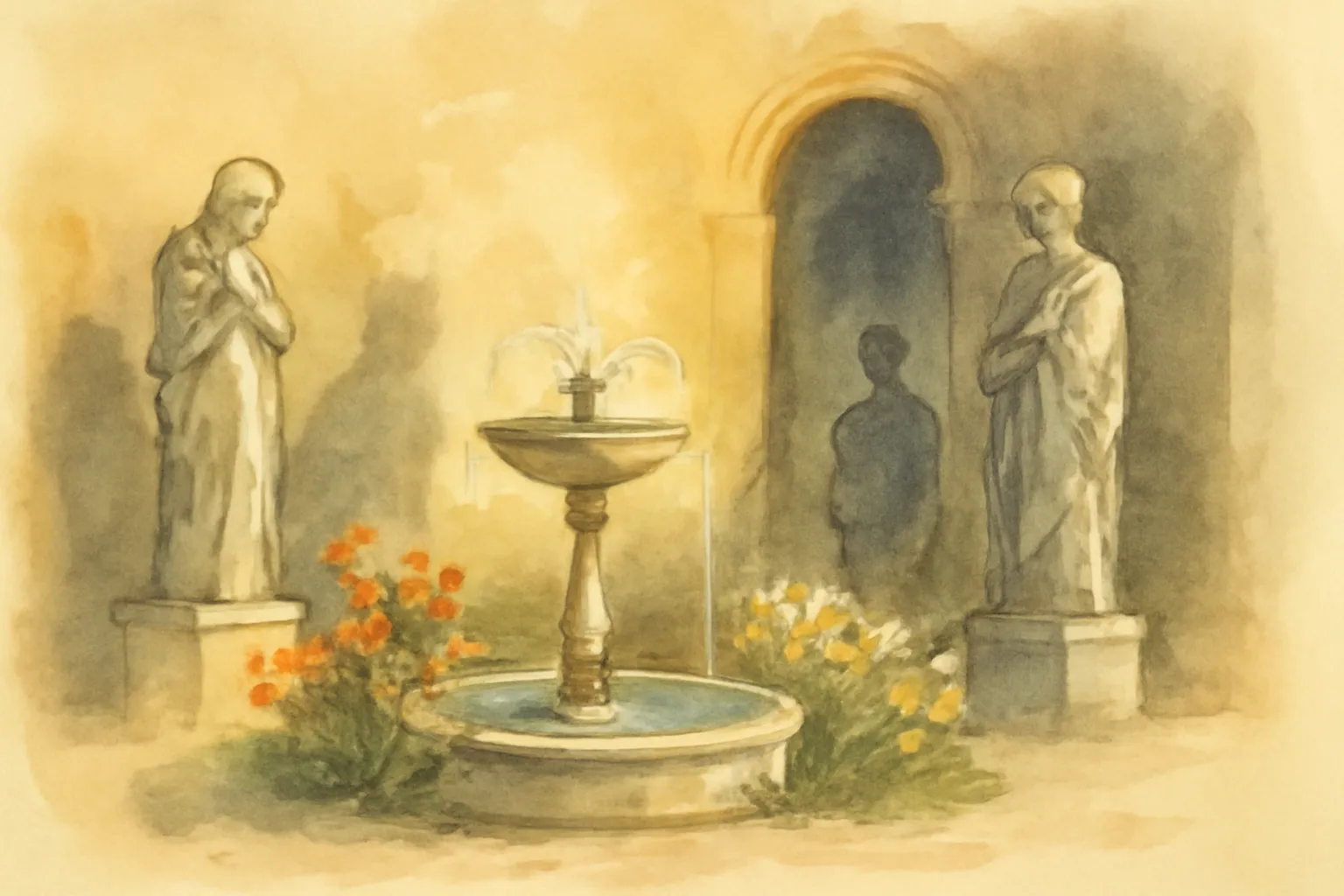
Zuleika, at just fifteen, embodies the early maturity and passionate spirit reminiscent of her Greek heritage. Her striking beauty and charm attract the attention of noble suitors, particularly the Viscount Giovanni Massetti. The novel captures her youthful longing for love and adventure, contrasting it with the confines of her convent education. Zuleika's character reflects the inner turmoil of a young girl caught between the ideals of romantic love and the stark realities of societal constraints. The tension between desire and duty is palpable as Zuleika grapples with her emotions and the societal expectations placed upon her. The allure of romantic innocence serves as both a catalyst for her actions and a source of conflict, highlighting the struggles of young women in a patriarchal society. Zuleika's character development reflects the universal journey of self-discovery, making her relatable to readers across generations, as they too have experienced the rush of first love and the pangs of youthful longing.
2.A Father's Legacy: Monte-Cristo's Dual Role

The Count of Monte-Cristo, now a figure of wealth and influence in Rome, is portrayed as both a protective father and a man haunted by his past. His decision to relocate to Rome for Zuleika's education underscores his commitment to her future, yet it also reflects his desire to shield her from the shadows of his own tumultuous history. Monte-Cristo's legacy is a double-edged sword; while he provides his children with the privileges of their lineage, he also inadvertently subjects them to the weight of his vengeance and the enemies he has made. This complexity adds depth to the narrative, as Zuleika's journey becomes not only a quest for love but also a struggle to escape her father's shadow and carve her own identity. The interplay between parental influence and personal agency is a central theme that resonates throughout the story. Monte-Cristo's past actions and the repercussions that follow illustrate how legacies can shape the lives of future generations, forcing characters to confront the ghosts of their ancestry while forging their own paths forward.
3.The Dangerous Game of Love
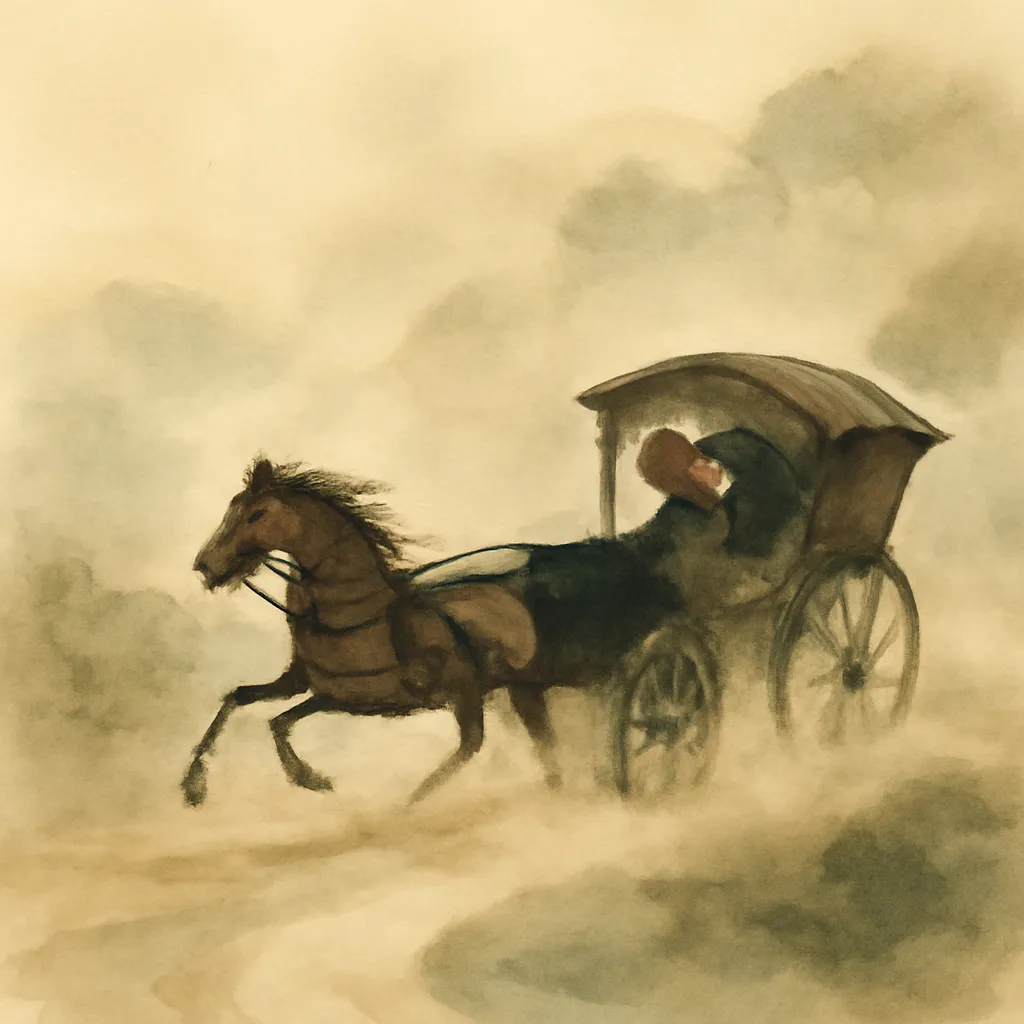
Zuleika's romantic entanglement with Giovanni Massetti introduces a thrilling yet perilous aspect to her life. Giovanni, a nobleman with a reputation for daring exploits, represents both the excitement and the dangers of love. Their initial encounter, marked by a dramatic carriage accident, sets the stage for a relationship filled with passion and risk. As their love deepens, Zuleika is drawn into a web of societal expectations and potential scandal, particularly when rumors of Giovanni's involvement in a grave crime surface. The narrative explores how love can inspire bravery and recklessness, leading characters to make choices that defy societal norms. This theme is highlighted by the contrasts between Zuleika's sheltered upbringing and the chaotic world of romance that Giovanni introduces her to. The risks and rewards of love become intertwined, creating a sense of urgency and danger that propels the narrative forward. Through their passionate exchanges, the novel illustrates the intoxicating nature of love and the lengths individuals will go to protect it, even in the face of insurmountable odds.
4.The Weight of Reputation and Scandal

The novel intricately weaves the theme of reputation into the lives of its characters, particularly through the lens of societal judgment. Giovanni's alleged crime and the ensuing scandal cast a shadow over his relationship with Zuleika, forcing her to confront the harsh realities of public perception. As rumors swirl around Giovanni's name, the narrative highlights the fragility of honor and how a single misstep can lead to public disgrace. Zuleika's struggle becomes a quest for truth in a world where appearances matter more than reality. The pressure to maintain a pristine reputation leads to internal conflict for both characters, as they navigate their feelings amidst the chaos of rumors and accusations. This societal scrutiny reflects the historical context of the time, where honor and lineage dictated one's standing in society. The narrative illustrates how easily reputations can be tarnished and how this can impact personal relationships, ultimately questioning the value placed on public opinion over genuine character. The exploration of scandal serves as a cautionary tale about the consequences of judgment and the need for compassion when navigating the complexities of human relationships.
5.The Role of Fate and Chance

Fate plays a significant role in 'Monte-Cristo's Daughter', shaping the destinies of its characters in unexpected ways. Zuleika's life changes course due to chance encounters and fateful decisions, particularly the moment she meets Giovanni. The accidents and misfortunes that befall them, such as the carriage mishap and Giovanni's subsequent abduction, highlight the unpredictable nature of life. These elements of chance serve to propel the narrative forward, creating a sense of urgency and tension. The characters often find themselves at the mercy of forces beyond their control, prompting reflections on the nature of destiny and free will. This theme resonates deeply, suggesting that while individuals can strive for their desires, external circumstances can alter their paths in profound ways. The interplay between fate and personal choices underscores the complexity of human existence, illustrating how moments of serendipity can lead to life-altering outcomes. This idea encourages readers to consider the delicate balance between agency and the uncontrollable forces that shape their lives.
6.The Complexity of Honor and Revenge

Monte-Cristo's past is marked by a relentless pursuit of vengeance, which complicates his relationship with Zuleika and her future. His legacy of revenge looms large, influencing the events that unfold around his family. The novel raises questions about the morality of revenge and its impact on future generations. As Zuleika becomes entangled in the consequences of her father's actions, she must confront the ideals of honor that have been instilled in her. The tension between the desire for justice and the need for forgiveness becomes a pivotal aspect of the story, challenging characters to navigate their moral compasses. This complexity is particularly evident in Zuleika's internal conflict as she grapples with her affection for Giovanni while also being loyal to her father's principles. The narrative invites readers to ponder the consequences of seeking retribution and whether it is possible to break free from the cycle of vengeance. The exploration of these themes adds depth to the narrative, as characters grapple with their past actions and the legacies they inherit. Ultimately, the novel suggests that forgiveness and understanding may lead to a more fulfilling resolution than revenge ever could.
7.The Power of Female Agency

Zuleika's journey is not solely defined by her relationships with men; it is also marked by her quest for autonomy and self-identity. Despite the societal constraints placed upon her, she exhibits agency in her decisions and actions. Her desire to meet Giovanni, despite the risks, underscores her willingness to defy conventions for love. As she navigates her education and societal expectations, Zuleika's character challenges traditional gender roles, asserting her right to choose her own path. The narrative illustrates the tension between societal norms and individual desires, showcasing Zuleika's evolution from a sheltered girl to a woman who seeks to determine her own fate. Her defiance is expressed in her choices, such as pursuing her education and engaging in a romance that society deems inappropriate. This theme of female agency resonates powerfully, reflecting broader societal changes regarding women's roles and rights. Zuleika's character exemplifies the idea that the pursuit of personal happiness and fulfillment often involves challenging the status quo and asserting one's identity in the face of overwhelming opposition.
8.Friendship and Loyalty Amidst Chaos
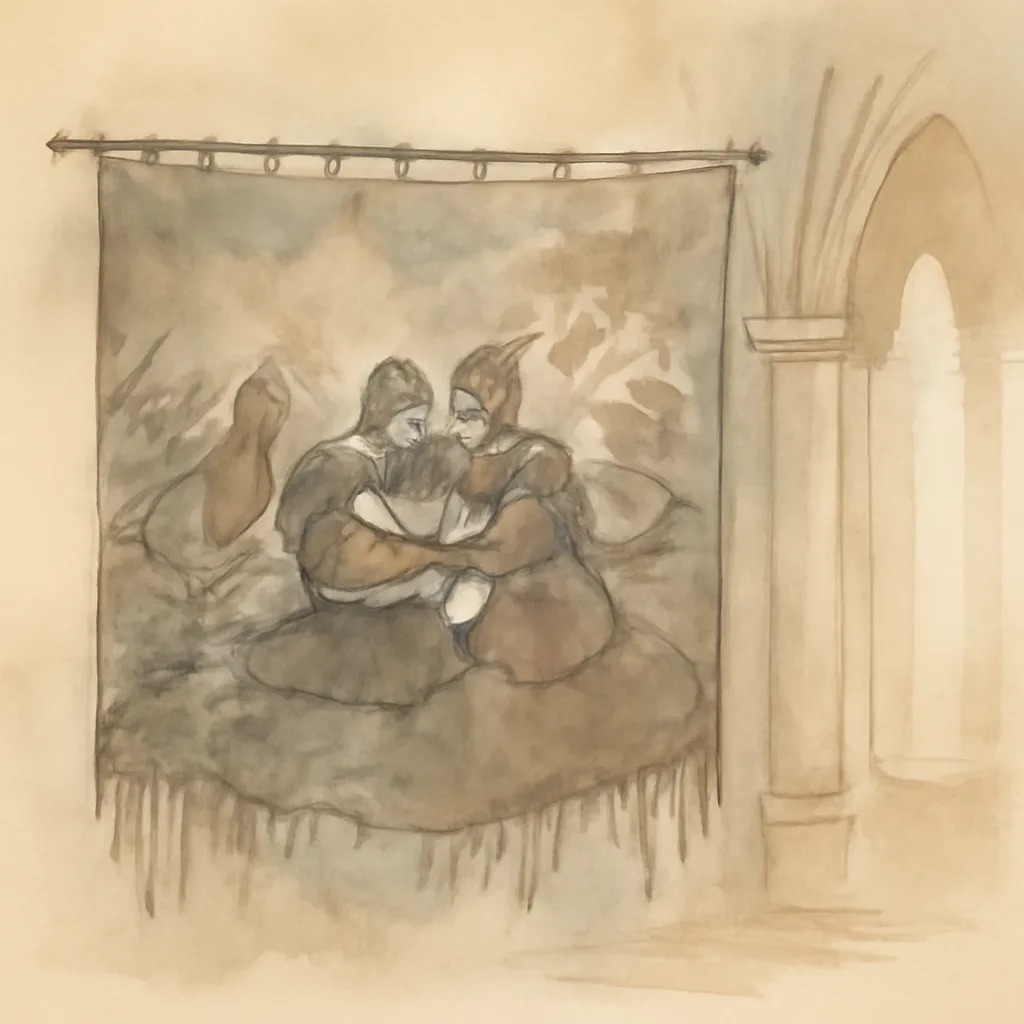
The bonds of friendship and loyalty emerge as crucial themes in the narrative, particularly through the relationships between Zuleika, Esperance, and Giovanni. Esperance, Monte-Cristo's son, plays a vital role in supporting Zuleika and navigating the complexities of their interconnected lives. Their friendship is tested as they face external threats and personal dilemmas, emphasizing the importance of loyalty in times of crisis. Giovanni's friendship with Esperance further enriches the narrative, showcasing how alliances can form amidst chaos and societal upheaval. The characters' loyalty to one another often provides a sense of stability, counterbalancing the tumult of their circumstances. This theme highlights the significance of camaraderie and trust, illustrating how relationships can serve as both a refuge and a source of strength. The narrative suggests that in times of uncertainty, the bonds of friendship can provide a lifeline, allowing characters to navigate the challenges that arise from their tangled lives. The exploration of loyalty adds depth to the relationships in the story, reinforcing the idea that true friendship transcends social boundaries and personal struggles.
9.The Ghosts of the Past
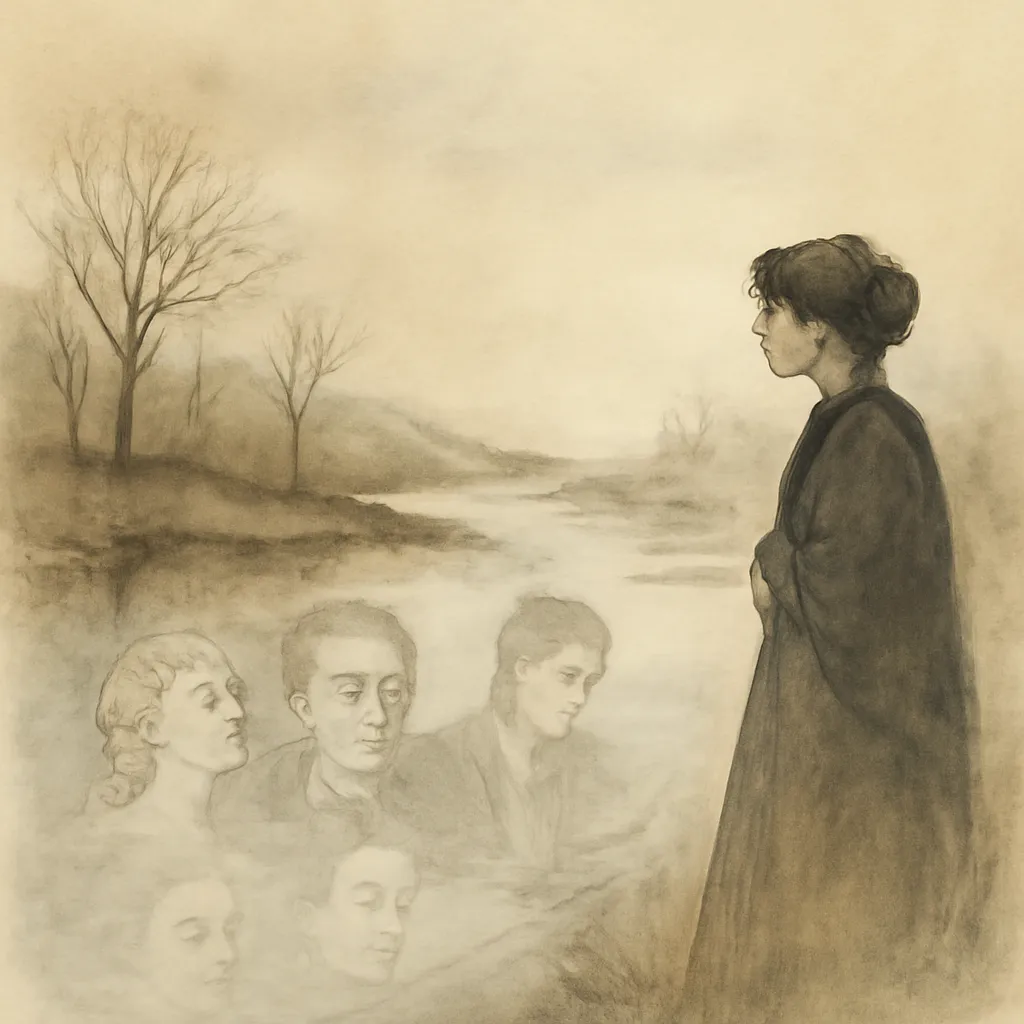
The haunting presence of the past is a recurring motif throughout the narrative, shaping the characters' actions and decisions. Monte-Cristo's history of vengeance and betrayal casts a long shadow over his family, influencing Zuleika's choices and her relationship with Giovanni. The ghosts of past grievances resurface in the form of societal judgment and personal scandals, complicating the characters' attempts to forge their own identities. As Zuleika grapples with her father's legacy, she must also confront her own feelings about love and honor. The narrative illustrates how unresolved past conflicts can reverberate through generations, prompting characters to seek closure and understanding. This theme is exemplified by the lingering effects of Monte-Cristo's vengeance on his children, forcing them to reconcile their desires with the repercussions of their father's actions. The novel suggests that confronting the past is essential for personal growth, as characters learn to navigate their identities amidst the weight of history. The ghosts of the past serve as reminders that while one cannot change what has been done, the choices made in the present can shape the future.
10.Redemption and Forgiveness

As the story unfolds, the themes of redemption and forgiveness become increasingly prominent, particularly in the context of Giovanni's plight. Accused of a crime he did not commit, his journey toward vindication reflects the broader quest for redemption that many characters navigate. Monte-Cristo's own path toward forgiveness—both for himself and others—serves as a backdrop for the unfolding drama. The narrative challenges characters to confront their past actions and seek forgiveness, illustrating the transformative power of compassion and understanding. Zuleika's unwavering belief in Giovanni's innocence exemplifies the strength of love and loyalty in the face of adversity. She becomes a beacon of hope, pushing for truth and justice even when the odds seem insurmountable. This theme of redemption resonates deeply, suggesting that while the past may shape individuals, the potential for growth and change remains ever-present. The novel ultimately advocates for the importance of forgiveness in healing wounds and restoring relationships, highlighting how redemption can arise from the ashes of despair.