1.The Dual-Process Mind: Automatic vs. Manual
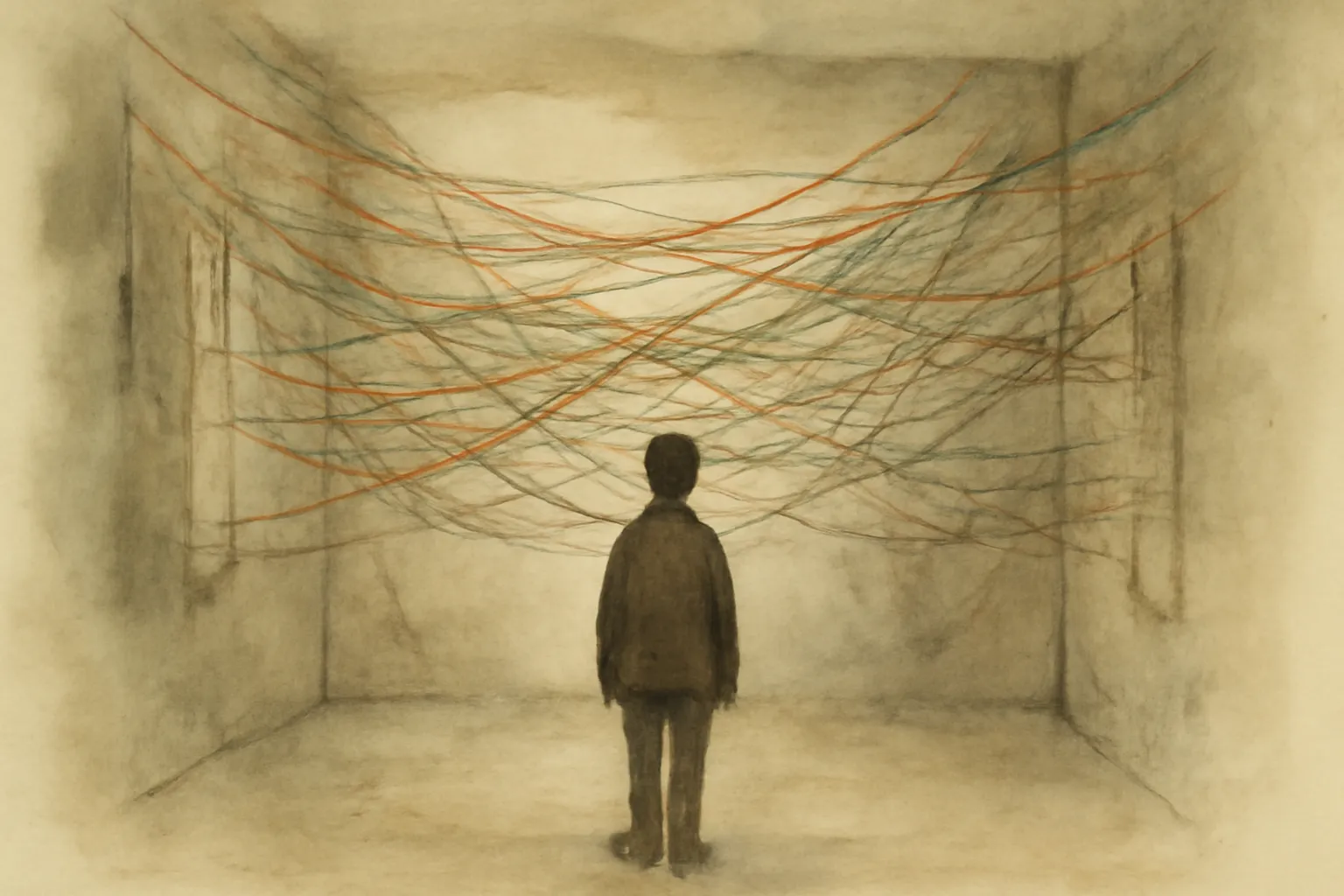
Greene argues that our brains operate with two moral systems: an intuitive, automatic mode shaped by evolution for small-group living, and a slower, more deliberative 'manual mode' that allows for reasoned consideration. The automatic system excels at fostering cooperation within groups but struggles with conflicts between groups. Understanding when to rely on instinct and when to engage in reflective reasoning is crucial for addressing moral dilemmas in pluralistic societies.
2.Tragedy of Commonsense Morality
A central thesis is that the real challenge isn't selfishness, but the collision of different groups' moral codes—what Greene calls the 'tragedy of commonsense morality.' Each tribe believes its values are self-evidently right, but these values often clash, leading to intractable disputes over issues like religion, politics, and social policy. Recognizing this tragedy helps explain why good people can disagree so profoundly and persistently.
3.Utilitarianism as a Meta-Morality
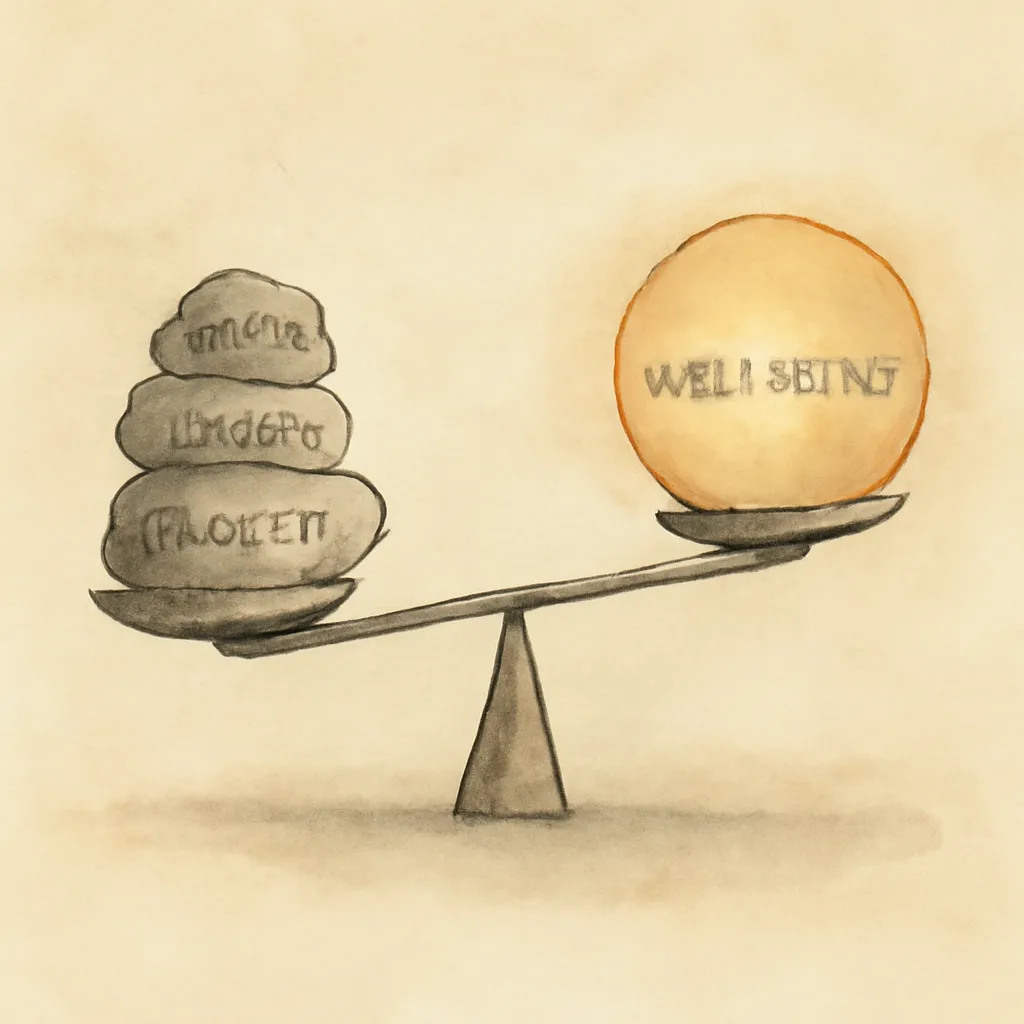
Greene advocates for utilitarianism—not as a replacement for all moral thinking, but as a 'meta-morality' that can arbitrate between competing tribal values. Utilitarianism, with its focus on maximizing overall well-being and minimizing suffering, provides a common currency for resolving intergroup conflicts. Greene acknowledges utilitarianism's challenges but argues it offers the best hope for fair and impartial solutions in a diverse world.
4.The Limits of Moral Intuition
Drawing on psychological experiments (such as trolley problems), Greene shows that our moral intuitions are often inconsistent and unreliable when applied to complex, real-world scenarios. He warns against over-reliance on gut feelings, especially when making policy decisions that affect large numbers of people. Instead, he urges a more reflective, evidence-based approach to moral reasoning.
5.Building Moral Common Ground
Moral Tribes offers practical advice for bridging divides: cultivate empathy, question your own intuitions, and seek common ground through open dialogue and reasoned debate. Greene emphasizes that progress depends on our willingness to step outside our tribal instincts and engage with the perspectives of others. This requires humility, curiosity, and a commitment to shared human flourishing.
6.Science and Morality: Allies, Not Enemies
Greene contends that science, far from undermining morality, can illuminate its workings and help us design better moral systems. By understanding the evolutionary and psychological roots of our moral instincts, we can identify where they serve us well and where they lead us astray. This scientific perspective empowers us to refine our moral practices in light of new evidence and broader perspectives.