1.Radical Compassion in Action
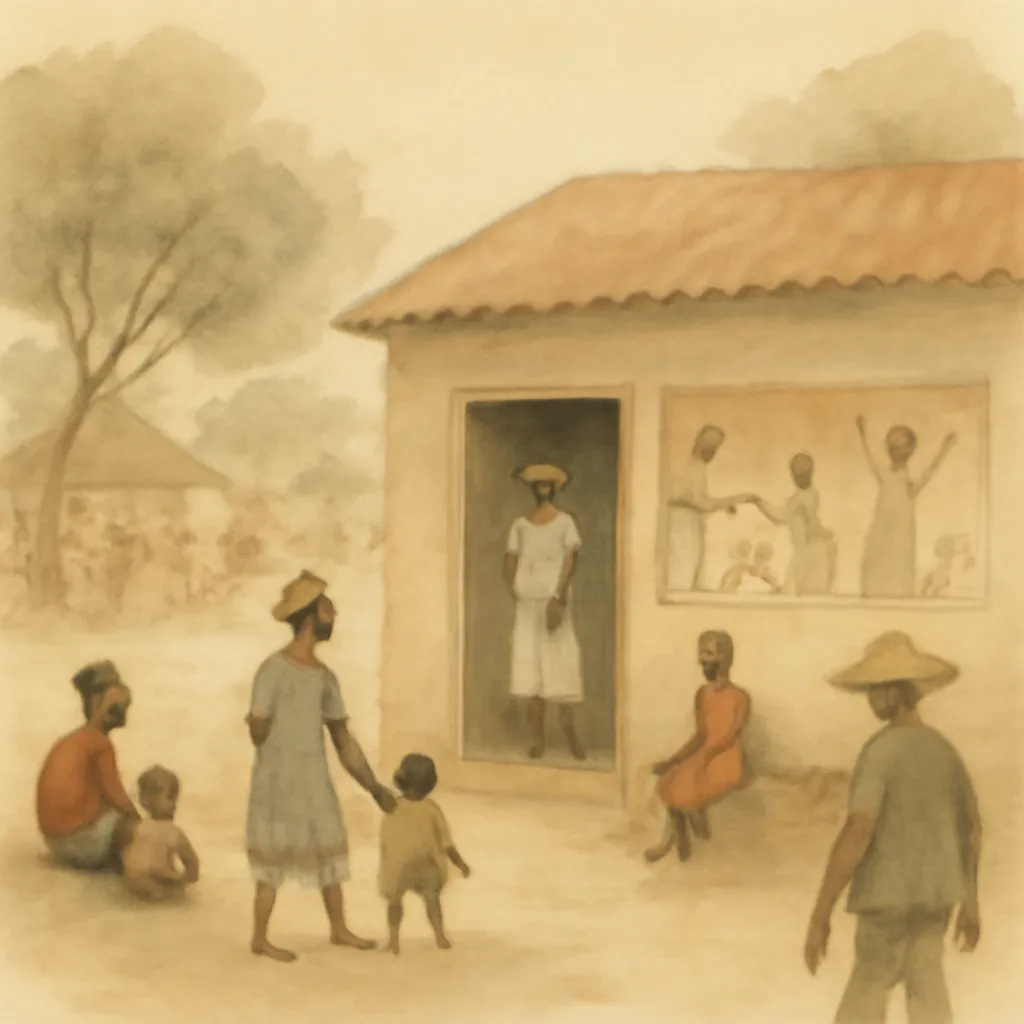
At its core, the book is a study in radical compassion. Paul Farmer’s refusal to accept that some lives are worth less than others drives his work in Haiti and beyond. He does not simply treat diseases; he immerses himself in the lives of his patients, advocating for their dignity and rights. Farmer’s approach challenges the reader to reconsider what it means to care for others, especially in contexts of extreme poverty.
2.Structural Violence and Health
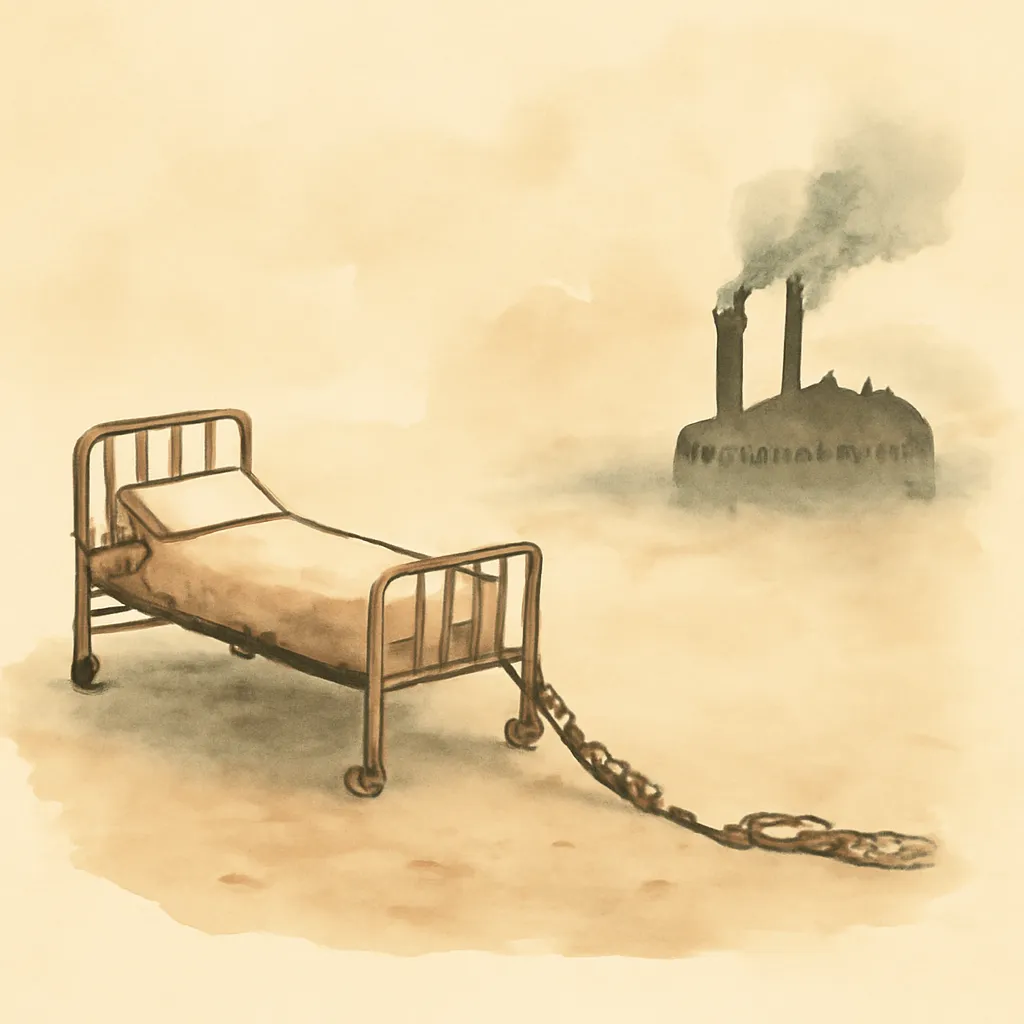
Kidder explores the concept of 'structural violence'—the social, political, and economic systems that perpetuate poverty and illness. Farmer insists that diseases like tuberculosis and AIDS are not just medical issues but are deeply rooted in inequality and injustice. The book exposes how global health disparities are maintained by forces far beyond the clinic, urging readers to see health as a matter of social justice.
3.Persistence Amid Endless Challenges
The Haitian proverb 'beyond mountains there are mountains' encapsulates the book’s central metaphor: every solution leads to new challenges. Farmer’s journey is marked by setbacks, resource shortages, and bureaucratic obstacles, yet he persists. This relentless pursuit of progress, despite knowing that the work is never truly finished, is both humbling and motivating.
4.The Power and Limits of Idealism
Farmer’s idealism is both his greatest strength and a source of tension. The book does not shy away from the personal costs of his commitment—strained relationships, exhaustion, and the burden of high expectations. Kidder raises important questions about the sustainability of such devotion and the balance between individual heroism and systemic change.
5.Partnerships and Global Impact
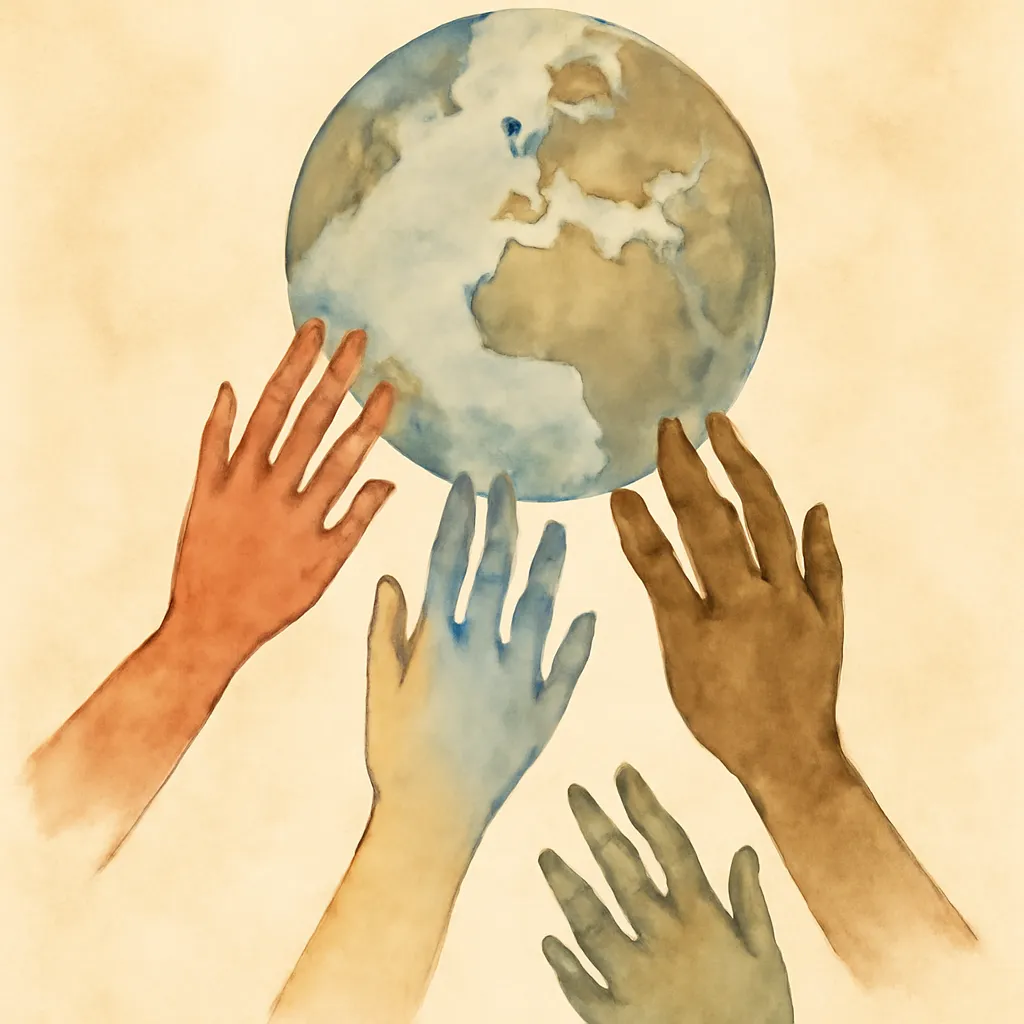
Farmer’s work with Partners In Health demonstrates the potential of collaborative, community-based approaches to global health. By forging alliances with local leaders, international organizations, and powerful philanthropists, Farmer shows that meaningful change requires both grassroots engagement and institutional support. The book illustrates how one person’s vision can catalyze a movement, but also how teamwork and shared purpose amplify impact.
6.Bearing Witness and Storytelling
Kidder’s own role as a journalist is woven into the narrative, highlighting the importance of bearing witness. By telling Farmer’s story with empathy and nuance, Kidder brings attention to invisible suffering and the moral imperative to respond. The book itself becomes an act of advocacy, reminding readers that stories can be powerful tools for social change.