1.The Burden of Duty
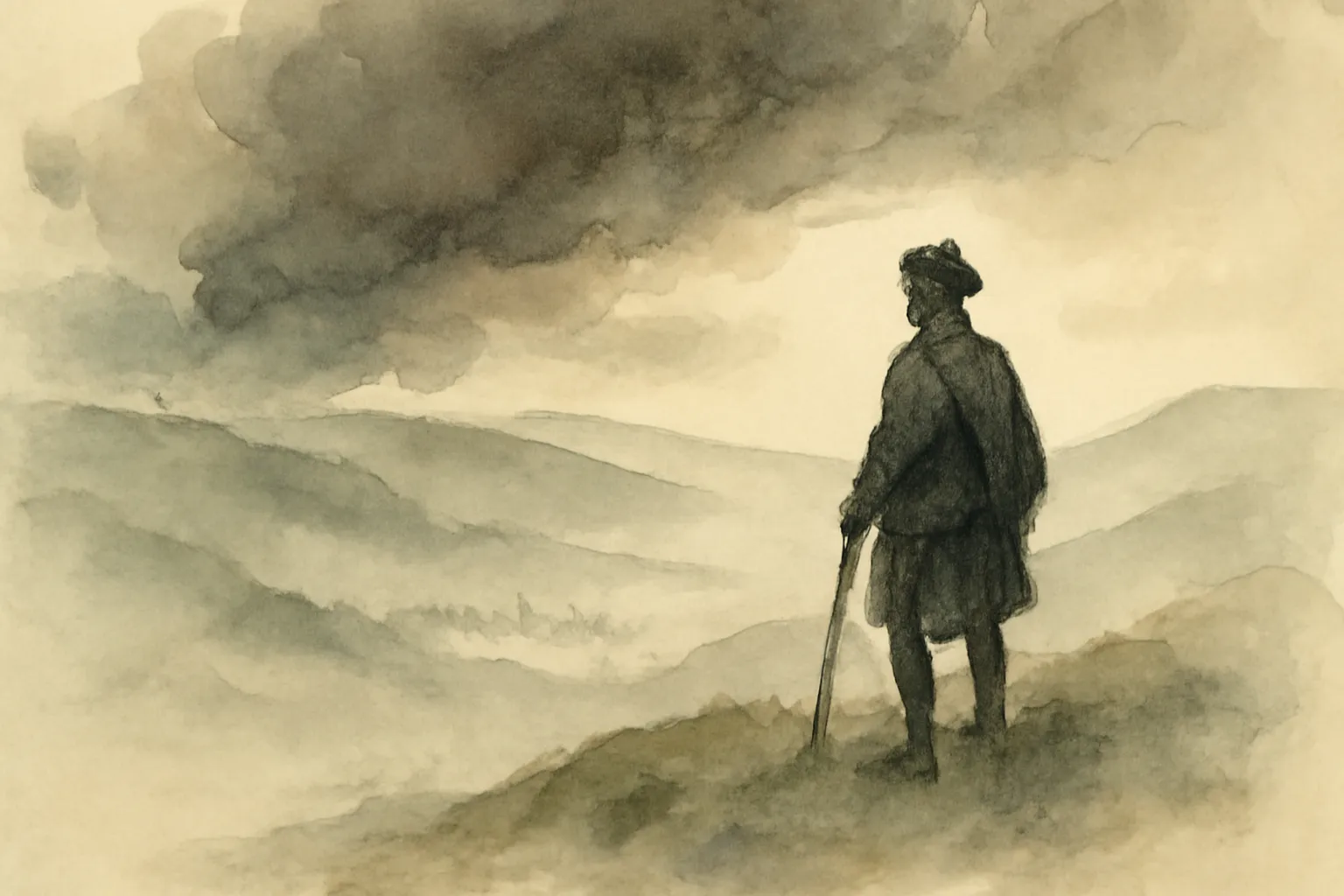
The protagonist, Cornelius Brand, embodies the struggle of those called to serve in times of war. Initially reluctant to embrace his military role, he reflects on his previous experiences in combat, lamenting the toll of duty on his psyche. His journey begins in the quiet of Biggleswick, where he seeks solace from the chaos of war but soon realizes that he cannot escape his obligations. As he transitions from a mining engineer to a soldier, Brand grapples with the weight of his medals and the expectations that come with them. This burden of duty is a recurring theme, illustrating how personal honor and societal expectations can clash, leading to profound internal conflict. The emotional landscape that Brand navigates reveals the psychological ramifications of war, as he wrestles with feelings of inadequacy and the fear of failing those who depend on him.
2.Friendship and Loyalty

Brand's relationships are pivotal to his character development and the narrative's progression. His deep friendship with Blenkiron, a fellow officer, serves as a cornerstone for his moral compass throughout the story. Blenkiron's unwavering support and insight into the complexities of love and war provide Brand with the guidance he needs to navigate treacherous waters. The bond they share emphasizes the importance of camaraderie in overcoming the isolation of war and highlights how such connections can serve as a source of strength. Furthermore, Brand's interactions with other characters, such as Mary, reveal the emotional stakes of loyalty, as their fates become intertwined in a larger scheme of espionage and betrayal. The depth of these relationships enriches the narrative, showcasing how friendship can be both a source of hope and a catalyst for conflict, ultimately underscoring the idea that in times of crisis, the ties that bind individuals together are often tested to their limits.
3.The Nature of Evil

The antagonist, Ivery, is a complex figure whose motivations and actions challenge Brand's understanding of loyalty and betrayal. As a German spy, Ivery represents the insidious nature of evil that can infiltrate even the most trusted circles. Brand's encounters with Ivery force him to confront the moral ambiguities of war, where the lines between good and evil blur. Ivery's character is not merely a villain; he embodies the seductive power of betrayal and the ease with which one can be led astray. Through their confrontations, Buchan explores the psychological landscape of treachery, illustrating how trust can be weaponized. This exploration of evil is nuanced, prompting readers to consider the psychological and ideological factors that drive individuals to commit acts of treachery. The conflict between Brand and Ivery becomes a battle not just for survival but a moral reckoning, forcing Brand to grapple with the implications of his choices and the potential for darkness within himself and those around him.
4.The Landscape of War
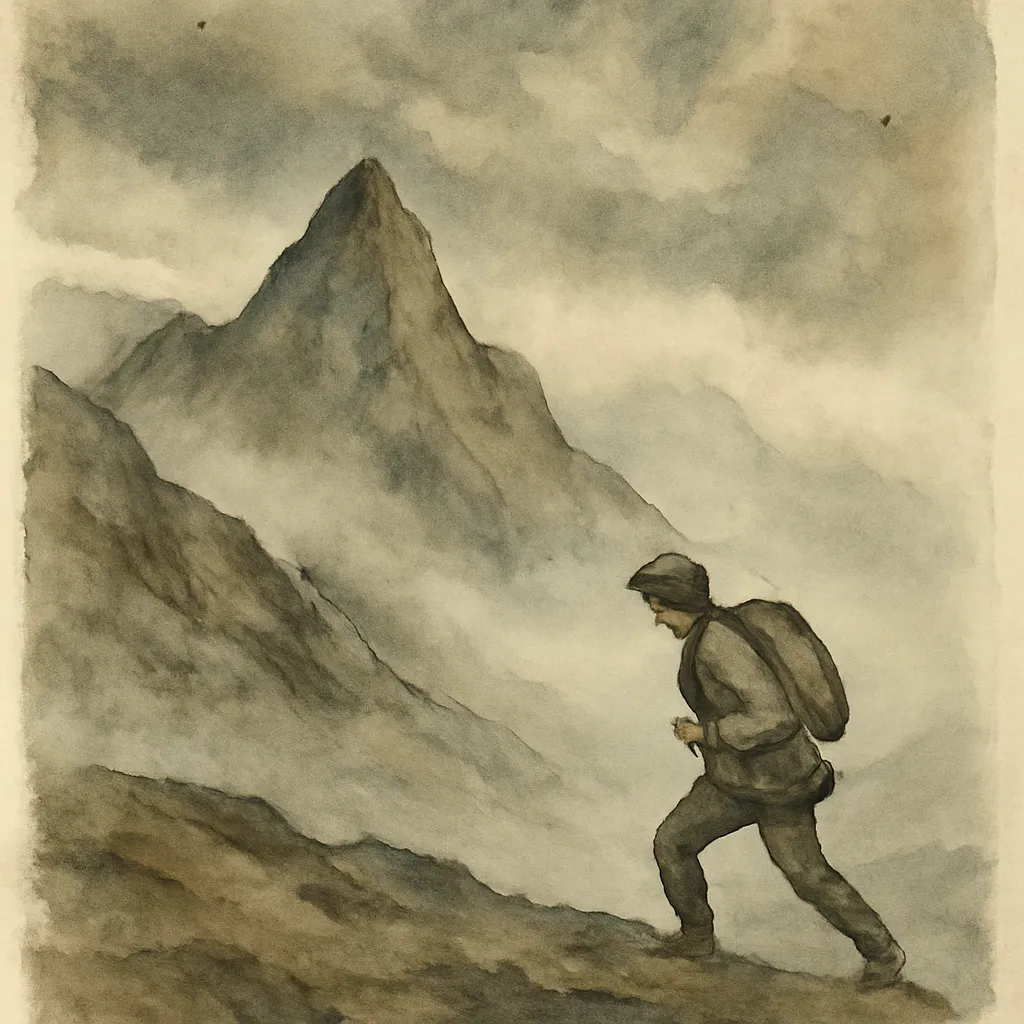
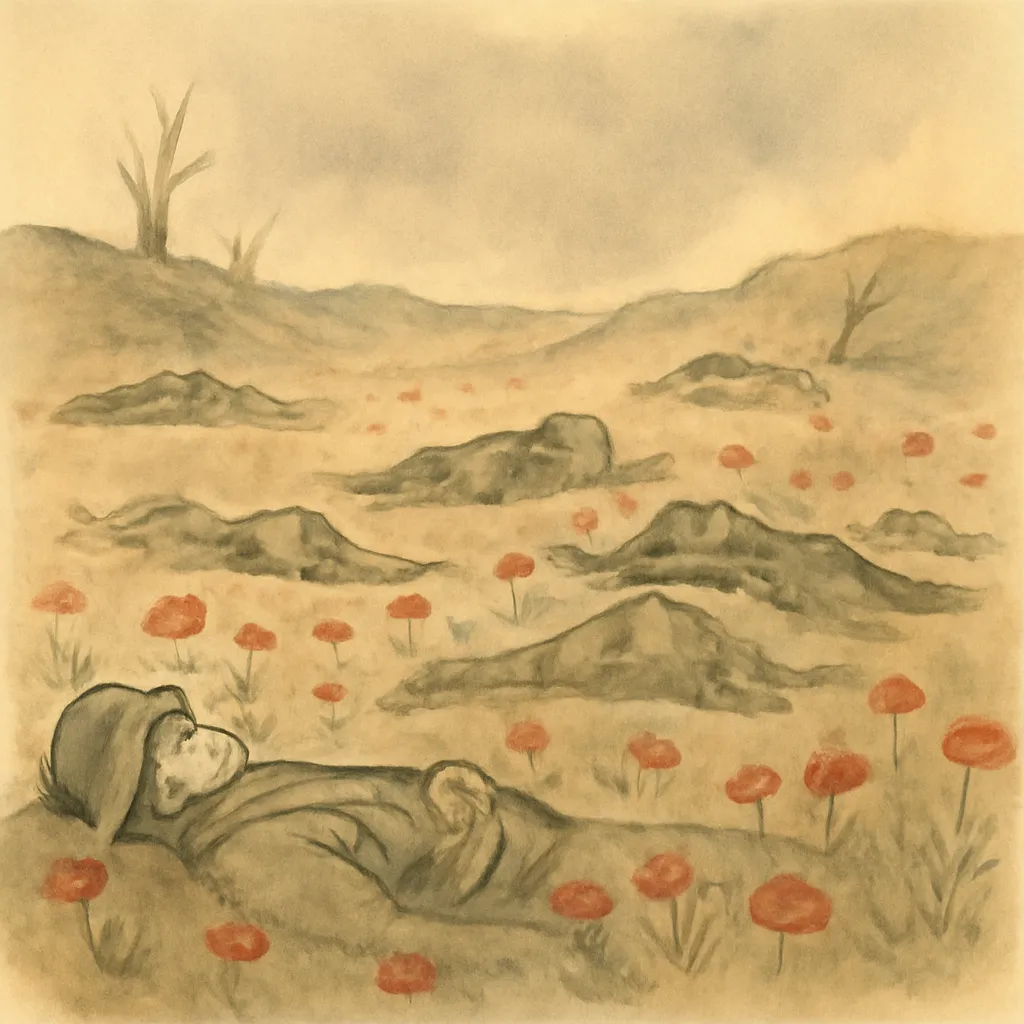
Buchan's vivid descriptions of the Scottish Highlands and the battlefields of Europe serve as a backdrop that enhances the emotional weight of the narrative. The natural world reflects the turmoil within Brand as he traverses through the rugged terrain, which symbolizes both beauty and danger. The contrast between the serene landscapes of Biggleswick and the chaotic fronts of war emphasizes the stark realities of conflict. Each setting is meticulously crafted, immersing readers in the sights and sounds of both the peaceful countryside and the ravages of battle. This attention to detail not only enriches the story's atmosphere but also reinforces the theme of duality—where tranquility and chaos coexist, mirroring Brand's internal struggles. The Scottish landscapes in particular act as a character in their own right, shaping the narrative's emotional trajectory and providing a stark contrast to the horrors of war.
5.The Quest for Identity
As Brand takes on the alias of Cornelius Brand, he embarks on a journey of self-discovery that challenges his understanding of identity. Stripped of his previous life as a mining engineer, he must navigate a new reality where survival depends on his ability to adapt. This quest for identity is complicated by the expectations placed upon him as a soldier and a leader. Brand's internal conflict is palpable as he grapples with his past, his purpose, and the man he wishes to become. His evolution from a hesitant participant in the war to a decisive combatant illustrates the transformative power of conflict, as he ultimately embraces his role in the larger narrative of loyalty and sacrifice. The narrative captures the essence of identity formation during times of crisis, showing that the trials of war can push individuals to discover their true selves and redefine their place in the world.
6.The Role of Women in War
Mary stands out as a significant female character whose presence is felt throughout the narrative. While the story primarily revolves around male characters, Mary’s influence shapes Brand's motivations and decisions. She represents the emotional anchor for Brand, embodying the sacrifices women make during wartime. Her role challenges traditional gender norms, as she becomes an active participant in the war effort, demonstrating resilience and strength. The dynamics between Mary and Brand underscore the complexities of love during conflict, where personal relationships are tested against the backdrop of war. This representation of women adds depth to the narrative, highlighting their often-overlooked contributions and the emotional toll of war on both men and women. Mary's development throughout the story also illustrates the evolving role of women during the war, as they took on responsibilities and faced challenges that transformed their societal positions.
7.Espionage and Intrigue

The novel intricately weaves a plot of espionage that heightens the tension and stakes for Brand. As he becomes embroiled in a web of intrigue involving spies and counterspies, the narrative explores the psychological toll of living under constant threat. Buchan expertly portrays the clandestine operations that define wartime intelligence, revealing the dangers of betrayal and deception. Brand's missions, filled with suspense and danger, illustrate the lengths to which individuals will go to protect their country and loved ones. The constant fear of discovery creates an atmosphere of paranoia, forcing Brand to navigate a landscape where trust is scarce and every ally could be a potential enemy. This theme of espionage not only serves as a thrilling plot device but also deepens the exploration of loyalty, as Brand must discern who he can trust amidst a sea of deception and uncertainty. The stakes are high, and the consequences of missteps can be fatal, making the world of espionage a treacherous environment.
8.The Dichotomy of War
Buchan presents war as a multifaceted experience, fraught with both glory and horror. Through Brand's eyes, readers witness the brutal realities of battle juxtaposed with moments of camaraderie and heroism. The narrative does not shy away from depicting the gruesome consequences of conflict, challenging romanticized notions of war. Instead, it presents a more realistic portrayal that captures the psychological scars left on soldiers. This dichotomy extends to Brand's internal struggles as he reconciles the nobility of fighting for one's country with the senseless violence that war entails. The exploration of this duality invites readers to reflect on the complexities of human nature and the ethical dilemmas faced in times of crisis. Buchan's portrayal of war as both a noble pursuit and a source of profound suffering serves to challenge readers' perceptions and provoke critical thought about the nature of conflict and its impact on humanity.
9.Courage and Redemption
At its core, Mr. Standfast is a tale of courage and the quest for redemption. Brand's journey is marked by moments of doubt and fear, yet he ultimately rises to the occasion, embodying the spirit of a true hero. His transformation from a reluctant soldier to a determined leader encapsulates the redemptive power of conflict, as he confronts his fears and embraces his destiny. The narrative emphasizes that courage is not the absence of fear but the ability to act despite it. As Brand faces overwhelming odds, he discovers his capacity for bravery, which becomes a source of inspiration for those around him. This theme of redemption resonates deeply, reminding readers that even in the darkest of times, the potential for greatness lies within each individual. Brand's journey illustrates that true courage often emerges in the face of adversity, and through his trials, he finds not only his identity but his place as a warrior committed to a greater cause.
10.The Legacy of War
The conclusion of Mr. Standfast leaves readers contemplating the broader implications of war and its lasting legacy. As Brand reflects on his experiences, he recognizes that the scars of conflict extend beyond the battlefield, affecting the lives of all involved. The narrative prompts an exploration of how war shapes identity, relationships, and society as a whole. Buchan's poignant portrayal of the aftermath of conflict invites readers to consider the sacrifices made and the costs borne by individuals and nations alike. This legacy of war is not merely a historical account but a personal reflection on the enduring impact of choices made in the name of duty, loyalty, and love. The narrative ultimately conveys that while war brings destruction and sacrifice, it also forges bonds and reshapes lives, leaving an indelible mark on the personal and collective consciousness.